The Fashion Jewelry Blog Guide to True Value Assessment
Discover how to evaluate true worth in costume and demi-fine pieces. Our fashion jewelry blog breaks down metals, plating, and cost-per-wear metrics.

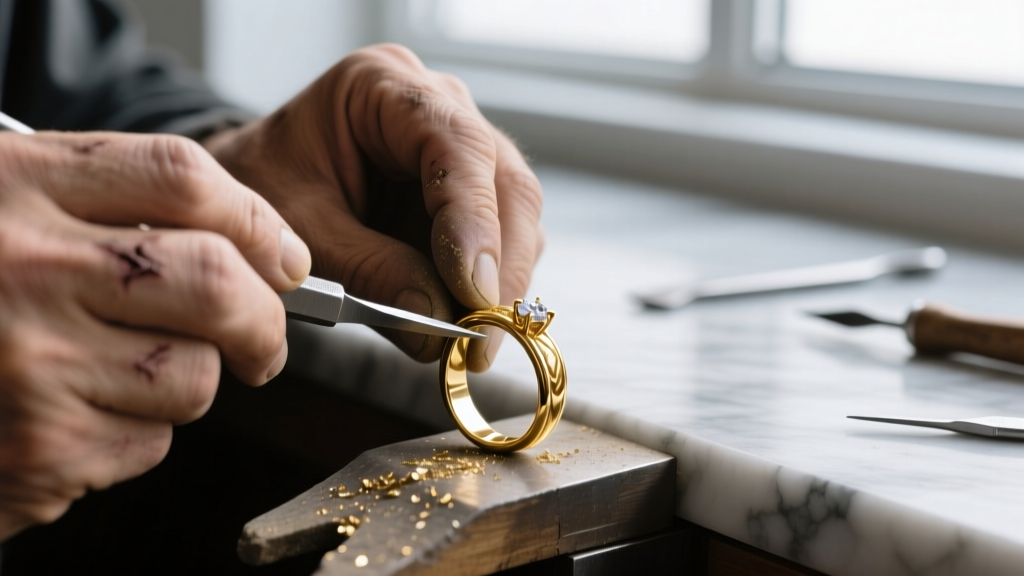
Welcome to the ultimate fashion jewelry blog guide on navigating the complex landscape of budget and value in modern accessories. In 2026, the line between costume, fashion, and demi-fine jewelry has never been more blurred. Brands are leveraging sophisticated marketing terminology to justify premium price tags on pieces that may lack long-term metallurgical integrity. As informed consumers, we must look past the aesthetic appeal and evaluate the tangible materials, manufacturing processes, and cost-per-wear metrics that dictate true value. This comprehensive assessment framework will teach you exactly how to audit your jewelry box and make financially sound purchasing decisions.
The Real Cost Per Wear: Beyond the Initial Price Tag
The most common mistake consumers make when reading any fashion jewelry blog is equating a low initial price with high value. True value is measured in Cost Per Wear (CPW). A $25 pair of zinc-alloy hoop earrings that tarnishes and breaks after three uses has a CPW of $8.33. Conversely, a $120 pair of 18k gold-vermeil hoops on a sterling silver base that you wear twice a week for three years yields a CPW of just $0.38. When assessing budget jewelry, always project the lifespan of the piece based on its material composition, not its retail price.
Material Breakdown: What You Are Actually Paying For
The base metal is the skeletal structure of any fashion or demi-fine piece. It dictates the weight, durability, and hypoallergenic properties of the jewelry. Here is the hierarchy of base metals you will encounter in the current market:
Zinc Alloy and Pot Metals
Often labeled simply as 'metal' or 'base metal' on fast-fashion sites, zinc alloys are cheap to cast but highly prone to structural failure. They are heavy, brittle, and will snap under pressure. Furthermore, they often contain nickel and lead, making them a poor choice for sensitive skin. Value Verdict: Avoid for anything other than occasional, single-use statement pieces.
Brass and Bronze
Brass is the industry standard for mid-tier fashion jewelry. It casts beautifully, allowing for intricate, high-definition details that zinc cannot achieve. However, brass contains copper, which reacts with the acids in human sweat to create copper chloride—the compound responsible for the dreaded 'green skin' effect once the exterior plating wears off. Value Verdict: Excellent for heavily plated, seasonal trend pieces, but requires diligent maintenance to prevent plating degradation.
316L Stainless Steel
The undisputed champion of modern budget jewelry. 316L surgical stainless steel is highly resistant to tarnish, incredibly strong, and inherently hypoallergenic. In 2026, the best fashion brands are utilizing Physical Vapor Deposition (PVD) coating on stainless steel bases to create gold-toned jewelry that outlasts traditional electroplating by a factor of five. Value Verdict: The highest ROI for everyday, water-resistant fashion jewelry.
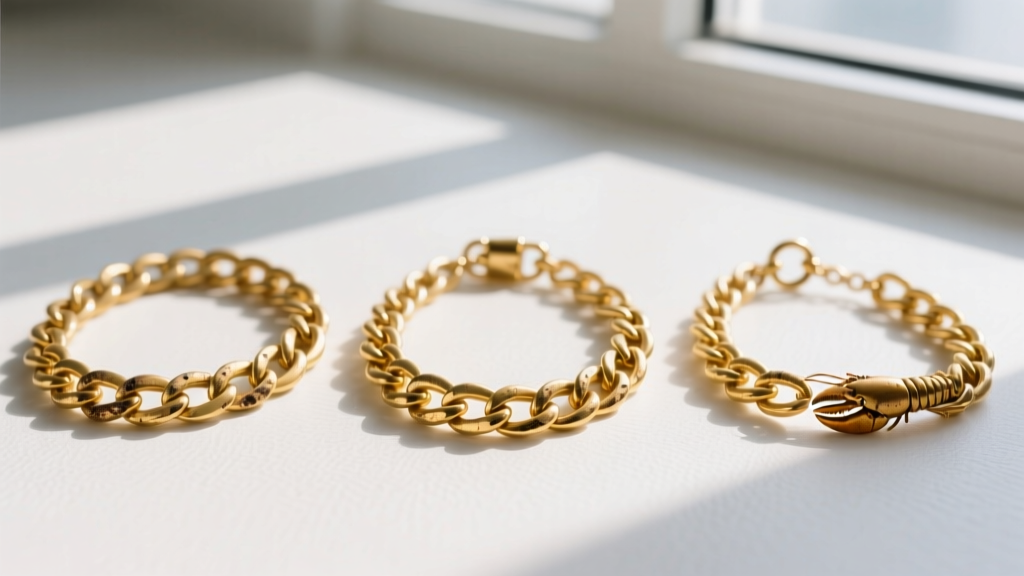
The Plating Spectrum: The Micron Reality Check
If the base metal is the skeleton, the plating is the skin. The thickness of this skin, measured in microns (µm), is the single most critical factor in the longevity of gold- or silver-toned fashion jewelry. According to the Federal Trade Commission Jewelry Guides, specific terminology is legally required based on these measurements.
| Plating Classification | Thickness (Microns) | Standard Base Metal | Expected Lifespan | Market Price Tier |
|---|---|---|---|---|
| Flash Plated | 0.01µm - 0.05µm | Zinc / Brass | 1 - 3 Months | $5 - $25 |
| Standard Gold Plated | 0.5µm - 1.0µm | Brass / Sterling | 6 - 12 Months | $30 - $80 |
| Heavy Gold Electroplated | 1.5µm - 2.4µm | Brass / Sterling | 1 - 3 Years | $60 - $150 |
| Gold Vermeil (FTC Regulated) | 2.5µm+ (10k+ Gold) | Sterling Silver Only | 2 - 5+ Years | $90 - $300 |
| PVD Coated (Titanium Nitride) | N/A (Molecular Bond) | Stainless Steel | 5 - 10+ Years | $40 - $120 |
When browsing a fashion jewelry blog or an e-commerce storefront, always search for the micron count. If a brand advertises '18k gold plated' but refuses to disclose the thickness or the base metal, assume it is flash-plated brass and price your expectations accordingly.
Stone and Embellishment Valuation
The democratization of lab-grown gemstones has severely disrupted the demi-fine market. Historically, fashion jewelry relied on glass, acrylic, or low-grade cubic zirconia (CZ). Today, the value assessment matrix must account for advanced simulants and actual lab-grown stones.
- Cubic Zirconia (CZ): The standard for fashion jewelry. While brilliant, CZ has a Mohs hardness of 8-8.5 and is porous, meaning it will absorb oils and become cloudy over time. High-value fashion brands will use AAA-grade, machine-cut CZ with pristine faceting.
- Nano-Emeralds / Nano-Spinels: Created from glass-ceramic materials, these offer better durability and color consistency than natural low-grade stones, but they hold virtually no resale value. They are excellent for bold, colorful statement rings.
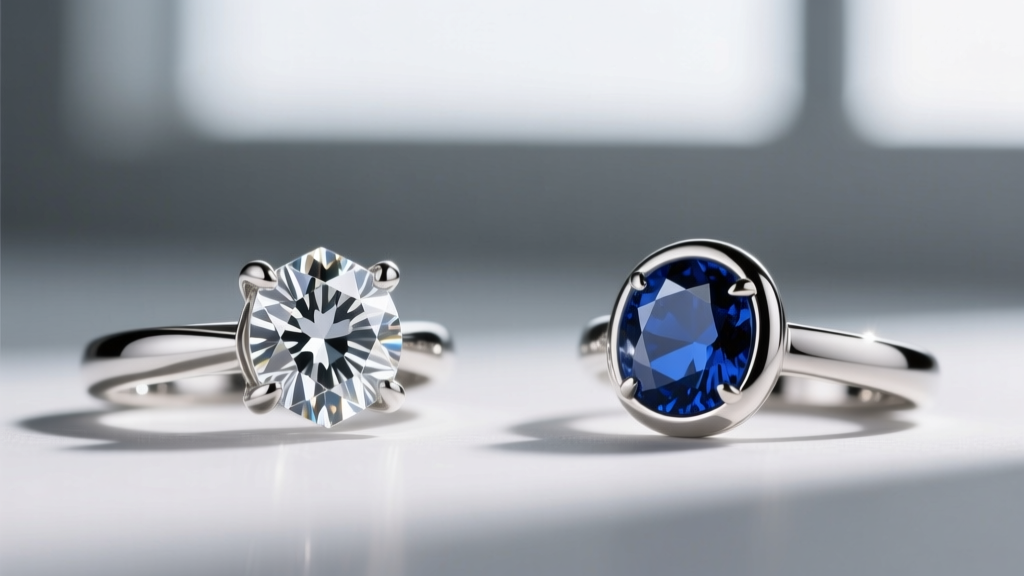
- Lab-Grown Sapphires and Diamonds: As noted by the Gemological Institute of America (GIA), lab-grown stones possess the exact same chemical and optical properties as their mined counterparts. Finding lab-grown sapphires set in sterling silver demi-fine pieces represents the absolute pinnacle of budget-to-value ratios in the 2026 market.
The 'Demi-Fine' Trap: Marketing vs. Metallurgy
Demi-fine jewelry is marketed as the bridge between disposable costume jewelry and heirloom fine jewelry. However, the category is rife with value traps. The most common offense is the 'Rhodium-Plated Sterling Silver' snare. Brands will use a legitimate sterling silver base but apply a micro-thin flash of rhodium to mimic white gold. Once this flash wears off in high-friction areas (like the inside of a ring band or the clasp of a necklace), the underlying silver tarnishes rapidly, requiring constant polishing. True value in demi-fine requires either solid gold (10k or 14k), thick vermeil, or rhodium plating that is explicitly stated to be over 1.0 microns thick.
'Value in fashion jewelry is not defined by the absence of precious metals, but by the transparency of the manufacturing process. A brand that openly publishes its micron counts, base alloys, and stone origins is inherently offering a higher-value product than a luxury house selling flash-plated brass at a 1000% markup.' — 2026 Jewelry Industry Council Report on Consumer Transparency
Actionable Framework: The 2026 Value Assessment Matrix
Before adding an item to your cart, run it through this rapid four-point audit to determine its true place in your rotational wardrobe:
- The Base Audit: Is the base metal explicitly stated? (Stainless steel and Sterling Silver pass; 'Alloy' or 'Mixed Metals' fail).
- The Plating Audit: Is the gold/silver layer at least 1.0µm thick, or is it PVD coated? (If yes, proceed. If no, relegate to 'occasional wear' status).
- The Hardware Audit: Inspect the jump rings and clasps. Are the jump rings soldered shut? Lobster clasps on cheap chains often pull apart because the jump rings are unsoldered, leading to lost pendants.
- The CPW Projection: Divide the price by the estimated number of wears over the next two years. If the CPW exceeds $1.50 for a non-precious metal piece, walk away.
Conclusion: Building a High-Value Rotational Wardrobe
Assessing budget and value in the fashion and demi-fine space requires a shift from emotional purchasing to analytical curation. By leveraging the insights from this fashion jewelry blog guide, you can bypass deceptive marketing and invest your budget into pieces that offer genuine longevity, structural integrity, and enduring style. Prioritize PVD-coated stainless steel for daily wear, demand 2.5-micron vermeil for your elevated evening pieces, and never apologize for demanding metallurgical transparency from the brands you support.