Kelly Mitchell Fine Jewelry: Technical & Quality Review
An expert technical review of Kelly Mitchell Fine Jewelry, analyzing metal alloys, gemstone grading, construction methods, and luxury market value.

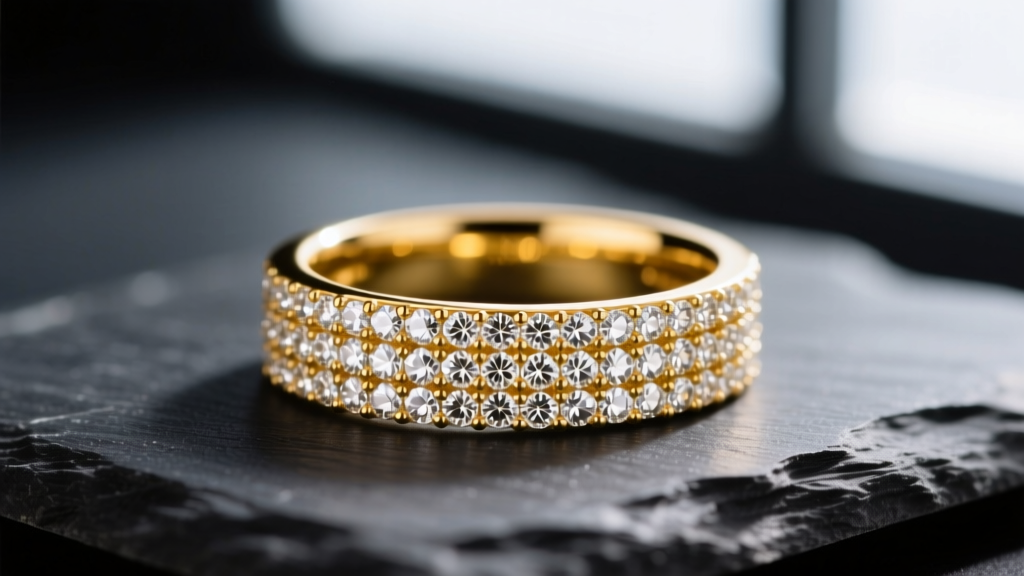
Defining the Boutique Luxury Tier in Fine Jewelry
When navigating the complex spectrum of fashion, demi-fine, and true fine jewelry, discerning collectors eventually reach a ceiling where mass-market prestige gives way to specialized atelier craftsmanship. Kelly Mitchell Fine Jewelry occupies this rarefied stratosphere, representing a compelling case study in the boutique luxury tier. Unlike commercial fashion jewelry, which relies on brass or sterling silver bases with heavy electroplating, or the demi-fine sector that utilizes gold vermeil and lab-grown melee, true fine jewelry demands intrinsic material value and structural permanence. This technical deep dive dissects the metallurgical, gemological, and architectural standards that define the Kelly Mitchell Fine Jewelry aesthetic, offering a rigorous framework for evaluating high-end bespoke pieces in the current market.
Metallurgical Breakdown: Alloy Purity and Structural Integrity
The foundation of any heirloom-grade piece lies in its metallurgy. While the fashion jewelry sector relies on base metals, and demi-fine brands often stretch 10k or 14k gold to maximize profit margins, the luxury boutique tier strictly adheres to 18-karat gold and platinum alloys. However, the technical execution of these alloys varies wildly between commercial manufacturers and elite jewelers.
The Vickers Hardness Scale and 18k Gold Formulations
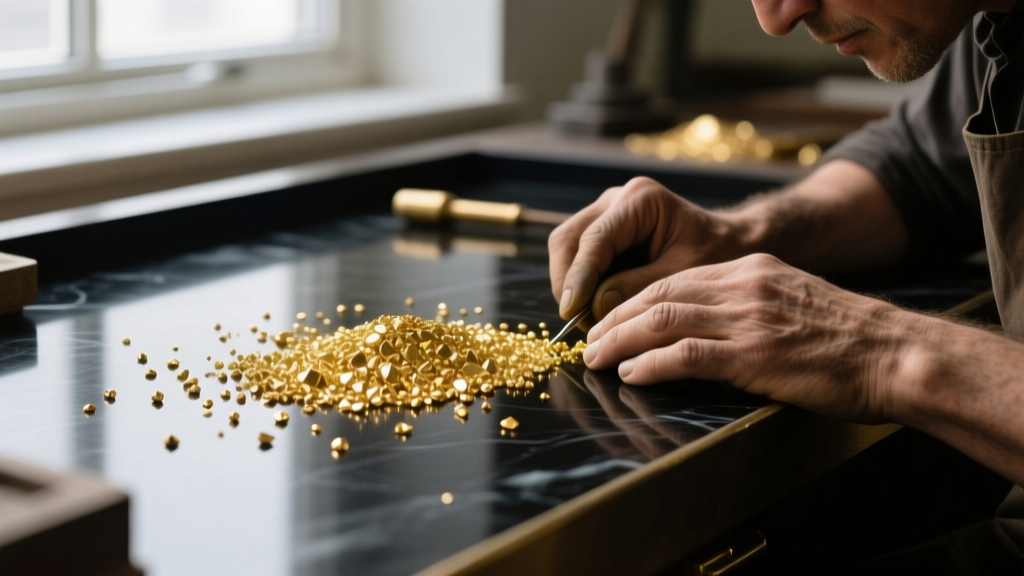
Pure 24k gold is far too malleable for secure gemstone setting, registering a mere 25 on the Vickers hardness scale (HV). To achieve the necessary durability, 18k gold (75% pure gold) is alloyed with metals like copper, silver, zinc, and palladium. In many commercial fine jewelry houses, 18k white gold is alloyed with nickel to increase hardness and achieve a bright white finish, which is then masked with rhodium plating. As the plating wears off, the yellowish-gray undertone of the nickel alloy is exposed. In contrast, elite ateliers producing Kelly Mitchell Fine Jewelry collections frequently utilize palladium-based 18k white gold alloys. While palladium white gold is slightly softer (requiring thicker shank profiles and more robust prong architecture), it possesses a naturally bright, cool-gray hue that eliminates the need for rhodium plating entirely, ensuring the piece ages gracefully over decades.
Platinum Density and Work Hardening
For high-carat center stones, platinum (typically 95% Pt, 5% Ruthenium or Iridium) remains the undisputed champion of fine jewelry. Platinum's density (21.45 g/cm³) provides superior security for delicate pavé settings. Furthermore, platinum exhibits a unique property known as work hardening. When a master jeweler hand-forges and burnishes a platinum prong, the metal's crystalline lattice compresses, actually increasing its tensile strength at the exact point of stress. This is a critical technical advantage over cast white gold, which can become brittle and prone to micro-fractures over time.
Gemological Standards: The Melee Discrepancy
While consumers are trained to scrutinize the GIA or AGS grading reports of a center diamond, the true hallmark of a luxury piece like those found in Kelly Mitchell Fine Jewelry collections lies in the ungraded accent stones, known in the trade as 'melee'. Melee diamonds (typically ranging from 0.005 to 0.18 carats) make up the halos, pavé bands, and gallery accents of a ring.
Calibration and Color Matching
In commercial and demi-fine jewelry, manufacturers routinely use commercial-grade melee (I-J color, I1-I2 clarity) to cut costs. Because these stones are so small, the inclusions are difficult to see with the naked eye, but the warm, yellowish tint of I-J melee will visibly clash with a D-F color center stone, creating a disjointed, muddy appearance. Elite fine jewelers enforce strict calibration protocols. According to the Gemological Institute of America (GIA), the optical performance of a diamond is heavily dependent on its cut quality, regardless of carat weight. High-end ateliers mandate that all melee stones be full-cut (57 or 58 facets) rather than single-cut (17 or 18 facets), ensuring that the scintillation of the pavé matches the brilliance of the primary gemstone. Furthermore, the melee is hand-sorted to match the exact body color of the center stone, typically requiring F-G color and VS clarity melee for luxury tier pieces.
Construction Techniques: Hand-Fabrication vs. Precision Casting
The method by which a piece of jewelry is formed dictates its longevity, repairability, and ultimate value. The vast majority of the fashion and commercial fine jewelry market relies on lost-wax casting via CAD/CAM technology. While modern 3D printing has improved casting resolution, the process inherently introduces risks of porosity—microscopic gas bubbles trapped within the metal as it cools in the flask. Porosity weakens the structural integrity of the prongs and gallery wire, making the piece susceptible to cracking during resizing or daily wear.
The Architecture of Hand-Forged Settings
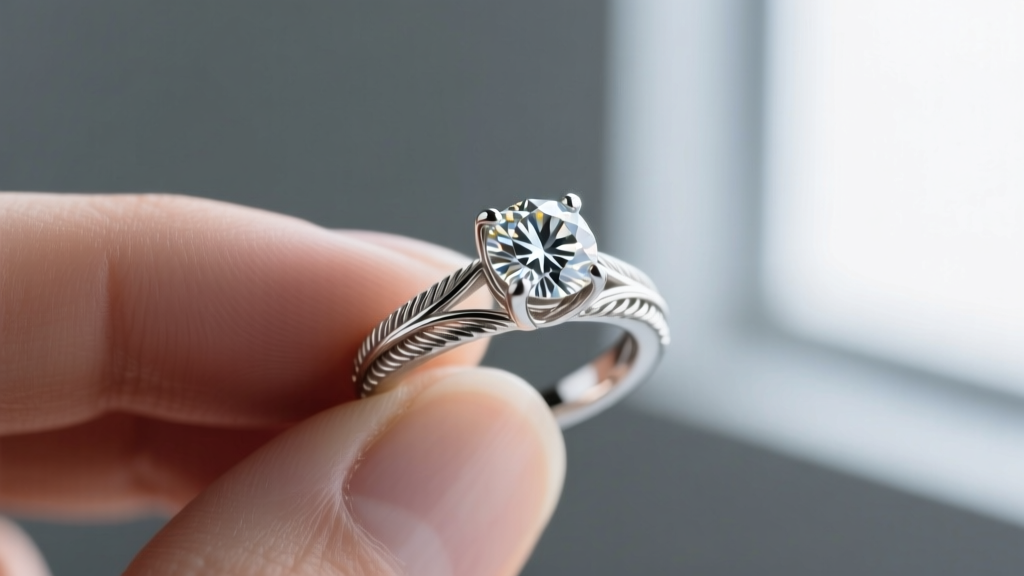
True luxury fine jewelry, particularly bespoke commissions and high-end signature pieces, often employs hand-fabrication or hybrid construction techniques. Hand-fabrication involves rolling out metal stock, drawing wire, and physically shaping the components using saws, files, and torches. This aligns the metal's grain structure, resulting in a denser, more durable setting. When evaluating a piece of Kelly Mitchell Fine Jewelry, an expert will look for specific architectural hallmarks:
- Cut-Down Prongs: Instead of cast, rounded beads, the prongs are meticulously carved from a solid wall of metal, creating a crisp, geometric profile that catches the light and secures the girdle of the diamond with minimal metal visibility.
- Gallery Wire Integration: The structural under-bezel (gallery) is constructed from custom-drawn wire rather than cast in place, allowing for intricate milgrain detailing that remains sharp and defined.
- Blind Settings and Clean Backs: High-end pieces feature open, polished galleries that allow maximum light return to the pavilion of the diamonds, rather than the closed-back, hollowed-out castings common in lower-tier jewelry.
Market Positioning: Data Comparison Across Jewelry Tiers
To contextualize the technical superiority of the boutique fine jewelry tier, it is essential to compare the material and construction standards against fashion and demi-fine alternatives. The following table outlines the critical differentiators that justify the investment-grade pricing of luxury ateliers.
| Feature | Fashion / Costume | Demi-Fine | Boutique Luxury (e.g., Kelly Mitchell Fine Jewelry) |
|---|---|---|---|
| Base Metal | Brass, Stainless Steel | Sterling Silver, 10k/14k Gold | 18k Palladium White/Yellow Gold, 950 Platinum |
| Surface Treatment | Gold-tone plating, PVD | Heavy Gold Vermeil, Rhodium flash | Solid alloy, hand-polished, no plating required |
| Melee Quality | CZ, Moissanite, Glass | Lab-grown, Single-cut I-J/SI | Natural, Full-cut F-G/VS, color-matched |
| Construction | Stamped, Soldered, Cast | CAD/CAM Lost-Wax Cast | Hand-fabricated, hybrid cast, cut-down settings |
| Longevity | 1-3 Years (tarnish, wear) | 5-10 Years (requires replating) | Generational (Heirloom-grade, easily restored) |
Investment Value and Secondary Market Retention
While jewelry is rarely a liquid financial asset in the traditional sense, the secondary market retention of boutique fine jewelry significantly outperforms commercial and fashion alternatives. According to industry analyses featured in JCK Online, signed pieces from reputable, technically proficient ateliers maintain a much higher percentage of their intrinsic and artistic value compared to unsigned, mass-produced mall jewelers. The technical rigor applied to Kelly Mitchell Fine Jewelry—specifically the use of un-plated palladium white gold, full-cut calibrated melee, and hand-forged structural elements—ensures that the piece does not merely survive the secondary market, but is actively sought after by collectors who understand the cost and rarity of such master craftsmanship.
'The true cost of fine jewelry is not found in the carat weight of the center stone, but in the hundreds of hours of bench time required to execute flawless pavé, precise stone calibration, and structural metal integrity.' — Master Bench Jeweler
Final Verdict for the Technical Collector
For the collector who views jewelry through a technical lens, the transition from fashion and demi-fine into the realm of Kelly Mitchell Fine Jewelry represents a shift from purchasing decorative accessories to acquiring master-crafted metallurgical art. The uncompromising adherence to 18k and platinum alloys, the insistence on full-cut, color-matched melee, and the architectural superiority of hand-finished settings provide a level of permanence that lower tiers simply cannot replicate. When evaluating luxury jewelry, always look past the brand name and examine the gallery wire, the prong profiles, and the alloy composition. It is in these microscopic details that the true value of fine jewelry is forged.


