Wholesale Fashion Jewelry Suppliers No Minimum Order Required (2026)
Discover top wholesale fashion jewelry suppliers no minimum order required in 2026. Learn material grades, plating standards, and sourcing strategies.

The Evolution of Zero-Minimum Sourcing in 2026
The landscape of jewelry sourcing has shifted dramatically over the past few years. Historically, boutique owners and independent designers were locked into high Minimum Order Quantities (MOQs), often requiring purchases of 300 to 500 units per SKU just to access wholesale pricing. Today, the rise of agile manufacturing and on-demand dropshipping networks has democratized access to the market. Finding reliable wholesale fashion jewelry suppliers no minimum order required is no longer a myth; it is a strategic necessity for testing new collections, validating demi-fine crossovers, and managing cash flow in a volatile economy.
However, the absence of an MOQ often introduces a hidden tax: compromised quality control. When factories do not have the financial buffer of a massive production run, the temptation to cut corners on base metals and plating thickness increases. This guide serves as your definitive blueprint for navigating zero-MOQ sourcing, ensuring that the fashion pieces you acquire meet the rigorous standards of modern consumers who increasingly expect demi-fine longevity from their everyday accessories.
Decoding Quality Tiers: What "Fashion" Actually Means
In the jewelry industry, the term "fashion jewelry" is an umbrella that covers everything from highly reactive zinc alloys to expertly plated brass and surgical steel. To vet suppliers effectively, you must look past the aesthetic and demand exact material specifications. A supplier unwilling to disclose their base metal or plating method is an immediate red flag.
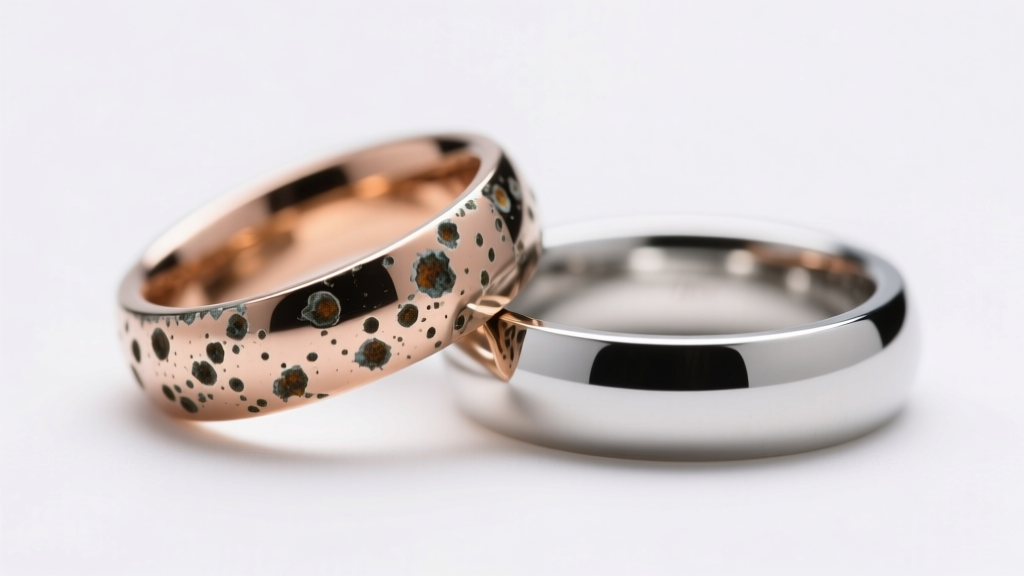
The longevity of a fashion piece is dictated by two factors: the porosity of the base metal and the micron thickness of the plating. Zinc alloy (often referred to as Zamak) is cheap and easy to cast, but it is inherently porous. Over time, the base metal oxidizes and pushes through the plating, causing pitting and green skin. Brass is a superior alternative, offering a smoother surface that holds electroplating well. For the highest tier of fashion jewelry that borders on demi-fine, 316L stainless steel is the gold standard, particularly when paired with PVD (Physical Vapor Deposition) coating.
| Base Material | Plating Method | Average Thickness | Estimated Lifespan | Wholesale Cost (per unit) |
|---|---|---|---|---|
| Zinc Alloy (Zamak) | Flash Electroplating | 0.1 - 0.3 microns | 1 - 3 months | $1.50 - $3.00 |
| Brass (CuZn39) | E-Coat + Electroplating | 0.5 - 1.0 microns | 6 - 12 months | $4.00 - $8.50 |
| 316L Surgical Steel | PVD (Physical Vapor Deposition) | 1.0 - 2.0 microns | 2+ years | $6.00 - $14.00 |
Vetting Wholesale Fashion Jewelry Suppliers No Minimum Order Required
When you search for wholesale fashion jewelry suppliers no minimum order required, you will inevitably encounter a mix of legitimate agile manufacturers, middlemen trading companies, and outright dropshipping scams. To separate the experts from the amateurs, you must implement a strict vetting protocol. Do not rely solely on the polished storefronts on platforms like Alibaba or Faire; dig into their technical capabilities.
- The Hypoallergenic Interrogation: Ask the supplier specifically if their earring posts are 316L steel, titanium, or sterling silver. Many suppliers will use cheap, nickel-heavy alloy posts on otherwise well-made brass earrings to save fractions of a cent, resulting in immediate customer complaints regarding earlobe irritation.
- Plating Verification: Request a "plating report" or a cross-section microscopic image of their standard brass items. Reputable factories keep these on hand to prove their 1-micron gold claims. If they offer "lifetime color retention" on a $3 brass ring, they are lying.
- Chain Sourcing Transparency: A common failure point in fashion necklaces is the chain. Suppliers often use high-quality pendants but source the cheapest, most brittle Rolo or cable chains available. Always ask if the chain matches the pendant in both base metal and plating grade.
The Sample-First Protocol
Never commit to a full boutique launch without a physical sample test, even when the MOQ is zero. Order 3 to 5 pieces from different categories (e.g., a cast ring, a stamped pendant, and a pair of hoop earrings). Upon receipt, perform the "tape test" and the "water test." Apply a piece of clear adhesive tape to the surface and rip it off; poor flash plating will flake immediately. Submerge a piece in warm, mildly soapy water for 48 hours. If the brass or zinc base begins to weep through the gold or silver tone, the supplier's e-coating process is inadequate.
Navigating Compliance and Hypoallergenic Standards
Selling fashion jewelry in 2026 requires strict adherence to international chemical safety regulations. The days of importing untested, lead-heavy costume jewelry are over, and customs agencies are increasingly seizing non-compliant shipments. According to the Federal Trade Commission (FTC) guidelines, misrepresenting metal content or failing to disclose harmful alloys can result in severe penalties.
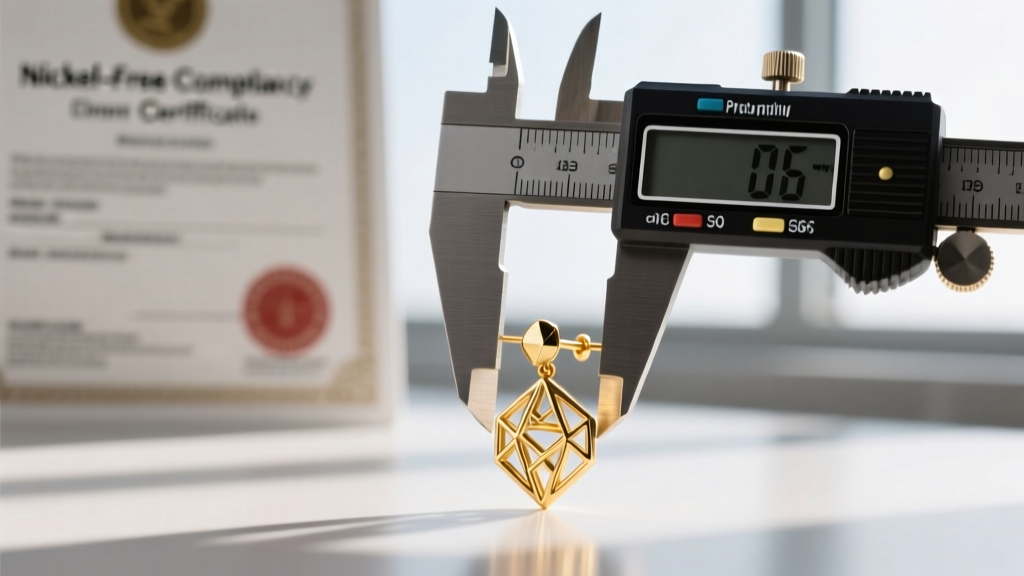
Furthermore, if you plan to scale globally or sell to environmentally conscious demographics, you must understand EU REACH compliance. The European Chemicals Agency (ECHA) mandates that nickel migration from jewelry in prolonged contact with the skin must not exceed 0.5 µg/cm²/week. When communicating with zero-MOQ suppliers, use the exact phrase: "Do your items pass the EN 1811 nickel migration test and California Prop 65 lead limits?" Their reaction to this highly specific technical jargon will immediately reveal their manufacturing maturity.
Profit Margins and Pricing Frameworks
The primary advantage of utilizing suppliers with no minimum order requirements is the ability to maintain a lean inventory while testing high-margin items. However, the per-unit cost is naturally higher than bulk manufacturing. To maintain profitability, you must position your fashion jewelry correctly within the market's psychological pricing tiers.
Industry Standard Markup: For agile-sourced fashion jewelry, the standard retail markup ranges from 3.5x to 5x the landed cost (product cost + shipping + packaging). If a PVD-plated stainless steel ring costs you $8.00 landed, a retail price of $38.00 to $45.00 is optimal. Pricing it too low signals poor quality, while pricing it above $60 pushes it into the demi-fine category, where consumers will demand solid gold or sterling silver instead.
Invest heavily in your unboxing experience. A $1.50 rigid drawer box with a custom foam insert and an anti-tarnish care card can elevate a $6 wholesale fashion piece into a $45 premium brand experience. The perceived value of fashion jewelry is inextricably linked to its presentation and the educational materials provided regarding its care.
Final Sourcing Checklist for Boutique Owners
As you build your supply chain for the upcoming seasons, keep this rapid-fire checklist at your desk. It will save you from the most common pitfalls associated with zero-MOQ fashion jewelry sourcing:
- Confirm the exact base metal (avoid zinc alloys for rings and bracelets due to high friction and wear).
- Verify the earring post material (must be surgical steel, titanium, or 925 silver).
- Demand proof of anti-tarnish e-coating for all brass items.
- Ensure packaging includes anti-tarnish paper if items are shipped directly via dropshipping.
- Request third-party lab test summaries for Nickel and Lead compliance.
By prioritizing material science and compliance over mere aesthetic trends, you can successfully leverage wholesale fashion jewelry suppliers no minimum order required to build a resilient, profitable, and highly respected jewelry brand in 2026 and beyond.


