Maintaining Pieces From Top Fine Jewelry Wholesale Suppliers 2026
Discover expert care, cleaning, and maintenance tips for inventory sourced from top fine jewelry wholesale suppliers in 2026.

The Hidden Costs of Poor Inventory Maintenance
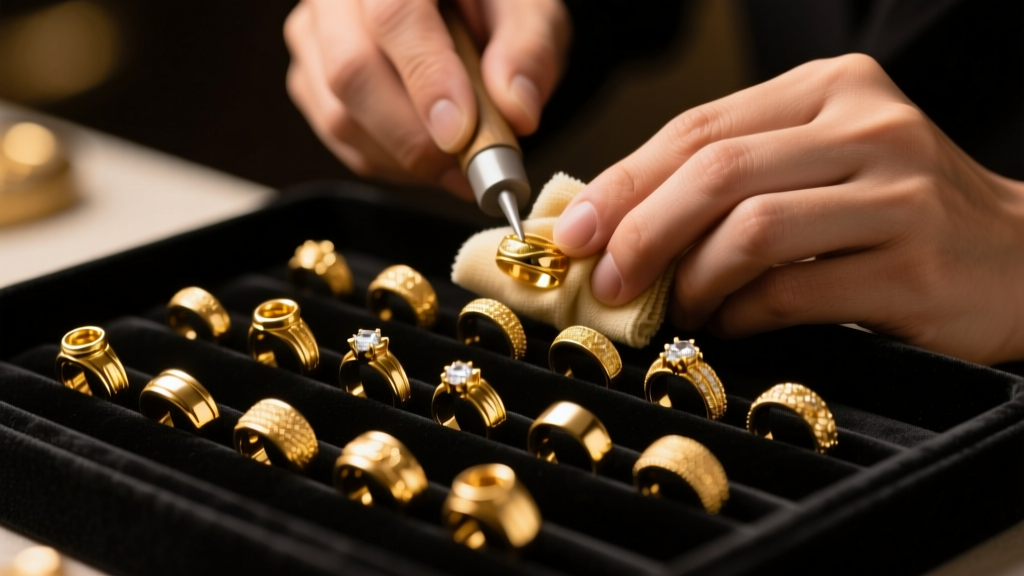
Sourcing high-quality inventory from the top fine jewelry wholesale suppliers 2026 has transformed the landscape for independent boutique owners and serious private collectors. However, acquiring premium 18k gold, platinum, and untreated gemstone lots is only the first step. The true challenge lies in preserving the mint condition of these pieces from the moment they arrive in bulk packaging to the second they are clasped onto a client's wrist. Poor inventory maintenance doesn't just result in superficial tarnish; it leads to structural degradation, compromised prong tension, and catastrophic gemstone fallout.
When dealing with wholesale fine jewelry, you are often managing hundreds of SKUs simultaneously. A one-size-fits-all approach to cleaning—such as tossing an entire lot of mixed-metal and mixed-gemstone rings into a commercial ultrasonic cleaner—is a recipe for disaster. Ultrasonic cavitation can shatter fracture-filled diamonds, strip the cedar oil from Colombian emeralds, and loosen the melee stones in pavé settings. To protect your investment and maintain the integrity of your inventory, you must adopt a metallurgical and gemological approach to care and maintenance.
Material-Specific Cleaning Protocols for Wholesale Lots
Different precious metals react uniquely to environmental stressors, skin oils, and cleaning agents. Understanding the exact alloy composition of your wholesale lots is critical for proper maintenance.
18K and 22K Gold Alloys
Pure 24k gold is too soft for daily wear, which is why wholesale suppliers alloy it with metals like copper, silver, zinc, and palladium. An 18k yellow gold piece contains 75% gold, typically 12.5% copper, and 12.5% silver. The copper content is what makes these alloys susceptible to oxidation and tarnishing, especially when exposed to sulfur compounds in the air or chlorine in tap water.
- Rose Gold (High Copper): 18k rose gold can contain up to 22.25% copper. This high copper ratio makes it highly prone to surface oxidation. Never clean rose gold with ammonia-based solutions, as ammonia can cause stress corrosion cracking in high-copper alloys.
- White Gold (Nickel or Palladium): Most 18k white gold is rhodium-plated. Aggressive polishing with abrasive rouge will strip the rhodium layer, exposing the slightly yellowish underlying alloy. Use only non-abrasive, surfactant-based liquid cleaners.
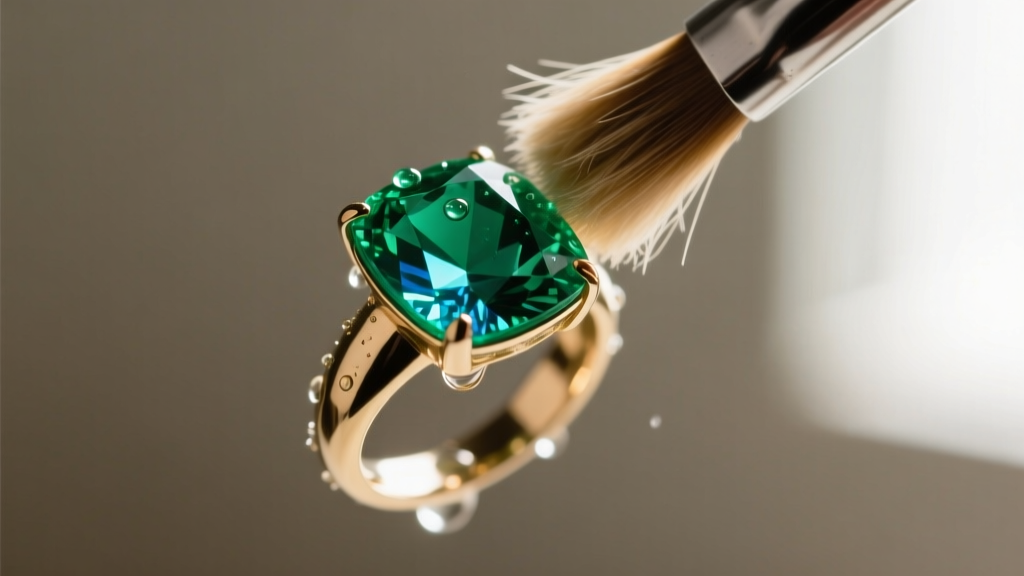
For routine cleaning of gold lots, use a solution of lukewarm distilled water and a few drops of phosphate-free dish soap. Agitate gently with a soft goat-hair brush, rinse in distilled water, and dry immediately with a lint-free microfiber cloth to prevent water spotting.
Platinum and Palladium
Platinum is a dense, heavy metal that behaves differently than gold when scratched. Instead of losing metal, platinum displaces it, creating a satiny finish known as a 'patina.' While some clients love this look, wholesale inventory must remain in pristine, high-polish condition for retail display.
Unlike gold polishing, which removes microscopic layers of metal, burnishing platinum compresses the displaced metal back into the scratch, preserving the structural integrity and weight of the piece.
When prepping platinum lots received from the top fine jewelry wholesale suppliers 2026, avoid aggressive buffing wheels. Instead, use a polished agate burnisher or a specialized platinum polishing compound (like aluminum oxide) on a soft muslin wheel to restore the mirror finish without compromising the prongs.
Gemstone Care: What Wholesale Certificates Don't Tell You
Wholesale certificates from labs like GIA or AGS provide crucial data on carat weight, color, and clarity, but they rarely include practical maintenance warnings. A gemstone's Mohs hardness scale rating is only one piece of the puzzle; tenacity (resistance to breaking) and cleavage (tendency to split along structural planes) are equally important when cleaning inventory.
| Gemstone | Mohs Hardness | Tenacity & Cleavage | Ultrasonic Safe? | Steam Safe? | Specific Care Warning |
|---|---|---|---|---|---|
| Emerald | 7.5 - 8 | Brittle, Poor Cleavage | No | No | Often oil/fracture-filled. Heat and ultrasonics will strip fillers and cause shattering. |
| Tanzanite | 6.5 - 7 | Brittle, Perfect Cleavage | No | No | Thermal shock from steam cleaners can cause immediate cleavage splitting. |
| Opal (Ethiopian) | 5.5 - 6.5 | Brittle, No Cleavage | No | No | Highly porous. Absorbs water and chemicals, leading to permanent crazing and color loss. |
| Sapphire | 9 | Tough, No Cleavage | Yes (Usually) | Yes | Fracture-filled or lattice-diffused sapphires should avoid harsh acids and prolonged heat. |
| Diamond | 10 | Tough, Perfect Cleavage | Yes | Yes | A hard blow along the octahedral cleavage plane can chip the girdle during setting. |
According to the Gemological Institute of America (GIA), emeralds require exceptionally gentle care due to their natural inclusions and standard industry treatments. When processing wholesale emerald jewelry, never use ultrasonic machines. Instead, wipe them gently with a damp, untreated microfiber cloth. For deeper cleaning of safe stones like diamonds and sapphites, commercial ultrasonic cleaners are highly efficient, provided the settings are checked for loose melee stones beforehand.
Sourcing and Storage: Preserving Mint Condition Before the Sale
How you store your wholesale inventory is just as critical as how you clean it. When lots arrive from the top fine jewelry wholesale suppliers 2026, they are often packed tightly in polybags or basic velvet pouches. Leaving them in these environments long-term will accelerate tarnishing and scratching.
Climate and Humidity Control
Silver and low-karat gold alloys tarnish rapidly in high-humidity environments. Your inventory storage room or vault should maintain a relative humidity (RH) between 40% and 50%. Invest in commercial-grade dehumidifiers and monitor the space with digital hygrometers.
Anti-Tarnish Solutions
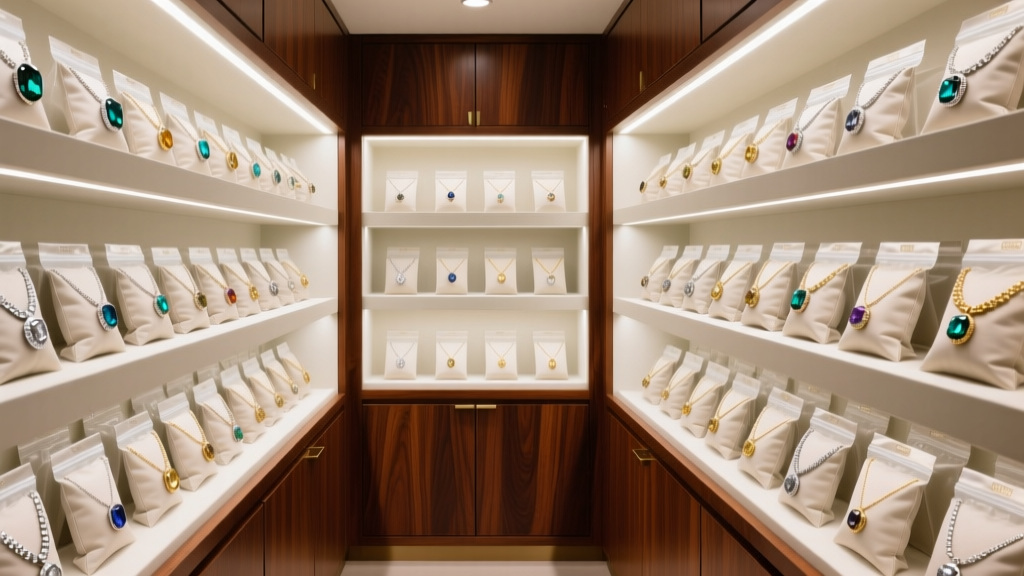
Transition your wholesale pieces into individual, sealable anti-tarnish bags infused with corrosion inhibitors. For open-air display cases, utilize activated charcoal or specialized anti-tarnish strips (such as 3M Anti-Tarnish Strips), which absorb airborne sulfur compounds and hydrogen sulfide. Replace these strips every 3 to 6 months, depending on the foot traffic and air exchange rate of your boutique.
Preventing Micro-Scratches in Display
Never store or display wholesale jewelry in bulk bins where pieces can rub against one another. Diamonds, with a Mohs hardness of 10, will easily scratch the rhodium plating on white gold or the polished surface of platinum. Use individual padded slots or soft felt inserts in your display trays. For high-value wholesale pieces, consider individual acrylic or glass-topped display boxes to prevent dust accumulation and minimize the need for frequent handling and cleaning.
Client Education: Turning Care Instructions into Brand Loyalty
The maintenance lifecycle doesn't end when the piece is sold. Educating your clients on proper care reduces the likelihood of them returning with damaged jewelry and blaming the manufacturing quality. According to Rio Grande's technical guides on finishing, improper consumer cleaning is a leading cause of post-sale jewelry damage.
Include a specialized care card with every purchase, detailing the specific alloy and gemstone maintenance requirements. For example, if a client purchases an 18k rose gold ring with a pavé diamond band, explicitly warn them against wearing it in chlorinated pools or hot tubs, as chlorine reacts with the copper and zinc alloys, causing irreversible brittleness and prong failure. By providing this level of granular, expert advice, you elevate your brand from a simple retailer to a trusted authority in fine jewelry stewardship.


