2026 Gift Guide: Choosing Cremated Ashes Jewelry for Loved Ones
Discover our 2026 gift guide for cremated ashes jewelry. Learn occasion matching, material differences, and chain sizing for memorial gifts.

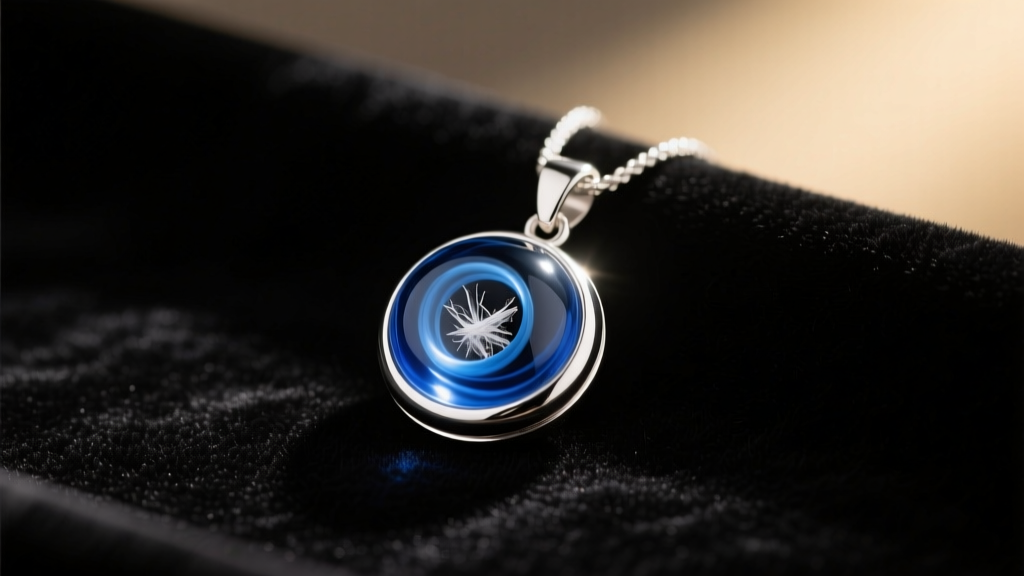
Gifting memorial jewelry is an act of profound empathy and emotional intelligence. When selecting cremated ashes jewelry for a grieving friend, partner, or family member, you are not merely purchasing an accessory; you are curating a wearable sanctuary. In 2026, the memorial jewelry market has evolved far beyond simple urn necklaces into highly customized, artisan-crafted pieces that seamlessly blend high-end metallurgy with deeply personal keepsakes. However, navigating the technical specifications, material longevity, and emotional timing of such a gift requires careful consideration. This comprehensive guide will help you match the perfect piece to the right occasion while ensuring the structural integrity and aesthetic beauty of the jewelry for decades to come.
Occasion Matching: When to Gift Memorial Keepsakes
The timing of gifting cremated ashes jewelry is just as critical as the piece itself. Grief is non-linear, and presenting a deeply personal memorial item at the wrong time can overwhelm the recipient. Here is a framework for matching the gift to the appropriate milestone.
The First Major Holiday or Birthday
The first holiday season or birthday following the loss of a loved one is often the most psychologically taxing period for the bereaved. A subtle, minimalist memorial ring or a small glass-bezel pendant serves as a comforting physical anchor during emotionally triggering gatherings. For these occasions, opt for pieces that sit close to the pulse point—such as a delicate 16-inch choker chain or a simple band ring—allowing the wearer to touch the piece discreetly for grounding without drawing unwanted attention from acquaintances.
Milestone Anniversaries and Mother’s or Father’s Day
Significant anniversaries or parental holidays are ideal moments for more elaborate, statement-making cremated ashes jewelry. Because the initial shock of grief has often settled into a more reflective remembrance, recipients are usually more open to wearing visible, conversation-starting pieces. Consider commissioning a custom lampwork glass pendant featuring the loved one’s birthstone color palette, or a wide-cuff bracelet with an interior hidden compartment engraved with a significant date.
The Material Matrix: Resin, Glass, and Metal Inlay
Not all cremated ashes jewelry is created equal. The medium used to encapsulate or integrate the remains dictates the piece's lifespan, care requirements, and price point. Understanding the chemistry and craftsmanship behind these materials is essential for selecting a gift that will endure.
| Material Type | Creation Process | Longevity & Risks | Average Price Range |
|---|---|---|---|
| Epoxy Resin | Cold-cast mixing of ashes into liquid polymer, poured into silicone molds. | Prone to UV yellowing unless treated with HALS (Hindered Amine Light Stabilizers). Scratches easily. | $60 - $150 |
| Borosilicate Glass | Lampwork or kiln-firing at 1200°F+ alters ash carbon, integrating it into metallic oxides. | Highly durable, shatter-resistant, and UV-proof. Ashes turn brilliant white or blend into glass colors. | $150 - $400 |
| Metal Inlay / Bezel | Ashes are sealed in a hollow cavity or mixed with a binding agent behind a glass/crystal window. | Extremely secure. Risk lies in the seal failing if dropped on hard surfaces, compromising the cavity. | $120 - $300 |
| Memorial Diamonds | Carbon extracted from ashes is subjected to HPHT (High Pressure High Temperature) lab conditions. | Indestructible. True gemstone quality, but requires significant lead time (6-10 months). | $1,500 - $5,000+ |
When shopping for resin pieces, always inquire about the specific UV inhibitors used. According to jewelry conservation standards, standard craft resins will amber within 12 to 18 months of daily sun exposure. High-end memorial artisans utilize aerospace-grade polyurethanes or add specialized HALS chemical packages to ensure the resin remains crystal clear indefinitely. For a gift meant to last a lifetime, Jewelers of America recommends prioritizing kiln-fired borosilicate glass or solid metal inlays over cold-cast resins due to their superior Mohs hardness ratings and thermal stability.
Technical Sizing: Selecting the Right Chain and Bail
A common failure mode in memorial jewelry is not the pendant itself, but the inadequate chain used to support it. Cremated ashes jewelry, particularly glass and metal inlay pieces, carry a surprising amount of weight. A standard 15-gram glass pendant will quickly snap a flimsy 0.8mm cable chain or warp a soft sterling silver spring-ring clasp.
When selecting or upgrading the chain for your gift, adhere to these structural guidelines:
- Chain Gauge: Opt for a minimum of 1.2mm to 1.5mm thickness. Box chains and rope chains distribute weight more evenly than snake or herringbone chains, which are prone to kinking and snapping under pendant stress.
- Metallurgy: Choose 316L surgical stainless steel, titanium, or solid 14k/18k gold. Avoid gold-plated brass, as the base metal will oxidize from skin acids, weakening the links over time.
- Clasp Security: Never gift a memorial piece with a spring-ring clasp. Insist on a lobster claw clasp or, ideally, a screw-barrel clasp to ensure the piece cannot accidentally unhook during sleep or physical activity.
- Bail Sizing: Ensure the pendant bail (the loop connecting the chain to the piece) has an inner diameter of at least 3mm to accommodate a sturdy chain without causing abrasive friction.
The Ash Transfer Protocol: A Guide for Gifters
If you are commissioning a custom piece, you will likely be responsible for transferring the cremated remains to the artisan. This process requires strict adherence to safety and respect. The Cremation Association of North America (CANA) provides extensive guidelines on the respectful handling and transport of cremains.
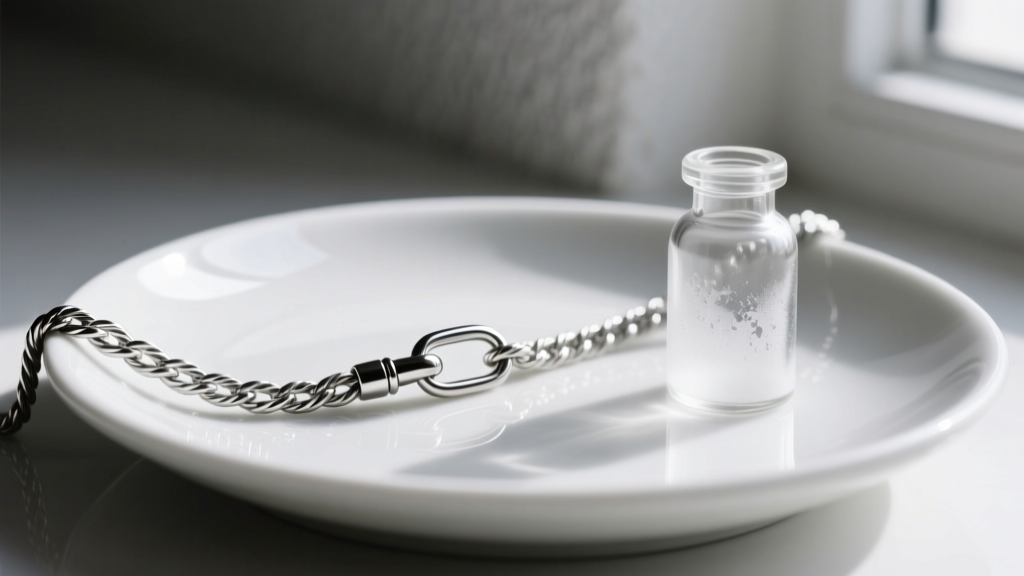
Gifter's Protocol for Ash Transfer: Most jewelry artisans require exactly 1/2 teaspoon (approximately 2.5 ml) of cremated remains. Always use a dedicated, sterile plastic or wooden scoop—never metal, which can introduce static cling or unwanted metallic scratches to the bone fragments. Transfer the ashes into the provided sterile vial over a clean, white paper towel to catch any stray particles, which can then be carefully folded and returned to the primary urn. Seal the vial with the included parafilm or silicone O-ring before packaging.
When shipping the remains to the artist, always use a tracked, insured courier service, and double-bag the vial inside a padded, crush-proof outer container. Label the exterior package discreetly but accurately to comply with postal regulations regarding the transport of cremated materials.
2026 Pricing Tiers and Budgeting
Budgeting for cremated ashes jewelry requires balancing material costs with the artisan's specialized labor. In 2026, the market is segmented into three distinct tiers:
Entry-Level ($60 - $150): This tier primarily features cast resin pendants set in stainless steel or sterling silver. While visually appealing, these pieces require careful maintenance, including removal before showering or swimming, to prevent moisture intrusion and resin degradation.
Mid-Range ($150 - $450): Here you will find artisan lampwork borosilicate glass, hand-blown and kiln-annealed to prevent internal stress fractures. These pieces are often set in custom-forged 14k gold-filled or solid sterling silver bezels and offer exceptional durability for daily wear.
High-End ($800 - $5,000+): The premium tier includes lab-grown memorial diamonds (where carbon is extracted and crystallized), aerospace-grade titanium inlays with precision laser-welding, and pieces incorporating secondary gemstones like ethically sourced sapphires or opals alongside the ashes.
Final Gifting Etiquette
When presenting cremated ashes jewelry, the unboxing experience matters. Avoid flashy, celebratory wrapping. Instead, present the gift in a quiet, private setting. Include a handwritten note detailing the specific material choices you made and why—such as selecting borosilicate glass for its enduring clarity or a specific chain gauge for its unbreakable strength. By combining deep emotional empathy with rigorous technical vetting, your gift will serve as a flawless, enduring tribute to the life being remembered.


