Charlemagne Fine Jewelry: The 2026 Regal Revival Trend
Discover how Charlemagne fine jewelry is dominating 2026 trends. Explore Carolingian motifs, 22k gold standards, cabochon gems, and styling regal relic pieces.

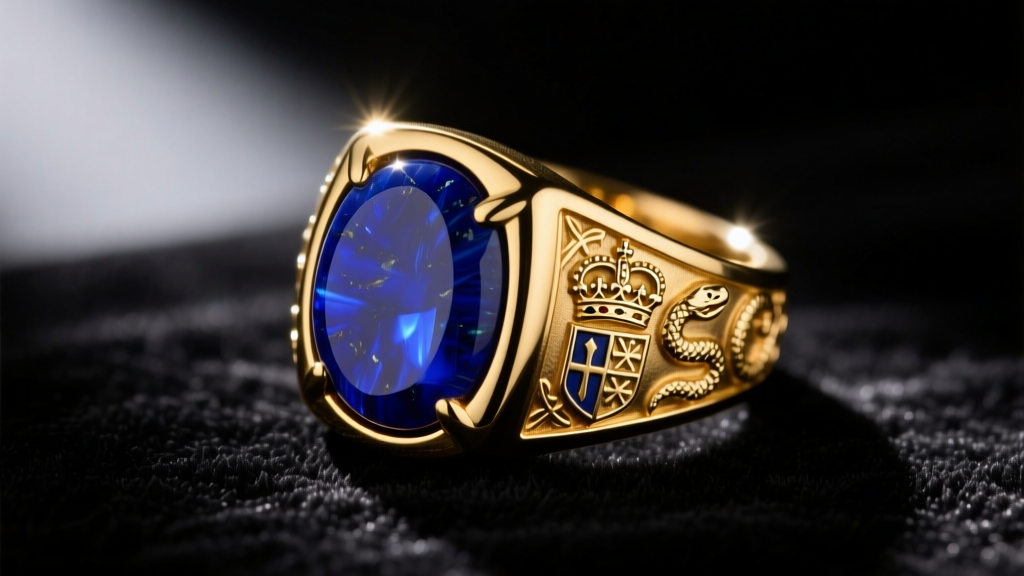
The Rise of Charlemagne Fine Jewelry in 2026
In the landscape of 2026 high jewelry, the delicate, minimalist aesthetics of the early 2020s have been decisively overtaken by a movement steeped in historical weight and architectural grandeur. Enter the era of Charlemagne fine jewelry—a macro-trend that draws direct inspiration from the Carolingian Renaissance and the regal regalia of the Holy Roman Empire. This is not merely a nod to vintage costume pieces; it is a rigorous, high-end revival characterized by heavy-gauge precious metals, raw or cabochon-cut gemstones, and structural motifs that mimic medieval reliquaries and imperial seals.
For collectors and style enthusiasts, understanding the Charlemagne aesthetic requires looking past superficial 'castle-core' tropes and examining the serious metallurgical and gemological choices that define authentic pieces. According to trend forecasts highlighted by the World Gold Council, consumer appetite has shifted dramatically toward high-karat, heritage-style gold that feels like an inherited artifact rather than a mass-produced accessory.
The Metallurgy of Majesty: 22k Gold and Raw Stones
The foundation of any authentic Charlemagne-inspired fine jewelry piece is its metalwork. While standard contemporary fine jewelry relies heavily on 14k or 18k gold for durability, the 2026 regal revival champions 22k gold (91.6% purity) and, in some bespoke cases, pure 24k gold accents.
The Engineering Challenge of High-Karat Gold
Working with 22k gold presents unique engineering challenges. On the Vickers hardness scale, 18k gold sits at approximately 130 HV, while 22k gold drops to around 70-90 HV. This inherent softness means that jewelers crafting Charlemagne-style signet rings or heavy chainmail links must increase the structural dimensions of the piece. Expect shank thicknesses to start at a minimum of 2.5mm, with broad, reinforced shoulders to prevent the ring from warping under daily wear. The result is a piece with a substantial, satisfying heft that modern lightweight jewelry simply cannot replicate.
Cabochons and Uncut Gemstones
Faceted, brilliant-cut diamonds take a backseat in this trend. Instead, the Charlemagne aesthetic favors cabochon cuts and uncut (rough) diamonds. The Gemological Institute of America (GIA) notes that cabochon cutting is historically significant for opaque or highly included stones, as the smooth, domed surface maximizes color saturation and optical phenomena like asterism or chatoyancy. Deep blue lapis lazuli, malachite, and garnet cabochons are frequently set in thick, bezel settings—which not only mirrors historical metalwork but also protects the softer stones from chipping.
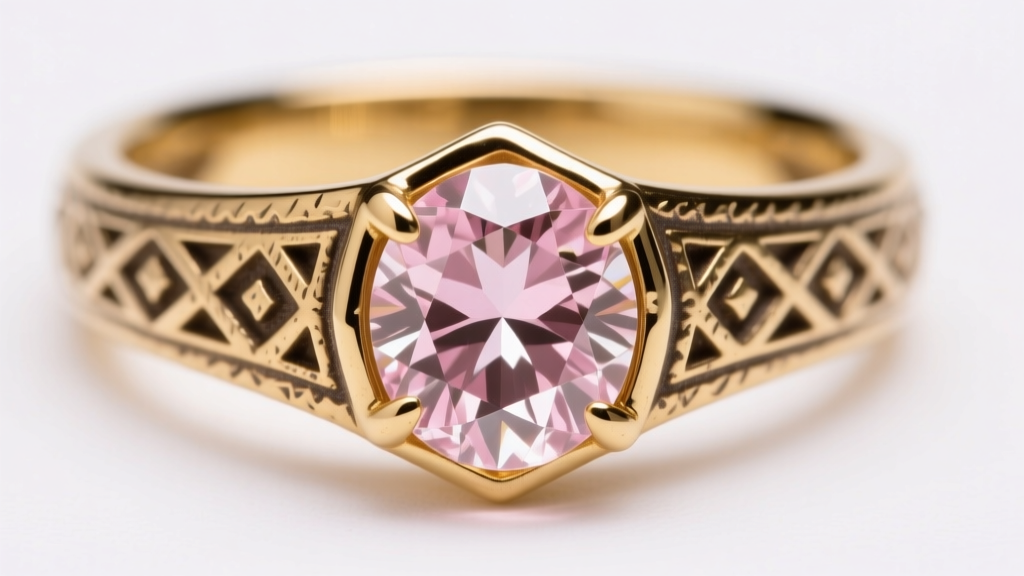
Core Motifs Defining the 2026 Charlemagne Aesthetic
To accurately identify or source Charlemagne fine jewelry, one must recognize the specific architectural and historical motifs that designers are adapting for modern wear. The Metropolitan Museum of Art's Medieval Collection serves as a primary reference point for contemporary artisans studying these forms.
- The Relic Cross: Moving away from simple, thin crosses, these pieces feature flared, architectural arms, often adorned with granulation or filigree work that mimics 9th-century reliquary pendants.
- The Imperial Signet: Flat, expansive bezels featuring intaglio carvings or family crests. The face of the ring is typically geometric—octagonal or shield-shaped—rather than perfectly round.
- Carolingian Chainmail: Necklaces and bracelets constructed from interlocking, heavy-gauge links. Unlike delicate cable chains, these links are often flattened, hammered, or feature a 'boat-link' design that lays flush against the collarbone.
- Fleur-de-lis and Acanthus Leaves: Used as structural gallery supports beneath the main gemstone, providing a hidden layer of ornate detailing that elevates the piece from mere jewelry to wearable sculpture.
Market Analysis: Pricing and Investment Tiers
Because of the high gold weight and specialized lapidary work required, Charlemagne fine jewelry commands a premium. Below is a comparative analysis of standard contemporary fine jewelry versus the 2026 Charlemagne heritage pieces.
| Metric | Standard Contemporary Fine | Charlemagne Heritage Fine |
|---|---|---|
| Primary Gold Purity | 14k (58.5%) or 18k (75%) | 22k (91.6%) |
| Average Ring Weight | 3.5g - 6.0g | 12.0g - 25.0g+ |
| Dominant Gemstone Cut | Brilliant / Step Faceted | Cabochon / Rose Cut / Rough |
| Setting Style | Prong / Pave | Thick Bezel / Gypsy |
| Entry Price Point (USD) | $800 - $1,500 | $3,500 - $6,000 |
| Bespoke / High-End Tier | $5,000 - $15,000 | $18,000 - $45,000+ |
Failure Modes and Maintenance of Regal Relics
Owning heavy, high-karat historical jewelry requires specific maintenance protocols. The very traits that make Charlemagne fine jewelry desirable also introduce unique failure modes if not properly cared for.
Expert Warning: Never use ultrasonic cleaners on uncut or rough diamonds. The natural crevices and raw facets of a rough stone trap grease and dirt; ultrasonic vibrations can fracture the stone along its natural cleavage planes. Instead, use a soft brush with warm, mild soapy water.
Furthermore, because 22k gold is highly malleable, prong settings are generally avoided by master jewelers in this genre. If you do acquire a piece with high-karat prongs, expect them to require re-tipping and tightening by a professional jeweler at least once a year. Bezel settings remain the gold standard for securing cabochons in heavy-wear items like signet rings.
Styling Regal Relics for the Modern Wardrobe
The key to pulling off the Charlemagne aesthetic in 2026 without looking like you are wearing a theatrical costume is stark contrast. The heavy, ornate nature of Carolingian metalwork demands a minimalist canvas.

Pair a heavy, 22k gold relic cross pendant with a crisp, unadorned white poplin shirt or a fine-gauge black merino turtleneck. Avoid mixing these statement pieces with other highly detailed accessories; let the architectural gold do the heavy lifting. For men and women embracing the imperial signet trend, wear the ring on the pinky or index finger to emphasize its structural geometry, keeping the rest of the hand free of competing bands. By treating Charlemagne fine jewelry as wearable art rather than mere decoration, you anchor the historical weight of the pieces firmly in contemporary, high-fashion relevance.


