Leading Fashion Jewelry Brands Defining 2026 Trends
Discover how leading fashion jewelry brands are shaping 2026 trends with PVD plating, bio-resins, and sculptural silhouettes.

The Evolution of the Accessory: Beyond Costume Jewelry
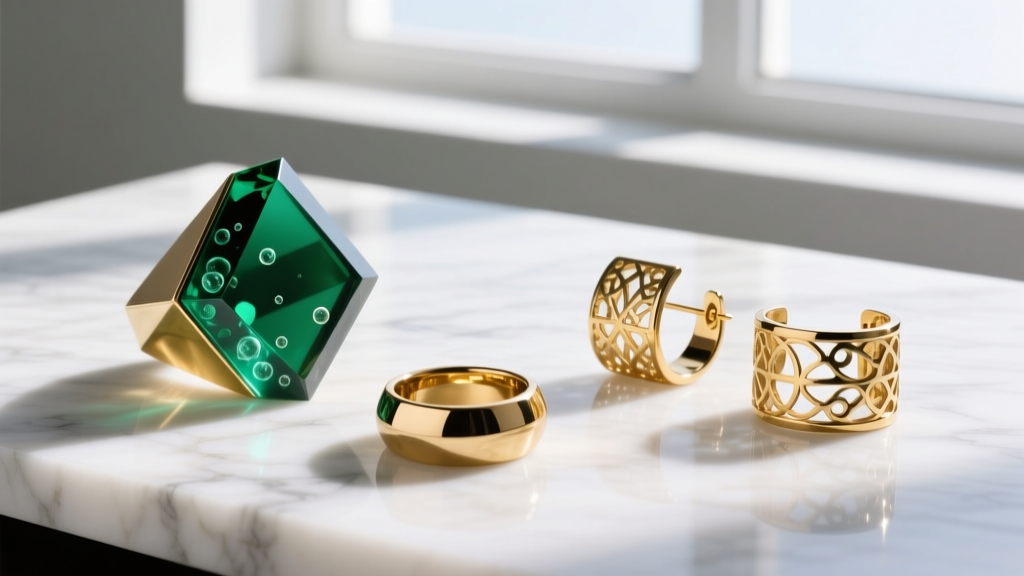
The landscape of accessorizing has undergone a radical transformation over the last decade, culminating in a highly sophisticated market in 2026. The antiquated term 'costume jewelry' no longer applies to the output of today's leading fashion jewelry brands. Instead, we are witnessing the rise of 'elevated fashion jewelry'—a sector that bridges the gap between fleeting trend-driven impulse buys and heirloom fine jewelry. Today's top fashion jewelry brands are no longer relying on cheap zinc alloys and flash plating that turns skin green within a week. They are investing heavily in material science, sustainable sourcing, and architectural silhouettes that rival high-end designer houses. According to recent market analyses by Business of Fashion, the fashion jewelry sector has seen a 22% year-over-year growth, driven primarily by consumers seeking high-impact, modular pieces that offer luxury aesthetics without the prohibitive price tags of solid 18k gold or platinum.
For style analysts and jewelry enthusiasts, understanding the nuances of this market requires looking past the surface shine. It demands a deep dive into the metallurgy, the plating technologies, and the design philosophies that separate a premium fashion piece from a disposable fast-fashion trinket. In this comprehensive trend analysis, we dissect the material innovations, the dominant 2026 silhouettes, and the specific brands that are currently dictating the global fashion jewelry conversation.
Material Science: The Foundation of 2026 Fashion Jewelry
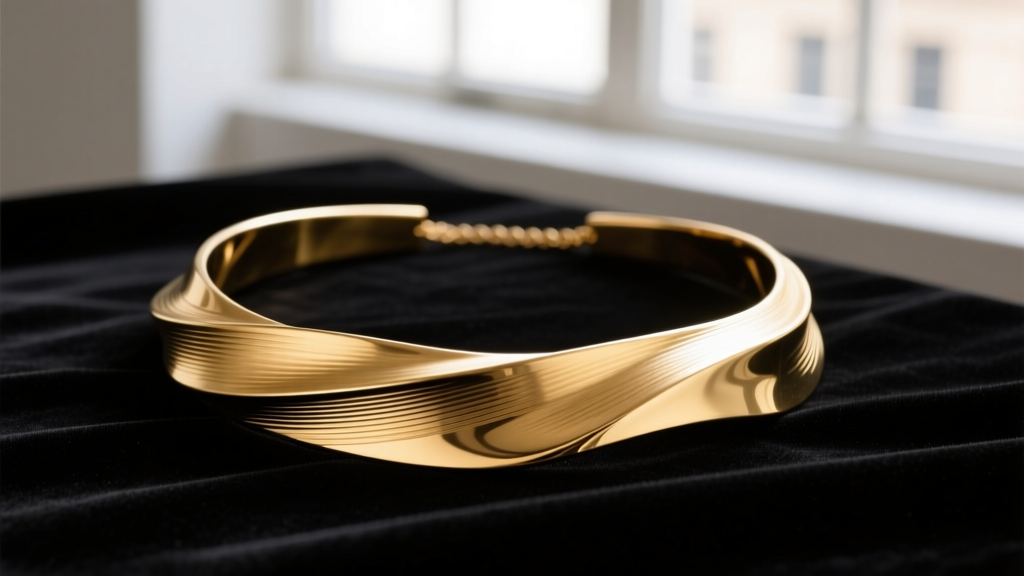
When evaluating the best fashion jewelry brands this year, the most critical differentiator is material integrity. The industry has largely abandoned traditional electroplating in favor of PVD (Physical Vapor Deposition) coating. PVD is a vacuum-deposition method that bonds color to the base metal at a molecular level. While standard flash plating might offer a gold layer of 0.05 microns, premium fashion brands are now utilizing 0.5 to 1.2-micron PVD layers over 316L surgical stainless steel or recycled brass (specifically the CuZn39Pb2 alloy, which offers superior malleability for sculptural casting). This results in a finish that is up to five times more resistant to tarnish, sweat, and friction.
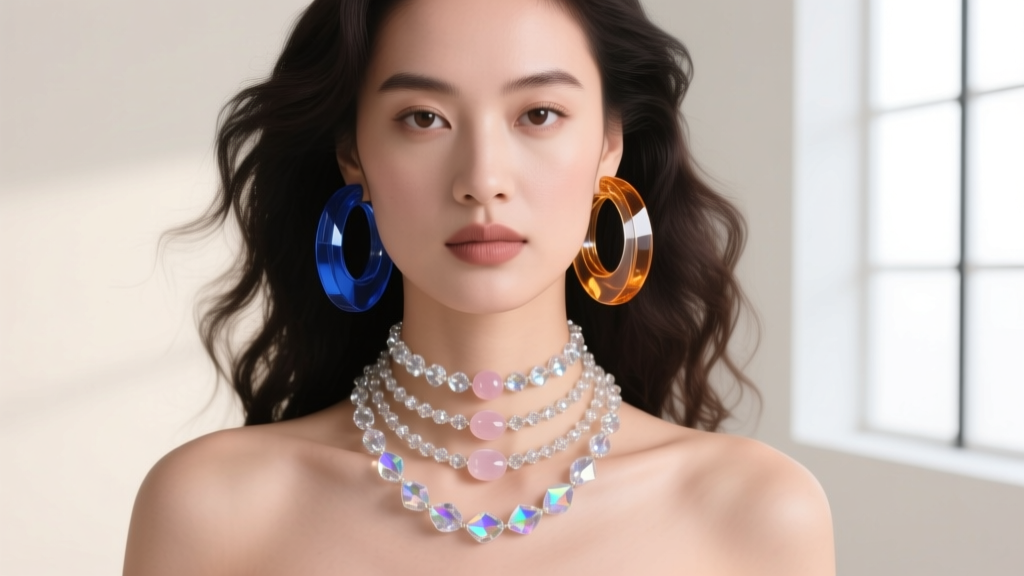
Beyond metals, the integration of advanced polymers has completely reshaped the category. Petroleum-based acrylics are being rapidly phased out by eco-conscious fashion jewelry brands in favor of bio-acetate and epoxy resins derived from wood pulp and cotton fibers. These bio-resins allow for the creation of massive, chunky silhouettes—such as oversized cuff bracelets and heavy geometric drop earrings—without the prohibitive weight that would make them unwearable. The optical clarity of high-grade bio-resin also mimics the depth of semi-precious stones like citrine and smoky quartz, allowing brands to achieve a luxe visual weight at a fraction of the cost. As noted in Vogue's 2026 Jewelry Trend Report, the juxtaposition of hyper-polished PVD metals with matte, organic-feeling bio-resins is the defining textural contrast of the year.
Silhouette Forecasting: Kinetic Modularity and Sculptural Asymmetry
The design language of 2026 is defined by movement and personalization. Top fashion jewelry brands are moving away from static, delicate chains and embracing 'Kinetic Modularity.' This trend features pieces with moving parts, interchangeable charms, and convertible mechanisms. Think of huggie hoops with detachable, weighted pendulum drops, or modular chokers where the wearer can slide heavy, resin-cast pendants along a serpentine chain to alter the neckline's visual balance. This approach caters to the modern consumer's desire for versatility, allowing a single piece to transition from a minimalist office environment to a maximalist evening event.
Simultaneously, 'Sculptural Asymmetry' continues to dominate ear curation. Rather than selling perfectly matched pairs, innovative fashion jewelry brands are offering curated, mismatched sets. A typical 2026 ear stack might feature a heavy, molten-textured brass ear cuff on the left ear, balanced by a sleek, elongated bio-resin drop earring on the right. This deliberate imbalance requires a high degree of design precision; the pieces must feel visually cohesive through shared textural motifs or complementary color palettes, despite their differing shapes and weights.
Brand Spotlight: The Titans of the 2026 Fashion Jewelry Market
To understand how these trends manifest in the real world, we must look at the specific houses executing them flawlessly. The following table breaks down four of the most influential fashion jewelry brands currently shaping the market, analyzing their hero materials, price architecture, and signature design motifs.
| Brand | Hero Materials | Price Range (USD) | 2026 Signature Motif |
|---|---|---|---|
| Jenny Bird | Recycled Brass, 1.0-micron PVD Gold | $95 - $240 | Molten, liquid-metal sculptural cuffs and interlocking knot rings. |
| Completedworks | Brass, Ceramic, Bio-Resin | $150 - $420 | Architectural, crumpled ceramic forms intertwined with polished metal. |
| Alessandra Rich | Crystal-embellished Alloy, Enamel | $210 - $650 | Vintage-inspired, maximalist crystal chokers and ornate brooches. |
| BaubleBar | Enamel, Cubic Zirconia, Gold-Plated Brass | $45 - $160 | Playful, trend-driven motifs like oversized floral clusters and fruit charms. |
Brands like Jenny Bird and Completedworks operate in the upper echelon of the fashion jewelry space, often blurring the line into 'demi-fine' territory. Their use of heavy brass casting and ceramic integration justifies their higher price points, offering a tactile experience that feels substantial and luxurious. On the other hand, Alessandra Rich dominates the high-fashion, red-carpet adjacent space, utilizing high-grade Swarovski crystals and intricate enamel work to create pieces that serve as the focal point of an entire ensemble. For rapid trend adoption and accessible luxury, BaubleBar remains a powerhouse, leveraging advanced enamel techniques to create vibrant, durable pieces that capture the zeitgeist without requiring a massive financial commitment.
The Investment vs. Impulse Matrix: A Buyer's Framework
When building a jewelry wardrobe in 2026, consumers must navigate the tension between investment pieces and impulse buys. Fashion jewelry brands inherently cater to the latter, but the rise of premium materials has introduced a 'Cost-Per-Wear' (CPW) matrix that savvy shoppers use to justify higher price points. A $200 PVD-plated brass cuff from a premium brand, worn three times a week for two years, yields a CPW of roughly $0.64. In contrast, a $40 fast-fashion alloy bangle that tarnishes and breaks after one month has an effective CPW of $1.33 per day of its usable life.
To maximize value, style experts recommend allocating 70% of your fashion jewelry budget to 'Anchor Pieces'—sculptural cuffs, heavy signet rings, and modular hoops from brands utilizing PVD and bio-resins. These pieces anchor your look and withstand daily friction. The remaining 30% can be dedicated to 'Accent Pieces'—highly seasonal, trend-specific items like delicate crystal hairpins or novelty enamel pendants that may only be relevant for a single season. According to Forbes Jewelry, this strategic approach allows consumers to participate in high-fashion trends while maintaining a sustainable, long-lasting core collection.
Conclusion: The Future is Sculptural and Sustainable
The era of flimsy, disposable costume jewelry is definitively over. The leading fashion jewelry brands of 2026 have proven that accessibility and trend-responsiveness do not require a sacrifice in material integrity or design sophistication. By embracing PVD metallurgy, sustainable bio-polymers, and kinetic, modular silhouettes, these brands are offering consumers a way to express their personal style with confidence and longevity. As the line between fashion and fine jewelry continues to blur, the brands that prioritize tactile weight, innovative textures, and wearability will undoubtedly continue to dominate the global accessory market.


