How to Build a Costume Jewelry Christmas Tree (2026 Guide)
Master the structural engineering, adhesive science, and vintage sourcing needed to build a museum-quality costume jewelry christmas tree in 2026.

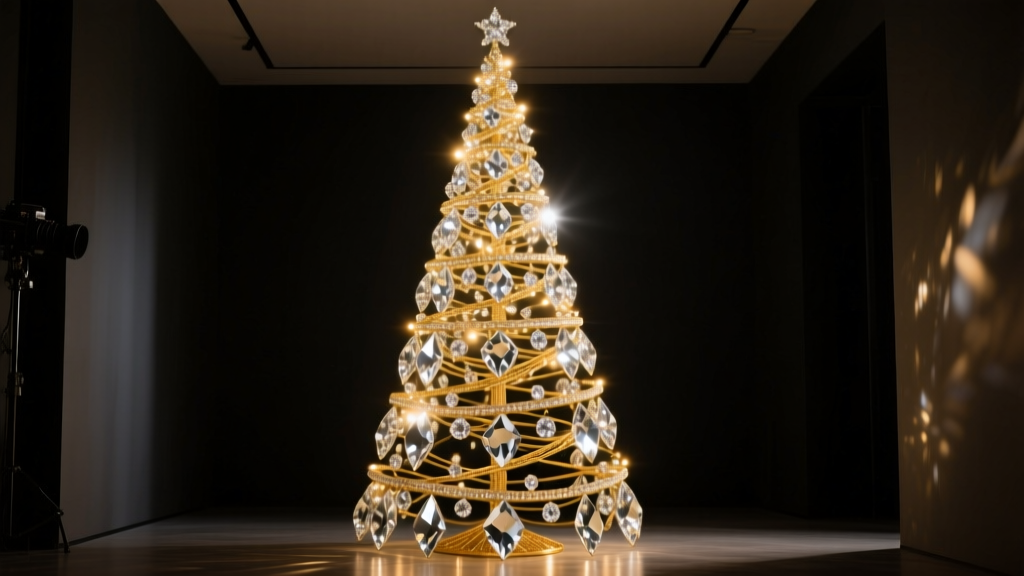
The costume jewelry christmas tree has evolved from a simple holiday craft into a sophisticated medium for archival display and mixed-media sculpture. In 2026, collectors and jewelry historians are moving away from haphazard hot-glue assemblies, opting instead for museum-grade armatures, archival adhesives, and precision lighting. Whether you are repurposing damaged Art Deco rhinestone brooches, mid-century Bakelite bangles, or contemporary demi-fine pendants, constructing a structurally sound and visually stunning tree requires an understanding of material science and weight distribution.
This expert deep dive explores the technical specifications required to engineer a high-end costume jewelry christmas tree, from selecting the correct wire gauges for the armature to understanding the chemical limitations of cyanoacrylate adhesives on glass-to-metal bonds.
Armature Engineering: Wire Gauges and Weight Distribution
The most common failure mode in amateur jewelry trees is armature collapse. A fully adorned 24-inch tree can easily support 2.5 to 4.0 pounds of dense vintage jewelry, particularly if your collection includes solid brass stampings, glass cabochons, and heavy Bakelite pieces. To prevent structural yielding, the internal skeleton must be engineered with specific metallurgical properties in mind.
The Trunk and Primary Branches
For the central trunk and primary load-bearing branches, 12-gauge (2.05mm) aluminum wire is the industry standard. Aluminum offers an ideal balance of malleability and tensile strength. Unlike copper, which suffers from metal fatigue and work-hardening (becoming brittle after repeated bending), 12-gauge aluminum can be shaped into sweeping, organic curves without snapping. For secondary branches that will hold lighter filigree pieces or small rhinestone clips, step down to 16-gauge (1.29mm) wire.
Base Weight and Center of Gravity
A top-heavy tree will tip over, risking catastrophic damage to irreplaceable vintage pieces. The base must account for at least 40% of the total assembled weight. We recommend casting a custom base using lead-free pewter or utilizing a machined steel disc (minimum 6-inch diameter, 0.5-inch thickness) wrapped in velvet. The trunk wire should be secured to the base using a two-part steel-reinforced epoxy, drilled and countersunk into the metal for a flush, mechanical bond.
Sourcing and Grading Materials for Display
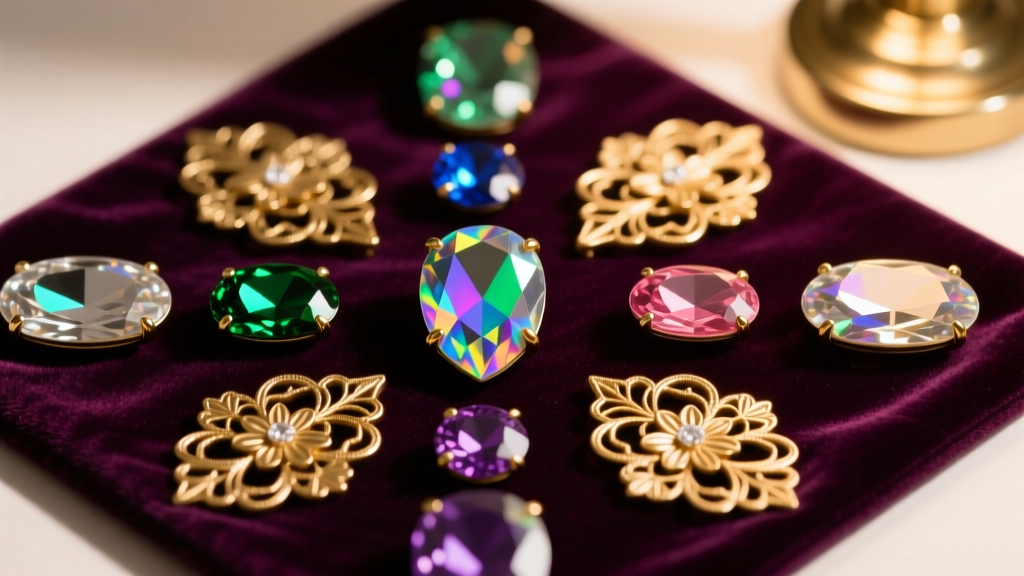
When sourcing pieces for your costume jewelry christmas tree, understanding the material composition is critical not just for aesthetics, but for adhesive compatibility. According to the Victoria and Albert Museum's archives on costume jewellery, mid-century pieces often utilize a complex mix of pot metal, rhodium plating, and leaded glass, each reacting differently to environmental stress and chemical adhesives.
| Material Type | Avg. Weight (g) | Refractive Index / Optical Property | Adhesive Compatibility |
|---|---|---|---|
| AB Glass Rhinestone | 2.5 - 4.0 | 1.52 - 1.70 (High Sparkle) | E6000 / UV Resin |
| Vintage Bakelite | 8.0 - 15.0 | Opaque / Translucent | 2-Part Clear Epoxy |
| Acrylic Lucite | 1.5 - 3.0 | 1.49 (Glass-like clarity) | Acrylic Solvent Cement |
| Brass Filigree | 3.0 - 6.0 | Metallic / Reflective | Jeweler's Solder / Epoxy |
| Enamel on Pot Metal | 5.0 - 10.0 | Vitreous / Opaque | E6000 (Avoid Solvents) |
Pro Tip: Avoid using pieces with severe bronze disease (a powdery green corrosion on copper alloys) or active enamel flaking. The micro-vibrations from handling the tree can accelerate the degradation of unstable vintage materials.
Adhesive Science: Why Hot Glue and Super Glue Fail
The structural integrity of your costume jewelry christmas tree relies entirely on the chemical bonds between the metal armature and the jewelry findings. Many crafters default to hot glue or cyanoacrylate (Super Glue), both of which are guaranteed to fail in a display environment.
The Thermal Expansion Problem
Glass rhinestones and metal filigree have vastly different coefficients of thermal expansion (CTE). When room temperatures fluctuate—which is common during winter holidays when heating systems cycle on and off—the metal expands and contracts at a different rate than the glass. Cyanoacrylate cures into a rigid, brittle plastic. As the materials shift, the brittle glue line fractures, causing the jewelry to detach and fall. Furthermore, cyanoacrylate is highly susceptible to moisture degradation and will chalk over time, leaving an unsightly white residue on vintage foil-backed stones.
The Solution: Elastomeric and Solvent Adhesives
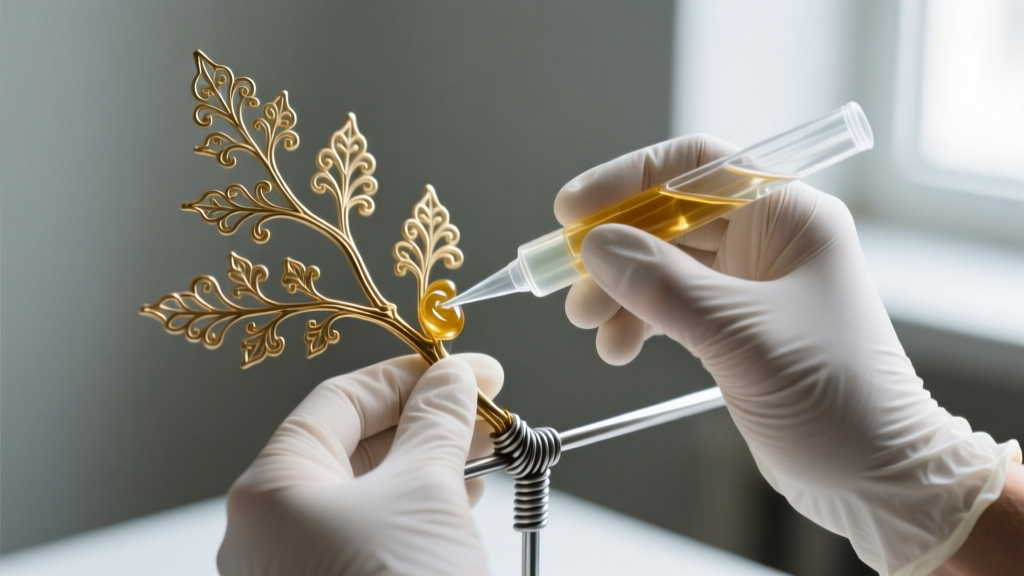
For 90% of glass-to-metal and metal-to-metal bonds on your tree, E6000 Industrial Strength Adhesive is the optimal choice. As detailed in the Eclectic Products Technical Data Sheet, E6000 cures into a flexible elastomer with a shear strength of approximately 3,500 PSI. This flexibility absorbs the micro-movements caused by thermal expansion, maintaining a permanent bond. For heavy Bakelite or thick Lucite pieces, a two-part clear epoxy (like JB Weld ClearWeld) provides a thicker gap-filling bond that can support heavier loads without sagging during the 24-hour cure time.
Integrating Illumination Without Compromising the Armature
Lighting transforms a static sculpture into a dynamic focal point, but heat and wire management are critical considerations. Traditional incandescent fairy lights generate enough localized heat (up to 45°C / 113°F) to soften certain adhesives and degrade the foil backing on vintage rhinestones, causing them to 'black out' over time.
LED Copper Wire Specifications
In 2026, the standard for jewelry tree illumination is 26 AWG (American Wire Gauge) enameled copper wire LEDs. These micro-lights generate virtually zero ambient heat (<35°C) and the 26-gauge wire is thin enough to be wrapped directly around the 12-gauge aluminum armature, effectively hiding the lighting source within the tree's skeleton. Opt for a color temperature of 2700K (Warm White) to mimic the glow of candlelight and enhance the gold and aurora borealis finishes typical of mid-century costume jewelry.
Power Management
Route the battery pack or USB plug down the central trunk and through a pre-drilled hole in the weighted base. This ensures the tree sits flush against the display surface and prevents the power cable from acting as a lever that could tip the sculpture.
Preservation and Archival Display Standards
Building a high-end costume jewelry christmas tree is an investment of both capital and historical preservation. To ensure your piece survives for decades, environmental controls must be integrated into your display strategy.
- UV Protection: If displaying near a window, encase the tree in a custom acrylic vitrine treated with UV-blocking film. Prolonged UV exposure will bleach dyed Lucite and degrade the organic compounds in tortoiseshell or amber elements.
- Tarnish Mitigation: Place 3M Anti-Tarnish strips inside the display case or at the base of the tree. These strips absorb airborne sulfur compounds that cause silver and copper alloys to oxidize and blacken.
- Humidity Control: Maintain a relative humidity (RH) between 40% and 50%. High humidity promotes bronze disease in pot metals and causes iron-based clasps and pin stems to rust, which can stain adjacent fabrics or porous stones like turquoise and coral.
According to experts at Collectors Weekly, the provenance and material integrity of vintage costume jewelry are best preserved when pieces are kept in stable, climate-controlled environments, free from the acidic off-gassing of cheap cardboard or untreated wood display cases.
Final Assembly Checklist
Before finalizing your tree, perform a 48-hour stress test. Lay the tree horizontally and gently tap the table to simulate environmental vibrations. Inspect every bond line with a jeweler's loupe for micro-fractures or adhesive creep. Only when the armature and adhesive matrix have proven stable should you integrate the 26 AWG LED lighting and move the piece to its final display location. By treating your costume jewelry christmas tree as a serious exercise in material science and archival conservation, you create a holiday heirloom that bridges the gap between festive decor and fine art sculpture.