How to Vet Reputable Fine Jewelry Wholesale Distributors
Learn how to vet reputable fine jewelry wholesale distributors with our expert technical guide on metal grades, gem certs, and B2B pricing tiers.

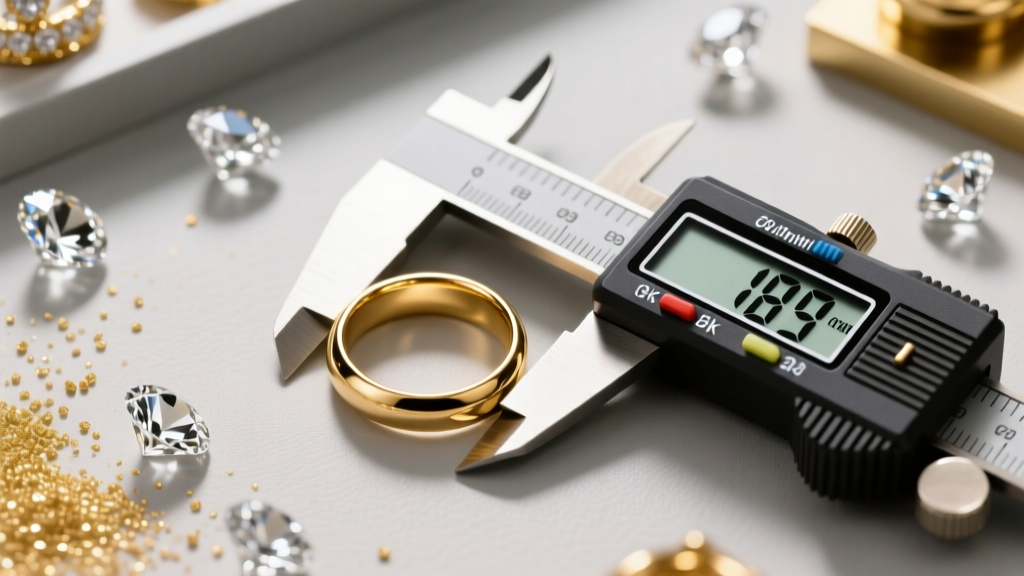
The Anatomy of Tier-1 Wholesale Partners
When scaling a fine jewelry boutique or launching a private label brand, identifying reputable fine jewelry wholesale distributors is the single most critical operational decision you will make. The B2B jewelry market is saturated with middlemen posing as direct manufacturers, and the line between genuine fine jewelry and heavily marked-up demi-fine pieces is often intentionally blurred. To protect your brand reputation and maintain healthy retail margins, you must look beyond glossy catalogs and evaluate distributors based on metallurgical transparency, gemological accountability, and supply chain ethics.
According to the Responsible Jewellery Council (RJC), true Tier-1 distributors maintain full chain-of-custody documentation. This means they can trace a 1-carat diamond or a batch of 18-karat gold back to its origin, ensuring compliance with the Kimberley Process and international labor laws. If a distributor hesitates to provide a Certificate of Origin or an RJC certification, you are likely dealing with a secondary broker rather than a primary wholesale source.
Technical Metallurgy and Hallmark Verification
Fine jewelry is defined by its precious metal content, yet wholesale alloy compositions vary wildly between domestic and international distributors. A reputable fine jewelry wholesale distributor will provide exact alloy breakdowns and third-party assay reports for their metal inventory.
Gold Alloys and Hypoallergenic Compliance
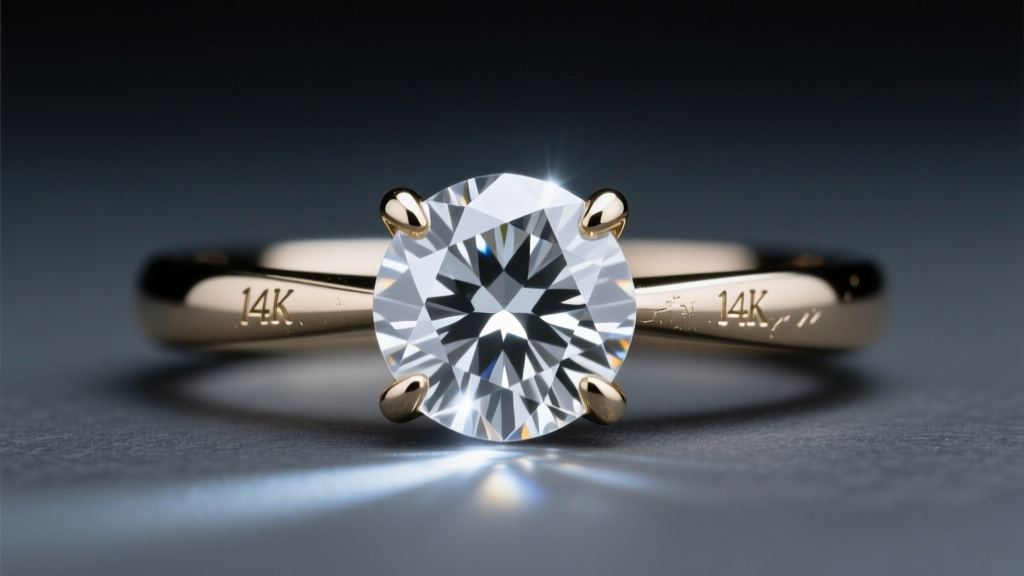
Standard 14-karat gold contains 58.5% pure gold, while 18-karat contains 75%. However, the remaining alloy matrix dictates the metal's durability, color, and skin safety. For white gold, commercial wholesalers often use nickel-based alloys to cut costs. While nickel creates a bright white base, it is a primary contact allergen. Premium distributors utilize palladium or manganese white gold alloys. Palladium white gold is inherently hypoallergenic and possesses a naturally whiter hue, reducing the need for heavy rhodium plating, though it commands a 15% to 20% premium at the wholesale level.
Furthermore, if your brand sells to the European market or health-conscious US consumers, you must ensure the distributor complies with the EU REACH regulation, which restricts nickel release to less than 0.5 micrograms per square centimeter per week. Always request a Material Safety Data Sheet (MSDS) or REACH compliance certificate for white gold and sterling silver lots.
Rhodium Plating Thickness
Many wholesale buyers overlook rhodium plating thickness, leading to high return rates when white gold jewelry yellows after a few months of wear. Budget distributors use 'flash plating,' applying a microscopic layer of 0.05 to 0.1 microns. In contrast, reputable fine jewelry wholesale distributors utilize hard rhodium electroplating, achieving a thickness of 1.5 to 2.5 microns. This technical specification ensures the bright white finish withstands years of daily wear.
Gemstone Grading and Certification Audits
Sourcing loose or set gemstones requires rigorous verification to avoid synthetic misrepresentation and undisclosed treatments. The Gemological Institute of America (GIA) sets the global standard for diamond grading, but wholesale buyers must also understand colored stone treatments and origin disclosures.
- Diamonds: Insist on GIA or AGS grading reports for any center stone over 0.50 carats. Beware of distributors offering 'in-house certificates' or relying on lesser-known labs that consistently inflate color and clarity grades by one to two tiers.
- Colored Stones: For rubies, sapphires, and emeralds, require reports from GIA, GRS, or Gübelin. You must verify if the stones are unheated, heated, or fracture-filled. Fracture-filled rubies (often filled with lead glass) are considered treated semi-precious stones, not fine gemstones, and will shatter under standard jeweler's torch heat during resizing.
- Lab-Grown Disclosure: The FTC strictly mandates the disclosure of lab-grown diamonds. Reputable fine jewelry wholesale distributors laser-inscribe the girdle of all CVD and HPHT diamonds and separate them into distinctly different SKU catalogs to prevent accidental commingling with natural inventory.
Wholesale Pricing Matrix and Margin Architecture
Understanding the pricing architecture of B2B jewelry sourcing is vital for forecasting retail profitability. The table below illustrates the margin expectations and operational requirements across different tiers of wholesale distributors.
| Distributor Tier | Typical MOQ | Wholesale Markup | Retail Margin Potential | Best For |
|---|---|---|---|---|
| Tier 1: Direct Manufacturer (India/Italy/Thailand) | $10,000 - $50,000+ | 15% - 25% over raw material spot | 2.5x to 3.5x (60-70%) | Established boutiques, private label brands |
| Tier 2: Master Importer / Domestic Wholesaler | $2,500 - $10,000 | 30% - 45% over spot | 2.0x to 2.5x (50-60%) | Growing indie brands, multi-channel retailers |
| Tier 3: Dropship / Low-Minimum Broker | $100 - $500 | 60% - 100% over spot | 1.5x to 1.8x (33-44%) | Testing new markets, entry-level e-commerce |
As highlighted by Jewelers of America, maintaining a minimum 2.2x keystone markup is essential for fine jewelry retailers to cover overhead, insurance, and secure display logistics. Tier 3 distributors rarely allow for this margin, making them unsuitable for long-term fine jewelry scaling.
Red Flags in the B2B Fine Jewelry Supply Chain
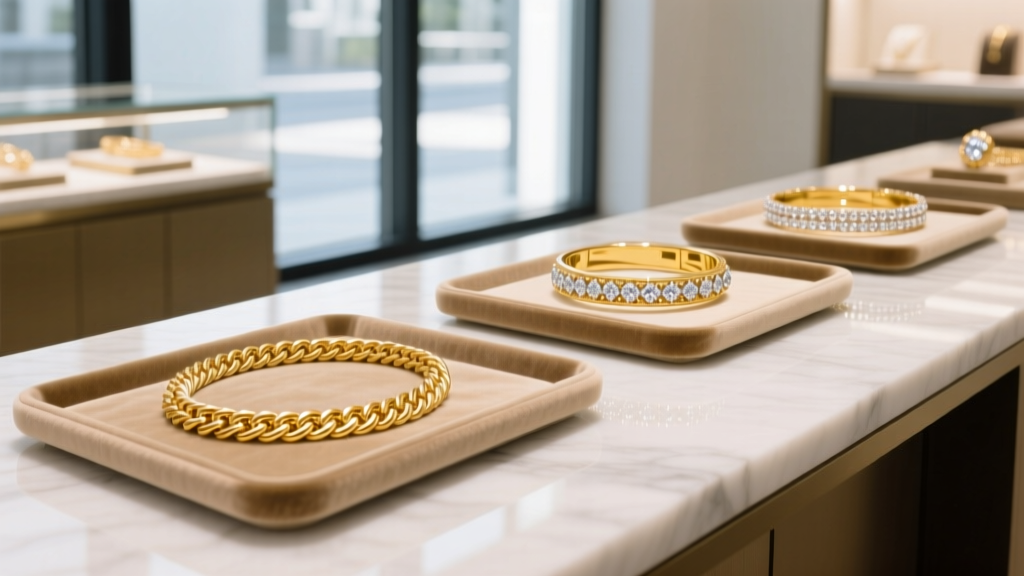
Even when a distributor appears professional, subtle operational red flags can indicate compromised quality control. Watch out for the following vulnerabilities:
- Inconsistent Rhodium Wear: If you order the same 14k white gold chain style across three different batches and the color tones vary slightly, the distributor is likely using inconsistent alloy mixes or outsourcing plating to unvetted third-party finishers.
- Vague Weight Metrics: Fine jewelry is sold by the gram. If a distributor quotes flat per-piece rates without providing the exact gram weight and current metal spot-price multiplier, they are hiding massive margin inflations.
- Hollowed Construction: To lower wholesale costs, some distributors utilize electroforming or hollow-tube manufacturing for chains and bangles. While this reduces the gold weight, it severely compromises structural integrity. A hollow 14k gold herringbone chain will kink and break under minimal tension, leading to catastrophic customer return rates.
Expert Insight: Always request a 'destructive test' sample when onboarding a new wholesale chain supplier. Cut a link in half with flush cutters and examine the cross-section under a 10x loupe. If the metal is hollow or filled with resin, walk away immediately.
Actionable Sourcing Framework
To successfully partner with reputable fine jewelry wholesale distributors, implement a strict 30-day onboarding protocol. First, request a raw material assay report and an RJC certificate. Second, order a diverse sample batch and have it independently appraised and acid-tested by a local bench jeweler. Finally, negotiate a master service agreement that includes a clause for financial reimbursement if any batch fails independent gemological or metallurgical testing. By enforcing these technical boundaries, you insulate your brand from the systemic fraud that plagues the lower tiers of the jewelry supply chain.