The Exact Definition of Fashion Jewelry: Materials and Tiers
Discover the exact definition of fashion jewelry, exploring base metals, plating techniques, quality tiers, and how to prevent tarnishing.

Understanding the Core Definition of Fashion Jewelry
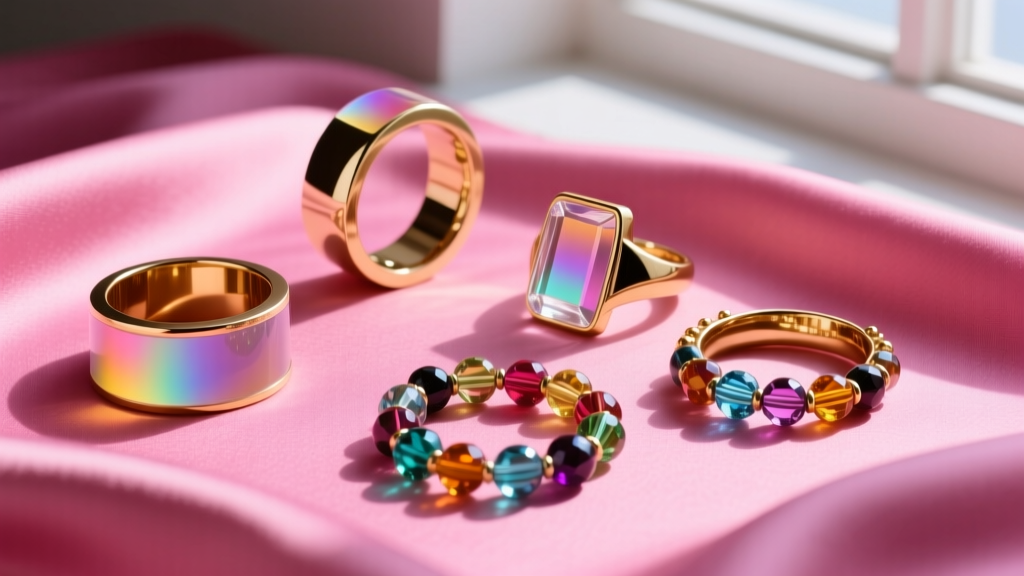
When navigating the vast landscape of accessories, understanding the definition of fashion jewelry is the first step toward building a curated, long-lasting collection. Often used interchangeably with the term "costume jewelry," fashion jewelry encompasses any wearable adornment crafted from non-precious metals and simulated or semi-precious gemstones. Unlike fine jewelry, which relies on the intrinsic melt-value of solid gold, platinum, and natural diamonds, fashion jewelry derives its value from its design, trend-relevance, and artistic expression.
Historically, the term "costume jewelry" was coined in the 1920s by Coco Chanel, who designed accessories specifically to complement her clothing lines (her "costumes"). Today, the definition has evolved. Modern fashion jewelry spans everything from mass-produced acrylic statement earrings to meticulously hand-assembled brass and cubic zirconia pieces sold by independent designers. The unifying factor is the material composition: the base materials are abundant, affordable, and highly malleable, allowing for bold, experimental designs that would be prohibitively expensive if cast in solid precious metals.
The Material Science: What is Fashion Jewelry Made Of?
To truly grasp the definition of fashion jewelry, you must look beneath the surface. The longevity, weight, and skin-reactivity of a piece are entirely dictated by its core materials and surface treatments.
Base Metals and Alloys
The structural foundation of most fashion jewelry consists of base metals. The most common include:
- Brass: An alloy of copper and zinc. It is highly malleable, relatively inexpensive, and takes plating beautifully. However, its high copper content makes it prone to oxidation (tarnishing) and can cause skin discoloration.
- Stainless Steel: Specifically, 304 or 316L (surgical grade) stainless steel. It is highly durable, resistant to rust, and hypoallergenic. In 2026, 316L stainless steel has become the gold standard for premium fashion jewelry due to its compatibility with advanced coating technologies.
- Aluminum and Pewter: Aluminum is prized for its ultra-lightweight properties, making it ideal for oversized statement earrings. Pewter (a tin-based alloy) is used for intricate, cast-metal designs but is softer and more prone to denting.
Plating and Surface Finishes
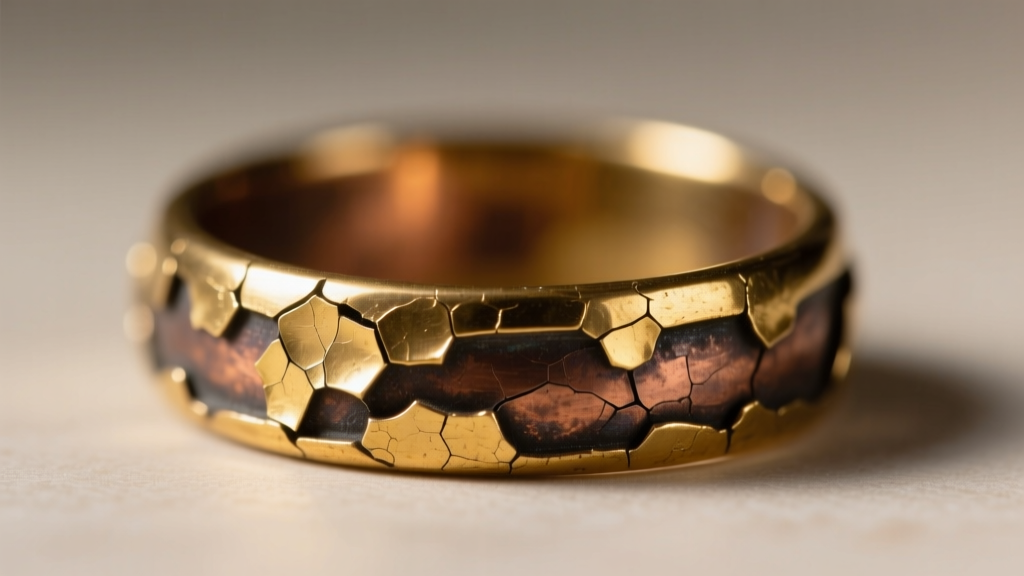
Because base metals lack the luxurious luster of gold or silver, they are almost always plated. According to the Federal Trade Commission (FTC) Jewelry Guides, standard gold electroplating on fashion jewelry is often a "flash plate," measuring less than 0.5 microns in thickness. This microscopic layer provides the initial color but wears away quickly with friction and exposure to skin oils. Higher-end fashion pieces may use gold-filled techniques (where a thicker layer of gold is mechanically bonded to a brass core), though this begins to bridge the gap into the "demi-fine" category.
Simulated and Semi-Precious Stones
The Gemological Institute of America (GIA) distinguishes between natural, lab-created, and simulated gemstones. Fashion jewelry predominantly utilizes simulated stones—materials that mimic the appearance of a gemstone but share none of its chemical or optical properties. Common examples include cubic zirconia (CZ), glass, rhinestones, acrylic, Lucite, and resin. Semi-precious natural stones like agate, turquoise, and amethyst are also frequently incorporated, though they are usually set in glue or simple prong settings rather than the secure bezel or pavé settings found in fine jewelry.
Fashion vs. Demi-Fine vs. Fine: The Quality Tier Breakdown
Understanding where fashion jewelry sits in the broader market requires a direct comparison with its more expensive counterparts. The table below outlines the critical differences in materials, pricing, and lifespan across the three primary jewelry tiers.
| Feature | Fashion Jewelry | Demi-Fine Jewelry | Fine Jewelry |
|---|---|---|---|
| Core Metals | Brass, copper, aluminum, stainless steel | Sterling silver (925), gold vermeil | Solid 14k/18k gold, platinum, palladium |
| Gemstones | CZ, glass, resin, acrylic | Lab-grown diamonds, semi-precious stones | Natural diamonds, sapphires, rubies, emeralds |
| Price Range | $10 – $150 | $150 – $800 | $800 – $10,000+ |
| Lifespan | 6 months – 3 years (with care) | 3 – 10 years | Generational (Lifetime) |
| Water/Sweat | High risk of tarnish and plating loss | Moderate risk; requires drying | Waterproof; safe for daily wear |
The Chemistry of Tarnish: Why Fashion Jewelry Turns Skin Green
One of the most common complaints regarding fashion jewelry is the dreaded "green finger." This is not an allergic reaction, nor is it a sign of toxic materials; it is a simple, predictable chemical reaction. When brass or copper-based alloys come into contact with the natural acids, salts, and moisture in human sweat, a galvanic reaction occurs. The copper oxidizes and forms copper chloride, a green compound that transfers directly onto the skin.
Furthermore, environmental factors accelerate this degradation. Lotions, perfumes, and hairsprays contain alcohols and sulfur compounds that rapidly break down the thin electroplated layers on fashion jewelry. Once the plating is compromised, the underlying base metal is exposed to oxygen and moisture, leading to rapid tarnishing, pitting, and the eventual structural failure of the piece. This inherent vulnerability is a defining characteristic that separates fashion jewelry from solid precious metals, which do not react with human skin in this manner.
Modern Innovations: PVD Coating and the "Waterproof" Trend
The definition of fashion jewelry is currently undergoing a technological renaissance. In recent years, the industry has heavily adopted Physical Vapor Deposition (PVD) coating, a process originally developed for aerospace and medical devices. Unlike traditional electroplating, which uses liquid chemical baths to deposit a thin layer of gold, PVD vaporizes titanium nitride or zirconium in a vacuum chamber, bonding it at a molecular level to a 316L stainless steel base.
The result is a fashion jewelry piece that is exponentially more durable. PVD coatings are up to ten times thicker and more resistant to friction, sweat, and UV degradation than standard flash plating. This innovation has given rise to the "waterproof fashion jewelry" market, allowing consumers to wear gold-toned stainless steel pieces in the shower, at the gym, or in the ocean without the immediate fear of the finish flaking off or the metal turning their skin green. While it still falls under the definition of fashion jewelry (as the core metal is not solid gold), PVD-coated stainless steel represents the highest tier of durability within this category.
How to Maximize the Lifespan of Your Fashion Pieces
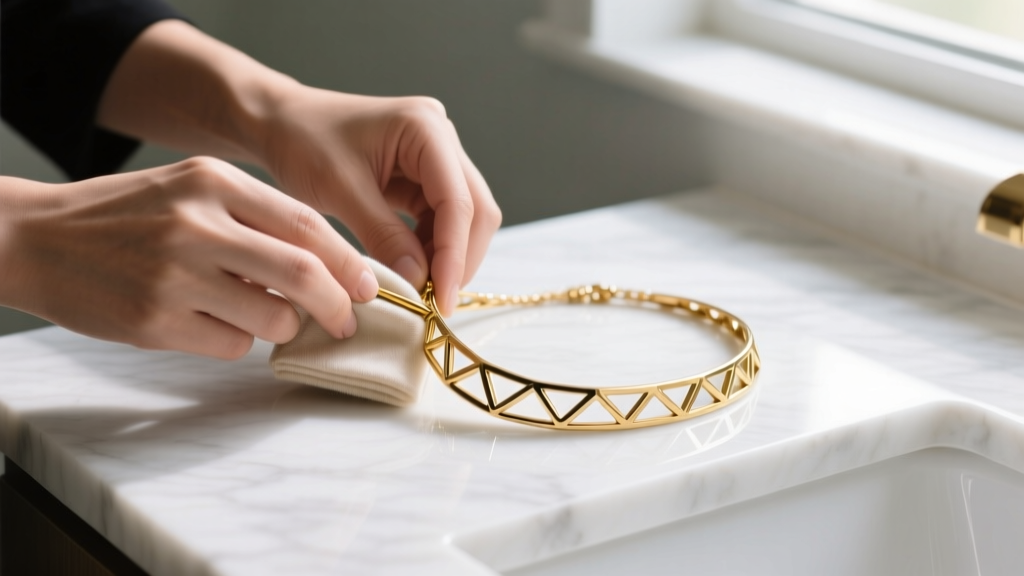
Because fashion jewelry lacks the inherent permanence of solid gold or platinum, its longevity is entirely dependent on proactive maintenance and proper storage. Implementing a strict care routine can extend the life of a brass or plated piece from a single season to several years.
Expert Rule of Thumb: Fashion jewelry should always be the last thing you put on when getting dressed, and the first thing you take off when you get home. This minimizes exposure to cosmetics, perfumes, and environmental pollutants.
Actionable Care Protocols
- The Polyurethane Barrier: For rings and bangles that sit flush against the skin, apply a thin coat of clear polyurethane nail polish to the inside band. This creates a temporary, invisible physical barrier between the copper alloy and your skin's moisture, completely preventing the green oxidation reaction. Reapply every few weeks as the polish wears away.
- Microfiber Wiping: After every wear, gently wipe the piece with a dry, clean microfiber cloth. This removes the microscopic layer of sweat, sebum, and acidic residue that initiates the tarnishing process.
- Silica Gel Storage: Store fashion jewelry in airtight ziplock bags or sealed acrylic organizers with a small silica gel packet. Tarnish requires moisture and oxygen; by controlling the micro-climate of your storage, you halt the oxidation process entirely.
- Avoid Chemical Cleaners: Never use liquid silver dips, ultrasonic cleaners, or abrasive polishing pastes on fashion jewelry. These harsh chemicals will strip the microscopic gold or rhodium plating instantly, leaving you with a dull, raw brass base.
Final Thoughts on Building a Fashion Jewelry Wardrobe
Embracing the definition of fashion jewelry means accepting its inherent trade-offs. You are trading generational longevity and intrinsic material value for unparalleled design variety, trend responsiveness, and accessibility. By understanding the metallurgy beneath the plating, recognizing the difference between standard electroplating and modern PVD coatings, and committing to a rigorous care routine, you can build a vibrant, expressive jewelry wardrobe that looks luxurious and withstands the test of time.


