Lindenwold Fine Jewelry Buying Guide: Value & Quality
Explore our expert Lindenwold fine jewelry buying guide. Learn about material quality, stone grades, pricing, and true value in 2026.

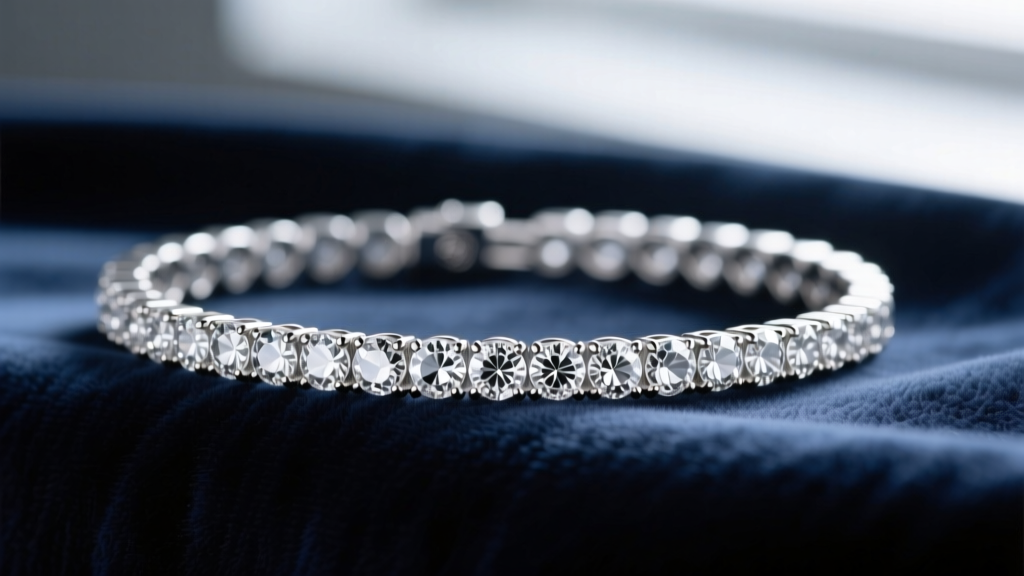
When navigating the expansive online jewelry market, the term "fine jewelry" is frequently applied to pieces that actually fall into the demi-fine or fashion categories. Lindenwold, a brand widely recognized on major e-commerce platforms for its accessible luxury watches and jewelry, often utilizes this terminology in its marketing. As of 2026, consumers are more educated than ever about metallurgical standards and gemological realities, making it crucial to critically evaluate what you are actually purchasing. This comprehensive Lindenwold fine jewelry buying guide will dissect the brand's material quality, stone grades, and structural integrity to help you determine if their pieces offer genuine value for your collection.
Decoding the "Fine Jewelry" Label in Lindenwold Pieces
To understand the value proposition of Lindenwold, we must first establish the legal and industry definitions of fine jewelry. According to the Federal Trade Commission (FTC) Jewelry Guides, the unqualified use of the word "fine" implies that a piece is crafted entirely from solid precious metals (such as 10k, 14k, or 18k gold, or platinum) and features natural, precious, or semi-precious gemstones.
Lindenwold's jewelry lines predominantly feature 925 sterling silver bases, gold vermeil, and cubic zirconia (CZ) or lab-created stones. While 925 sterling silver is indeed a precious metal, the widespread use of simulated stones and plated finishes places the majority of their catalog firmly in the demi-fine or bridge jewelry category. This is not inherently a negative; demi-fine jewelry serves a vital market need by offering the aesthetic of high-end jewelry at a fraction of the cost. However, buyers must adjust their expectations regarding longevity and intrinsic resale value.
Material Breakdown: What You Are Actually Buying
The longevity of any jewelry piece is dictated by its base metal and finishing. Lindenwold frequently utilizes sterling silver and gold-plated brass or silver. Understanding the micron thickness of these platings is critical for buyers looking for everyday wearability.
| Component | Lindenwold Typical Standard | True Fine Jewelry Standard | Longevity Expectancy |
|---|---|---|---|
| Base Metal | 925 Sterling Silver or Brass | Solid 14k/18k Gold, Platinum | Silver: Lifetime (with tarnish care) Brass: 1-3 Years |
| Gold Finish | Gold Vermeil or Flash Plating | Solid Gold Alloy | Vermeil: 1-5 Years Flash: 3-6 Months |
| Primary Stones | Cubic Zirconia, Lab-Created | Natural Diamonds, Sapphires | CZ: 2-5 Years (prone to clouding) Diamond: Forever |
| Clasp Hardware | Spring-ring or basic Lobster | Secure Locking Lobster/Box | Standard clasps require periodic replacement |
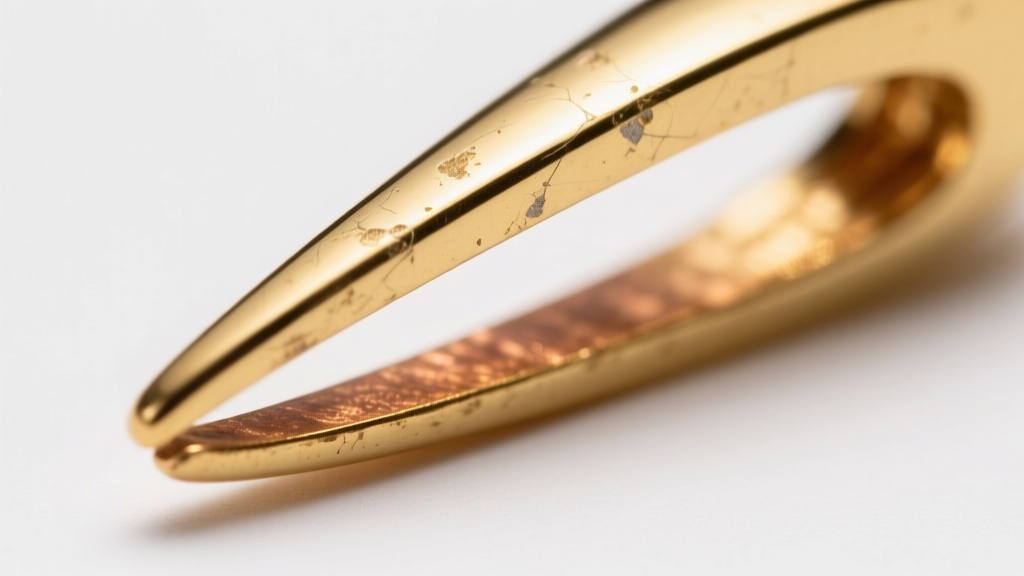
When purchasing gold-toned Lindenwold pieces, scrutinize the product description for the word "vermeil." Legally, gold vermeil requires a sterling silver base with a gold plating of at least 2.5 microns thick. If the listing merely states "gold-plated," it is likely a brass base with a flash plating of less than 0.5 microns, which will wear away rapidly with daily friction and exposure to skin oils.
Stone Quality: Cubic Zirconia vs. Natural Diamonds
A significant portion of Lindenwold's "fine" aesthetic relies on the brilliance of Cubic Zirconia (CZ). As detailed by the Gemological Institute of America (GIA), CZ is a synthetic crystalline substance that serves as a highly effective diamond simulant. However, from a gemological perspective, the physical properties differ vastly.
- Hardness: On the Mohs scale, diamond sits at a perfect 10, while CZ ranks between 8 and 8.5. This means CZ is susceptible to scratching from everyday dust (which contains quartz, ranking at 7) and can develop a cloudy, abraded surface over a few years of daily wear.
- Optical Dispersion: CZ has a dispersion rate of 0.058, compared to a diamond's 0.044. This higher dispersion gives CZ an exaggerated "rainbow fire" that, while beautiful, is often a dead giveaway to a trained eye that the stone is a simulant.
- Setting Integrity: Lindenwold typically utilizes machine-set prongs for their CZ stones. Because CZ is more brittle than diamond, it can chip along the girdle if the prongs are too tight or if the piece suffers a hard impact. Always inspect the prongs upon delivery to ensure they are flush against the stone's crown.
Pricing & Value Proposition: Is It Worth It?
Lindenwold jewelry generally retails between $30 and $150, positioning it as an accessible entry point for statement pieces and fashion-forward trends. When evaluating value, you must compare it to the broader demi-fine market. Brands like Mejuri or Gorjana charge $100 to $300 for similar sterling silver and vermeil pieces, banking heavily on brand prestige and modern minimalist branding.
Lindenwold offers a more traditional, sometimes ornate aesthetic—often featuring tennis bracelets, halo pendants, and classic watch-jewelry hybrids. The value proposition here is aesthetic volume per dollar. If you are buying a piece for a specific event, seasonal wear, or to test a trend before investing in solid gold, Lindenwold provides excellent visual impact for the price. However, if you are seeking an heirloom piece or an everyday engagement ring alternative, the materials will not withstand decades of continuous wear.
The Buyer's Checklist: Spotting Quality in Lindenwold Collections
Because manufacturing batches can vary in the accessible luxury space, use this physical inspection checklist when your Lindenwold piece arrives:
- Verify the Hallmark: Use a jeweler's loupe or your phone's macro camera to locate the "925" stamp. It should be cleanly struck, not merely etched or painted on.
- Test the Clasp Mechanism: Open and close the clasp multiple times. A high-quality lobster claw should have a snappy, spring-loaded return with no lateral wobble. Avoid pieces with flimsy spring-ring clasps on heavy chains, as these are a primary failure point.
- Inspect the Prongs: Run a piece of silk or fine cotton over the stone settings. If the fabric snags, the prongs are poorly filed and will eventually catch on your clothing, risking stone loss.
- Check Chain Soldering: Examine the jump rings connecting the chain to the clasp. They should be fully soldered shut. Open jump rings will easily pull apart under the weight of a pendant.
Care and Maintenance for Demi-Fine Pieces
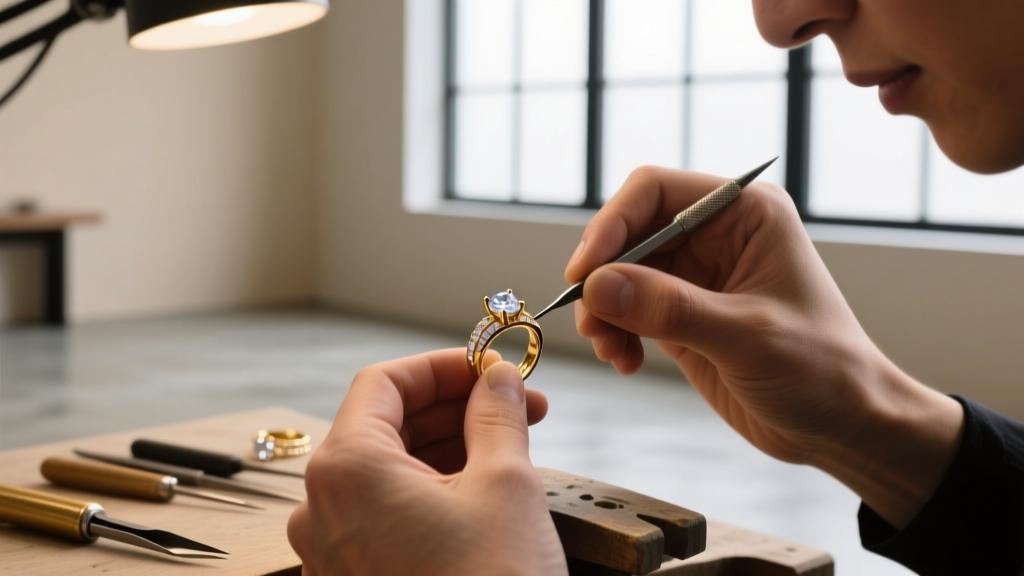
To maximize the lifespan of your Lindenwold jewelry, you must abandon the cleaning methods used for true fine jewelry. Never place gold vermeil or CZ pieces in an ultrasonic cleaner. The high-frequency vibrations will strip the gold plating and shake loose the machine-set simulants. Instead, clean your pieces using a few drops of mild dish soap, lukewarm water, and an ultra-soft baby toothbrush. Dry immediately with a microfiber cloth to prevent water spots and accelerate the tarnishing of the sterling silver base. Store pieces individually in anti-tarnish ziplock bags to prevent the silver from reacting with sulfur in the air.
Final Verdict: Who Should Buy Lindenwold?
Lindenwold occupies a highly specific niche in the 2026 jewelry landscape. It is not a purveyor of traditional, generational fine jewelry, despite the occasional marketing nomenclature. Instead, it is a capable producer of demi-fine and fashion-bridge jewelry. It is highly recommended for buyers seeking affordable, visually striking statement pieces, traditional tennis bracelets, and elegant gifts where the recipient values immediate brilliance over intrinsic metallurgical value. By understanding the material realities and maintaining realistic expectations regarding longevity, you can confidently navigate their catalog and extract excellent stylistic value from your purchases.


