How to Buy Low Cost Costume Jewelry That Actually Lasts
Discover how to shop for low cost costume jewelry that lasts. Learn about base metals, plating thickness, and what to avoid to prevent skin irritation.

The Metallurgy of Budget Accessories
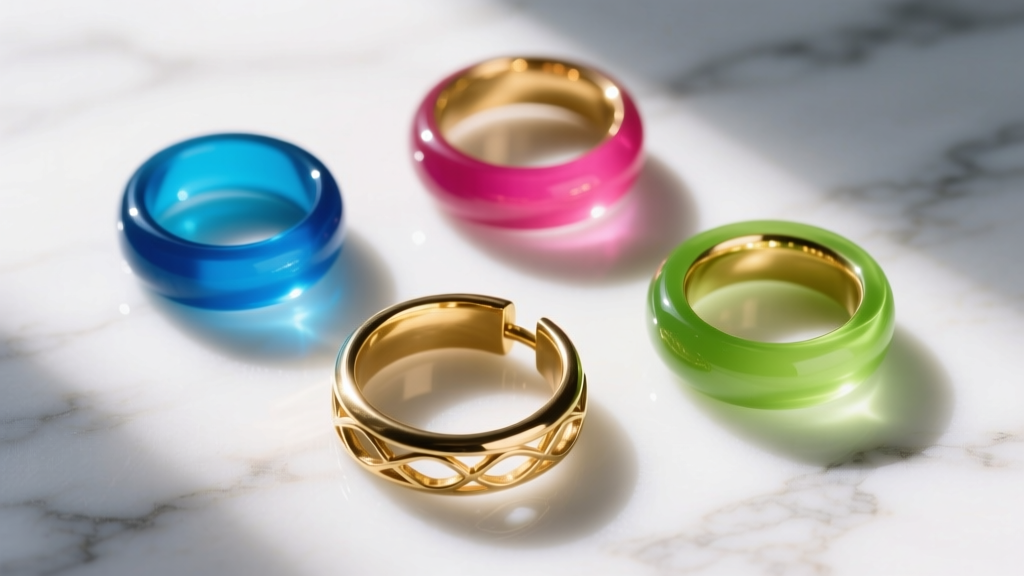
Navigating the world of low cost costume jewelry requires a shift in perspective. Instead of looking for intrinsic material value, the savvy shopper evaluates manufacturing integrity, plating longevity, and dermatological safety. While fine jewelry relies on the inherent worth of precious metals and earth-mined gemstones, fashion jewelry is an exercise in surface engineering and structural design. Understanding the difference between a piece that will tarnish in a week and one that will survive years of daily wear comes down to a few critical metallurgical and chemical factors. This comprehensive buying guide breaks down exactly what to look for when investing in budget-friendly adornments, ensuring your collection remains vibrant and safe for your skin.
Decoding the Base Metal Matrix
The foundation of any accessory dictates its weight, durability, and how well it accepts surface finishes. In the low cost costume jewelry market, manufacturers primarily rely on three base materials, each with distinct advantages and failure modes.
Brass (an alloy of copper and zinc) is the gold standard for budget pieces. It offers a satisfying weight, mimics the density of fine gold, and provides a remarkably smooth surface for electroplating. However, if the plating wears through, the copper content can react with the acidity in your sweat, leaving a harmless but unsightly green residue on your skin.
Zamak, or zinc alloy, is heavily utilized in mass-produced, ultra-cheap items. It is created through die-casting, allowing for highly intricate, three-dimensional shapes at a fraction of the cost of brass. The drawback is its brittleness and tendency to pit or bubble over time, especially when exposed to high humidity or saltwater.
316L Surgical Stainless Steel has surged in popularity for budget fashion pieces. While it cannot be cast into the delicate filigree designs possible with brass, it is virtually indestructible, highly resistant to tarnish, and inherently hypoallergenic. When shopping, always check the product specifications for the exact base metal, as this single data point predicts the item's structural lifespan.
| Base Metal | Pros | Cons | Average Price Tier |
|---|---|---|---|
| Brass | Excellent weight, smooth plating surface | Can cause green skin if plating fails | $15 - $45 |
| Zinc Alloy (Zamak) | Cheap, allows complex 3D casting | Brittle, prone to pitting and bubbling | $5 - $20 |
| 316L Stainless Steel | Hypoallergenic, highly durable, no plating needed | Hard to cast into intricate, delicate shapes | $20 - $50 |
The Science of Surface Finishes: Flash vs. PVD
The most common failure point in budget accessories is the degradation of the gold or silver finish. To understand longevity, you must understand plating thickness, measured in microns. The Federal Trade Commission strictly regulates jewelry marking, and understanding these terms will save you from deceptive marketing.
Flash plating involves a microscopic layer of gold or silver, typically less than 0.1 microns thick. This is essentially a wash of color that will rub off against clothing or skin oils within a few weeks. Pieces with flash plating cannot legally be marked with a gold karat weight without the word 'flash' or 'electroplated' clearly disclosed.
Standard electroplating offers a more robust barrier, usually ranging from 0.5 to 2.5 microns. When applied over a nickel-free barrier coat, a 2-micron gold plate can easily survive one to two years of moderate wear before the base metal begins to show through.
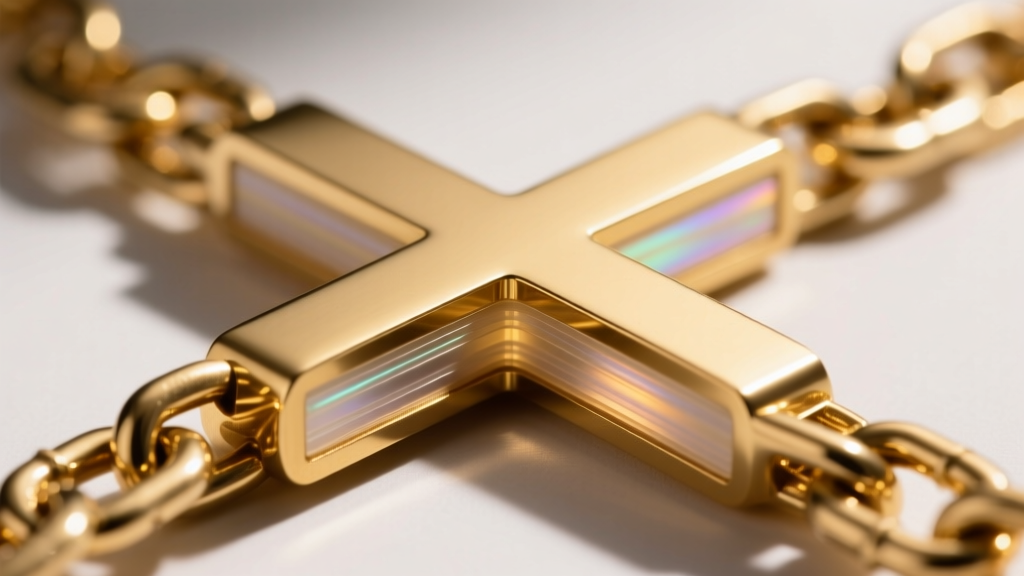
However, the true game-changer in the current market is PVD (Physical Vapor Deposition). Originally reserved for high-end watches and luxury demi-fine brands, PVD technology has become highly accessible in the low cost costume jewelry sector. PVD involves vaporizing titanium nitride in a vacuum chamber, allowing it to bond to the base metal at a molecular level. PVD coatings are up to ten times more durable than traditional electroplating, highly resistant to sweat and UV degradation, and can maintain their brilliant luster for over five years. Always prioritize PVD-coated stainless steel or brass when browsing budget collections for maximum return on investment.
Simulants and Synthetics: Evaluating the Stones
Budget jewelry rarely features earth-mined precious gems, relying instead on simulants and synthetics. Knowing the difference ensures you aren't overpaying for colored glass. According to the Gemological Institute of America, cubic zirconia (CZ) remains the most prevalent diamond simulant. With a Mohs hardness of 8 to 8.5, CZ is highly durable and resists scratching, though its high specific gravity makes it noticeably heavier than a diamond of the same size.
For colored stones, manufacturers often use nanosital or synthetic spinel. These are lab-created materials that offer exceptional color consistency and durability, far outperforming traditional foil-backed glass stones which can easily scratch, cloud, or lose their reflective backing when exposed to moisture. When inspecting a piece, look for prong-set stones rather than glue-set stones. Glue degrades rapidly when exposed to lotions and perfumes, leading to lost stones within months.
Dermatological Safety and the Nickel Threat
The most critical factor when buying cheap accessories is skin safety. Nickel is a common, inexpensive alloying metal used to whiten gold and strengthen base metals, but it is also the leading cause of contact dermatitis. The American Academy of Dermatology notes that prolonged exposure to nickel-releasing items can trigger severe, itchy rashes and long-term sensitization.
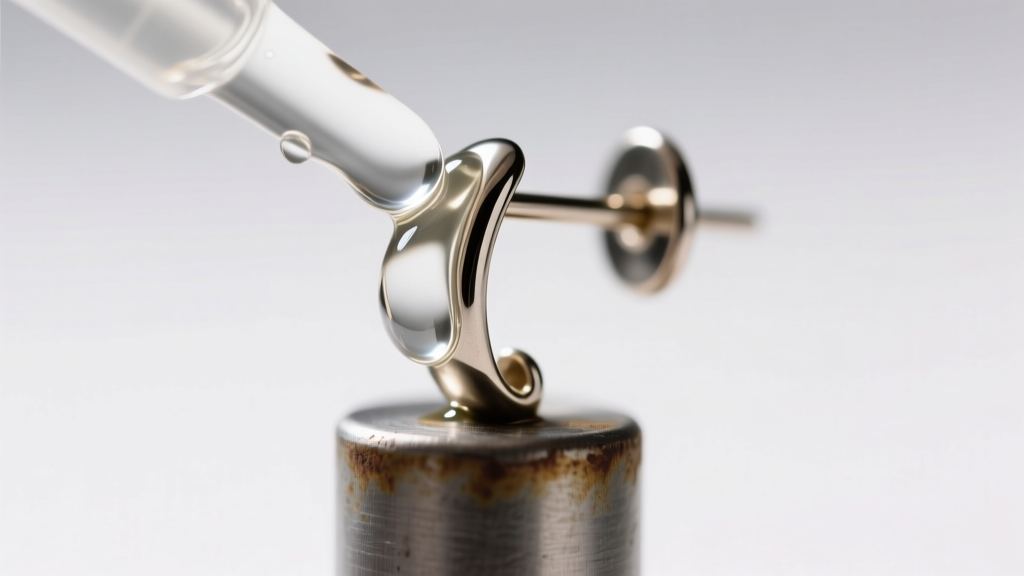
In the European Union, the Nickel Directive (EN 1811) strictly limits nickel release from jewelry to 0.5 µg/cm²/week. While the US lacks an identical federal mandate for adult jewelry, reputable global brands adhere to the EU standard to maintain international compliance. When shopping, look for explicit 'Nickel-Free' or 'Hypoallergenic' claims. If you purchase a piece and suspect nickel content, you can apply a specialized jewelry barrier coating or a layer of clear polyurethane nail polish to the earring posts or the inner bands of rings. This creates a physical shield between the reactive metal and your epidermis, effectively neutralizing the allergy risk.
Maintenance Protocols for Maximum Longevity
Even the highest quality low cost costume jewelry requires specific maintenance routines to preserve its finish and structural integrity. Implementing the following care protocols will exponentially extend the life of your budget accessories:
- The 'Last On, First Off' Rule: Always apply perfumes, hairsprays, and lotions before putting on your jewelry. The alcohol and volatile organic compounds in cosmetics can rapidly dissolve flash plating and degrade adhesive bonds.
- Moisture Isolation: Never wear brass or zinc alloy pieces in the shower, pool, or ocean. Chlorine and saltwater accelerate galvanic corrosion, causing the base metal to pit and destroy the plating from the inside out.
- Friction Management: Remove rings and bracelets before exercising or doing manual labor. The combination of sweat (which is highly acidic) and mechanical friction will strip electroplated layers in a matter of days.
- Proper Storage: Store pieces individually in sealed, anti-tarnish polyethylene bags with a small silica gel packet. This prevents pieces from scratching one another and eliminates the ambient humidity that causes brass and silver to oxidize.
By prioritizing superior base metals like 316L stainless steel, demanding modern PVD coatings, and adhering to strict dermatological safety standards, you can build a stunning, resilient collection without the fine jewelry price tag. Smart shopping is about understanding the engineering beneath the surface.


