How Fine Jewelry Companies Shape 2026 Style Trends
Discover how leading fine jewelry companies are redefining luxury in 2026 with lab-grown diamonds, recycled 18k gold, and modular statement pieces.

The New Paradigm of Luxury Adornment
The landscape of luxury adornment has undergone a seismic shift as we navigate 2026. Today, fine jewelry companies are no longer just selling precious metals and stones; they are engineering experiences, championing radical transparency, and redefining what constitutes a modern heirloom. The historical divide between fashion and fine has blurred, replaced by a hyper-segmented market where material integrity, ethical sourcing, and structural innovation dictate value. According to recent luxury market analysis by Bain & Company, consumers are increasingly scrutinizing the provenance and metallurgical quality of their purchases, forcing legacy houses and agile disruptors alike to adapt or lose market share.
The Metallurgical Shift: Beyond Standard Alloys
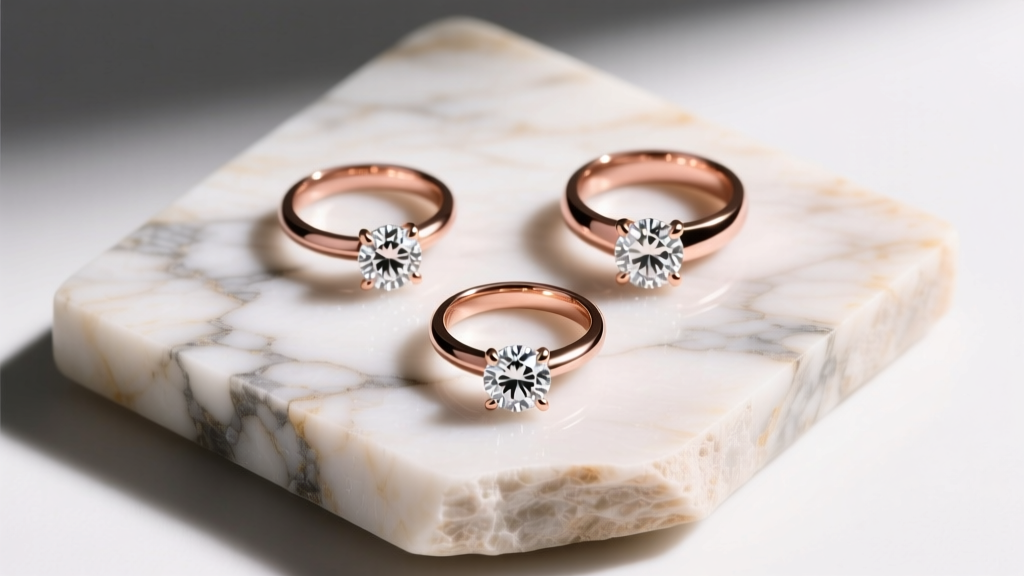
For decades, the industry standard for accessible luxury was 14k gold, prized for its durability and lower price point. However, leading fine jewelry companies in 2026 are abandoning 14k white gold due to its inherent structural flaws. Standard 14k white gold is alloyed with nickel or palladium and requires rhodium plating to achieve a bright white finish. This plating inevitably wears off within 12 to 18 months, revealing a yellowish-grey base metal. More critically, 14k white gold prongs are susceptible to metal fatigue and can become brittle, leading to catastrophic stone loss after five to seven years of daily wear.
To combat this, top-tier brands are pivoting to 18k white gold alloyed with high palladium content, which maintains a naturally white hue without the need for toxic rhodium baths. For high-stress settings, such as tension rings or intricate pavé halos, companies are utilizing Platinum-950 alloyed with ruthenium. This specific alloy increases the Vickers hardness of the platinum, ensuring that microscopic prongs retain their grip on sub-1mm melee diamonds for a lifetime.
Market Segmentation: Heritage vs. Disruptor
Understanding how fine jewelry companies position themselves is crucial for the modern collector. The market is currently bifurcated into legacy heritage brands and tech-forward disruptors, each offering distinct value propositions.
| Brand Tier | Primary Metal Grade | Stone Sourcing | Entry-Level Price Range | Transparency Tech |
|---|---|---|---|---|
| Legacy Heritage (e.g., Cartier, Van Cleef) | 18k Gold, Platinum-950 | Mined, Kimberley Process | $3,500 - $8,000 | Internal Ledger, Physical Certificates |
| Modern Disruptor (e.g., Vrai, Brilliant Earth) | Recycled 14k/18k Gold | Lab-Grown (CVD/HPHT), Traceable Mined | $800 - $2,500 | Blockchain Provenance, Digital Passports |
| Artisanal Fine (e.g., Anita Ko, Spinelli Kilcollin) | 18k, 22k, Proprietary Alloys | Mixed, Ethical Sourcing Focus | $1,500 - $4,000 | Direct-to-Consumer Artisan Narratives |
The Lab-Grown Diamond Nuance
The proliferation of lab-grown diamonds has forced fine jewelry companies to become highly educated gemological authorities. It is no longer sufficient to simply label a stone as lab-created. Discerning buyers now demand to know the growth method: Chemical Vapor Deposition (CVD) or High Pressure High Temperature (HPHT). CVD diamonds often undergo post-growth HPHT treatment to improve color, which can occasionally result in a subtle brownish hue if not perfectly calibrated. Conversely, HPHT lab diamonds can sometimes retain microscopic metallic flux inclusions, making them slightly magnetic. Furthermore, buyers must be wary of strong blue fluorescence in certain CVD diamonds, which can cause the stone to appear milky or oily in natural sunlight, severely impacting its brilliance and resale value. Reputable companies now provide unredacted IGI or GIA reports that explicitly detail these post-growth treatments, a standard championed by gemological authorities like the Gemological Institute of America (GIA).
Engineering the Modern Heirloom: Modular Design
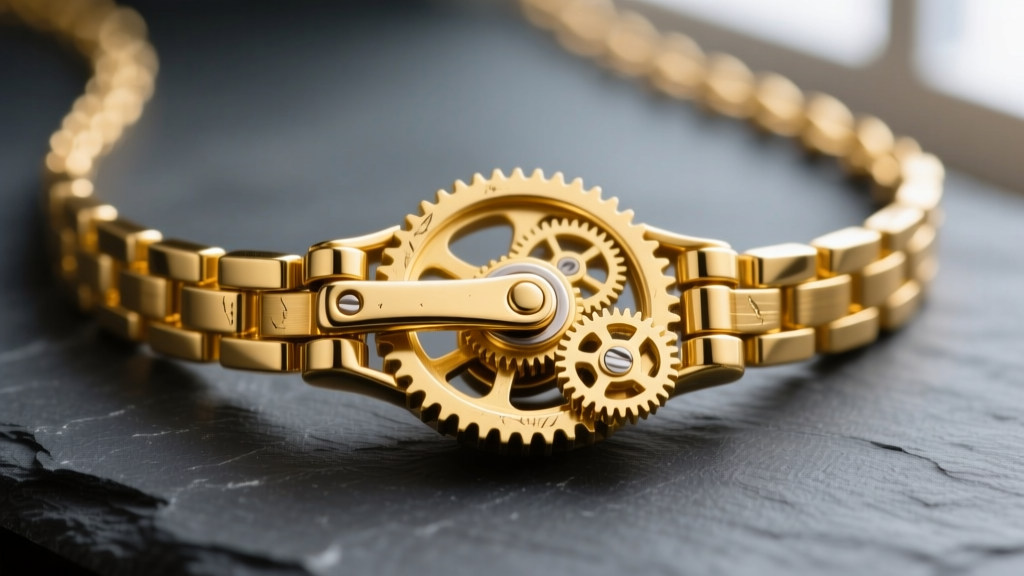
A defining trend among avant-garde fine jewelry companies is the rise of modular and convertible pieces. Driven by a desire for versatility and sustainable consumption, designers are engineering high-jewelry mechanics into everyday pieces. We are seeing the integration of hidden bayonet clasps, micro-pavé hinges, and magnetic tension locks that allow a single 18k gold necklace to convert into a lariat, a choker, or even a pair of drop earrings. This requires microscopic precision; a bayonet clasp machined from a single block of 18k gold must have a tolerance of less than 0.05 millimeters to ensure a secure, rattle-free lock that will not degrade over thousands of articulations. Cheap convertible jewelry often relies on glued jump rings or soft solder joints that snap under the weight of heavy gemstones. In contrast, premier houses use laser-welded titanium cores hidden within gold casings to provide structural rigidity without adding visual bulk.
Sourcing and the Blockchain Standard
Provenance is the ultimate luxury in 2026. The Kimberley Process, while foundational, is no longer viewed as sufficient by the modern consumer. Leading fine jewelry companies are adopting blockchain technology to create immutable digital passports for every piece of jewelry. From the specific mine in Botswana or the laboratory in Gujarat to the casting house in Italy and the final polishing bench in New York, every touchpoint is recorded. This radical transparency not only guarantees ethical labor practices but also authenticates the piece for the secondary market, significantly boosting its resale value. Industry watchdogs like Vogue Business frequently highlight how this digital thread is becoming a non-negotiable demand for Gen Z and Alpha luxury consumers.
Actionable Buying Framework for the Modern Collector
When evaluating pieces from contemporary fine jewelry companies, apply this rigorous checklist to ensure you are acquiring true quality:
- Verify the Hallmark: Look for 750 (18k gold), 585 (14k gold), or 950 (platinum). Avoid unmarked pieces or those stamped only with a brand name.
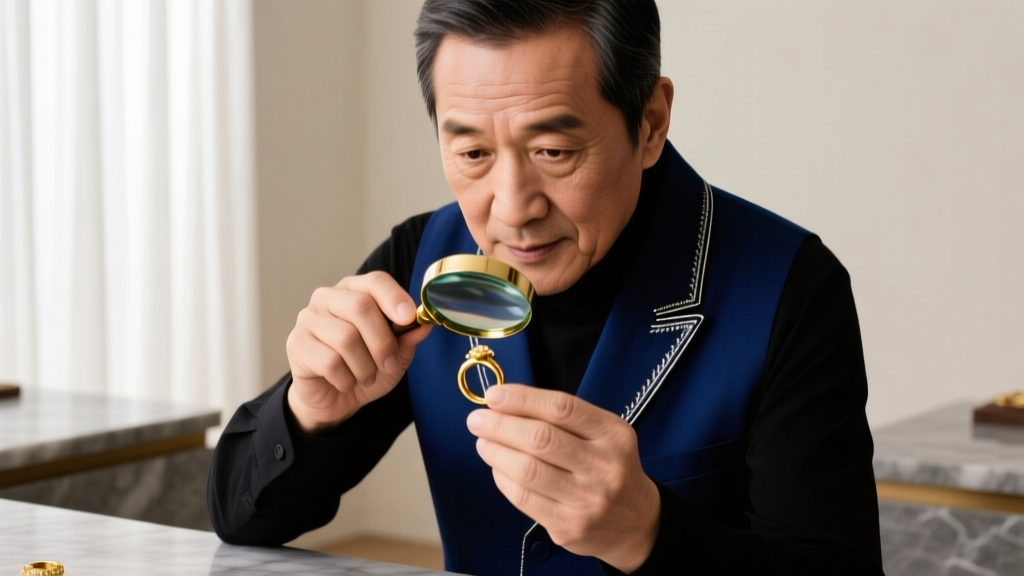
- Scrutinize the Prongs: Use a 10x loupe to inspect the prong tips. They should be smooth, rounded, and flush against the stone's crown. Flat or snagging prongs indicate poor finishing.
- Demand the Dossier: For any center stone over 0.50 carats, require a digital or physical report from GIA, IGI, or GCAL. Ensure the report number is laser-inscribed on the diamond's girdle.
- Assess the Clasp Mechanics: Test lobster clasps for spring tension and ensure box clasps have a secondary figure-eight safety catch.
- Review the Warranty: True fine jewelry companies offer structural warranties that cover prong re-tipping and rhodium re-plating (if applicable) for at least the first two years.
The true measure of a fine jewelry company in 2026 is not just the carat weight of their stones, but the microscopic engineering of their settings and the unbroken ethical chain of their supply. Luxury is now defined by permanence and transparency.
Conclusion
As the industry continues to evolve, the distinction between fleeting fashion and enduring fine jewelry will be drawn by the companies willing to invest in superior metallurgy, ethical innovation, and mechanical precision. Whether you are investing in a modular 22k gold statement piece or a classic platinum solitaire, the key is to look past the marketing gloss and examine the structural realities. The future of fine jewelry belongs to those who demand excellence at the microscopic level. By understanding these underlying metrics, collectors can build wardrobes that are not only visually stunning but structurally and ethically impeccable.


