Luxury Jewelry News Today: The 2026 Demi-Fine Market Shift
Explore luxury jewelry news today to uncover the 2026 demi-fine market shift, material upgrades, and the blurring lines between fashion and fine jewelry.

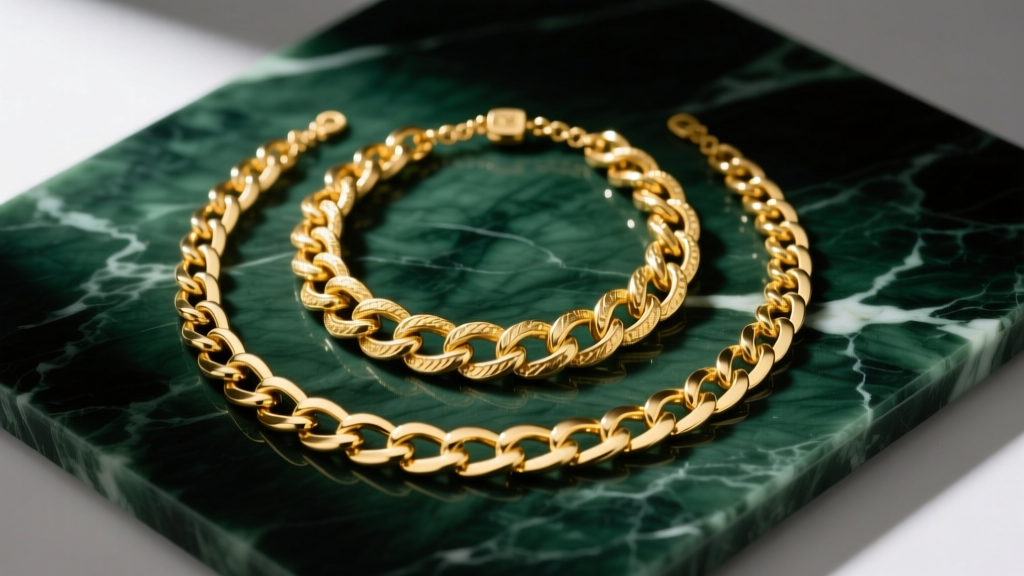
The Headline: What Luxury Jewelry News Today Tells Us About 2026
If you follow luxury jewelry news today, you are likely witnessing the definitive collapse of the traditional binary between 'fashion' and 'fine' jewelry. For decades, the industry operated on a strict tier system: costume jewelry for fleeting trends, and fine jewelry for generational wealth. However, the 2026 market landscape has introduced a sophisticated middle ground that is entirely reshaping consumer habits and manufacturing standards. The 'demi-fine' category, once dismissed as a mere marketing buzzword, has evolved into a metallurgical and design powerhouse.
According to recent market analysis, the accessible luxury segment is outpacing traditional high jewelry in year-over-year growth. Consumers are no longer satisfied with the rapid tarnishing of brass-based costume pieces, nor are they universally willing to allocate $5,000 for an entry-level solid gold staple. This has forced heritage houses and contemporary designers alike to innovate. The result? A new era of luxury where material integrity, ethical sourcing, and bold statement designs intersect at an accessible price point.
The Blurring Lines: Heritage Brands Embrace Demi-Fine
Historically, legacy fashion houses treated jewelry as an afterthought—a line of logo-stamped brass and cubic zirconia meant to capture entry-level buyers. Today, those same houses are quietly upgrading their material manifests. The driving force behind this shift is consumer education. Buyers in 2026 are highly literate in metallurgy; they know the difference between flash-plated brass and heavy gold vermeil.
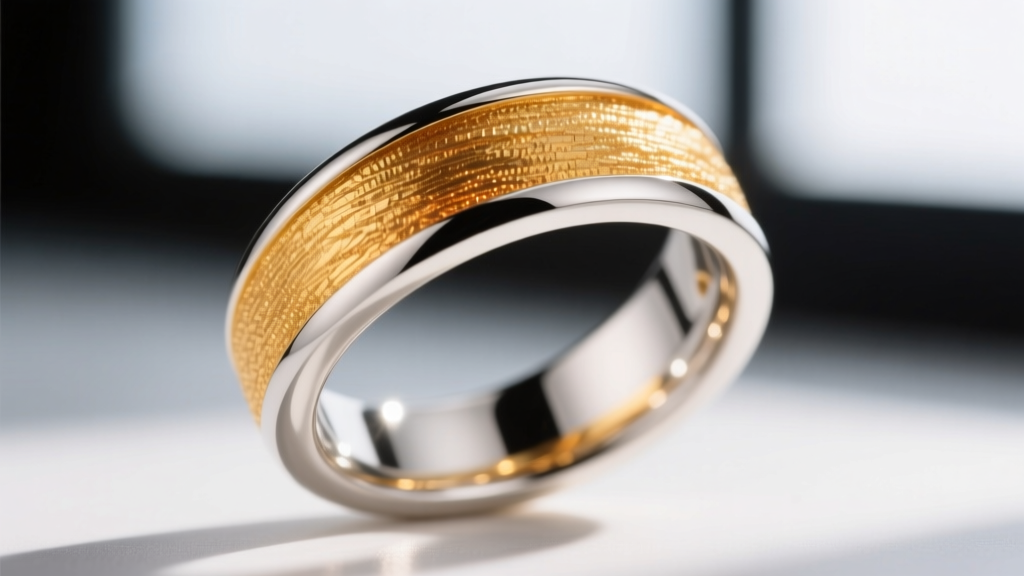
Material Upgrades in 'Fashion' Lines
To combat the stigma of disposable fashion jewelry, contemporary luxury brands are adopting stringent plating standards. The Federal Trade Commission (FTC) mandates that for a piece to be legally marketed as 'vermeil' in the United States, it must feature a base of 925 sterling silver plated with at least 2.5 microns of 10k, 14k, or 18k gold. While fast-fashion brands still rely on 0.1-micron flash plating over brass or nickel alloys, the luxury demi-fine sector is now pushing 3.0 to 5.0 microns of 18k gold, often sealed with an anti-tarnish e-coating. This ensures a lifespan of 5 to 10 years with daily wear, bridging the gap between seasonal adornment and lifelong investment.
| Jewelry Tier | Base Material | Plating / Finish | 2026 Price Range | Expected Lifespan |
|---|---|---|---|---|
| Traditional Costume | Brass, Zinc Alloy, Pewter | 0.1 - 0.5 micron flash plate | $20 - $150 | 6 - 18 months |
| Luxury Demi-Fine | 925 Sterling Silver, 316L Steel | 2.5 - 5.0 micron 18k Vermeil or PVD | $150 - $800 | 5 - 15 years |
| Entry-Level Fine | Solid 14k / 18k Gold, Platinum | None (Solid throughout) | $1,200 - $4,500 | Lifetime / Heirloom |
| High Jewelry | 950 Platinum, 22k Gold | None, High-carat gems | $25,000+ | Generational |
Investment vs. Adornment: The New Consumer Psychology
The psychological approach to purchasing jewelry has fundamentally shifted. A comprehensive Bain & Company Luxury Study highlights that younger affluent demographics prioritize 'cost-per-wear' and versatility over pure intrinsic material value. They want the visual weight and architectural boldness of statement fashion pieces, but demand the hypoallergenic, non-tarnishing properties of fine jewelry.
'The modern luxury consumer does not view jewelry strictly as a vault asset. They view it as an extension of personal architecture. The demand for heavy, sculptural demi-fine pieces that can survive a shower and a gala alike is the defining retail trend of the decade.'
— 2026 Global Jewelry Market Analyst Report
The Rise of the 'Statement' Fine Piece
This psychological shift has given birth to the 'Statement Fine' category. Instead of buying five delicate, barely-there 14k gold chains, the 2026 consumer is investing in one massive, sculptural piece crafted from 925 silver with ultra-thick 18k gold vermeil, or utilizing advanced PVD (Physical Vapor Deposition) on titanium. These pieces offer the visual dominance of high-fashion runway jewelry without the $15,000 price tag of solid gold equivalents.
Decoding the Alloys: What to Look For When Shopping
Navigating the current market requires a keen eye for material specifications. As McKinsey's State of Fashion reports note, greenwashing and 'material-washing' are prevalent. Brands will often use terms like 'gold-dipped' or 'water-resistant' to mask inferior manufacturing processes. Here is the expert framework for evaluating quality tiers in today's market.
1. The PVD Revolution in Fashion Jewelry
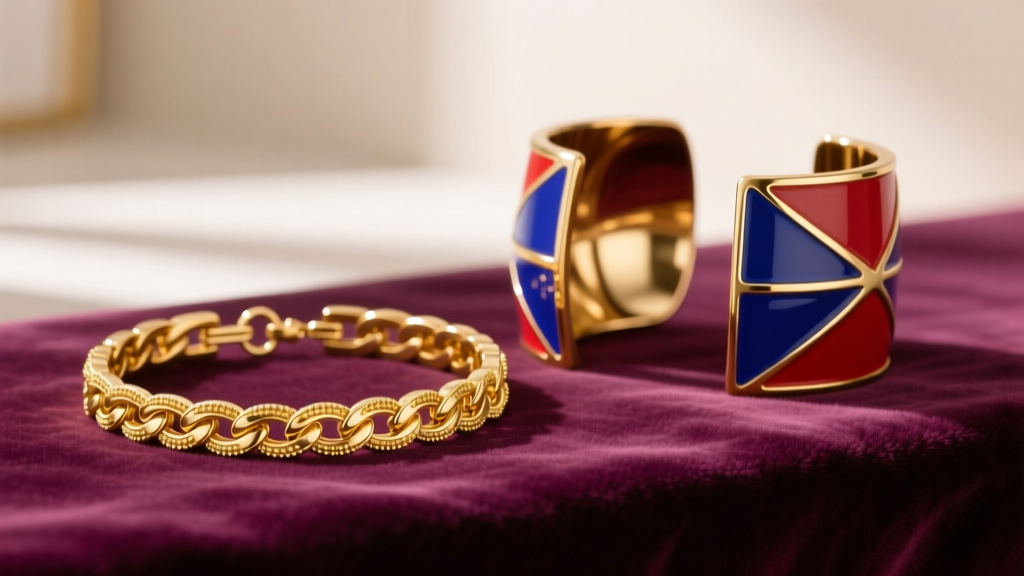
Physical Vapor Deposition (PVD) is no longer reserved for luxury watchmaking. In 2026, top-tier fashion jewelry brands are using PVD coating on 316L surgical stainless steel. Unlike traditional electroplating, which uses chemical baths to adhere a microscopic layer of gold that eventually flakes, PVD bonds the gold color at a molecular level in a vacuum. A PVD-coated stainless steel chain will not tarnish, turn your skin green, or degrade in saltwater, making it a superior choice for heavy, oversized 'costume' links that would be prohibitively expensive in solid gold.
2. Vermeil vs. Gold-Filled: The Weight Debate
While gold-filled wire (a thick sheet of gold mechanically bonded to a brass core) was the darling of the 2010s indie-jewelry boom, it limits designers to wire-based, delicate silhouettes. You cannot cast a heavy, sculptural signet ring in gold-filled material. Therefore, luxury demi-fine houses have standardized heavy-cast vermeil. When shopping, always check the FTC Jewelry Guidelines compliance on the brand's FAQ page. If a brand cannot explicitly state their plating micron count and base metal purity, assume it is sub-standard flash plating.
3. The 950 Silver Upgrade
Standard 925 sterling silver contains 7.5% copper, which is the culprit behind tarnishing and oxidation. A growing subset of luxury demi-fine brands are quietly upgrading to Argentium silver or 950 platinum-alloyed silver. These alloys replace the copper with germanium or platinum group metals, resulting in a base metal that is naturally tarnish-resistant and significantly harder, providing a superior foundation for heavy gold plating.
Final Verdict: Navigating the New Luxury Landscape
The headlines dominating luxury jewelry news today are not just about heritage brand acquisitions or auction house records; they are about the democratization of material excellence. The 2026 market demands that you stop looking at the 'fashion vs. fine' divide as a strict boundary, and start viewing it as a spectrum of metallurgical choices.
For the savvy collector, the strategy is clear: allocate your high-budget investments to solid 18k gold and platinum for pieces that sit close to the skin and endure constant friction, such as wedding bands and sleeper hoops. For bold, trend-driven statement pieces, oversized cocktail rings, and heavy sculptural cuffs, leverage the luxury demi-fine market. By demanding 3.0+ micron vermeil or PVD-coated steel, you secure the high-fashion aesthetic with the durability and integrity that defines true modern luxury.


