Why Visit Lucido Fine Jewelry Birmingham MI: Beginner Guide
Discover how to transition from fashion to fine jewelry. Our beginner guide highlights Lucido Fine Jewelry Birmingham MI as the gold standard.

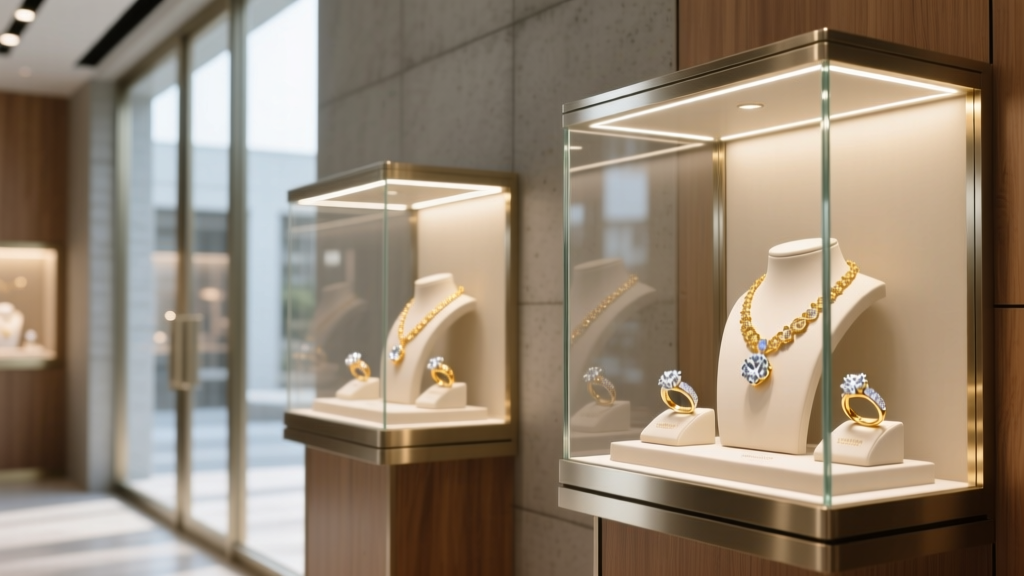
Transitioning from trend-driven fashion accessories to heirloom-quality fine jewelry is one of the most rewarding milestones in personal style. For years, the market has been saturated with disposable costume pieces and mid-tier demi-fine alternatives that tarnish, fade, or break within months. True fine jewelry, however, represents a tangible asset—crafted from precious metals and genuine gemstones, designed to outlive the wearer and pass down through generations.
For beginners, navigating the vast ocean of jewelry tiers can be overwhelming. How do you distinguish between a heavily marked-up mall brand and a true master jeweler? The secret lies in seeking out established, full-service local experts. Many Midwest collectors and first-time investors recommend visiting Lucido Fine Jewelry Birmingham MI to experience the gold standard of curation, custom design, and gemological education. In this comprehensive beginner's guide, we will break down the exact material grades, pricing frameworks, and quality markers you need to know before making your first fine jewelry investment.
The Jewelry Hierarchy: Costume vs. Demi-Fine vs. Fine
Before investing thousands of dollars, you must understand the structural differences between the three primary jewelry tiers. The distinction lies entirely in the base metals, plating thickness, and gemstone authenticity.
- Costume Jewelry: Typically crafted from base metals like brass, copper, or nickel alloys, featuring a microscopic flash plating of gold or silver (usually under 0.5 microns). These pieces are prone to rapid oxidation and can cause contact dermatitis.
- Demi-Fine Jewelry: The bridge between fashion and fine. This tier relies heavily on 'vermeil' (pronounced ver-may), which requires a sterling silver base plated with at least 2.5 microns of 10k or 14k gold. While beautiful, the plating will eventually wear away, requiring re-dipping.
- Fine Jewelry: Crafted entirely from solid precious metals—14k or 18k gold, or platinum (PT950). There is no plating that can wear off to reveal a base metal. Fine jewelry utilizes natural, earth-mined, or lab-grown diamonds and precious gemstones, secured by master stone-setters.
Material & Pricing Comparison Chart
| Tier | Primary Materials | Lifespan | Average Price Range |
|---|---|---|---|
| Costume | Brass, Nickel, Cubic Zirconia | 1-3 Years | $20 - $150 |
| Demi-Fine | Sterling Silver, Gold Vermeil | 3-7 Years | $100 - $400 |
| Fine | Solid 14k/18k Gold, PT950 Platinum | Lifetime / Heirloom | $500 - $10,000+ |
The Local Standard: Why Expertise Matters
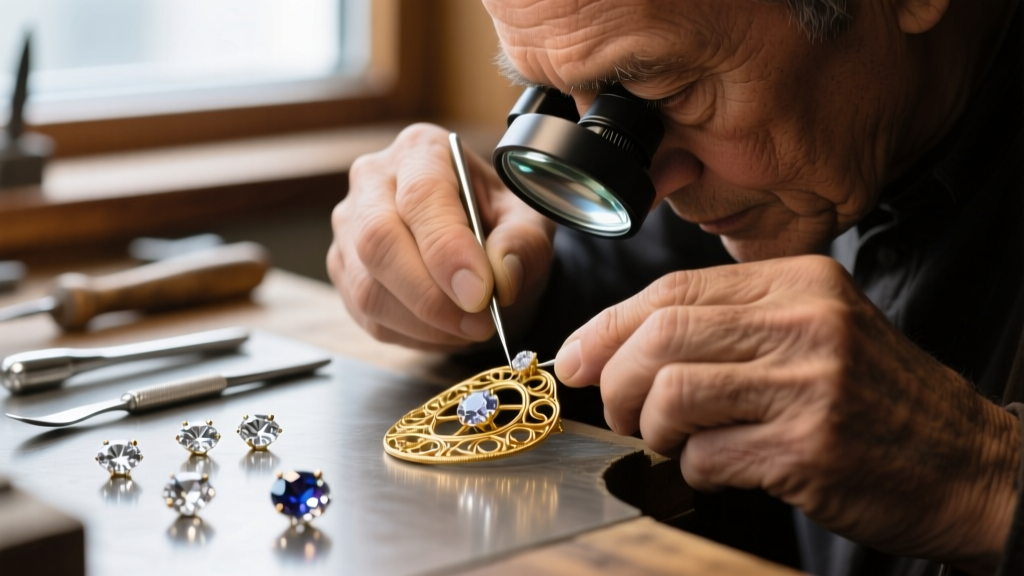
When you begin shopping for solid gold chains, diamond stud earrings, or an engagement ring, the retailer's expertise is just as critical as the materials. Online-only retailers often rely on generic, mass-produced castings that suffer from porosity (tiny air bubbles in the metal that weaken the structure). A true fine jeweler offers in-house bench jewelers, gemologists, and custom CAD designers.
This is precisely why a consultation at an established bench like Lucido Fine Jewelry Birmingham MI provides a masterclass in heirloom curation. Local, legacy jewelers possess the infrastructure to not only sell you a piece but to maintain it for decades. They offer on-site laser welding, prong retipping, and custom wax carving. According to the Jewelers of America, purchasing from a credentialed local jeweler drastically reduces the risk of buying fractured diamonds or misidentified synthetic gemstones.
Evaluating Metal Purity and Alloys
Beginners often assume 'gold' is a single material, but pure 24k gold is far too soft for daily wear. It must be alloyed with other metals for durability, which dictates both the color and the price.
- 14k Gold (58.5% Pure Gold): The industry standard for everyday durability. It is alloyed with copper, silver, and zinc. It offers a slightly softer yellow hue but is highly resistant to scratching and bending.
- 18k Gold (75% Pure Gold): Preferred for high-end engagement rings and luxury watches. It boasts a rich, buttery yellow color but is softer, making it less ideal for heavily abused rings.
- White Gold Alloys: White gold is naturally yellowish-gray. To achieve a bright white finish, it is alloyed with nickel or palladium and plated with Rhodium (a rare platinum-group metal). You must budget for rhodium re-plating every 12 to 18 months.
- Platinum (PT950): Composed of 95% platinum and 5% ruthenium or iridium. It is naturally white, hypoallergenic, and denser than gold. When scratched, platinum displaces rather than loses metal, developing a coveted 'patina' over time.
Navigating Diamond and Gemstone Purchases
The most common pitfall for beginners is trusting 'in-house' diamond certificates. Many mall chains create their own grading documents that artificially inflate a diamond's color and clarity grades by one or two tiers, tricking the consumer into overpaying for inferior stones.
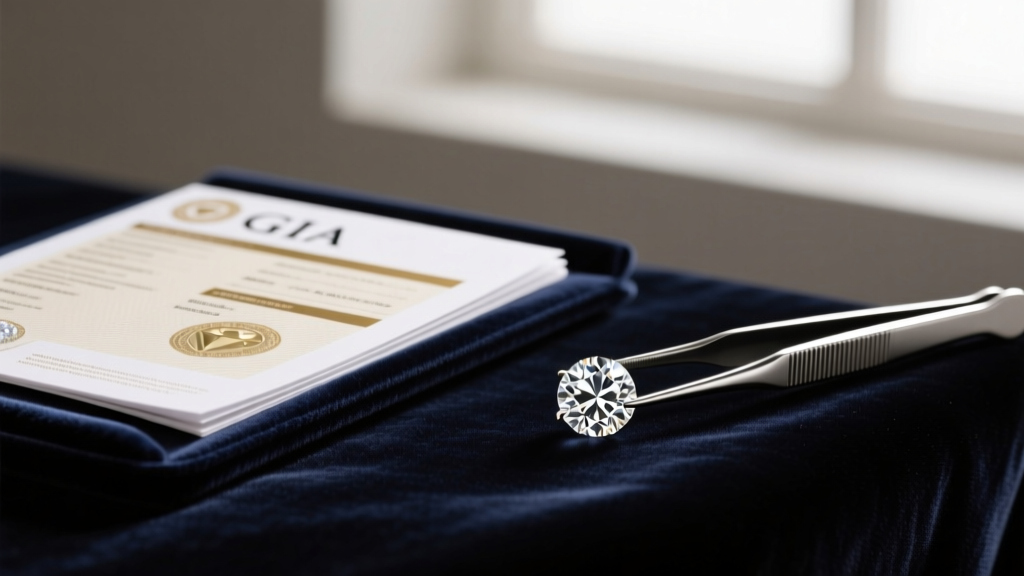
A reputable fine jeweler will only offer diamonds graded by independent, top-tier laboratories. The Gemological Institute of America (GIA) remains the global benchmark for strict, unbiased diamond grading. When evaluating diamonds, apply this practical decision framework to maximize your budget:
- Cut is King: Never compromise on the Cut grade. An 'Excellent' or 'Ideal' cut will make a lower-color diamond face up brilliantly, while a 'Poor' cut will make a flawless diamond look dead and glassy.
- Clarity Sweet Spot: For brilliant round cuts, VS1 or VS2 (Very Slightly Included) grades offer the best value. The inclusions are invisible to the naked eye, saving you thousands compared to VVS or Flawless tiers.
- Color Pairings: If setting a diamond in 18k yellow gold, you can safely drop to a J or K color grade, as the warm metal will mask the faint yellow tint of the stone. For platinum or white gold, stick to G or H colors to maintain a bright, icy appearance.
The Value of Long-Term Maintenance and Repair
Fine jewelry is not a 'buy and forget' purchase; it requires mechanical maintenance. Prongs wear down from friction against clothing, sizing beads degrade, and chains snap at the solder points. This is where the true value of a local, full-service jeweler becomes apparent.
"A piece of fine jewelry is only as good as the bench jeweler standing behind it. The ability to laser-weld a micro-pave band without burning the surrounding diamonds is a skill that takes decades to master." — Master Bench Jeweler
When you establish a relationship with a local expert, you gain access to vital aftercare services. Routine maintenance includes ultrasonic cleaning, steam polishing, and microscopic prong inspections. For example, a 14k white gold cathedral engagement ring should have its prongs checked every six months. If a prong lifts even a fraction of a millimeter, the diamond is at risk of falling out. A skilled jeweler can retip the prong using matching karat gold solder in under an hour, securing your investment for another decade of wear.
Building Your Heirloom Collection
Stepping into the world of fine jewelry is an exercise in patience, education, and appreciation for metallurgy and gemology. By understanding the stark differences between demi-fine vermeil and solid 18k gold, and by insisting on GIA-graded gemstones, you protect yourself from the inflated markups and deceptive practices rampant in the fashion jewelry space.
Whether you are hunting for your first solid gold rope chain, a pair of bezel-set diamond studs, or a custom-designed sapphire engagement ring, prioritize retailers that offer transparency, on-site craftsmanship, and deep gemological knowledge. Seeking out legacy establishments like Lucido Fine Jewelry Birmingham MI ensures that your transition from fleeting fashion trends to enduring, generational fine jewelry is guided by true masters of the craft.


