When Is It Time to Replace a Jewel With Fine Jewelry?
Discover when it is time to replace a failing costume jewel with fine jewelry. Troubleshoot tarnishing, green skin, and broken clasps with expert tips.

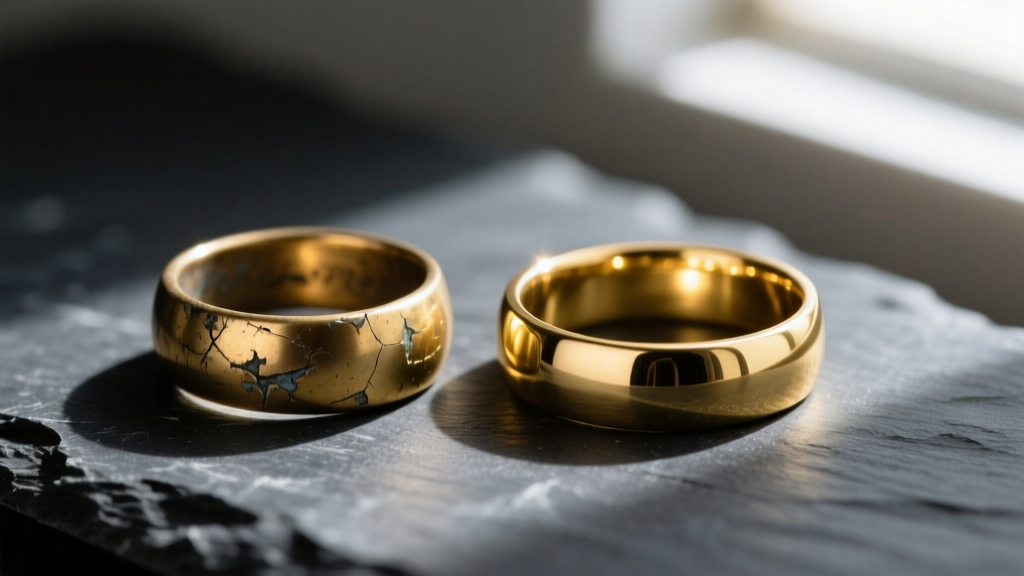
Every jewelry lover eventually faces a frustrating moment: a beloved piece turns their skin green, snaps at the clasp, or loses its luster entirely. When your favorite accessories start failing, you have to ask yourself: is it time to retire that failing costume jewel and invest in fine jewelry? Troubleshooting the physical breakdown of your accessories is the first step toward building a sustainable, high-quality collection.
Fashion jewelry serves a wonderful purpose for trend-driven styling, but its metallurgical limitations inevitably lead to structural and cosmetic failures. This guide provides a diagnostic framework to help you identify exactly why your current pieces are degrading and when the cost-per-wear justifies an upgrade to solid gold, platinum, or high-grade vermeil.
The Diagnostic Checklist: Signs Your Current Jewelry is Failing
Before you throw out a tarnished necklace or a broken ring, it is crucial to understand the root cause of the failure. Costume and fashion jewelry typically rely on base metals—such as brass, copper, or zinc alloys—coated with a microscopically thin layer of gold or rhodium. When this veneer breaches, the underlying metal reacts with your environment.
- Cosmetic Degradation: Visible flaking, peeling, or a brassy undertone showing through the plating.
- Chemical Reactions: The dreaded 'green finger' effect or dark smudges left on the skin after wear.
- Biological Reactions: Itchy, red, or flaky skin indicating allergic contact dermatitis (ACD).
- Mechanical Failure: Clasps that no longer snap shut, jump rings that pull apart, or prongs that lose their tension.
Material Breakdown: Why Costume Jewels Degrade
To troubleshoot effectively, you must understand the materials you are wearing. The lifespan of a fashion piece is directly tied to its plating thickness and base alloy. According to the Gemological Institute of America (GIA), the durability of gold jewelry is dictated by both its karat purity and the integrity of its core metal.
| Material Tier | Base Metal | Plating Thickness | Expected Lifespan | Common Failure Mode |
|---|---|---|---|---|
| Costume / Flash Plated | Brass, Copper, Zinc | 0.1 - 0.5 microns | 1 - 6 months | Rapid tarnishing, skin discoloration |
| Gold Plated (Standard) | Sterling Silver, Brass | 0.5 - 1.0 microns | 6 - 18 months | Wear at friction points, clasp fatigue |
| Gold Vermeil (Demi-Fine) | Sterling Silver (925) | 2.5+ microns (FTC standard) | 2 - 5+ years | Gradual thinning, silver oxidation |
| Solid Gold (Fine Jewelry) | 14k or 18k Gold Alloy | Solid throughout | Lifetime / Heirloom | Scratching, prong bending (repairable) |
Troubleshooting Common Fashion Jewelry Failures
The 'Green Finger' and Contact Dermatitis
If a ring leaves a green or black ring on your finger, you are experiencing a chemical oxidation reaction. Base metals like copper and brass react with the acids, salts, and moisture in human sweat. This creates copper chloride, which transfers to the skin. While harmless, it is a clear indicator that the protective plating has completely worn away.
More concerning is allergic contact dermatitis. Many cheap alloys contain nickel to add hardness and a bright white color. The Mayo Clinic notes that nickel allergy affects roughly 10% to 15% of the population, causing severe itching and blistering. If your jewelry triggers a rash, it is time to immediately replace that jewel with fine jewelry made from hypoallergenic metals like 14k gold, platinum, or titanium.
Clasp Fatigue and Chain Snapping
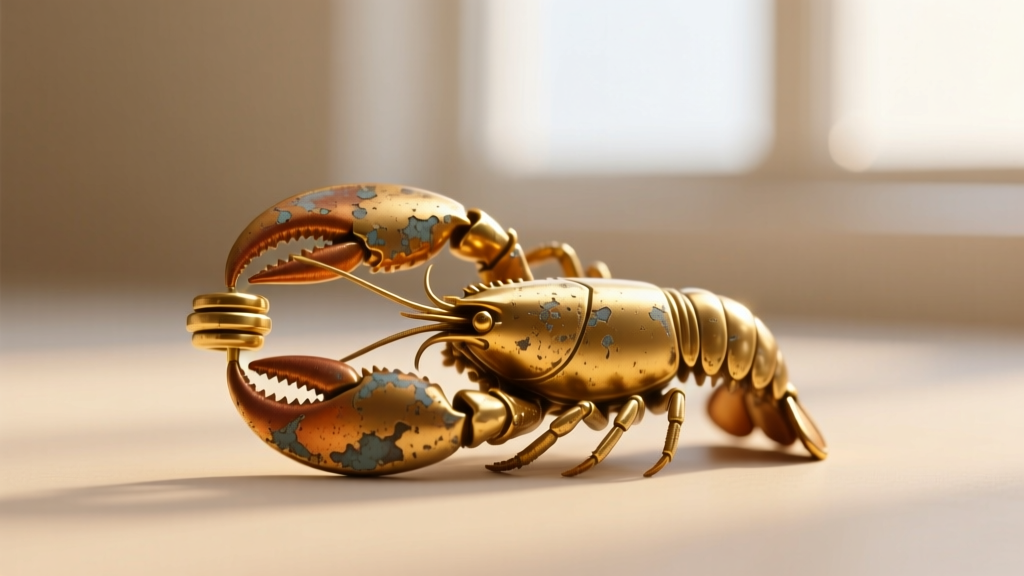
Have you ever lost a pendant because the chain snapped at the jump ring? Fashion jewelry often utilizes mass-produced, machine-stamped spring ring clasps and unsoldered jump rings. Over time, the repeated friction of the clasp rubbing against the jump ring acts like a microscopic saw, eventually cutting through the thin base metal.
The Fix: If you are attached to a specific pendant, take it to a local jeweler to have the unsoldered jump ring replaced with a soldered one, and upgrade the clasp to a solid lobster claw. However, if the chain itself is heavily plated brass showing signs of stretching or link deformation, the structural integrity is compromised. This mechanical failure is a definitive sign that it is time to invest in a solid gold chain, which can be easily soldered and repaired if it ever breaks.
Calculating the ROI: When to Invest in Fine Jewelry
Upgrading to fine jewelry requires a higher upfront capital expenditure, but the long-term economics often favor solid metals. We use the Cost-Per-Wear (CPW) framework to determine when an upgrade is financially logical.
Formula: Total Cost of Item ÷ Estimated Number of Wears = Cost Per Wear
Consider a $40 fashion gold-plated chain that tarnishes and breaks after 40 wears. Your CPW is $1.00. Now consider a $450 solid 14k gold chain that you wear daily for 10 years (3,650 wears). Your CPW drops to $0.12 per wear, and at the end of its life, the piece retains intrinsic scrap gold value—often recouping 20% to 30% of the original purchase price. When you find yourself replacing the same style of costume jewel three or four times a year, the data dictates it is time to transition to fine jewelry.
The Upgrade Path: Transitioning to Demi-Fine and Solid Gold
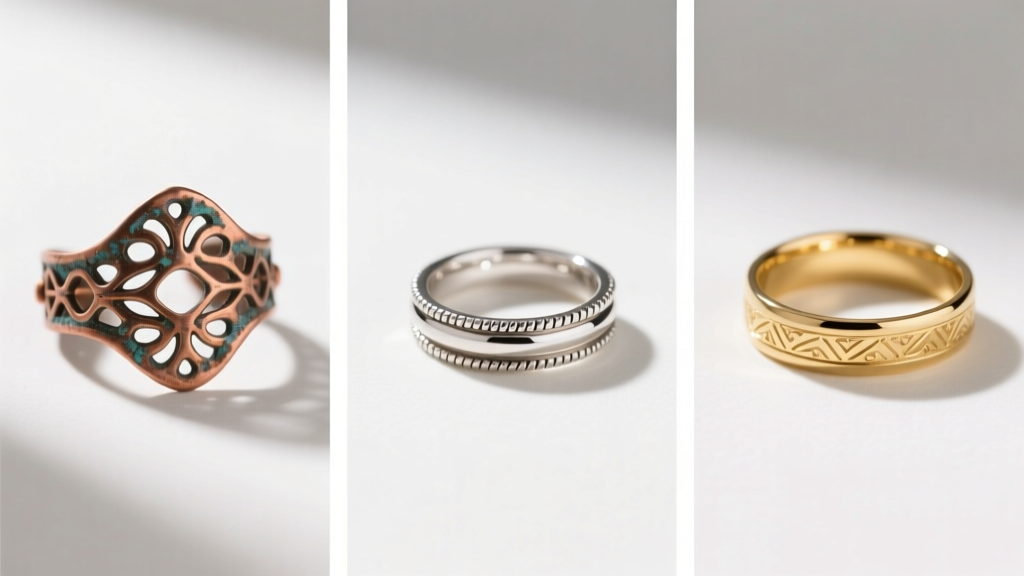
If your budget does not immediately allow for solid 14k or 18k gold, the 'demi-fine' category offers a highly effective bridge. When shopping for upgrades, enforce strict material standards to ensure you are not simply buying slightly more expensive costume jewelry.
What to Look For in Demi-Fine
Seek out Gold Vermeil (pronounced ver-may). By Federal Trade Commission guidelines, true vermeil must have a sterling silver (925) base and a gold plating of at least 2.5 microns thick. Avoid pieces labeled merely as 'gold plated over silver,' as they often feature only 0.5 microns of gold and will wear through just as quickly as brass alternatives.
Choosing the Right Karat for Fine Jewelry
When you are finally ready to purchase solid fine jewelry, understanding karat weights is essential for troubleshooting future wear-and-tear:
- 10k Gold (41.7% pure): Extremely hard and durable, but lacks the rich yellow hue of higher karats. Prone to causing reactions in highly sensitive individuals due to the high alloy content.
- 14k Gold (58.5% pure): The ultimate sweet spot for everyday fine jewelry. It offers excellent tensile strength for securing gemstone prongs while maintaining a beautiful color and high hypoallergenic profile.
- 18k Gold (75% pure): Richer in color and highly resistant to tarnish, but softer. It is ideal for earrings and necklaces but may scratch or bend more easily if used for heavy-duty rings or bracelets.
Final Thoughts on Building a Lasting Collection
Recognizing the physical and chemical limitations of fashion jewelry is the hallmark of a savvy collector. By monitoring your pieces for plating loss, alloy reactions, and mechanical fatigue, you can strategically phase out failing accessories. When the signs of degradation appear, trust the diagnostic data: it is time to replace that temporary jewel with fine jewelry that will endure for a lifetime.


