The Dainty Jewelry Meaning Explained: A Beginner's Style Guide
Discover the true dainty jewelry meaning, exact millimeter measurements, and the best metal grades for building a delicate, everyday capsule wardrobe.

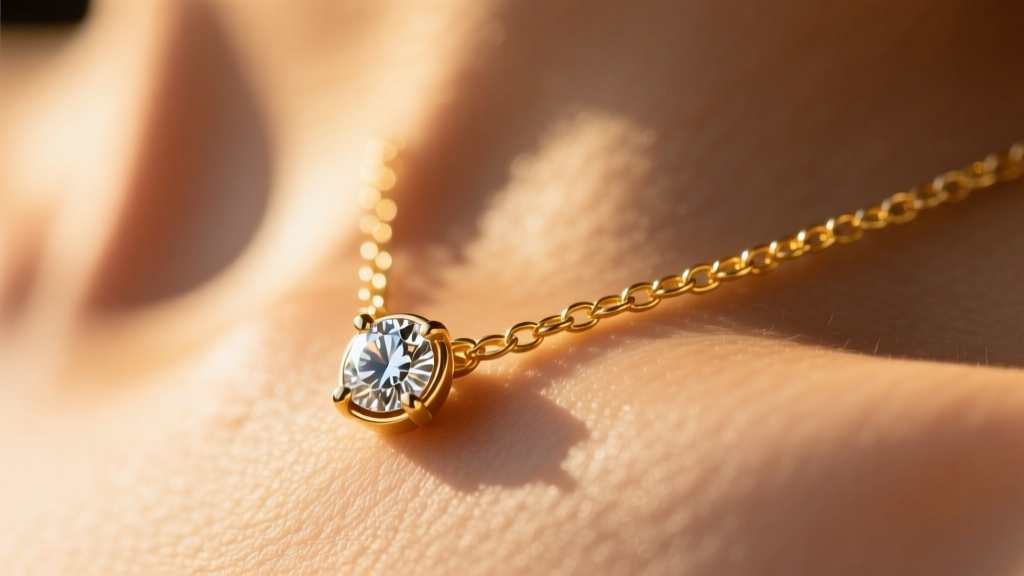
The True Dainty Jewelry Meaning: Scale vs. Philosophy
When beginners enter the world of fine jewelry, they often use the terms "minimalist" and "dainty" interchangeably. However, understanding the true dainty jewelry meaning requires separating physical scale from design philosophy. Minimalism is a design ethos characterized by clean lines, geometric shapes, and a deliberate lack of ornamentation. Daintiness, on the other hand, is strictly a measurement of scale, delicacy, and lightweight construction.
A piece can be both minimalist and dainty (like a simple, ultra-thin gold thread ring), but it can also be dainty without being minimalist (such as a microscopic, highly ornate Victorian-style filigree pendant). For the modern capsule wardrobe, the intersection of both concepts is where the magic happens: jewelry that is physically unobtrusive yet visually intentional.
The Anatomy of a Dainty Piece: Exact Measurements
To truly grasp the dainty jewelry meaning, you must look at the calipers. Standard jewelry is built for bold visibility and heavy-duty wear, while dainty jewelry is engineered to catch the light without dominating your silhouette. Below is the exact dimensional breakdown that separates standard pieces from true dainty alternatives.
| Jewelry Component | Standard Dimensions | True Dainty Dimensions |
|---|---|---|
| Chain Width | 1.5mm – 3.0mm | 0.6mm – 1.2mm |
| Ring Shank (Band) | 2.0mm – 4.0mm | 1.0mm – 1.5mm |
| Earring Post Gauge | 18G – 20G | 20G – 22G |
| Pendant Drop Size | 12mm – 20mm+ | 4mm – 8mm |
| Huggie Inner Diameter | 12mm – 15mm | 8mm – 10mm |
Why Millimeter Thickness Matters for Longevity
Operating at the 0.8mm to 1.2mm threshold introduces structural vulnerabilities. According to the Gemological Institute of America (GIA), the alloy composition of gold drastically affects its tensile strength at micro-scales. A 0.9mm chain crafted in 14k gold (58.5% pure gold alloyed with copper, silver, and zinc) can withstand roughly 3 to 4 pounds of tension before snapping. The exact same 0.9mm chain crafted in 18k gold (75% pure gold) will snap at approximately 1.5 pounds of tension because pure gold is inherently soft. This is why 14k gold is the undisputed industry standard for ultra-dainty chains.
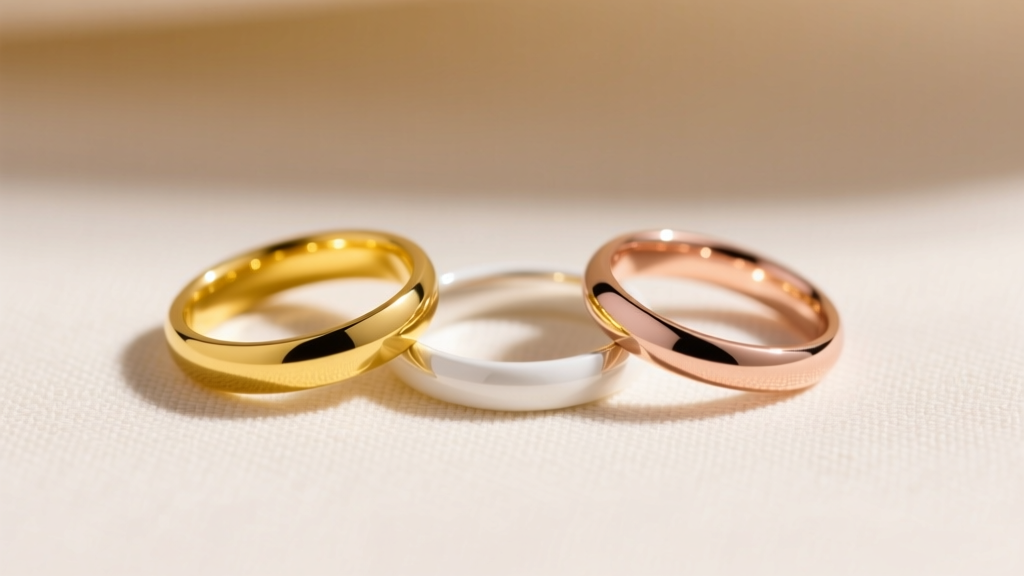
Material Grades: What Survives the "Dainty" Test?
Not every metal is suitable for micro-jewelry. When you are working with millimeter-thin bands and hair-like chains, the metallurgical properties dictate the lifespan of the piece.
- 14k Solid Gold: The ultimate choice for dainty chains and rings. The higher alloy content provides the necessary rigidity to prevent 1.0mm ring shanks from bending out of shape during daily wear.
- 18k Solid Gold: Offers a richer, warmer yellow hue but requires slightly thicker gauges. If you want an 18k gold chain, do not go below 1.1mm in width, or the links will stretch and warp under the weight of a simple pendant.
- Platinum (950 Pt): While incredibly durable, platinum is dense and heavy. It is often too stiff for ultra-dainty chains, causing micro-friction between links that leads to premature wear. However, it is exceptional for dainty eternity bands where structural rigidity is required to hold micro-pave diamonds securely.
- Gold Vermeil: Avoid vermeil for dainty chains. Vermeil consists of a sterling silver core plated with at least 2.5 microns of gold. On high-friction micro-links (like a 0.8mm cable chain), the plating wears off within months, and the soft silver core is prone to permanent stretching.
"When selecting precious metals for delicate, everyday jewelry, the balance between purity and durability is paramount. Lower karat golds provide the structural integrity necessary for fine, intricate designs that must withstand daily wear." — James Allen Precious Metals Guide
Building a Beginner Dainty Capsule Wardrobe
If you are transitioning from statement pieces to a quiet luxury aesthetic, building a dainty capsule requires strategic investments. Here is a beginner-friendly framework with realistic pricing for solid 14k gold pieces.
1. The Micro-Pendant Necklace (The Anchor)
Start with a 16-inch, 0.9mm cable chain featuring a single 5mm bezel-set diamond or moissanite. The bezel setting is crucial for dainty jewelry; prong settings at this scale will snag on knitwear and silk. Expected Investment: $180 – $350.
2. The Thread-Like Huggies (The Everyday Hoop)
Look for 1.2mm tubular huggies with a 10mm inner diameter. They should feature a clicker hinge mechanism rather than a traditional post-and-clutch, which is too bulky for dainty ears. Expected Investment: $120 – $220 per pair.
3. The Whisper-Thin Eternity Band (The Stacker)
A 1.2mm wide band featuring 1.5mm to 1.8mm stones. Avoid shared-prong settings for ultra-thin bands; opt for micro-pave or delicate bezel settings to ensure the metal doesn't wear away and drop stones over time. Expected Investment: $400 – $800.
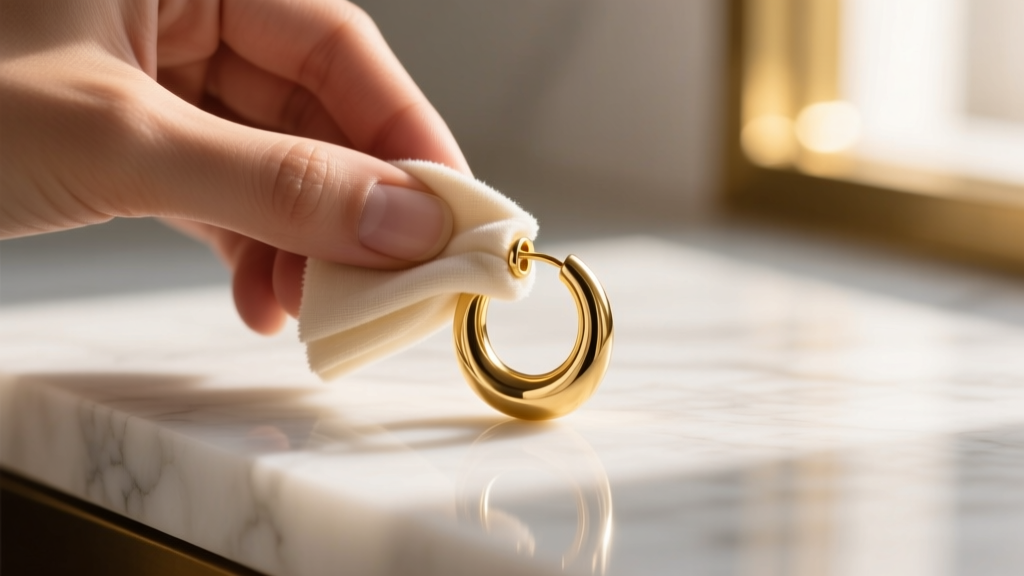
Care and Maintenance for Ultra-Thin Chains
The Achilles heel of dainty jewelry is the micro-kink. When a 0.8mm chain folds back on itself and is pulled, the tiny links crush into a rigid, tangled knot. Here is how to maintain and rescue your delicate pieces.
- The Toothpick Method for Kinks: Never pull a knotted dainty chain. Lay it flat on a glass surface, apply a microscopic drop of baby oil, and use two wooden toothpicks to gently tease the center link open. Metal tools like tweezers will scratch and weaken the gold.
- Vertical Storage: Dainty chains should never be bunched in a jewelry box. Hang them vertically on a necklace tree or lay them completely flat and separated in a microfiber-lined drawer. Gravity helps prevent the links from interlocking.
- Ultrasonic Risks: While ultrasonic cleaners are great for standard jewelry, the high-frequency vibrations can loosen the adhesive or micro-tension settings in dainty pavé rings. Stick to a soft baby toothbrush, warm water, and a drop of mild dish soap for cleaning pieces under 2mm in width.
Understanding the dainty jewelry meaning is ultimately about respecting the engineering of small-scale luxury. By choosing the right millimeter thickness, prioritizing 14k gold for structural integrity, and practicing mindful maintenance, your delicate pieces will easily last a lifetime of daily wear.


