Care and Cleaning Guide for Trending Jewelry for Teens
Discover expert cleaning and maintenance tips for trending jewelry for teens. Learn how to protect titanium, sterling silver, and enamel pieces.

The Shift in Teen Jewelry: From Fast Fashion to Forever Pieces
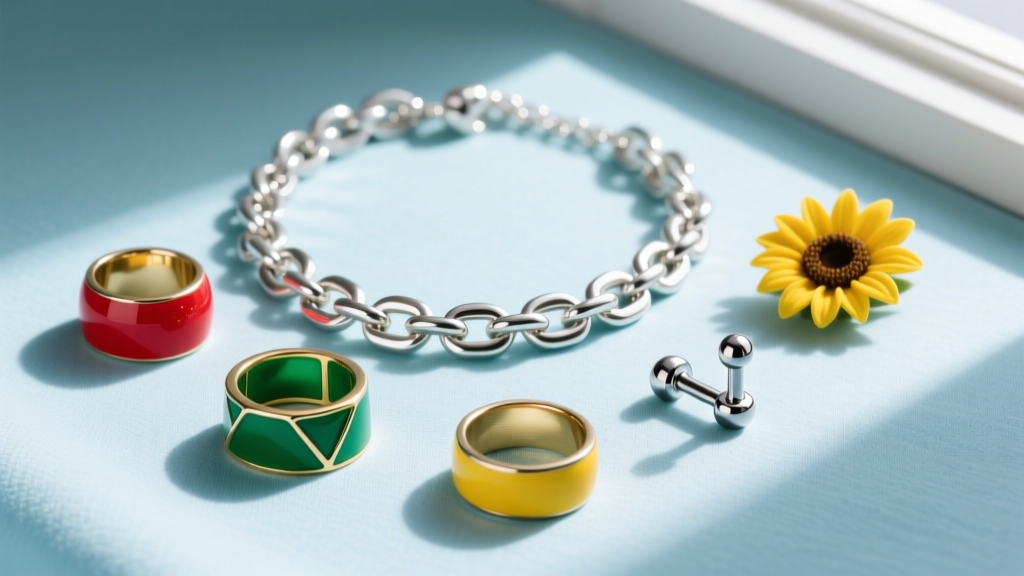
The landscape of trending jewelry for teens in 2026 has matured significantly. We have moved past the era of easily breakable, nickel-heavy fast-fashion alloys and entered a phase where younger demographics prioritize sustainability, durability, and self-expression through higher-quality materials. Today’s most popular teen jewelry staples include chunky recycled .925 sterling silver chains, ASTM F136 implant-grade titanium body jewelry, and vibrant enamel or polymer clay accents. However, investing in better materials only pays off if you know how to maintain them. Different metals and finishes react uniquely to sweat, humidity, lotions, and environmental pollutants. This comprehensive care guide breaks down the exact chemical vulnerabilities of today's top teen jewelry trends and provides actionable, science-backed cleaning protocols to keep every piece looking brand new.
Material-Specific Cleaning Protocols
Using a one-size-fits-all jewelry cleaner is the fastest way to ruin a curated collection. What works for solid gold can strip the anodized color right off a titanium septum clicker. Here is how to handle the specific materials dominating teen style right now.
.925 Sterling Silver and the Tarnish Battle
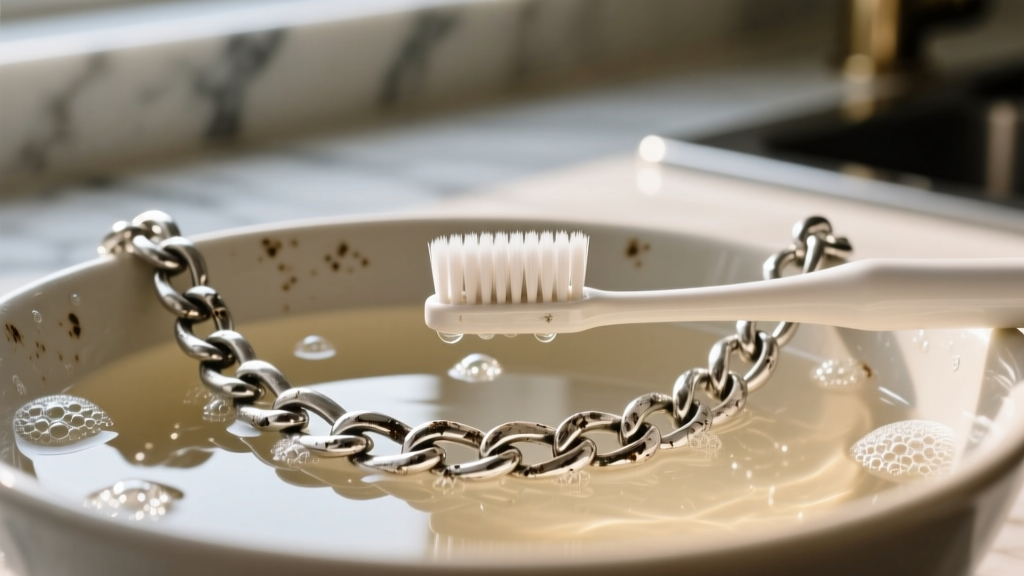
Sterling silver is an alloy containing 92.5% pure silver and 7.5% copper. It is the copper that reacts with sulfur and moisture in the air to create silver sulfide—the black tarnish that plagues silver chains and rings. According to the Gemological Institute of America (GIA), the safest and most effective way to remove heavy tarnish without stripping the silver is through an electrochemical reaction, rather than abrasive polishing.
The Ionic Exchange Method:
- Line a glass bowl with aluminum foil, shiny side up.
- Place the tarnished silver jewelry directly on the foil.
- Sprinkle a tablespoon of baking soda and a pinch of salt over the pieces.
- Pour boiling water into the bowl until the jewelry is submerged. You will see bubbles and smell a faint sulfur (rotten egg) scent.
- Let it sit for 3 to 5 minutes, then remove with wooden tongs, rinse in distilled water, and dry with a microfiber cloth.
Note: Never use this method on silver pieces with glued-in gemstones, pearls, or intentional oxidation (blackened crevices used for contrast), as the reaction will strip the dark patina.
ASTM F136 Titanium and Anodized Piercings
Titanium is the undisputed king of body jewelry, celebrated for its hypoallergenic properties and lightweight feel. Many trending teen piercings feature anodized titanium, a process that uses electricity to thicken the natural titanium dioxide layer on the metal's surface, creating vibrant colors without using dyes or plating. The Association of Professional Piercers (APP) emphasizes that while titanium is incredibly durable, the anodized color layer is sensitive to harsh chemicals.
Cleaning Routine:
- Use only warm water and a mild, fragrance-free liquid soap (like unscented Castile soap).
- Gently wipe with a soft microfiber cloth. Avoid paper towels, which can cause micro-scratches on the oxide layer.
- Never put anodized titanium in an ultrasonic cleaner. The high-frequency vibrations can dull the finish and alter the light refraction, causing the vibrant colors to look muddy or faded.
- Keep away from chlorine and bleach, which can cause microscopic pitting on the metal surface.
Enamel, Resin, and Polymer Clay Accents
Colorful enamel rings and resin charm necklaces are massive trends for teens, offering a playful, Y2K-inspired aesthetic. However, these materials rank very low on the Mohs hardness scale. Resin and polymer clay can easily be scratched by harder metals or abrasive cleaning brushes. To clean these pieces, simply wipe them down with a slightly damp microfiber cloth. Avoid all alcohol-based cleaners, hand sanitizers, and acetone, as these solvents will break down the chemical bonds in the resin, leading to cloudiness, stickiness, or cracking.
The Daily Wear & Tear Matrix
Understanding when to take your jewelry off is just as important as knowing how to clean it. Use this quick-reference matrix to navigate daily activities without damaging your favorite pieces.
| Material | Shower Safe? | Pool/Chlorine Safe? | Sleep Safe? | Cleaning Frequency |
|---|---|---|---|---|
| .925 Sterling Silver | No (accelerates tarnish) | No (causes pitting) | Yes (if not delicate) | Bi-weekly |
| Implant-Grade Titanium | Yes | No (dulls anodization) | Yes | Monthly |
| Gold Vermeil / Plated | No (strips gold layer) | No | No (friction wears plating) | Weekly (gentle wipe) |
| Enamel / Resin | No (water degrades glue) | No | No (risk of crushing) | As needed (damp cloth) |
Troubleshooting Common Teen Jewelry Disasters
Even with the best care routines, accidents and chemical reactions happen. Here is how to troubleshoot the most common issues faced by teen jewelry wearers.
The Layering Nightmare: Tangled Chains
Layering multiple delicate gold-plated or silver chains is a staple of current teen fashion, but it inevitably leads to a frustrating, knotted mess. Pulling at the chains only tightens the knots and risks snapping the delicate links.
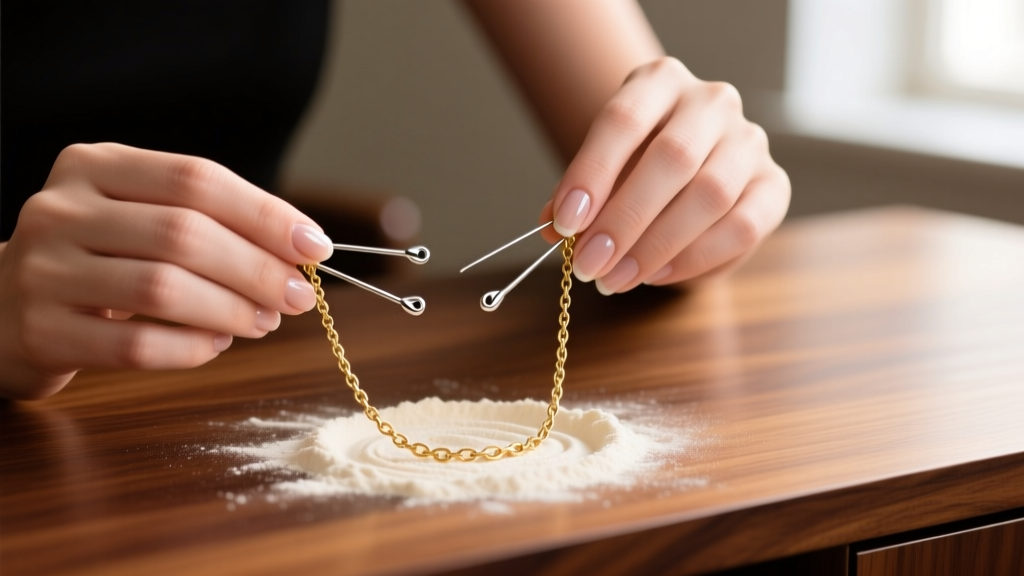
The Fix: Lay the tangled necklace flat on a hard, well-lit surface. Sprinkle a generous amount of baby powder or cornstarch directly onto the knot. The powder acts as a dry lubricant, reducing friction between the metal links. Take two sewing pins and gently work the center of the knot loose, using the pins to pull the links apart rather than your fingers. Once untangled, wipe the chain clean with a soft cloth.
The Green Finger Phenomenon
Waking up with a green or black ring around your finger is not necessarily a sign of an allergy or cheap jewelry; it is a basic chemical reaction. When copper alloys (often found in sterling silver or brass-based gold plating) mix with the salts, acids, and sweat on your skin, they create copper chloride, which absorbs into the top layer of your epidermis.
The Fix: Wash your hands with warm soap and water to remove the copper salts. To prevent it from happening again, you can apply a thin coat of clear nail polish to the inside band of the ring to create a temporary barrier. However, the long-term solution is to upgrade to solid 14k gold, platinum, or implant-grade titanium, which do not contain reactive copper alloys.
Building a Low-Maintenance Storage Routine
How you store your trending jewelry for teens when you aren't wearing it dictates how much cleaning you will have to do later. Leaving silver chains exposed to the humid air of a bathroom is a guaranteed recipe for heavy oxidation.
Pro-Tip: Invest in a multi-compartment jewelry box with a tarnish-resistant lining, or store individual pieces in small, zip-seal polyethylene bags. Drop a 3M anti-tarnish strip or a small silica gel packet into each bag to absorb ambient moisture and neutralize sulfur gases before they can reach your silver.
Furthermore, always store pieces separately. The diamond or cubic zirconia accents on one ring can easily scratch the surface of a softer silver chain or resin pendant if they are tossed into the same jewelry dish. By treating each piece with respect and utilizing the correct cleaning chemistry, you can ensure that your favorite accessories remain vibrant, safe, and stylish for years to come.


