How to Evaluate and Style Trending Women's Jewelry in 2026
Master the technical anatomy of 2026's top jewelry trends. Learn to evaluate mixed metals, modular chains, and melee clusters like an expert.

The landscape of trending women's jewelry in 2026 has shifted dramatically from fleeting fast-fashion aesthetics to highly engineered, technically sophisticated pieces. Today’s discerning collectors and stylists are no longer satisfied with mere surface-level beauty; they demand structural integrity, material transparency, and modular versatility. As a stylist and jewelry consultant, I have noticed that the most sought-after pieces this year are defined by their technical anatomy.
This deep dive will equip you with the expert frameworks needed to evaluate, maintain, and style the three most dominant technical trends of the year: mixed-metal tension settings, modular chain systems, and lab-grown melee clusters. By understanding the material science and engineering behind these pieces, you can build a wardrobe that is both visually stunning and structurally enduring.
The Material Science of Mixed-Metal Tension Settings
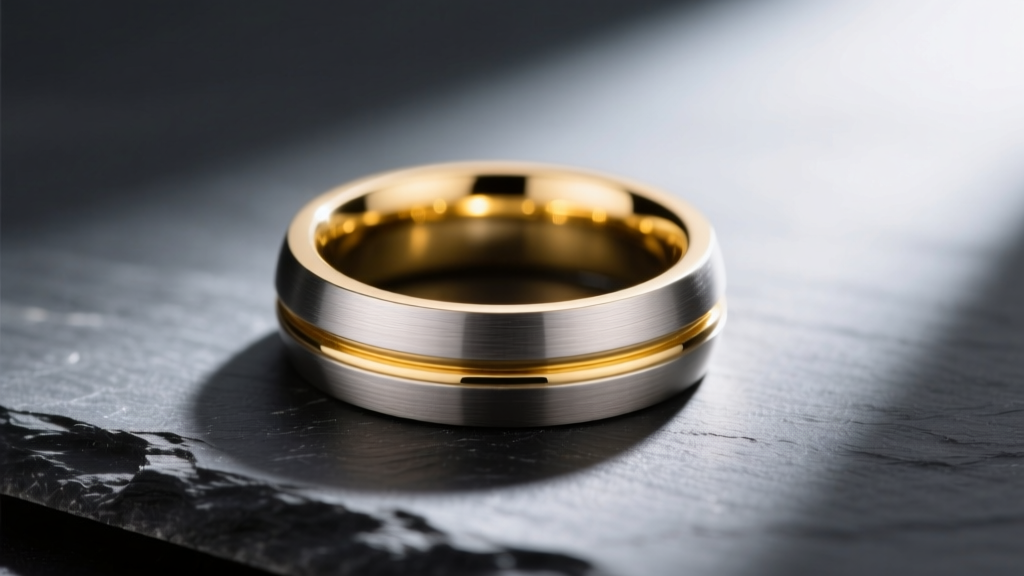
Bi-metal and tri-metal jewelry—particularly pieces combining 14k gold with aerospace-grade titanium or 316L stainless steel—have dominated 2026 runways. However, combining disparate metals introduces a critical vulnerability: galvanic corrosion. When two different metals are in direct physical contact and exposed to an electrolyte (like human sweat or high humidity), an electrochemical reaction occurs, degrading the less noble metal.
How to Evaluate Mixed-Metal Construction
When shopping for mixed-metal trending women's jewelry, inspect the junction points. High-end manufacturers utilize one of two methods to prevent galvanic corrosion:
- Ceramic Isolation: A micro-thin layer of zirconia ceramic is placed between the metals. This is the gold standard for tension-set rings, providing a striking black or white contrast line while acting as a perfect electrical insulator.
- PVD Coating: Physical Vapor Deposition is used to coat the base metal. Look for PVD thickness specifications of at least 2.5 to 3.0 microns. Anything less will wear through to the substrate within a year of daily use, leading to rapid oxidation.
Styling Insight: Because mixed metals carry dual visual weights, use them as a bridge in your styling. If you have warm skin undertones, style the piece so the yellow or rose gold quadrant faces outward toward the light, allowing the cooler titanium or steel to act as a subtle, structural shadow against your skin.
Modular Chain Systems: Gauge, Clasp, and Load-Bearing Specs
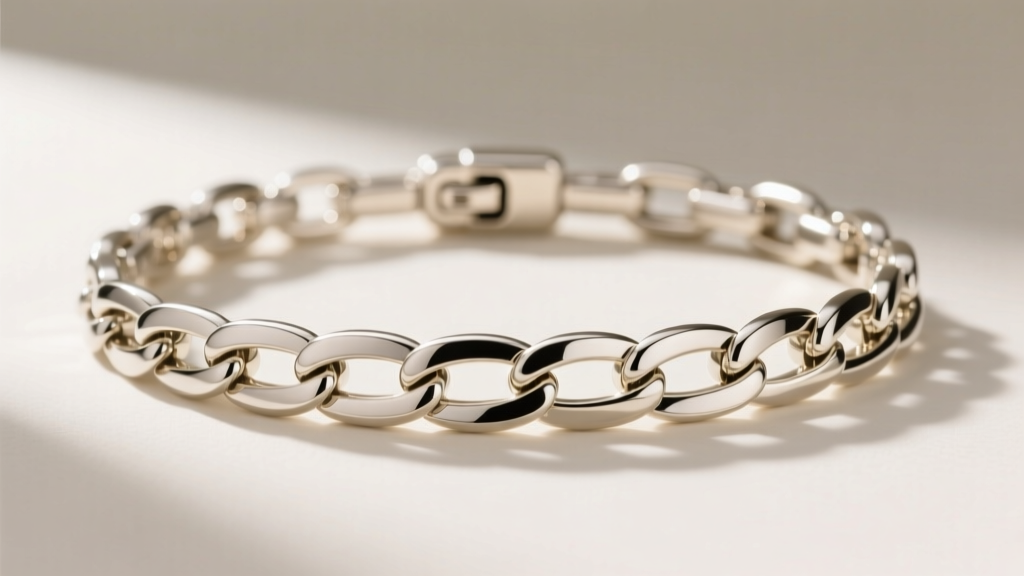
The era of the single, static necklace is over. The defining chain trend of 2026 is the modular, convertible system—necklaces that can be reconfigured from a 16-inch choker to a 32-inch lariat using hidden micro-clasps. While highly versatile, these systems are only as strong as their weakest mechanical link.
Understanding Wire Gauge and Tensile Strength
Most fashion brands ignore wire gauge, resulting in chains that snap under the weight of modular pendants. For everyday styling, you must look for specific thickness metrics. According to Rio Grande's metallurgy resources, the tensile strength of a chain is directly correlated to its wire diameter and link aspect ratio.
| Wire Gauge (Thickness) | Millimeter Equivalent | Max Pendant Load | Best Styling Application |
|---|---|---|---|
| 20 Gauge | 0.81 mm | 3.5 grams | Delicate, standalone layering chains |
| 18 Gauge | 1.02 mm | 8.0 grams | Standard modular chains, light pendants |
| 16 Gauge | 1.29 mm | 15.0 grams | Heavy charm carriers, convertible lariats |
| 14 Gauge | 1.63 mm | 25.0+ grams | Statement collars, structural modular bases |
The Mechanics of Micro-Clasps
Avoid standard spring-ring clasps on modular systems; their internal tension springs fatigue rapidly when subjected to the lateral stress of reconfiguration. Instead, look for neodymium magnetic clasps encased in 14k or 18k gold sleeves, or bayonet-style screw clasps. Magnetic clasps offer a seamless aesthetic and a shear-strength rating that easily supports the weight of modular add-ons without accidental release.
Lab-Grown Melee Clusters: Cut Precision and Light Return
Cluster rings and pavé-style bands utilizing lab-grown melee (diamonds weighing under 0.10 carats each) are a massive trend in 2026, offering high-impact brilliance at accessible price points. However, the optical physics of small stones present unique challenges that many mass-market jewelers overlook.
The 'Crushed Ice' Failure Mode
In larger stones, a 'crushed ice' facet pattern can offer a unique, scintillating look. In melee stones, however, this cut is disastrous. Because the stones are so small, the fragmented facets fail to capture and return light effectively, resulting in a dull, glassy appearance. When evaluating trending women's jewelry featuring diamond clusters, you must demand Ideal or Excellent cut grades with precise brilliant faceting.
According to the Gemological Institute of America (GIA), the table percentage (the width of the top facet relative to the stone's diameter) is critical for light return in small stones. For melee diamonds, insist on a table percentage between 53% and 58%. Furthermore, ensure the stones are 'eye-clean' (VS2 clarity or better); inclusions in tiny stones act as light-leaks, severely dimming the overall cluster effect.
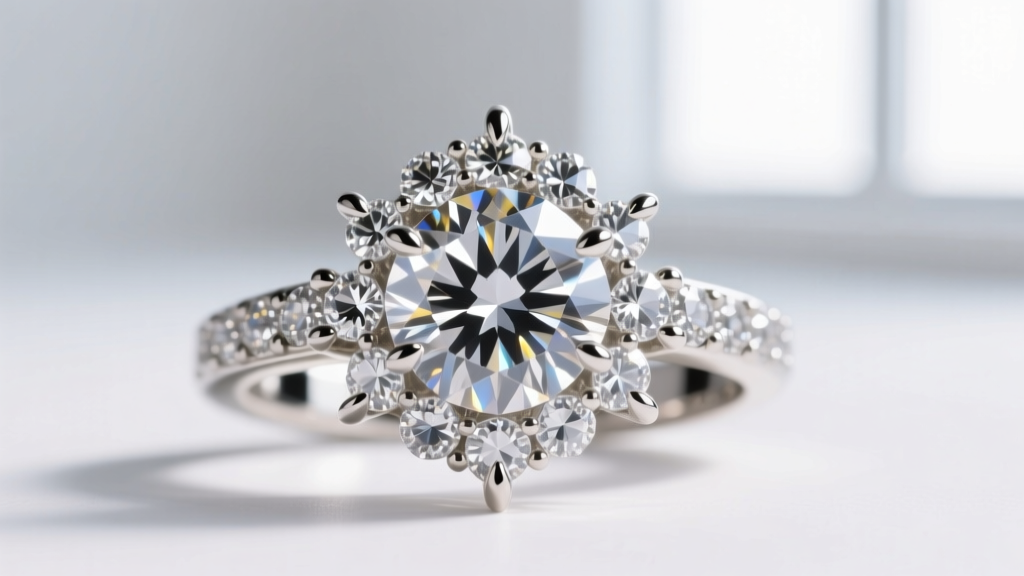
Styling Insight: Melee clusters create a continuous 'ribbon' of light. To maximize this effect, style cluster rings on the index or middle finger rather than the ring finger. The broader surface area of these fingers allows the cluster to catch ambient light from multiple angles during hand gestures, amplifying the scintillation.
A Buyer’s Decision Framework for 2026 Trends
To ensure your jewelry investments are both stylish and technically sound, run any potential purchase through this rapid evaluation framework:
- Verify the Junctions: Are mixed metals physically separated by an inert material, or are they merely plated over one another?
- Measure the Hardware: Does the chain gauge match the intended load? Are the clasps mechanical (screw/bayonet) or high-grade magnetic rather than cheap spring-rings?
- Audit the Optics: Do the melee stones feature brilliant cuts with optimal table percentages (53-58%), or are they poorly proportioned crushed-ice cuts?
- Check the Documentation: Does the piece come with a metallurgical breakdown (e.g., exact karat, PVD micron thickness) and a gemological report for the center or cluster stones?
"True luxury in modern jewelry is not just about the rarity of the materials, but the precision of the engineering. A flawlessly executed tension setting or a perfectly calibrated modular clasp will outlast and outshine a poorly constructed traditional piece every time."
Conclusion: Styling with Technical Confidence
The trending women's jewelry of 2026 rewards the educated eye. By looking past the initial visual appeal and examining the galvanic isolation, tensile gauges, and optical cut grades of your pieces, you elevate your personal style from merely decorative to deeply intentional. When you understand the engineering behind your jewelry, you don't just wear it—you master it, ensuring every piece performs flawlessly in your daily rotation for years to come.


