The Ultimate Care Guide for Women's Jewelry at Macy's
Discover expert cleaning and maintenance tips for women's jewelry at Macy's. Learn how to care for gold, diamonds, and gemstones to keep them shining.

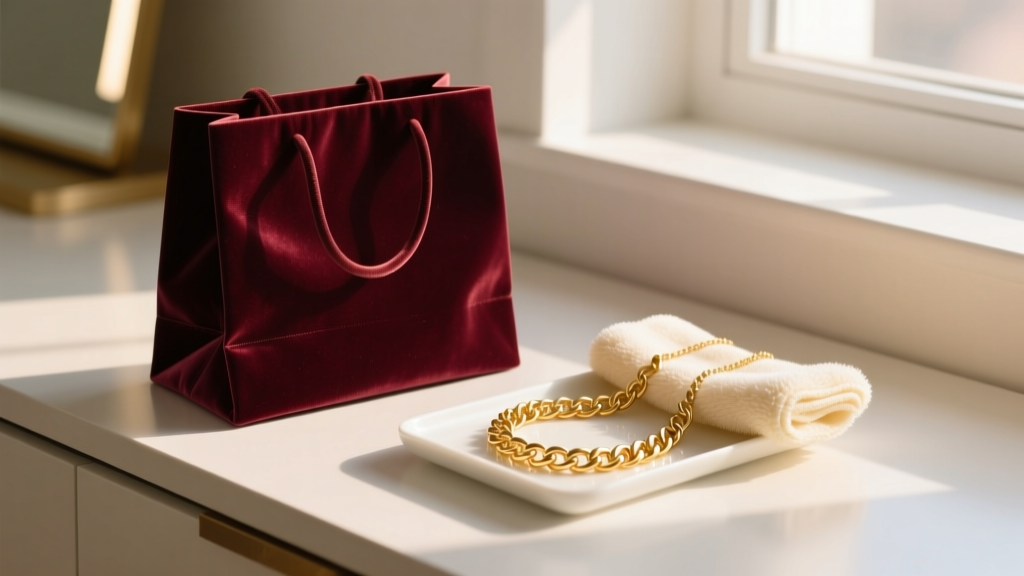
When you invest in women's jewelry at Macy's, you are bringing home a diverse portfolio of accessories ranging from everyday fashion staples to high-end fine jewelry collections. Whether you have splurged on a signature Le Vian chocolate diamond ring, picked up an EFFY 14k gold pendant, or added a trendy Charter Club sterling silver stack to your daily rotation, proper maintenance is the key to preserving your investment. Department store jewelry often features specific material grades, proprietary gemstone treatments, and unique alloy blends that require tailored care protocols. In this comprehensive guide, we break down the exact cleaning methods, failure modes to avoid, and professional maintenance tricks to keep your Macy's purchases looking showroom-ready for decades.
Decoding Your Macy's Jewelry Portfolio
Before reaching for a cleaning solution, it is critical to identify the specific tier and material composition of your piece. Macy's typically categorizes its inventory into three distinct tiers, each with unique vulnerabilities:
- Fine Jewelry (e.g., EFFY, Le Vian, Versace, Macy's Fine Collection): Crafted from 10k, 14k, or 18k solid gold, platinum, and featuring genuine, often treated, gemstones and natural diamonds.
- Bridge Jewelry (e.g., Charter Club, Bar III): Frequently made from 925 sterling silver, gold-plated brass, or vermeil, incorporating semi-precious stones, cubic zirconia (CZ), and enamel work.
- Fashion Jewelry (e.g., Alfani, Style & Co): Constructed from base metals with thin metallic plating, acrylics, and synthetic stones. These are highly susceptible to moisture and chemical degradation.
Understanding these distinctions prevents catastrophic cleaning mistakes, such as using a harsh silver dip on a gold-plated brass item, which will strip the plating instantly and ruin the piece.
Daily Maintenance: The 'Last On, First Off' Protocol
The most effective way to maintain the brilliance of your jewelry is to minimize its exposure to corrosive elements. According to the American Gem Society (AGS), everyday cosmetics are the leading cause of dullness and structural degradation in fine jewelry. Lotions, perfumes, hairsprays, and even natural skin oils create a microscopic film over gemstones, severely reducing their light refraction and sparkle.
Adopt the strict 'Last On, First Off' rule. Your jewelry should be the very last thing you put on after your makeup, perfume, and hair products have completely dried, and the first thing you take off when you return home. Furthermore, always remove your rings and bracelets before engaging in household chores. Chlorine bleach and ammonia-based cleaners can cause severe pitting in 10k and 14k gold alloys and will permanently cloud porous gemstones like turquoise or opals often found in bridge collections.
Deep Cleaning Protocols by Material
When daily maintenance isn't enough to remove built-up grime, it is time for a deep clean. However, a one-size-fits-all approach will damage your collection. Follow these material-specific protocols:
1. Cleaning Solid Gold & Natural Diamonds (EFFY, Macy's Fine)
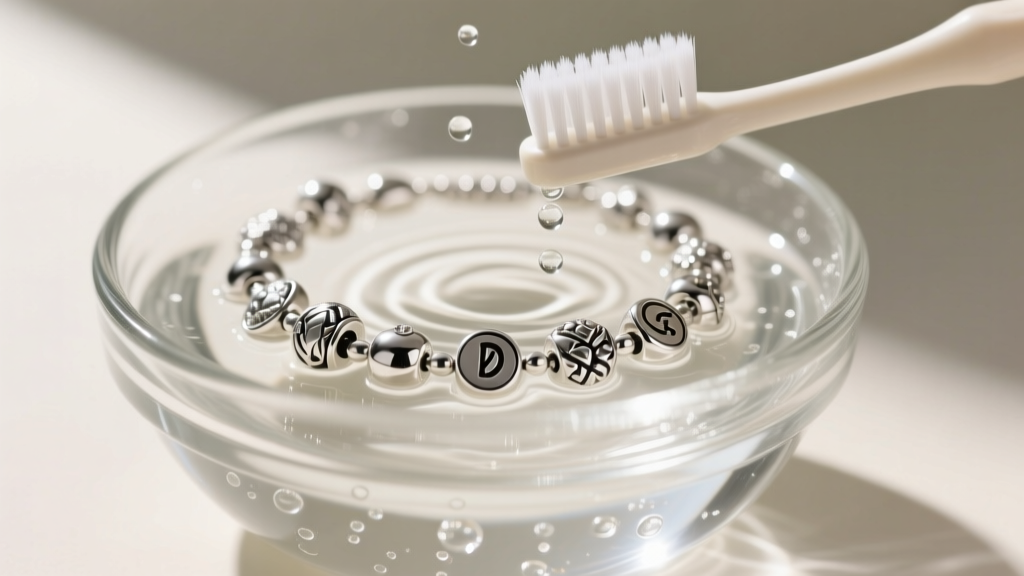
For solid 10k, 14k, or 18k gold pieces featuring untreated natural diamonds, a gentle degreasing bath is the safest and most effective method. Mix a few drops of mild, ammonia-free dish soap (like Dawn) into a bowl of lukewarm water. Let the jewelry soak for 15 to 20 minutes to loosen oils and dead skin cells trapped beneath the gallery (the underside of the setting). Use a brand-new, ultra-soft baby toothbrush to gently sweep the bristles behind the diamond's pavilion. Rinse thoroughly under lukewarm running water, ensuring the drain is securely plugged, and pat dry with a lint-free microfiber cloth.
2. Caring for Sterling Silver & Rhodium-Plated White Gold
Sterling silver (925) naturally oxidizes and tarnishes when exposed to sulfur in the air. To remove light tarnish from Charter Club or Bar III silver pieces, use a dedicated jeweler's polishing cloth impregnated with anti-tarnish compounds. Never use liquid silver dips on oxidized silver pieces, as the chemical will strip the intentional dark patina from the crevices. For white gold items, remember that the bright white color comes from a microscopic layer of rhodium plating. Aggressive scrubbing or using abrasive toothpaste will wear through this plating, exposing the pale yellow gold alloy beneath and necessitating an expensive re-plating service.
3. Handling Treated & Enhanced Gemstones (Le Vian, Emeralds)
This is where department store jewelry requires specialized knowledge. Many gemstones sold in fine jewelry departments undergo permanent or temporary enhancements. For instance, Le Vian's signature chocolate diamonds are often treated via irradiation or high-pressure high-temperature (HPHT) processes, while emeralds are almost universally fracture-filled with cedar oil or resin to improve clarity. The Gemological Institute of America (GIA) explicitly warns against using ultrasonic cleaners or steamers on fracture-filled stones, as the high-frequency vibrations and intense heat can melt the resin, causing the stone to crack or turn cloudy. Always clean treated gemstones with a barely damp, soft lint-free cloth and avoid soaking them entirely.
Material Care Comparison Chart
| Material / Brand Tier | Recommended Cleaning Method | Critical Warnings & Failure Modes |
|---|---|---|
| 14k/18k Gold & Untreated Diamonds | Warm water, mild dish soap, soft brush | Avoid chlorine; check prongs for snags before brushing |
| 925 Sterling Silver (Charter Club) | Impregnated polishing cloth, mild soap | Never use liquid silver dips; avoid rubber bands in storage |
| Rhodium-Plated White Gold | Gentle soak, no scrubbing | Abrasive pastes will strip rhodium, exposing yellow alloy |
| Treated Emeralds & Opals | Damp microfiber cloth wipe only | Ultrasonics will shatter or cloud fracture-filled stones |
| Gold-Plated Brass (Fashion Tier) | Dry polishing cloth only | Water exposure accelerates base metal corrosion and flaking |
Navigating Macy's In-Store Cleaning Services
One of the most underutilized perks of purchasing fine jewelry at Macy's is the complimentary in-store cleaning and inspection service available at the Fine Jewelry counter. The associates typically use a combination of ultrasonic tanks and high-pressure steam wands to blast away years of grime in seconds.
When to say YES: Request the ultrasonic and steam treatment for solid gold wedding bands, platinum settings, and untreated, high-clarity diamonds. The steam wand will make the diamonds sparkle brilliantly by clearing out compacted hand lotion from beneath the setting.
When to say NO: Politely decline the ultrasonic tank if your piece features pave-set micro-diamonds (the vibrations can shake loose the tiny stones if the prongs are worn), fracture-filled diamonds, or any organic gems like pearls, coral, or amber. Ask the associate to simply use the steam wand from a safe distance or stick to manual wiping for these delicate items.
Strategic Storage to Prevent Tarnish & Scratching
How you store your Macy's purchases is just as vital as how you clean them. Diamonds are a 10 on the Mohs hardness scale, meaning they can easily scratch your 14k gold bands, sterling silver chains, and softer gemstones like amethyst or garnet if tossed together in a communal box.
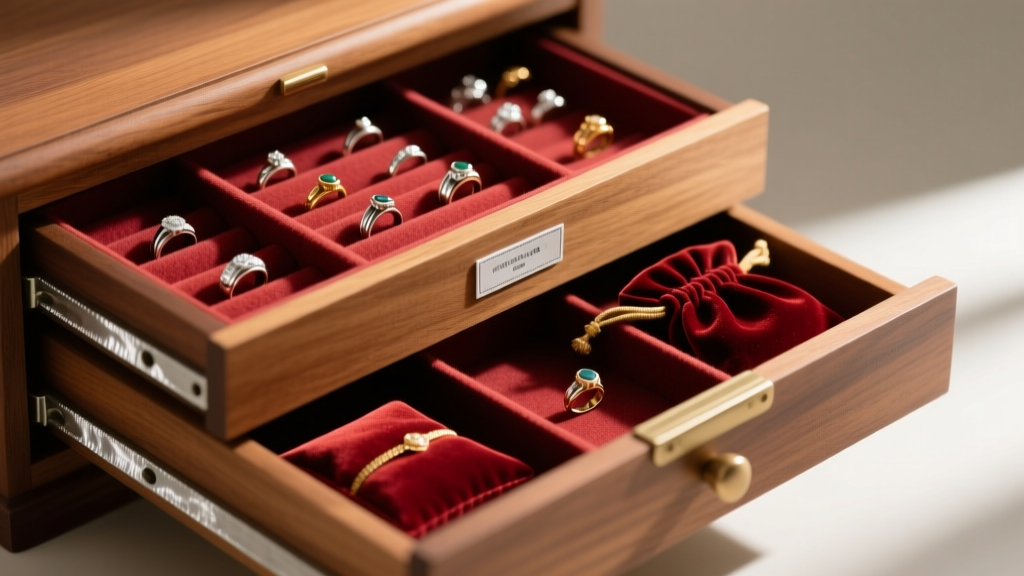
Invest in a multi-compartment jewelry armoire or utilize the individual velvet pouches provided at the time of purchase. For your sterling silver collections, place 3M anti-tarnish strips inside the drawers or storage boxes; these strips absorb airborne sulfur compounds and can prevent oxidation for up to a year. Never store silver in plastic bags, as plastic can trap moisture and emit sulfur gases that accelerate the very tarnishing you are trying to prevent. By combining mindful wearing habits, material-specific cleaning, and strategic storage, your curated collection of women's jewelry at Macy's will retain its brilliance, structural integrity, and value for a lifetime.


