Evaluating Jewelry Watches for Women: 2026 Value Guide
Discover how to assess the true value of jewelry watches for women. Compare materials, movements, and brand retention to make smart luxury investments.

The Intersection of Horology and High Jewelry
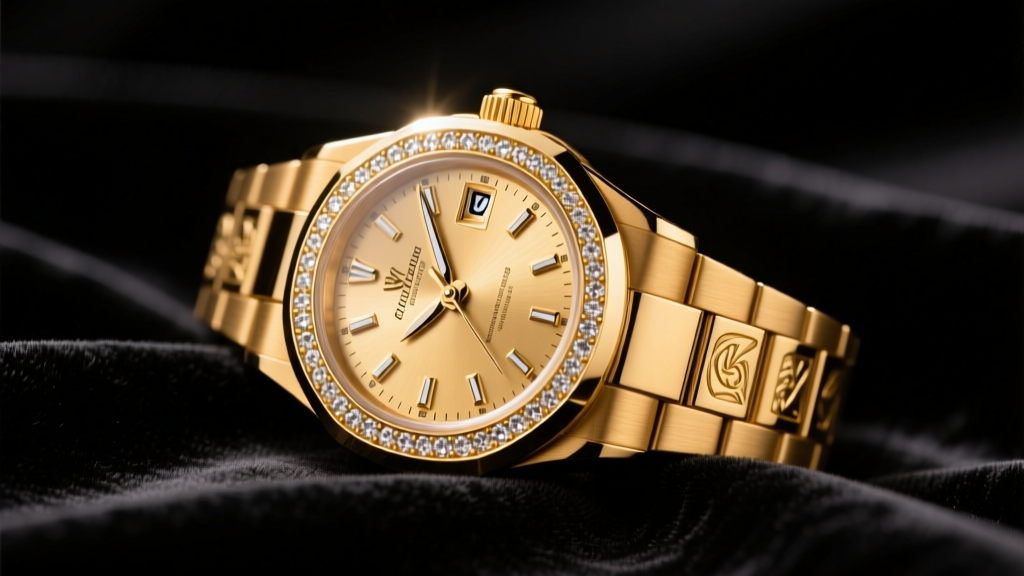
Historically, the watchmaking industry treated women’s timepieces as an afterthought, often housing basic quartz movements inside heavily jeweled cases. However, the landscape of luxury wristwear has shifted dramatically. As we navigate the 2026 market, evaluating jewelry watches for women requires a sophisticated understanding of both haute joaillerie and serious horology. Today’s female collectors are no longer satisfied with mere ornamentation; they demand mechanical integrity, exceptional gemological standards, and enduring brand value.
When assessing the budget and true value of a jewelry-centric timepiece, you are not just buying a tool for telling time. You are investing in micro-sculpture, precious metal weight, and the meticulous labor of master gem-setters. Understanding where your money actually goes is the first step in making a confident, value-driven purchase.
Why "Jewelry First" Watches Challenge Traditional Valuation
In traditional watch collecting, value is often dictated by movement complexity (e.g., tourbillons, perpetual calendars) and sports-model scarcity. Jewelry watches flip this paradigm. According to market analyses featured on Hodinkee, the value proposition of a high jewelry watch is heavily anchored in the artisanal hours required for techniques like snow-setting or invisible-setting diamonds. A watch with a simpler quartz caliber might command a higher price than a mechanical counterpart simply due to the sheer carat weight and flawless execution of its gem-setting.
Decoding the Price Tag: Materials and Movements
To accurately assess the value of jewelry watches for women, you must break down the cost of materials and the engine driving the hands. Let us examine the specific metrics that justify a luxury price tag.
Precious Metals and Gemological Standards
High-end jewelry watches exclusively utilize 18k gold (yellow, white, or rose) or 950 platinum. A solid 18k gold bracelet watch case and bracelet can contain upwards of 80 to 120 grams of gold. When you factor in the spot price of gold, the baseline material cost is substantial. Furthermore, reputable maisons adhere to strict gemological criteria. According to the Gemological Institute of America (GIA), top-tier watchmakers typically source diamonds in the F-G color range (colorless to near-colorless) with VVS to VS clarity grades to ensure maximum light return against the reflective metal bezels.
The Quartz vs. Mechanical Debate
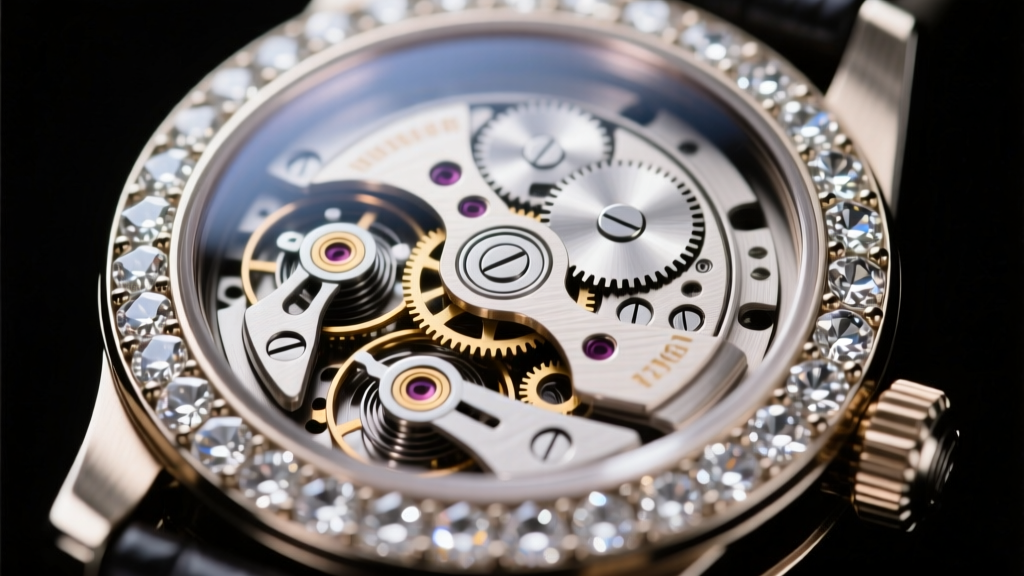
Is a $25,000 quartz watch a poor value? Not necessarily. If the watch is a masterclass in metalwork—such as a Bulgari Serpenti with hand-carved scales and pavé diamonds—the quartz movement is chosen for its slim profile, allowing the jewelry design to take precedence. However, if you are spending over $15,000 on a traditional round or square case, you should expect a high-grade mechanical movement, such as Cartier’s 1847 MC or Rolex’s Syloxi-equipped Caliber 2236.
| Budget Tier | Expected Movement | Materials & Gem Quality | 5-Year Value Retention |
|---|---|---|---|
| $3,000 - $8,000 | High-grade Swiss Quartz | Stainless steel with diamond bezels; VS clarity. | 40% - 60% |
| $10,000 - $35,000 | In-house Mechanical or Premium Quartz | Solid 18k Gold; F/G color diamonds; Guilloché dials. | 60% - 85% |
| $40,000 - $100,000+ | Haute Horlogerie Mechanical | Platinum/18k Gold; Flawless (FL/IF) gems; Invisible settings. | 70% - 110% (Iconic models) |
Brand Tier Analysis: Where Does Your Budget Fit?
Not all luxury brands hold their value equally. When allocating your budget for jewelry watches for women, it is crucial to align your expectations with brand heritage and secondary market demand.
- The Blue-Chip Icons ($15,000 - $45,000): The Rolex Lady-Datejust (particularly in Everose gold with a diamond-set bezel) and the Cartier Panthère de Cartier remain the gold standards. These models offer incredible liquidity. A 2026 market check shows that a well-maintained Lady-Datejust 28mm retains up to 85% of its retail value, making it a relatively safe harbor for luxury capital.
- The Haute Joaillerie Masters ($25,000 - $80,000+): Brands like Van Cleef & Arpels, Piaget, and Chopard excel here. You are paying a premium for artistic expression. A Piaget Limelight Gala with its asymmetrical, diamond-set lugs is less about horological complexity and more about wearable art. Value retention is lower (often 50-60%), but the cost-per-wear and aesthetic ROI are unmatched.
- Accessible Luxury Entry ($4,000 - $9,000): Longines and TAG Heuer offer excellent entry points. While they may not utilize solid gold cases at this tier, their ceramic and diamond-set steel models offer high scratch resistance and brilliant aesthetics for everyday wear without the anxiety of damaging a $50,000 asset.
The Cost-Per-Wear Framework for Jewelry Watches
From a styling perspective, the true value of a jewelry watch is unlocked through versatility. A common mistake buyers make is purchasing a piece so extravagant it can only be worn to galas. To maximize your investment, apply the Cost-Per-Wear (CPW) framework.
"A $20,000 watch worn twice a year over five years costs $2,000 per wear. That same watch, styled down with cashmere and denim for weekly board meetings and dinners, drops to under $80 per wear, vastly outperforming a trendy seasonal handbag."
Styling for Maximum ROI
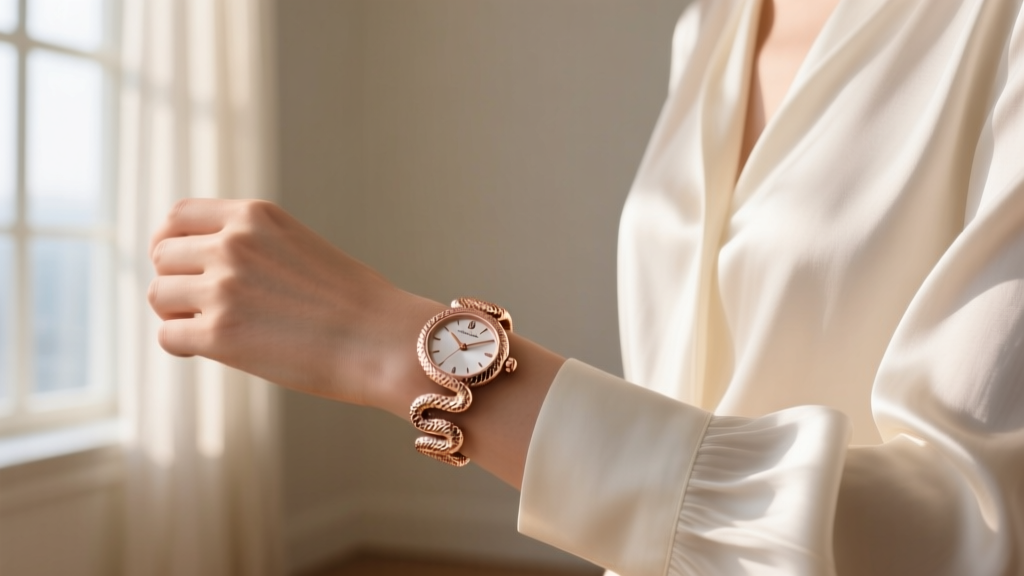
To ensure your jewelry watch integrates seamlessly into a modern 2026 wardrobe, follow the "Rule of Balance." If your watch features a heavy, diamond-encrusted bracelet (like a Chopard Happy Diamonds), treat it as the anchor of your outfit. Pair it with minimalist gold hoops and skip the right-hand rings. Conversely, if you are wearing a delicate, gem-set leather strap watch, you can layer it with thin 18k gold chain bracelets to create a curated, eclectic stack that bridges the gap between daytime casual and evening elegance.
Expert Verdict: Maximizing Your Investment
Evaluating jewelry watches for women requires looking past the sparkle to assess the structural and mechanical integrity beneath. If your primary goal is financial retention, direct your budget toward iconic steel-and-gold models from Rolex or Cartier. If your goal is emotional resonance, artistic appreciation, and unparalleled craftsmanship, the haute joaillerie offerings from Piaget and Van Cleef & Arpels provide a depth of artistry that mass-market luxury simply cannot replicate. Ultimately, the best value is found at the precise intersection of your personal aesthetic and the maison's historical expertise.


