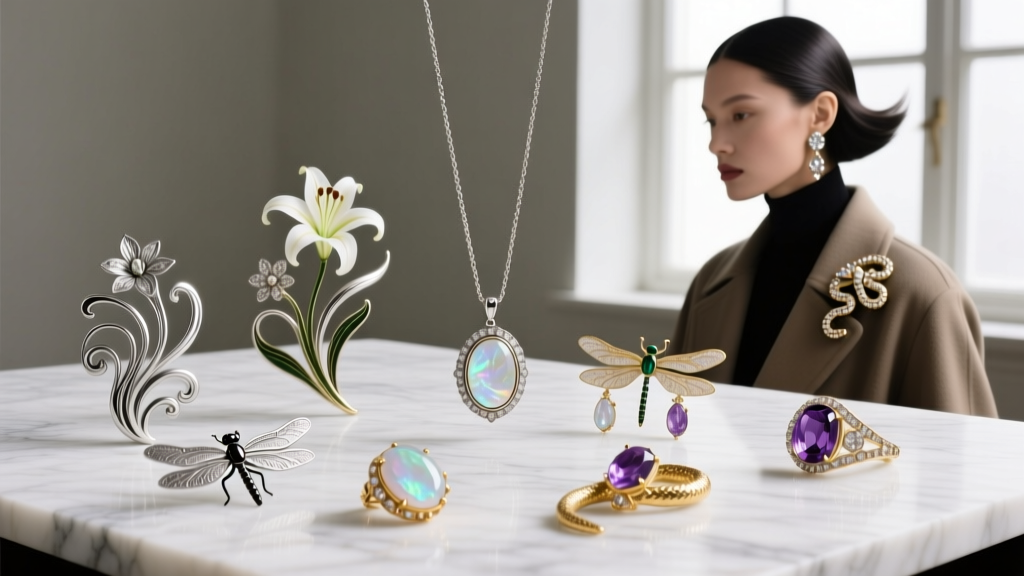
How to Style Popular Jewelry for Teens: A 2026 Guide
Learn how to build and style a durable, trend-proof capsule collection using popular jewelry for teens. Master layering, metals, and school codes.

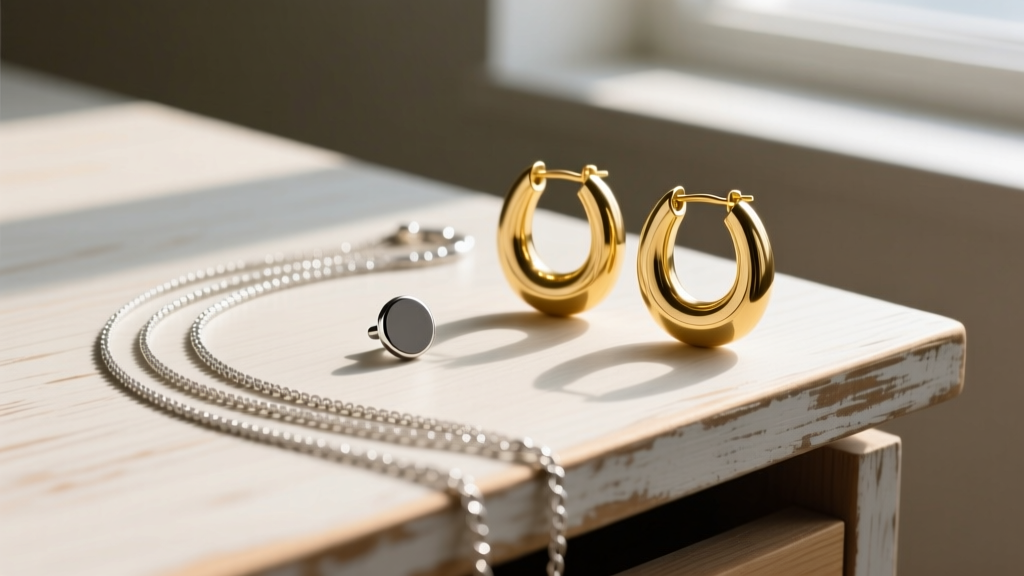
The Teen Jewelry Capsule: Why Less is More in 2026
The landscape of adolescent fashion has shifted dramatically. In 2026, the era of buying dozens of cheap, disposable alloy rings that turn fingers green is over. Today, building a curated capsule collection is the smartest approach to accessorizing. When researching popular jewelry for teens, the focus has moved toward durability, skin safety, and versatile layering. A well-planned capsule means owning 10 to 15 high-quality, interchangeable pieces that can transition from a high school classroom to a weekend concert without missing a beat.
This step-by-step guide will walk you through selecting safe metals, navigating strict school dress codes, and mastering the art of the layered stack, ensuring your jewelry collection is as resilient and dynamic as your lifestyle.
Step 1: Selecting Hypoallergenic Base Metals
The most critical step in building a teen jewelry wardrobe is understanding metallurgy. Teen skin is often highly reactive, and the American Academy of Dermatology notes that nickel allergies are incredibly common, often triggered by low-grade fashion jewelry. To avoid contact dermatitis and green skin, you must invest in specific, biocompatible materials.
The Big Three: Titanium, Niobium, and Solid Gold
According to the Association of Professional Piercers (APP), implant-grade titanium is the gold standard for body jewelry. It is completely nickel-free, lightweight, and impervious to sweat and chlorine. Niobium is another excellent, highly reactive-free option that can be anodized into vibrant colors without using dyes. For gold, always stick to 14k or 18k solid gold; gold vermeil or plated brass will eventually wear down and expose the reactive base metal underneath.
| Metal Type | Grade / Standard | Avg. Price Range | Best Use Case |
|---|---|---|---|
| Titanium | ASTM F-136 Implant Grade | $25 - $60 | Fresh piercings, cartilage, active sports |
| Niobium | 99.9% Pure (Reactive Safe) | $30 - $75 | Color-anodized hoops, sensitive lobes |
| Yellow Gold | 14k or 18k Solid | $150 - $400+ | Everyday heirloom pieces, huggies, rings |
| Sterling Silver | 925 (Contains Copper) | $40 - $120 | Occasional wear only (tarnishes with sweat) |
Step 2: Navigating School Dress Codes & Sports Safety
High school environments and extracurricular sports present unique hazards for jewelry. Dangling earrings can catch on basketball nets, and traditional butterfly-back earring posts can harbor bacteria or cause embedding during contact sports.

Upgrade to Flat-Backs and Threadless Ends
For cartilage, nostril, and even standard lobe piercings, swap out standard post earrings for flat-back labret studs. These sit flush against the skin, meaning they won't poke you while sleeping or get snagged on a hoodie drawstring. Furthermore, look for threadless or internally threaded jewelry. Threadless jewelry uses a tiny, slightly bent pin that creates tension inside the post, ensuring the top never unscrews and falls off in the gym locker room. Standard 16-gauge (1.2mm) or 18-gauge (1.0mm) posts are the most common sizes for these secure fittings.
The Breakaway Rule for Necklaces
If you wear necklaces during physical education or athletic practices, always opt for breakaway clasps or silicone lanyard cords. A standard 14-inch sterling silver chain will snap under pressure, potentially injuring your neck or permanently destroying the chain. Breakaway magnetic clasps release under 3 to 5 pounds of tension, keeping you safe while preserving the chain links.
Step 3: Mastering the "Rule of Three" Layering Technique
The secret to styling popular jewelry for teens without looking cluttered is the "Rule of Three." This design principle states that odd numbers are more visually pleasing and natural to the human eye. When building a necklace stack or an ear curation, aim for three distinct focal points.
Building the Perfect Neck Stack
To avoid tangling, you must vary the lengths of your chains by at least two inches. Here is a foolproof formula for a 2026 capsule stack:
- Layer 1 (The Anchor): A 14-inch or 15-inch choker. Opt for a simple 2mm titanium or 14k gold rope chain. This sits high on the collarbone.
- Layer 2 (The Focal Point): An 18-inch chain featuring a personalized pendant, such as a zodiac sign, initial, or birthstone. This draws the eye to the center of the chest.
- Layer 3 (The Texture): A 20-inch or 22-inch heavier chain, like a 3mm Cuban link or a beaded oxidized silver chain, adding weight and edge to the bottom of the stack.

Curating the "Constellation" Ear
Ear curations remain a massive trend, but symmetry is out. The modern approach is the "constellation" look, where studs and hoops are placed organically. Start with a 10mm or 12mm chunky hoop in the primary lobe piercing (usually 18g or 16g). Follow this with two or three flat-back titanium studs in the upper lobe, helix, and flat areas of the cartilage. Mix metal tones—pairing warm 14k gold with cool titanium is a major styling flex this year.
Pro Stylist Tip: Never buy a pre-made "ear curation set" from a mall kiosk. These sets use uniform post lengths that don't account for the varying thickness of your ear tissue. Visit a professional piercer who will measure your anatomy and fit custom-length posts (ranging from 5mm to 8mm) to prevent the jewelry from sinking into the skin.
Step 4: Caring for Active Lifestyle Jewelry
Teens are active, and jewelry takes a beating from sweat, body wash, dry shampoo, and pool chlorine. Improper care is the number one reason popular jewelry for teens ends up in the trash.
- The Daily Wipe: Keep a microfiber cloth in your backpack. Wiping down your gold hoops and silver rings at the end of the day removes acidic sweat and oils that degrade metal finishes over time.
- The Shower Rule: While implant-grade titanium and solid gold can survive the shower, the chemicals in shampoos and body washes will create a dull, soapy film behind gemstone settings. Take your jewelry off, or use a soft-bristled baby toothbrush to gently scrub behind the stones once a week with mild dish soap.
- Chlorine Warning: Never wear sterling silver or low-karat gold in a chlorinated pool or hot tub. Chlorine reacts with the copper alloys in these metals, causing permanent structural weakness and severe black tarnishing.
Budgeting: Where to Spend vs. Save
Building a high-quality capsule collection doesn't require an unlimited budget, but it does require strategic spending. Here is how to allocate your funds for maximum longevity and style impact.
Where to Spend (Investment Pieces)
Pour your budget into items that will be worn daily and endure friction. This includes your primary lobe hoops, everyday flat-back cartilage studs, and your foundational necklace chains. Spending $150 on a pair of solid 14k gold seamless clicker rings guarantees they won't snap, tarnish, or irritate your skin, giving you a cost-per-wear of just pennies over a few years.
Where to Save (Trend Pieces)
Save your money on highly specific trend pieces that you might only wear for a single season. Think chunky resin rings, colorful enamel charms, or oversized novelty pendants. For these items, high-quality PVD-coated stainless steel or anodized niobium are excellent, budget-friendly alternatives that offer the aesthetic you want without the premium price tag of solid gold.
Final Thoughts on Teen Styling
Styling popular jewelry for teens in 2026 is all about intentionality. By prioritizing biocompatible metals like ASTM F-136 titanium and 14k solid gold, respecting the physical demands of school and sports, and utilizing the Rule of Three for layering, you can build a jewelry wardrobe that is entirely your own. Ditch the fast-fashion impulse buys, invest in pieces that respect your body and your lifestyle, and watch your personal style confidently evolve.