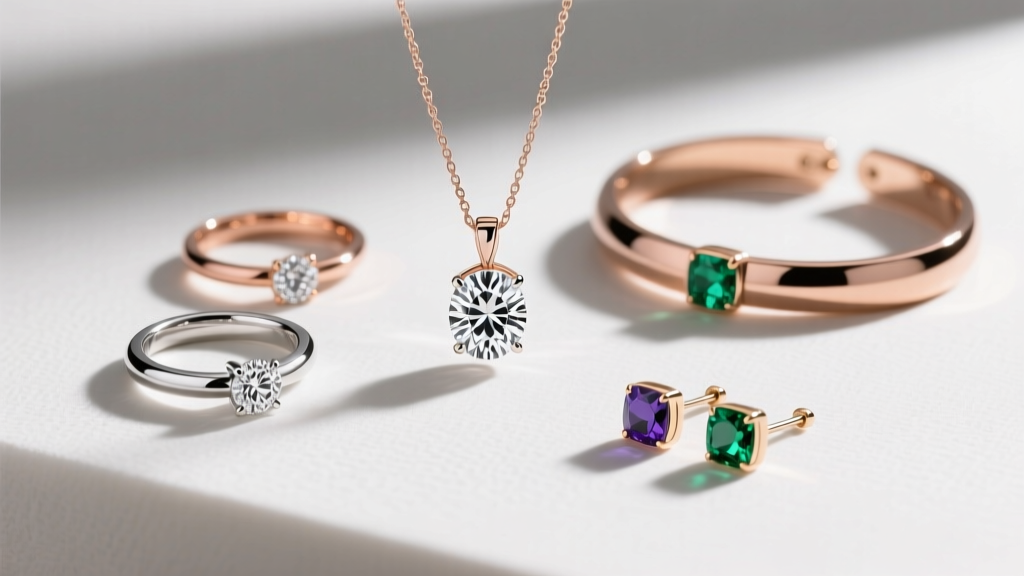
How to Pick Jewelry for a Cocktail Party: Style & Buyer Guide
Learn how to pick jewelry for a cocktail party with our expert buying guide. Discover neckline pairings, metal choices, and lighting tips.

The Anatomy of Cocktail Attire: Why Jewelry Matters
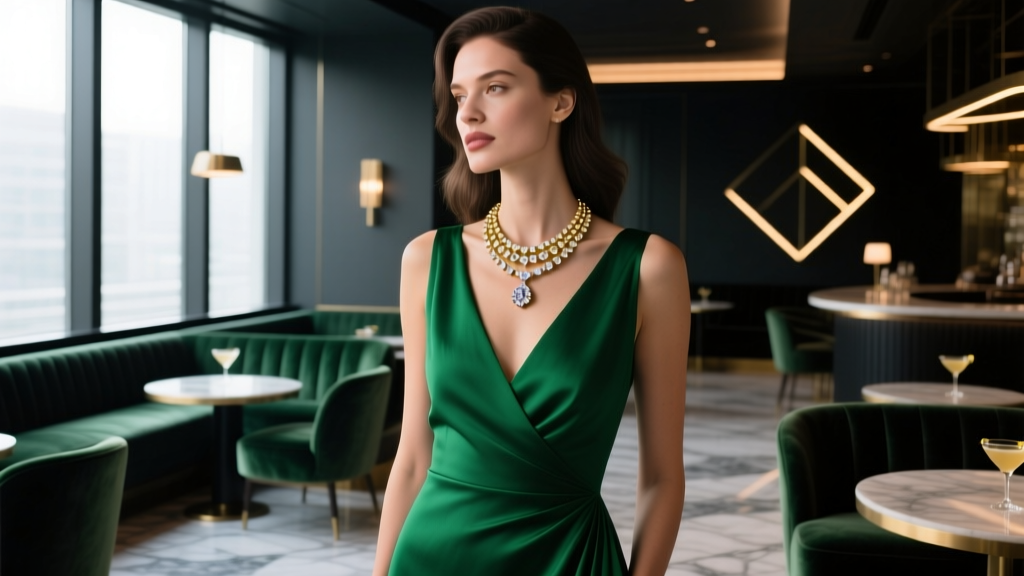
Understanding how to pick jewelry for a cocktail party requires more than just selecting your shiniest pieces. Cocktail attire occupies a very specific sartorial space: it is more elevated than business casual or daytime garden party wear, yet less rigid than strict black-tie formal. According to Vogue's definitive guide to cocktail attire, the goal is to strike a balance between sophisticated elegance and personal expression. In 2026, the modern cocktail aesthetic has shifted away from overly matched, parure-style sets toward curated, intentional layering and high-contrast material mixing.
The environment of a cocktail party also dictates your jewelry choices. You will likely be navigating dimly lit rooms, holding a drink in one hand, and engaging in close-quarter conversations. Your jewelry must perform under mixed lighting conditions, withstand physical movement without snagging, and complement—rather than compete with—the structural details of your garment. This buying guide breaks down the exact specifications, materials, and design features you need to look for when investing in cocktail-ready jewelry.
Decoding Necklines: A Strategic Pairing Chart
The neckline of your cocktail dress or top is the primary anchor for your necklace and earring choices. A mismatched neckline and necklace can create visual clutter, while the right pairing elongates the neck and frames the face. Use the following framework when shopping for your next event piece.
| Neckline Style | Ideal Necklace Type | Earring Recommendation | What to Avoid |
|---|---|---|---|
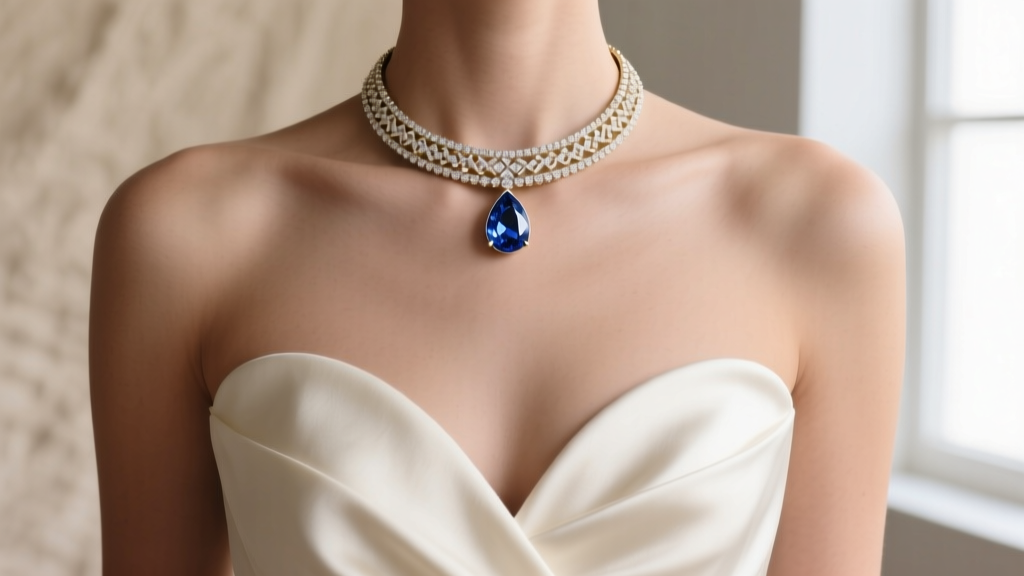
| Sweetheart | Delicate 14k/18k choker or short collar (14-15 inches) | Medium drop earrings (1.5 inches) | Long pendants that cross the bodice line |
| Halter | Skip the necklace entirely | Statement chandeliers or linear drops | Any necklace; it competes with the halter straps |
| Deep V-Neck | Y-necklace or Lariat with a 2-inch drop | Stud or small huggie hoops | Wide, multi-strand bib necklaces |
| Asymmetric / One-Shoulder | Ear cuffs and asymmetrical ear stacks | Heavy cocktail ring on the opposite hand | Symmetrical pendant necklaces |
Material & Gemstone Selection: Navigating Indoor Lighting
Cocktail parties are notorious for complex lighting environments. You might transition from a warmly lit hallway (tungsten bulbs at 2700K) to a modern lounge with cool LEDs (4000K), ending up near candlelight. The Gemological Institute of America (GIA) notes that a gemstone's light performance is heavily dependent on its refractive index and the ambient light spectrum. When buying cocktail jewelry, you must select materials that perform well in low-to-mixed light.
High-Refraction vs. Soft-Glow Gemstones
For maximum sparkle in dimly lit venues, diamonds remain the undisputed champion. With a refractive index of 2.42, an ideal-cut diamond will reflect available ambient light back to the eye, creating scintillation even in a dark room. If you are buying diamond cocktail earrings, prioritize cut grade over color; an H-color diamond with an Excellent cut will outshine a D-color diamond with a Good cut in a dim lounge.
Conversely, if the venue is known for harsh, direct LED lighting, high-refraction stones can sometimes look washed out or overly glassy. In these environments, opt for soft-glow materials like Akoya pearls or cabochon moonstones. The nacre of a high-quality Akoya pearl (look for a minimum nacre thickness of 0.4mm) absorbs harsh light and reflects a soft, diffused luster that is incredibly flattering against the skin under cool LEDs.
The Rule of Proportions: Sizing Your Statement Pieces
Cocktail jewelry is inherently bolder than daytime wear, but proportions must remain meticulously calibrated to your anatomy and the scale of your outfit. A common buying mistake is purchasing a cocktail ring that is visually overwhelming but physically unbalanced.
- Cocktail Rings: The center stone or motif should not exceed 18mm in diameter for most hand sizes. More importantly, the band must be substantial enough to support the top-heavy setting. Look for a band thickness of at least 2.5mm to 3mm at the base. Anything thinner will cause the ring to spin constantly on your finger, requiring constant adjustment.
- Drop Earrings: The ideal drop length for a cocktail party falls between 1.5 and 2.5 inches. This length clears the jawline and rests elegantly on the upper neck without getting tangled in updos or brushing against the collarbone. If buying for a bob or pixie cut, you can push this to 3 inches for dramatic effect.
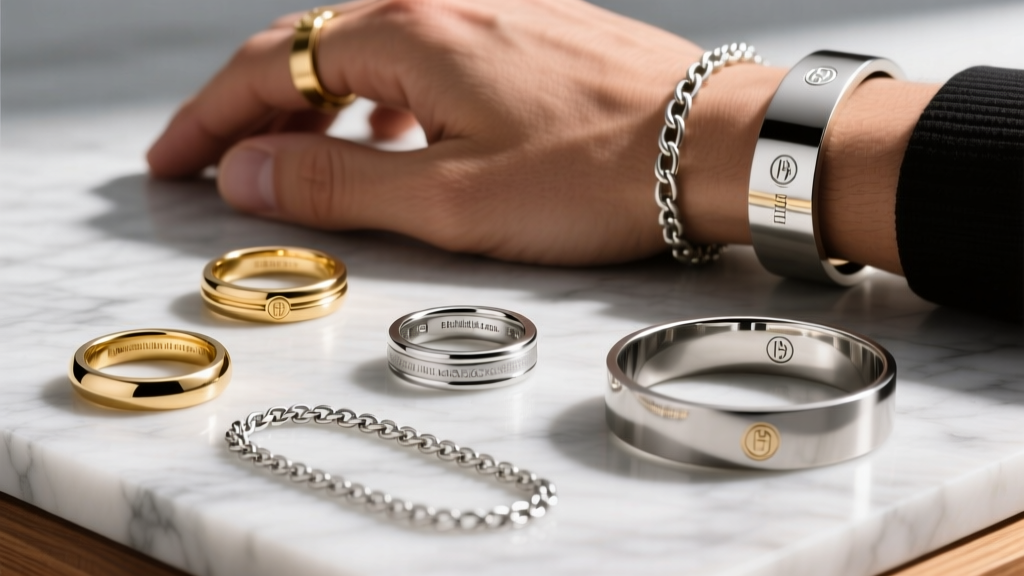
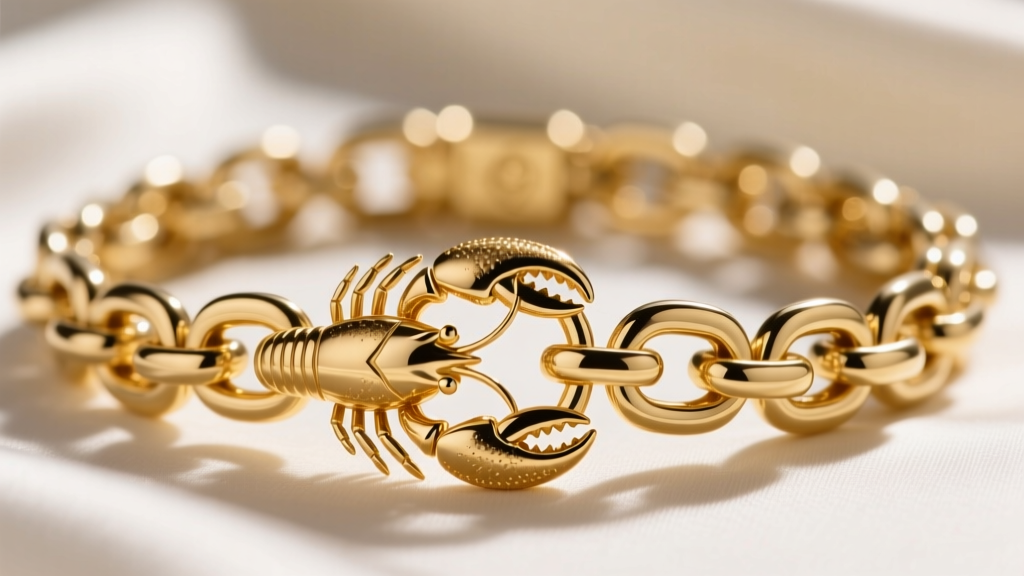
- Bracelets: Avoid loose bangles that clink against glassware. Opt for a structured cuff or a heavy link bracelet (minimum 5mm width) that sits flush against the wrist.
Buying Checklist: What to Inspect Before Purchasing
When investing in fine jewelry for evening wear, structural integrity is just as important as aesthetic appeal. Cocktail parties involve movement, hand gestures, and crowded spaces. Use this technical checklist when evaluating a piece in-store or reviewing high-resolution images online.
- Prong Thickness and Security: For any center stone over 1.00 carat, the prongs should be a minimum of 0.8mm thick. V-prongs are mandatory for marquise, pear, and trillion cuts to protect the fragile points from chipping during accidental impacts.
- Clasp Mechanisms: Never buy a heavy cocktail necklace or bracelet with a standard spring-ring clasp; they are prone to failure under tension. Insist on a lobster clasp for chains under 20 grams, or a box clasp with a figure-eight safety catch for heavier, multi-strand pieces.
- Earring Backs: Standard friction posts (butterfly backs) are insufficient for heavy cocktail drops. Look for La Pousette backs (which feature a locking push-button mechanism) or threaded screw-backs to ensure your investment stays secure throughout the night.
- Metal Alloy Durability: While 18k gold offers a richer yellow hue, 14k gold is significantly more durable and resistant to scratching in crowded environments. If choosing white gold, ensure the piece has a fresh rhodium plating, as the natural yellowish undertone of the alloy will show through if the plating is worn thin.
Expert Troubleshooting: Avoiding Common Cocktail Jewelry Fails
Even the most beautiful pieces can become a liability if they fail in practice. Here is how to troubleshoot the most common cocktail jewelry issues before you leave the house.
The Snagging Hazard
Marquise and pear-shaped diamonds set in prongs are notorious for catching on silk, chiffon, and fine knits. If your cocktail dress is made of a delicate, snag-prone fabric, avoid jewelry with exposed pointed gemstones. Instead, opt for bezel-set gems or smooth, high-polish metal designs that glide over fabrics without catching.
The Necklace Flip
Lightweight pendant necklaces have a tendency to flip around, leaving the clasp resting awkwardly on your collarbone. To prevent this, look for lariats or Y-necklaces that feature a built-in counterweight—a small metal bead or gemstone attached to the short end of the chain behind the neck. This subtle engineering detail keeps the pendant perfectly centered all evening.
"True elegance at a cocktail party isn't about wearing the most expensive jewelry; it's about wearing pieces that look like they were engineered specifically for your outfit, your proportions, and the lighting of the room." — Senior Stylist, Jewel Style Radar
By focusing on structural integrity, precise proportions, and an understanding of how light interacts with specific gemstones, you can confidently navigate the market. Knowing exactly how to pick jewelry for a cocktail party transforms your accessories from mere decorations into powerful, intentional components of your personal style.