Material Guide: How to Select Jewelry for a Special Occasion
Learn how to select jewelry for a special occasion by comparing metal properties, lighting reflectivity, and skin chemistry.
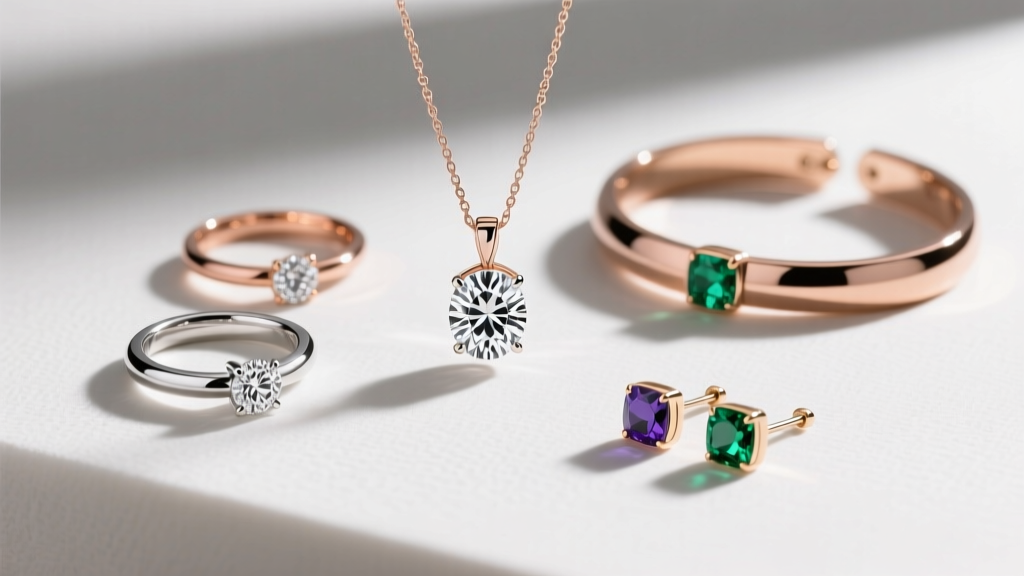
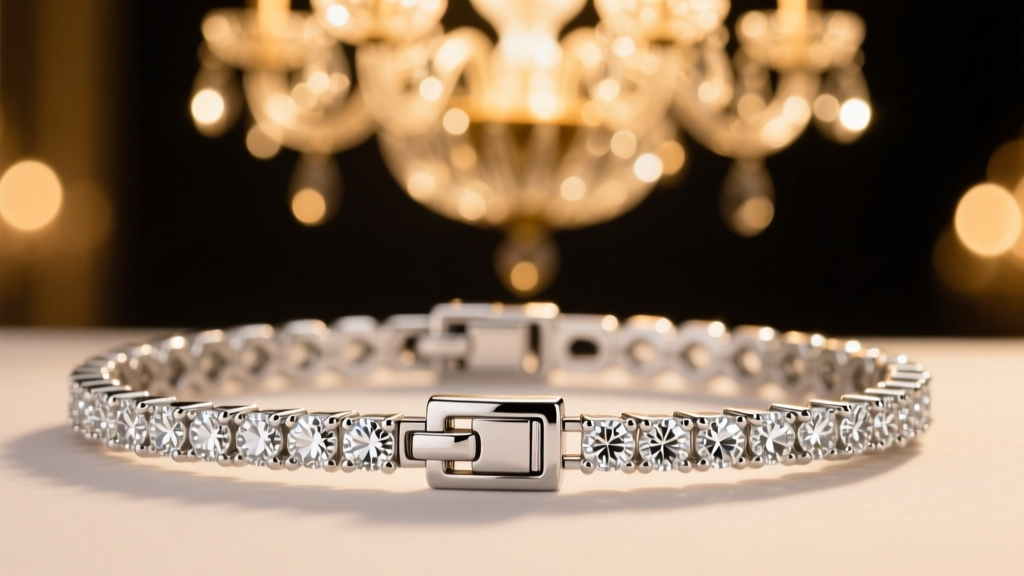
When preparing for a high-stakes event—be it a black-tie gala, a beachside wedding, or an awards banquet—most styling guides focus entirely on silhouette and gemstone color. However, understanding how to select jewelry for a special occasion requires a deeper dive into metallurgy. The material of your jewelry dictates how it will interact with professional flash photography, how it will withstand eight hours of continuous wear, and how it will react to the unique chemistry of your skin under stress or heat.
Selecting the right metal is not just about budget; it is about environmental resilience and optical performance. A piece that looks breathtaking in a jewelry store display case may oxidize, scratch, or wash out under the specific lighting conditions of your venue. In this comprehensive material guide, we break down the physical properties of precious metals to ensure your jewelry performs as flawlessly as you do.
The Lighting Test: Reflectivity and Metal Alloys
The most common mistake in special occasion styling is ignoring the venue's lighting profile. Metals do not merely reflect light; they absorb and scatter it based on their alloy composition and surface finish. According to optical studies in gemology, the contrast between a metal's reflectivity and the ambient lighting can dramatically alter the perceived color of your skin and the gemstones it holds.
Flash Photography vs. Ambient Candlelight
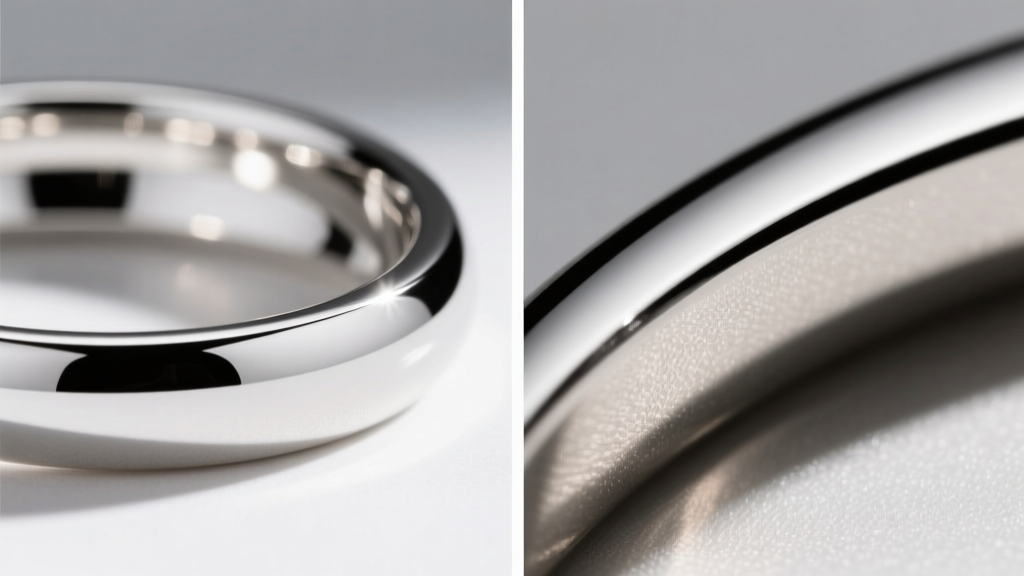
- Rhodium-Plated White Gold: The rhodium flash plating (usually 0.75 to 1.0 microns thick) creates a mirror-like surface. In direct flash photography, white gold will bounce light back sharply, creating brilliant, high-contrast highlights. However, in dim, warm candlelight, it can appear flat or slightly grey.
- Platinum (95% Pure): Platinum has a naturally softer, deeper luster. It absorbs and scatters light rather than mirroring it. Under warm gala lighting, platinum develops a rich, creamy glow that flatters most skin tones, though it may lack the "pop" of white gold in harsh paparazzi flash.
- 18k Yellow Gold: With a higher pure gold content (75%), 18k yellow gold acts as a natural reflector for warm light. It amplifies the golden hues of candlelight and tungsten bulbs, making it the ultimate choice for evening indoor events.
Durability and Skin Chemistry During Long Events
Special occasions often involve long hours, physical movement (dancing), and fluctuating temperatures. Your skin's pH levels and sweat composition can change under stress, leading to rapid oxidation in certain alloys. To understand how to select jewelry for a special occasion that involves heavy wear, we must look at the Vickers Hardness (HV) scale and oxidation risks.
| Metal / Alloy | Vickers Hardness (HV) | Flash Reflection | Sweat Oxidation Risk |
|---|---|---|---|
| Sterling Silver (925) | 60 - 70 HV | High (if polished) | High (Tarnishes rapidly) |
| 18k Yellow Gold | 135 - 140 HV | Warm / Soft | Low |
| 14k White Gold | 160 - 170 HV | Mirror (Rhodium) | Very Low |
| Platinum (950) | 125 - 130 HV | Soft / Diffused | None (Hypoallergenic) |
| 14k Rose Gold | 150 - 160 HV | Warm / Pink | Medium (Copper reaction) |
As noted by the Gemological Institute of America (GIA), copper-heavy alloys like rose gold can react with the acidic components in nervous sweat. If you are attending a high-anxiety event (like walking down the aisle or giving a keynote speech), 14k or 18k rose gold bracelets or rings may leave a temporary green or dark residue on your skin due to copper oxidation. For high-sweat environments, stick to platinum or high-karat yellow gold.
The Prong Security Factor
If your special occasion jewelry features significant diamond or gemstone carat weight, the metal's malleability is a critical safety factor. Platinum is denser and more malleable than white gold. When a platinum prong is bumped against a champagne flute or a stone is caught on a silk gown, the metal tends to bend and hold the stone. White gold, being more brittle, can snap or wear thin over time. For heavy statement necklaces or tennis bracelets worn during active events, platinum settings offer superior mechanical security.
Budget vs. Impact: Strategic Material Selection
Not every special occasion requires a solid platinum or 18k gold investment. Understanding the difference between gold vermeil, gold-filled, and standard gold plating allows you to allocate your budget strategically without sacrificing the visual impact of the evening.
Decoding Gold Alternatives for One-Night Wear
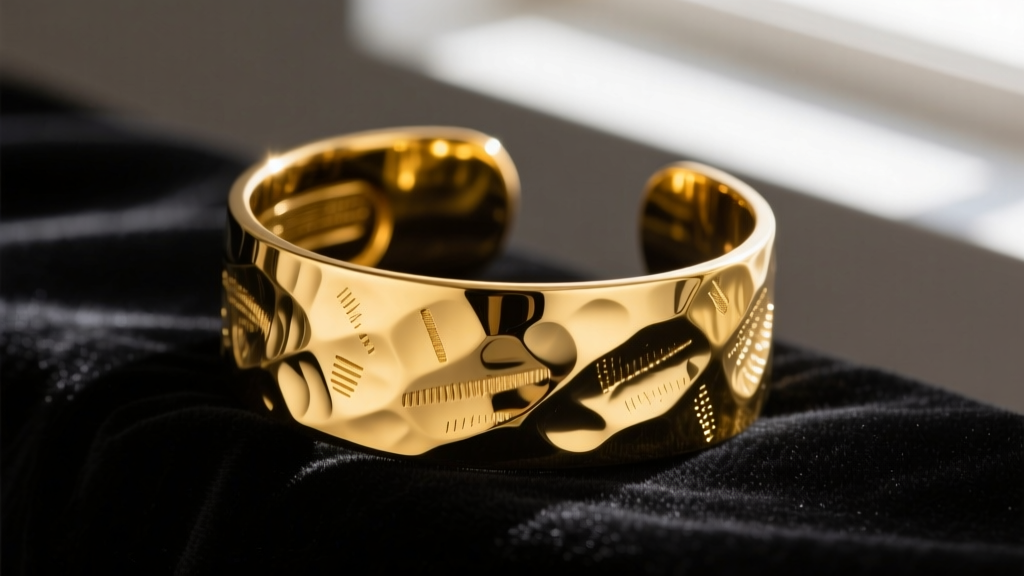
Standard gold plating consists of a microscopic layer of gold (often less than 0.5 microns) over a brass or copper base. The friction from a heavy evening clutch or the rough texture of a beaded gown can wear this plating away in a single night, exposing the base metal and potentially causing contact dermatitis.
Instead, look for Gold Vermeil (pronounced ver-may). By industry standards outlined by Jewelers of America, vermeil must feature a sterling silver base coated with at least 2.5 microns of 10k, 14k, or 18k gold. This thickness is five times more durable than standard plating, making it perfectly suited for the duration of a gala or wedding. However, avoid wearing vermeil to beachside or poolside special occasions; saltwater and chlorine will rapidly penetrate micro-scratches and corrode the sterling silver core.
Quick-Reference Decision Matrix
To synthesize these metallurgical and environmental factors, use this quick-reference framework when finalizing your accessory choices:
- For Black-Tie Galas (Flash Photography & Dim Lighting): Choose Rhodium-plated 18k White Gold or Platinum with high-brilliance diamond accents to maximize light return.
- For Outdoor Summer Weddings (Heat & Humidity): Opt for solid 14k or 18k Yellow Gold. Avoid Sterling Silver (which tarnishes in humid air) and Rose Gold (which reacts to sweat).
- For Active Receptions (Dancing & Movement): Prioritize Platinum settings for gemstone security, and choose 14k gold chains over 18k for higher tensile strength and resistance to stretching.
- For Budget-Conscious Statement Pieces: Select 18k Gold Vermeil over sterling silver, ensuring the piece is stored in an anti-tarnish pouch immediately after the event to preserve the 2.5-micron gold layer.
Conclusion
Mastering how to select jewelry for a special occasion means looking beyond the display case and anticipating the physical demands of the event. By aligning the Vickers hardness, reflectivity, and alloy composition of your metals with the specific lighting, climate, and activity level of your occasion, you ensure that your jewelry remains a flawless extension of your personal style from the first toast to the final dance.


