Expert Care and Cleaning Tips for Vintage Plastic Jewelry
Discover expert cleaning and storage tips for vintage plastic jewelry. Learn how to safely wash Bakelite, Celluloid, and Lucite without causing damage.

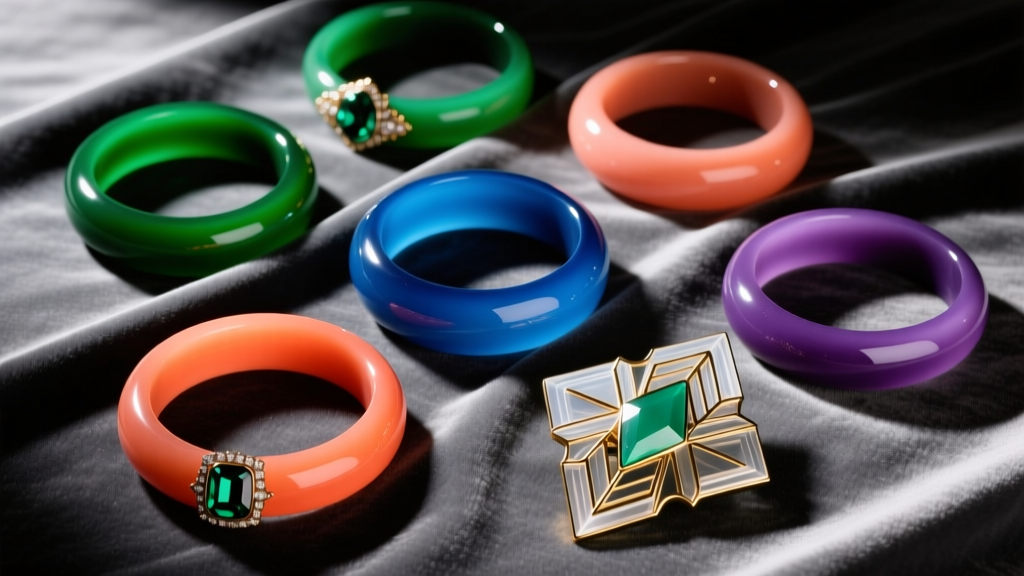
The Chemistry of Early Plastics: Why Standard Cleaners Fail
Collecting and maintaining vintage plastic jewelry requires a fundamental understanding of early 20th-century polymer chemistry. Unlike glass, metal, or gemstones, vintage plastics are organic-based materials that remain chemically active long after their initial molding. The three most common materials you will encounter are phenol formaldehyde (Bakelite), cellulose nitrate (Celluloid), and poly(methyl methacrylate) (Lucite). Standard jewelry cleaning solutions containing ammonia, alcohol, or ultrasonic vibrations will cause catastrophic failure in these materials, leading to clouding, micro-fractures, or complete dissolution.
For instance, cellulose nitrate is highly sensitive to heat and moisture. Submerging a 1920s Celluloid hair comb in hot water will not only warp the structural integrity but can also accelerate the release of nitric acid gases. According to the Smithsonian Museum Conservation Institute, improper cleaning of early plastics is the leading cause of irreversible degradation in costume jewelry archives. To preserve your collection, you must tailor your maintenance protocols to the specific chemical makeup of each piece.
Identifying Your Material Before Cleaning
Before applying any moisture or polish, you must accurately identify the plastic. Misidentifying Lucite as Bakelite can lead to the use of heavy abrasive polishes that will permanently scratch the acrylic surface.
The Bakelite Simichrome Test
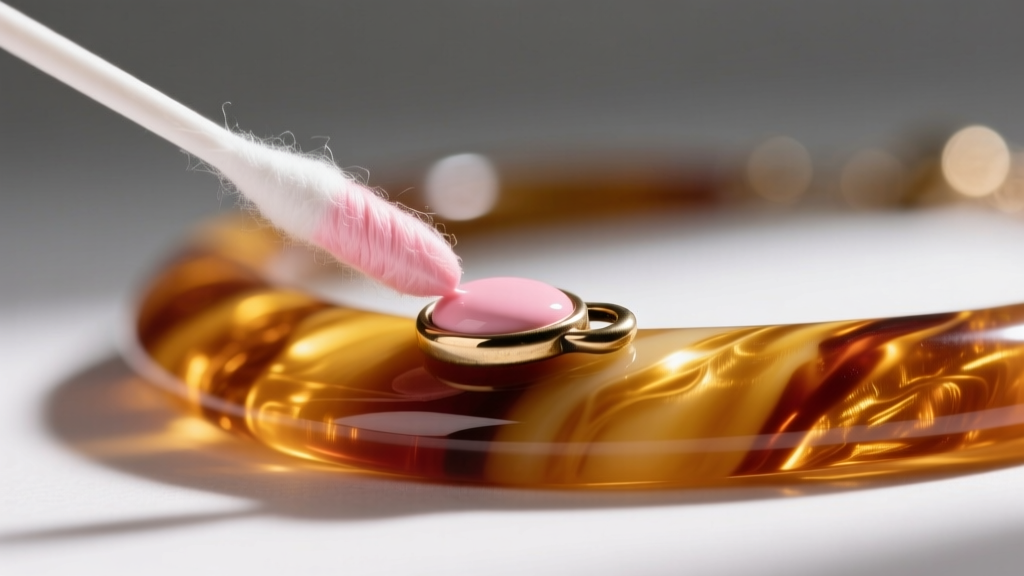
Bakelite, developed in 1907, is a thermosetting plastic. Once molded, it cannot be melted down. To confirm a piece is genuine Bakelite, apply a small amount of Simichrome metal polish (retailing around $12 to $15 per tube) to a cotton swab and rub it on an inconspicuous area, such as the inside of a bangle or the back of a brooch clasp. If the swab turns a distinct mustard yellow, the piece is Bakelite. Note that heavily lacquered or recently polished pieces may not yield a yellow reaction immediately. Formula 409 spray cleaner is a modern alternative that also turns yellow on Bakelite, though it must be rinsed off immediately with a damp cloth to prevent surface dulling.
The Celluloid Camphor Test
Celluloid, the first synthetic thermoplastic, was widely used in the 1910s and 1920s to mimic ivory, tortoiseshell, and coral. It is highly flammable and chemically unstable. To identify Celluloid, gently rub the piece with your thumb until it warms slightly, then smell it. Genuine Celluloid emits a distinct camphor or Vicks VapoRub odor. If you detect this smell, you must completely avoid liquid submersion and heat-based polishing.
Step-by-Step Cleaning Protocols by Material
Once identified, use the following protocols to safely remove dirt, cosmetics, and skin oils. Always test a small, hidden area first.
| Material | Safe Cleaning Agent | Strictly Avoid | Drying Method |
|---|---|---|---|
| Bakelite (Phenol Formaldehyde) | Lukewarm water (max 85°F/29°C) with mild dish soap (e.g., Dawn) | Hot water, alcohol, ammonia, ultrasonic cleaners | Pat dry immediately with a microfiber cloth |
| Celluloid (Cellulose Nitrate) | Dry microfiber cloth; slightly damp cloth for stubborn grime | Submersion, all liquid soaps, heat, friction | Air dry in a well-ventilated, low-humidity room |
| Lucite / Acrylic (PMMA) | Room temperature distilled water with a drop of baby shampoo | Window cleaners (Windex), paper towels, acetone | Blot gently with a lint-free optical cloth |
Bakelite Deep Cleaning: Use a soft-bristled baby toothbrush dipped in soapy water to gently agitate dirt out of deep carvings and rhinestone prongs. Never soak Bakelite with embedded metal rhinestones, as the moisture will rust the foil backing and the prongs, ruining the stones.
Lucite Maintenance: Lucite is essentially early acrylic. It scratches easily. Never use paper towels to wipe Lucite, as the wood fibers in the paper will leave micro-scratches. Always use a clean, lint-free optical cloth.
Polishing and Restoring Luster
Over decades, Bakelite and Lucite develop a patina or surface oxidation. While some collectors prize this patina, restoring the original high-gloss finish requires specific abrasive grades. The industry standard is the Novus Plastic Polish Kit (approximately $25 to $30), which includes three distinct formulations:
- Novus #1 (Clean & Shine): A non-abrasive liquid for removing dust and light oils. Safe for all three plastics.
- Novus #2 (Fine Scratch Remover): Contains mild abrasives to remove light oxidation and fine scratches. Excellent for Bakelite and Lucite. Apply with a soft cotton cloth in circular motions, then buff to a shine.
- Novus #3 (Heavy Scratch Remover): A coarse compound for deep gouges. Use only on thick Bakelite bangles. Never use on Lucite or thin Celluloid, as it will eat through the surface layer.
For severe oxidation on Bakelite where Novus #2 is insufficient, collectors sometimes use Maas metal polish or even a gentle buffing wheel with jeweler's rouge. However, machine buffing generates friction heat, which can melt embedded glue and loosen rhinestones. Hand polishing is always the safer, albeit more labor-intensive, route.
Long-Term Storage and Preventing Plastic Disease
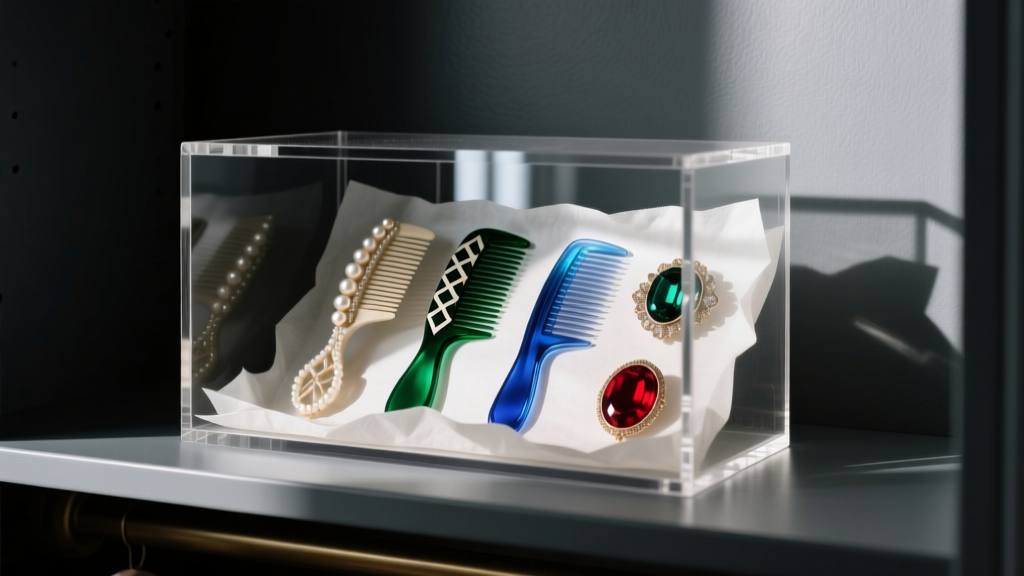
The greatest threat to vintage plastic jewelry in storage is a phenomenon conservators call 'plastic disease' or 'weeping.' This occurs primarily in Celluloid and early cellulose acetate when the plasticizers (chemicals added to make the plastic flexible) begin to leach out and react with ambient moisture. The surface becomes sticky, weeps a viscous liquid, and eventually forms a powdery white crystalline residue. Once plastic disease begins, it is nearly impossible to halt without professional chemical stabilization, which can cost upwards of $150 to $300 per piece.
To prevent this, follow these strict storage guidelines:
- Isolate Celluloid: Never store Celluloid pieces touching each other or touching other plastics. The off-gassing of nitric acid from one degrading piece will trigger a chain reaction, destroying adjacent items.
- Use Unbuffered Acid-Free Tissue: Wrap each piece individually in unbuffered, acid-free archival tissue paper. Buffered tissue contains calcium carbonate, which can react negatively with certain early polymers.
- Avoid Airtight PVC Bags: Storing plastics in sealed ziplock bags traps off-gassed chemicals, creating a highly acidic micro-environment that accelerates degradation. If you must use plastic bags for dust protection, use archival-grade polyethylene (PE) or polypropylene (PP) bags, and leave them slightly open or punch micro-holes for ventilation.
- Control Climate: Store your collection in a dark, climate-controlled environment. Ideal conditions are 65°F to 70°F (18°C to 21°C) with a relative humidity strictly maintained between 40% and 50%. UV light from windows will rapidly yellow clear Lucite and bleach dyed Bakelite.
Final Thoughts on Preservation
Caring for vintage plastic jewelry is an exercise in preventive conservation. By understanding the unique chemical vulnerabilities of Bakelite, Celluloid, and Lucite, you can safely remove decades of grime without compromising the structural integrity of the piece. Always prioritize gentle, material-specific cleaning agents over aggressive modern chemicals, and invest in proper archival storage to ensure these wearable artifacts of 20th-century design survive for future generations.


