How to Value Vintage Krementz Jewelry: Pricing & Buying Guide
Learn how to assess and price vintage Krementz jewelry. Discover hallmark guides, gold-filled vs solid gold values, and current market rates.

The Legacy of Krementz & Co.: Why It Holds Value
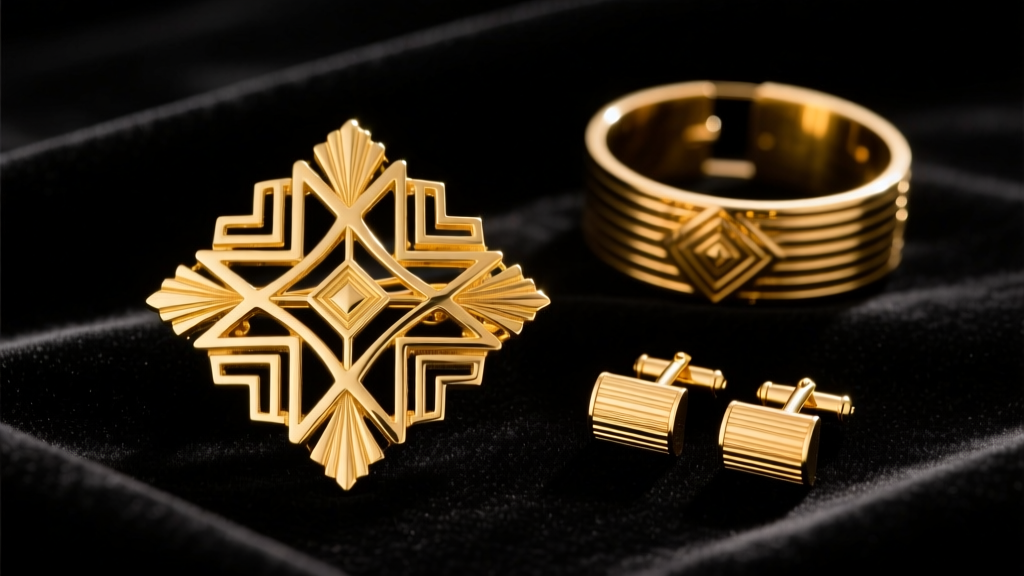
When navigating the estate jewelry market, few American manufacturers command the respect and reliability of Krementz & Co. Founded in Newark, New Jersey, in 1866, the company initially revolutionized men's accessories before transitioning into some of the most exquisite Art Deco and Retro-era women's jewelry. For collectors and investors, understanding how to value vintage Krementz jewelry requires looking beyond the surface. Unlike many contemporary costume jewelry makers, Krementz engineered their pieces with a focus on longevity, structural integrity, and premium materials.
The brand's claim to fame in its early days was the 1884 patent for the one-piece collar button. By eliminating the soldered joint that frequently snapped on competitors' buttons, Krementz established a reputation for indestructible engineering. This same dedication to quality carried over into their mid-century brooches, cufflinks, and rings. According to the Antique Jewelry University, Newark-based jewelers like Krementz were pivotal in establishing the United States as a hub for fine jewelry manufacturing, blending European design sensibilities with American industrial precision.
Decoding Krementz Hallmarks and Materials
The first step in any budget and value assessment is identifying the metal composition. Krementz produced both solid gold and gold-filled pieces, but their approach to gold-filled jewelry was radically different from modern standards.
Solid Gold vs. Rolled Gold Plate (RGP)
Modern gold-filled jewelry typically consists of a brass core with a thin outer layer of gold (usually 1/20th of the total weight). Krementz, however, frequently utilized a process they referred to as 'Rolled Gold Plate' or heavily weighted gold-filled layers. In many vintage Krementz pieces, the gold layer is substantially thicker than standard industry requirements, meaning it can survive decades of daily wear without exposing the base metal.
When inspecting a piece, look for the following hallmarks:
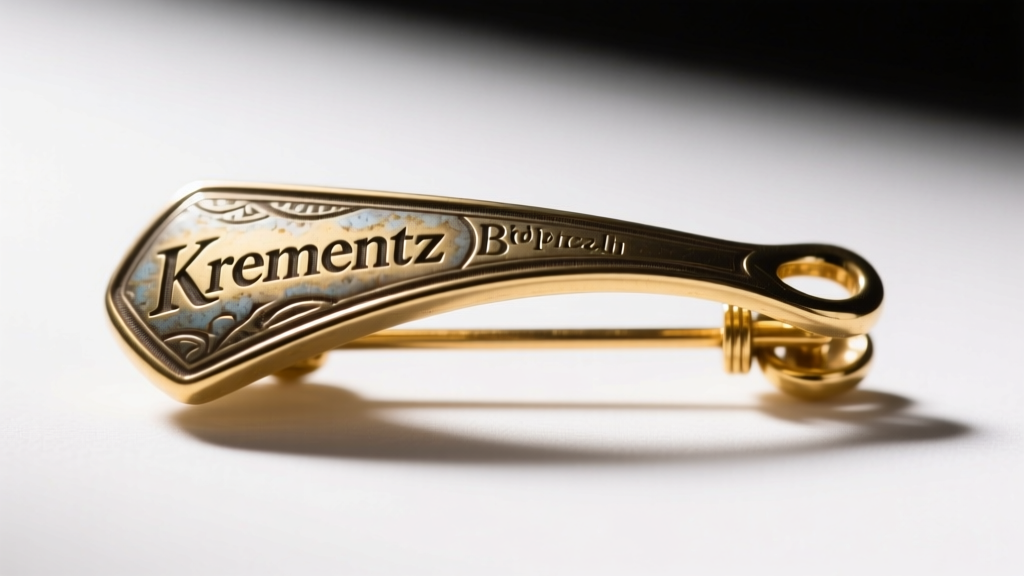
- 'Krementz' - Often stamped plainly on the back of brooches, cufflinks, or inside ring shanks. If unaccompanied by a karat mark on a gold-colored piece, it is likely their premium rolled gold plate.
- '1/20 12K GF' or '1/20 14K GF' - Standard gold-filled markings, though Krementz's actual application was often thicker.
- '14K' or '18K' - Indicates solid gold. Krementz produced high-end solid gold pieces, particularly during the Art Deco (1920s-1930s) and Retro (1940s) periods, often featuring intricate filigree work and guilloché enamel.
2026 Market Pricing: What to Pay for Vintage Krementz Jewelry
Valuing these pieces requires a nuanced understanding of the current market. While costume jewelry from the same era might fetch $15 to $30, Krementz pieces carry a premium due to their superior craftsmanship and precious metal content. Below is a structured pricing framework based on recent auction data and estate sale averages.
| Jewelry Category | Material Composition | Condition Factors | Estimated Value Range (USD) |
|---|---|---|---|
| Art Deco Filigree Brooches | Rolled Gold Plate (RGP) | Excellent; no brass bleed, working safety clasp | $45 - $95 |
| Art Deco Diamond Rings | Solid 14K White Gold | Original single-cut diamonds, crisp filigree | $600 - $1,400 |
| Men's Cufflinks (Chain Link) | 1/20 12K Gold Filled | Functional bean-backs, minor surface wear | $50 - $120 |
| Men's Cufflinks (Enamel/Guilloché) | Solid 14K Yellow Gold | Pristine enamel, no dents on the gold rim | $450 - $900+ |
| Retro Era Ribbon/Bow Brooches | Solid 14K Rose/Yellow Gold | Intact pin stem, rich gold patina | $350 - $850 |
As noted by market aggregators like 1stdibs, solid gold Krementz pieces with high-end gemstones or pristine guilloché enamel consistently appreciate, while gold-filled pieces remain stable, highly collectible entry points for vintage enthusiasts.
Critical Condition Checks: Spotting Value Killers
When assessing vintage Krementz jewelry for purchase or resale, condition is the primary driver of price. Because the brand is known for durability, buyers expect these pieces to be in superior mechanical and cosmetic shape. Use this troubleshooting checklist to identify value-killing flaws:
1. Brass Bleed and Base Metal Exposure
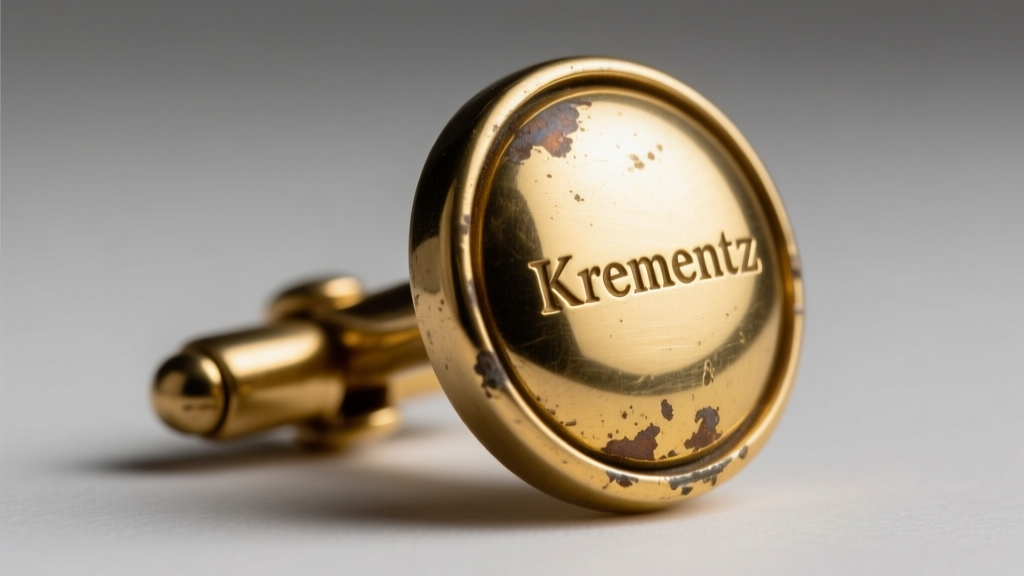
Even with Krementz's thick rolled gold plate, high-friction areas (like the edges of cufflink toggles or the pin stems of brooches) can eventually wear down to the brass or copper core. 'Brass bleed' appears as a dull, dark, or reddish-brown patch that cannot be polished away. While minor bleed on a gold-filled piece is acceptable and expected for its age, severe flaking on a solid gold piece indicates it is actually gold-filled, drastically reducing its value.
2. Clasp and Pin Stem Mechanics
For brooches, the clasp mechanism helps date the piece and determine its usability. Early 20th-century pieces may feature 'C-clasps' and 'trombone catches.' If a safety catch has been retrofitted or soldered on poorly, it diminishes the antique value. Furthermore, ensure the pin stem is straight and retains its tension; a loose pin stem that droops when worn is a functional failure that requires a jeweler's repair.
3. Cufflink Toggle Tension
For men's vintage Krementz cufflinks, the mechanism is everything. 'Bean-back' and 'bullet-back' toggles must snap into place with a firm, audible click. If the internal spring mechanism is corroded or the toggle swings loosely on its post, the cufflink is functionally compromised. Repairing vintage micro-springs is often cost-prohibitive, rendering the piece a 'for parts' or display-only item.
Where to Buy and Sell for Maximum Return
Sourcing and selling vintage Krementz jewelry requires targeting the right platforms. Because the brand bridges the gap between 'costume' and 'fine' jewelry, general thrift stores often misprice them, presenting excellent buying opportunities.
- Buying: Estate sales and regional auction houses are prime hunting grounds. Sellers unfamiliar with the 'Rolled Gold Plate' mark often price Krementz brooches as standard costume jewelry ($10-$20), allowing knowledgeable buyers to acquire them well below market value.
- Selling: To maximize return, avoid bulk lot listings on eBay. Instead, photograph the hallmarks clearly, detail the exact dimensions, and list on specialized platforms like Etsy or Ruby Lane, where collectors actively search for the Krementz maker's mark. For solid 14K Art Deco rings or enameled cufflinks, consignment through a reputable antique jewelry dealer or a curated auction house will yield the highest hammer price.
Final Verdict: Is Krementz a Good Investment?
From a budget and value assessment perspective, vintage Krementz jewelry offers exceptional utility and historical significance. For the budget-conscious collector, their rolled gold plate pieces provide the heavy, luxurious feel of solid gold at a fraction of the cost, with a durability that outshines modern alternatives. For the serious investor, solid gold Art Deco and Retro pieces by Krementz represent a safe, historically anchored asset class. By mastering the hallmarks, understanding the mechanical failure points, and referencing accurate pricing tiers, you can confidently navigate the market and build a high-value collection.


