Body Jewelry Plus SC: Beginner Guide to Surface Cartilage
Explore body jewelry plus SC (Surface Cartilage) essentials. Learn about staple bars, 14g titanium standards, and migration prevention.

Understanding Surface Cartilage (SC) Piercings
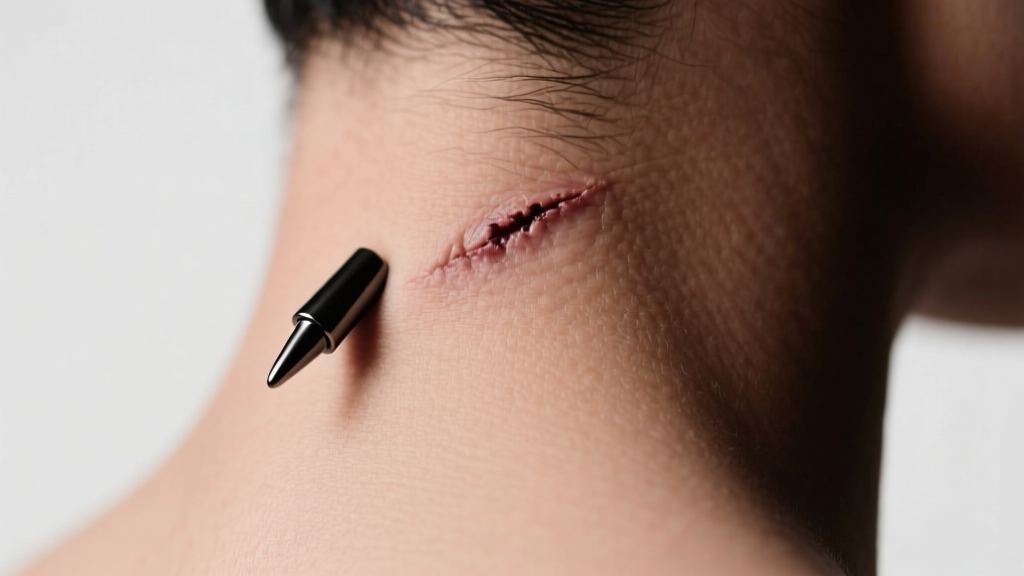
Surface cartilage (SC) piercings represent one of the most technically demanding and visually striking categories in modern body modification. Unlike standard piercings that pass entirely through a distinct flap of tissue or cartilage—such as a lobe or nostril piercing—surface piercings enter and exit the skin on the same flat plane. This unique anatomical placement creates a stunning aesthetic, allowing for symmetrical designs on the nape of the neck, sternum, hips, and wrists. However, this same flat-plane placement makes SC piercings highly susceptible to migration and rejection if the correct jewelry is not utilized.
For beginners, the terminology can be overwhelming. When building your collection or preparing for a new procedure, searching for body jewelry plus SC (Surface Cartilage) specific hardware ensures you are looking at specialized tools rather than standard barbells. The 'plus' factor here refers to the additional engineering required to keep the jewelry anchored beneath the dermis without the body treating it as a foreign splinter to be expelled.
The Engineering Behind SC Jewelry: Why Standard Fails
A common beginner mistake is assuming a curved barbell can be used for a surface piercing. Curved barbells are designed for tissue that has a natural curve, like the eyebrow or navel. When placed in a flat surface piercing, the natural tension of the curved barbell acts like a spring, constantly pushing the ends upward toward the epidermis. Over time, this upward pressure causes the body to reject the jewelry, leading to scarring.
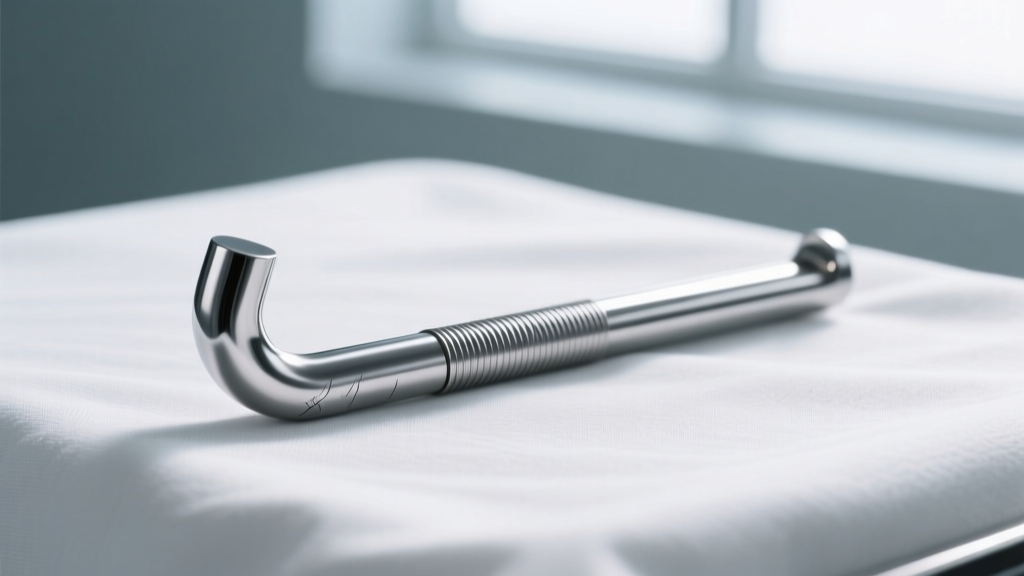
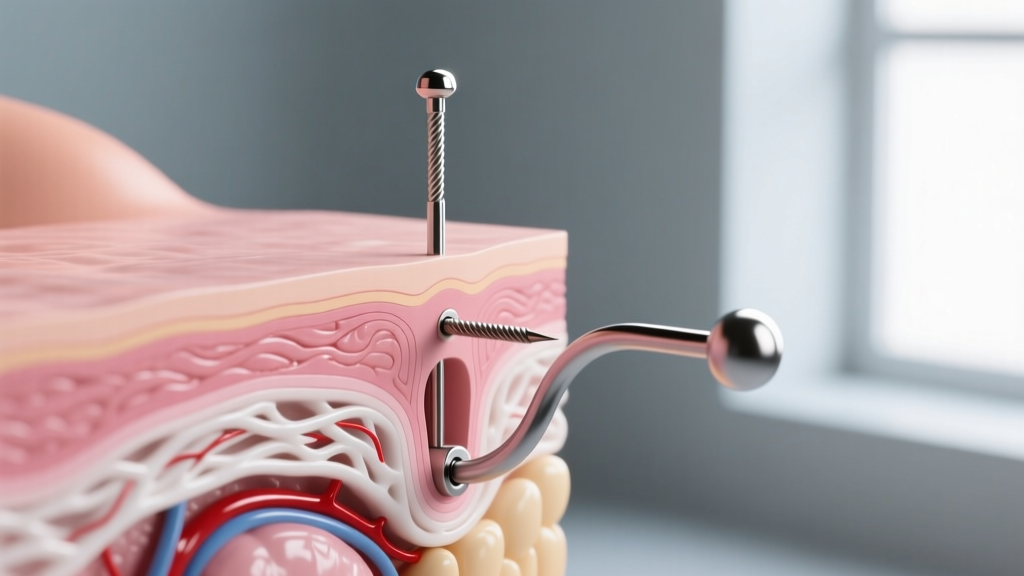
To counteract this, professional piercers use specialized surface bars. These bars feature a flat center with two 90-degree bends, creating a staple-like shape. This geometry allows the jewelry to sit flush and parallel beneath the skin, eliminating the upward tension that causes rejection. According to the Association of Professional Piercers (APP), using properly shaped, high-quality jewelry is the single most critical factor in the long-term viability of any surface piercing.
Material Grades That Dictate Success
Because surface piercings sit in shallow, high-movement areas of the body, the immune system is highly reactive to the jewelry material. You must strictly avoid 316L surgical steel for initial SC piercings. The nickel content, even in trace amounts, can trigger contact dermatitis and accelerate rejection.
- ASTM F-136 Implant-Grade Titanium: The absolute gold standard. It is completely nickel-free, highly polished, and biocompatible. Brands like Anatometal and Industrial Strength Body Jewelry machine their surface bars from this exact aerospace-grade alloy.
- Niobium: A highly reactive elemental metal that is completely hypoallergenic. While excellent for rings, it is slightly softer than titanium, making it less ideal for long surface bars that might bend under pressure.
- Solid 14k or 18k Gold (Nickel-Free): Only recommended for fully healed surface piercings. Gold alloys used in body jewelry must be specifically formulated for biocompatibility, avoiding copper and nickel mixes.
Anatomy of a Surface Bar: Staple vs. Dermal
While surface bars are the standard for linear SC piercings, single-point dermal anchors offer an alternative for specific placements. Understanding the difference is crucial for your jewelry selection.
| Jewelry Type | Structure | Migration Risk | Best Placement |
|---|---|---|---|
| Surface Staple Bar | Linear bar with 90-degree bends | Low (if sized correctly) | Nape, Sternum, Hip, Wrist |
| Curved Barbell | Standard C-curve | Extremely High | Eyebrow (Avoid for SC) |
| Dermal Anchor | Single-point base with holes | Medium | Cheek, Chest, Lower Back |
Gauge, Rise, and the 2026 Sizing Standards
Sizing a surface bar requires understanding two distinct measurements: gauge (thickness) and rise (height). Getting either of these wrong will almost guarantee piercing failure.
The Gauge Standard
Surface piercings require thicker jewelry to prevent the 'cheese-cutter effect.' If a bar is too thin, the body's natural movement will cause the thin wire to slowly slice through the shallow tissue. The industry standard for initial SC piercings is 14-gauge (1.6mm) or 12-gauge (2.0mm). Never use 16-gauge or thinner for a surface bar, as the rejection rate skyrockets.
Understanding 'Rise'
The 'rise' is the distance from the 90-degree bend to the top of the post where the decorative end screws on. If the rise is too short, the decorative end will press into the skin, causing necrosis and infection. If the rise is too long, the jewelry will snag on clothing, creating trauma.
- 2mm to 3mm Rise: Ideal for areas with thin skin and minimal swelling, such as the nape of the neck or behind the ear.
- 4mm to 5mm Rise: Required for areas that experience significant initial swelling or have thicker adipose tissue, such as the sternum or hips.
Professional piercers will often swap to a shorter rise after the initial 4-week swelling period to ensure the jewelry sits flush against the healed tissue.
Real-World Pricing and Brand Recommendations
High-quality SC jewelry is an investment in your body's safety. Cheap, mass-produced surface bars from online marketplaces often feature poor threading and improper 90-degree angles, leading to immediate complications.
- Anatometal: Surface bars range from $45 to $85 depending on length. Their internal threading is flawless, preventing tissue damage during insertion.
- Industrial Strength (ISBJ): Known for highly polished staple bars, typically priced between $40 and $70. They offer custom lengths for complex anatomical placements.
- NeoMetal Ends: For the decorative tops, expect to pay $15 to $35 per end for premium synthetic opals or Swarovski crystals set in titanium.
Aftercare: Keeping Your SC Piercing Anchored
Because surface piercings are shallow, aftercare is less about deep cleaning and more about trauma prevention. The healing timeline for an SC piercing is typically 6 to 16 weeks for initial stabilization, but full tissue integration can take up to a year.
The U-Shaped Pillow Trick
The number one cause of surface piercing rejection is sleeping on the jewelry. Pressure forces the staple bar to shift, tearing the fragile healing fistula. Beginners must invest in a U-shaped travel pillow. By sleeping with the piercing centered in the hollow of the pillow, you eliminate all nocturnal pressure and friction.
Cleaning Protocols
Avoid harsh chemicals, tea tree oil, and homemade sea salt soaks, which can easily be mixed at incorrect ratios and cause chemical burns. Stick exclusively to sterile, pressurized 0.9% sodium chloride wound wash. Spray the entry and exit points twice daily, and gently pat dry with non-woven gauze. Avoid cotton swabs, as the micro-fibers can wrap around the jewelry ends and introduce bacteria into the shallow puncture wounds.
Final Thoughts on SC Jewelry Selection
Surface cartilage piercings are a beautiful commitment that requires a departure from standard jewelry shopping habits. By prioritizing ASTM F-136 titanium, respecting the 14-gauge minimum, and understanding the vital role of the staple bar's rise, you set the foundation for a piercing that will last a lifetime. Always consult with an APP-certified piercer who can assess your specific anatomy and order the exact millimeter rise required for your unique body contours.


