Frenulum Piercing Jewelry: The Ultimate Beginner Guide
Discover the best frenulum piercing jewelry for smiley piercings. Learn about safe materials, correct gauge sizes, and how to prevent gum damage.

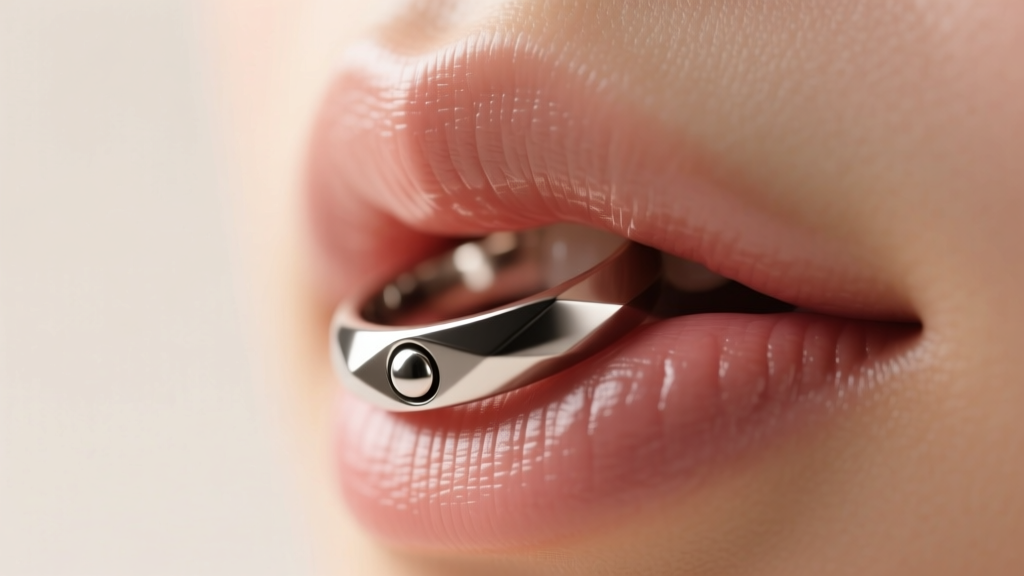
The upper labial frenulum piercing, universally known in the body modification community as the "smiley," is one of the most requested oral piercings today. Its appeal is obvious: a subtle flash of metal or a tiny gemstone that only appears when you smile. However, because this jewelry sits in constant proximity to your teeth and gum line, selecting the correct frenulum piercing jewelry is not just an aesthetic choice—it is a critical oral health decision. This comprehensive guide breaks down the exact specifications, materials, and styles you need to know to ensure your piercing heals beautifully and remains safe for your enamel and gingiva long-term.
What Exactly is a Frenulum Piercing?
Before selecting jewelry, it is vital to understand the anatomy. The frenulum is the thin fold of mucous membrane that connects your upper lip to your gums. A smiley piercing passes horizontally through this delicate webbing. It is crucial not to confuse this with the lingual frenulum piercing (often called a "tongue web" or "scrumper"), which sits under the tongue and requires entirely different jewelry profiles due to the mechanics of swallowing and speaking. For this guide, we are focusing exclusively on the upper labial frenulum, where jewelry rests against the back of the upper lip and the anterior maxillary incisors.
The Crucial Specs: Gauge, Diameter, and Fit
Oral tissue is highly vascular and prone to rapid swelling, but it is also remarkably thin. Using the wrong dimensions is the primary cause of migration, rejection, and enamel chipping.
Standard Gauge Sizes
The undisputed industry standard for a smiley piercing is 16-gauge (1.2mm). While some older studios may attempt to use 14-gauge (1.6mm) for added stability, the upper frenulum is rarely thick enough to accommodate this without causing excessive trauma or a "cheese-cutter" effect, where the heavy jewelry slowly slices through the tissue. In rare cases where the client has an exceptionally thin or shallow frenulum, a skilled piercer might opt for 18-gauge (1.0mm), provided the jewelry is a seamless ring to prevent the seam from catching on the delicate healing fistula.
Inner Diameter Rules
Diameter dictates how the jewelry interacts with your gums. A ring that is too tight will restrict blood flow during the initial swelling phase, leading to severe embedding. A ring that is too large will flip up over the lip, snag on food, and aggressively rub against the gingival margin, accelerating recession. The sweet spot for a fully healed smiley is typically an inner diameter of 5/16-inch (8mm) or 3/8-inch (10mm). During the initial healing phase, your piercer will likely size up to a 7/16-inch (11mm) or 1/2-inch (12mm) to accommodate swelling, downsizing after 2 to 4 weeks.
Top Frenulum Piercing Jewelry Styles Ranked
Not all rings are created equal when it comes to oral safety. Here is how the most common styles rank for frenulum use, based on tissue interaction and long-term viability.
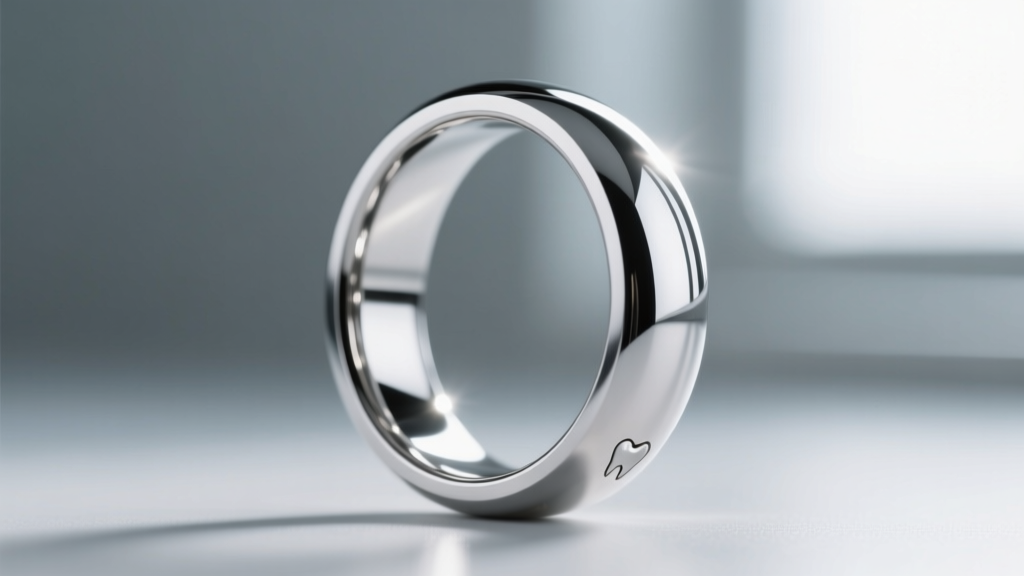
- 1. Seamless / Segment Rings (Best for Long-Term Wear): These rings feature a continuous, perfectly smooth surface with no bead or hinge. High-end brands like NeoMetal or Anatometal machine these to a flawless mirror finish. Because there is no bead to strike the incisors, seamless rings are the absolute safest option for preventing enamel micro-fractures and gum recession.
- 2. Captive Bead Rings / CBRs (The Classic Standard): A continuous ring held closed by the tension of a small bead. While traditional, the bead sits directly against the back of the teeth. If you choose a CBR, ensure the bead is small (2.5mm or 3mm) and made of polished titanium or glass, rather than porous acrylic or rough stone.
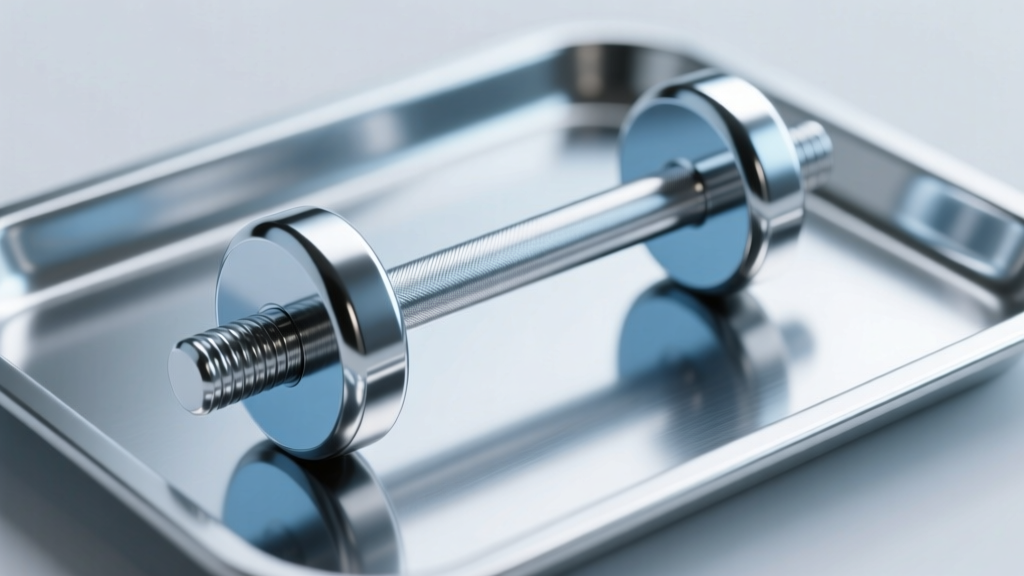
- 3. Circular Barbells / Horseshoes (Best for Initial Healing): These allow for easy flipping. If you work in a conservative environment or need to hide the piercing while it swells, a horseshoe can be flipped upward into the upper lip. However, the threaded or threadless balls at the ends can irritate the gums if left facing downward long-term.
- 4. Clickers and Hinged Rings (Avoid): The hinge mechanism creates a microscopic gap that harbors oral bacteria and plaque. Furthermore, the hinge joint is rarely polished to a mirror finish, creating friction against the frenulum that can lead to irritation bumps and migration.
Material Science: Protecting Your Enamel and Gums
The mouth is a harsh, acidic, and highly bacterial environment. The Association of Professional Piercers (APP) strictly recommends only specific, biocompatible materials for fresh oral piercings. Cheap metals will not only cause allergic contact stomatitis but will also degrade, leaving rough pits on the jewelry surface that act like sandpaper against your tooth enamel.
| Material | Grade / Standard | Pros for Frenulum | Cons / Warnings |
|---|---|---|---|
| Implant-Grade Titanium | ASTM F136 | Hypoallergenic, lightweight, takes a flawless mirror polish, highly resistant to oral acids. | None. This is the absolute gold standard for initial and long-term wear. |
| Niobium | Commercially Pure | Highly biocompatible, can be anodized to any color without using toxic paints or plating. | Slightly heavier than titanium; requires a skilled fabricator to achieve a perfect seamless finish. |
| Solid Gold | 14k or 18k (Nickel-Free) | Beautiful aesthetic, excellent biocompatibility if alloyed correctly (palladium or silver base). | Expensive; softer metals can scratch over time, requiring re-polishing to protect gums. |
| Surgical Steel | 316L / ASTM F138 | Widely available and inexpensive. | Contains nickel. The surface polish is often inferior to titanium, increasing plaque adhesion. |
Real-World Risks: Migration and Gingival Recession
The most severe complication associated with improper frenulum piercing jewelry is gingival recession. Because the jewelry rests against the attached gingiva above the central incisors, constant mechanical friction from talking, eating, and sleeping can cause the gum tissue to slowly wear away. Once gum tissue recedes, it does not grow back, often requiring expensive surgical grafting to correct.
To mitigate this, you must perform the "lip pull" test. Gently pull your upper lip down and away from your teeth. If the jewelry is pulled taut against the gum line or digs into the tissue, the diameter is too small. Additionally, if you notice the piercing hole elongating vertically or the jewelry sitting lower than it did initially, this is the first sign of migration. The frenulum is a superficial piercing; if the body decides to reject it due to improper jewelry weight or chronic irritation, the tissue will thin out and eventually tear. At the first sign of migration, remove the jewelry immediately to preserve the tissue for potential future repiercings.
Expert Aftercare for Oral Piercings
Healing a smiley requires strict adherence to oral hygiene protocols to prevent infection and minimize swelling.
- Rinsing Protocol: Use an alcohol-free, SLS-free mouthwash (such as Biotene or Tech 2000) or a sterile saline wound wash after every meal and before bed. Swish gently for 30 seconds to dislodge food particles trapped behind the ring.
- The Cold Water Trick: Sipping on ice water during the first 48 hours acts as a localized vasoconstrictor, significantly reducing the initial swelling of the frenulum.
- Avoid Oral Contact: French kissing and oral sex must be strictly avoided for a minimum of 4 to 6 weeks. The mouth contains hundreds of bacterial strains, and introducing a partner's microbiome to an open wound in the frenulum is a primary cause of severe oral infections.
- Downsizing: Return to your piercer after 3 weeks to have the initial, oversized jewelry swapped for a snug-fitting 8mm or 10mm seamless titanium ring. Leaving an oversized ring in long-term guarantees snagging and gum damage.
Choosing the right frenulum piercing jewelry is an exercise in precision. By insisting on ASTM F136 implant-grade titanium, strictly adhering to 16-gauge dimensions, and prioritizing seamless profiles over decorative beads, you ensure your smiley remains a safe, stunning, and permanent addition to your smile.