The Ultimate Body Jewelry Size Chart & Material Fit Guide
Master the body jewelry size chart with our expert guide on how material properties, tolerances, and density impact your perfect fit.

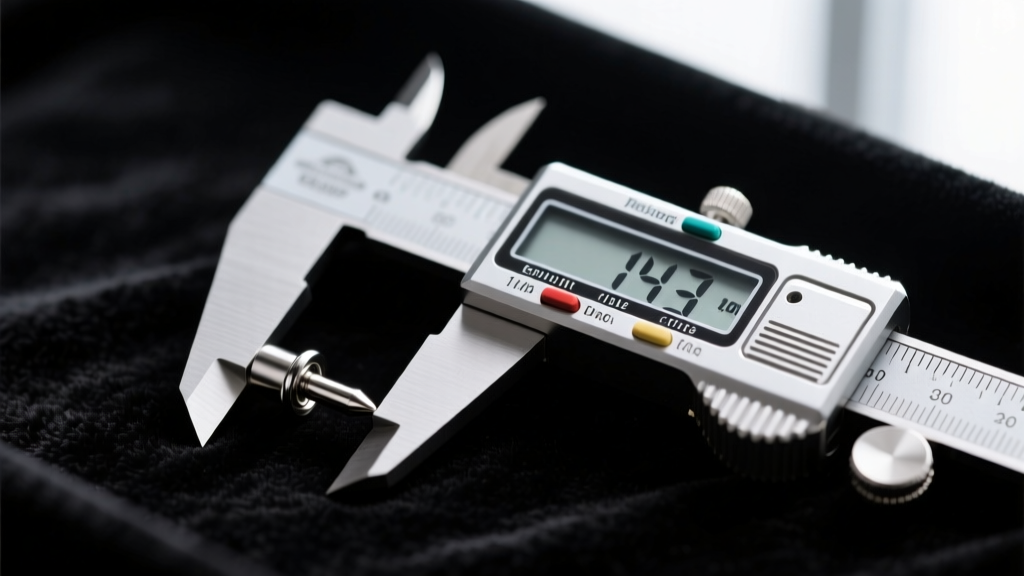
Why Material Dictates Your Ideal Body Jewelry Size Chart
When consulting a standard body jewelry size chart, most enthusiasts focus strictly on gauge thickness and wearable length. However, treating size as a purely mathematical metric is a common mistake that leads to discomfort, migration, and tearing. The physical properties of the material—ranging from manufacturing tolerances and surface friction to specific gravity and moisture reactivity—fundamentally alter how a piece of jewelry actually fits inside your fistula. A 14-gauge (1.6mm) implant-grade titanium labret post will behave entirely differently than a 14-gauge carved wooden taper or a flexible PTFE barbell, even if they share the exact same millimeter measurement on paper.
Understanding the intersection of material science and body jewelry sizing is critical for both fresh piercings and stretched lobes. In this comprehensive guide, we bridge the gap between the standard body jewelry size chart and the real-world material variables that dictate your perfect fit, ensuring you select pieces that promote tissue health and long-term stability.
The Master Body Jewelry Size Chart (Gauge to Millimeter)
Before diving into material anomalies, it is essential to establish the baseline measurements. The American Wire Gauge (AWG) system is the standard for body jewelry, where a lower gauge number indicates a thicker piece of jewelry. Below is the definitive conversion chart used by professional piercers.
| Gauge (AWG) | Inches | Millimeters (mm) | Common Applications |
|---|---|---|---|
| 20G | 0.032' | 0.81mm | Standard ear lobe, nostril (traditional) |
| 18G | 0.040' | 1.0mm | Nostril, cartilage, some lip piercings |
| 16G | 0.051' | 1.2mm | Cartilage, lip, eyebrow, nipple (initial) |
| 14G | 0.064' | 1.6mm | Navel, tongue, nipple, industrial |
| 12G | 0.081' | 2.0mm | Stretched lobes, some surface anchors |
| 10G | 0.102' | 2.5mm | Stretched lobes, septum (heavy) |
| 8G | 0.128' | 3.2mm | Stretched lobes, large septum |
| 6G | 0.162' | 4.0mm | Stretched lobes, dermal punches |
| 4G | 0.204' | 5.0mm | Stretched lobes |
| 2G | 0.257' | 6.0mm | Stretched lobes |
| 0G | 0.324' | 8.0mm | Stretched lobes (Note: often sold as 9-10mm) |
| 00G | 0.364' | 9.0mm - 10.0mm | Stretched lobes (highly variable by brand) |
Material-Specific Sizing Anomalies You Must Know
A body jewelry size chart provides theoretical dimensions, but manufacturing realities introduce variances. According to the Association of Professional Piercers (APP), the material composition dictates not just biocompatibility, but the physical tolerance of the jewelry itself.
Implant-Grade Titanium vs. Surgical Steel Tolerances
High-end body jewelry crafted from ASTM F-136 implant-grade titanium or 316L surgical steel is CNC-machined to exacting standards. When you order a 14G (1.6mm) titanium internally threaded labret from a reputable brand like NeoMetal or Industrial Strength, the wearable post will measure precisely 1.58mm to 1.60mm. The mirror polish achieved on these metals reduces surface friction, meaning they slide through the fistula smoothly without requiring you to 'size up' for comfort. However, cheaper, mass-produced steel jewelry often suffers from poor threading and micro-abrasions, which can cause the tissue to grip the metal, making a 14G piece feel uncomfortably tight compared to a precision-machined equivalent.
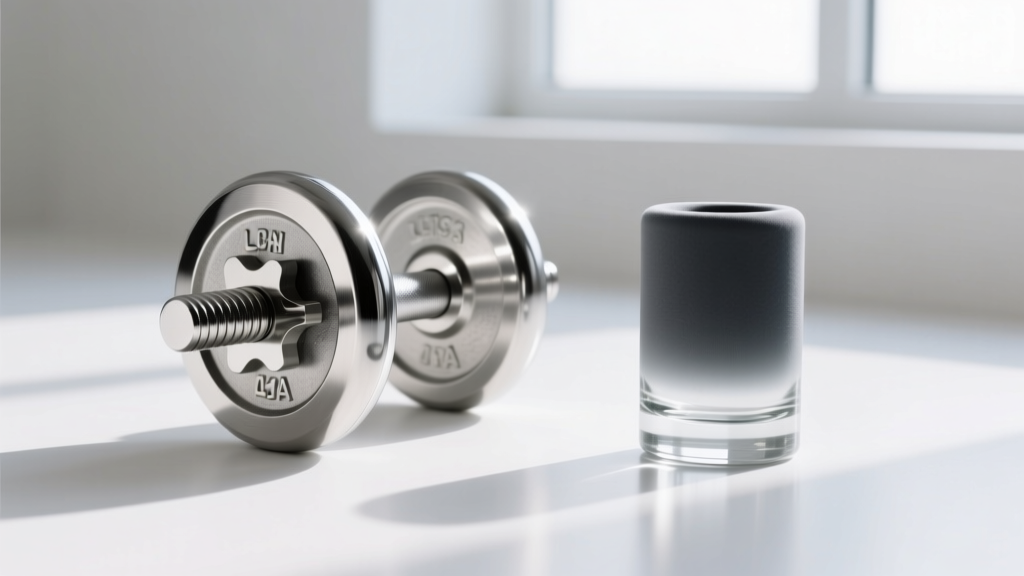
Glass and Stone: The 'Undersized' Reality
If you are stretching your lobes or buying plugs, the body jewelry size chart becomes highly deceptive when applied to glass and stone. Borosilicate glass and natural stones are often hand-carved or molded, leading to significant variances. A glass plug labeled as 0G (8mm) will frequently measure closer to 7.5mm at its narrowest point (the saddle) and 8.5mm at the flares. Furthermore, glass has a much lower specific gravity (approx. 2.5 g/cm³) compared to steel (8.0 g/cm³). Because glass is lighter, it does not pull on the fistula, allowing many wearers to comfortably fit a slightly thicker glass plug than they could in steel. Always measure the 'wearable area' (the saddle) of glass and stone plugs with digital calipers, rather than relying solely on the manufacturer's stamped size.
Organics, Acrylics, and PTFE: Swelling and Shrinking
Organic materials like wood, bone, and horn are highly reactive to environmental moisture. A wooden plug that measures a perfect 2G (6.0mm) in a dry warehouse can absorb ambient humidity or skin oils and swell to 6.3mm, causing pressure necrosis in a tight fistula. Conversely, PTFE (Teflon) is a flexible polymer often used for surface piercings and retainers. PTFE has a high thermal expansion coefficient and can actually shrink or warp when subjected to the high heat of an autoclave. If you are buying PTFE barbells for a surface piercing, you must account for this potential shrinkage and consult with your piercer to select a slightly longer barbell to accommodate the material's physical quirks.
Weight and Drape: How Material Density Impacts Large Gauges
When consulting a body jewelry size chart for larger gauges (8G and above), the weight of the material becomes a critical factor in tissue health. The 'drape' of a circular barbell or a captive bead ring is dictated by the material's density. For example, a 4G (5.0mm) solid steel septum clicker weighs significantly more than the exact same design carved from Corian or lightweight titanium. Over time, the heavy, concentrated mass of steel in a large-gauge ring can cause the 'cheese-cutter effect,' where the weight slowly migrates downward, thinning the tissue at the bottom of the piercing. For large diameter rings (16mm and above), opting for lighter materials like titanium, anodized aluminum, or high-density acrylics is strongly recommended to preserve the structural integrity of the piercing channel.
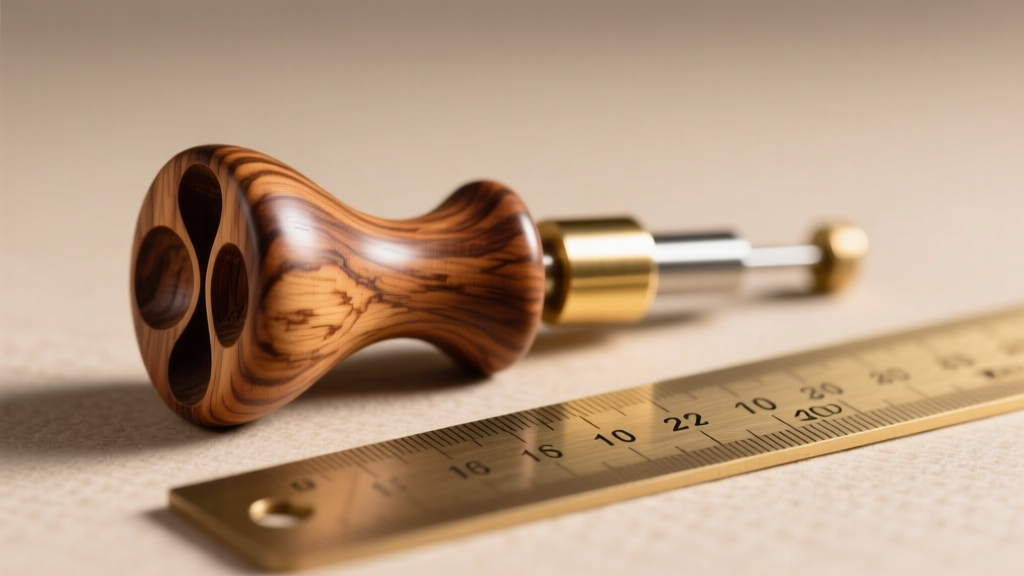
Standard Lengths and Diameters by Piercing Type
While gauge thickness is heavily influenced by material, the length and diameter of the jewelry must account for initial swelling and tissue thickness. Below are the industry-standard starting dimensions for common piercings, assuming the use of high-quality, mirror-polished titanium or steel.
- Nostril (Screws/L-Ends): 18G or 16G; 6mm to 8mm post length.
- Cartilage / Helix (Flat Backs): 16G; 6mm to 8mm post length (downsized after 4 weeks).
- Conch / Rook: 16G; 8mm to 10mm post length (highly variable based on ear anatomy).
- Tragus: 16G; 5mm to 6mm post length.
- Nipple: 14G; 10mm to 14mm barbell length (accommodates significant swelling).
- Navel (Curved Barbells): 14G; 10mm to 12mm (3/8' to 7/16') curve length.
Troubleshooting Fit Issues Based on Material and Size
Even with a perfect body jewelry size chart, fit issues arise. Here is how to troubleshoot based on material properties:
If your piercing feels tight and irritated despite being fully healed, check the surface finish of your jewelry. Matte-finished metals, sandblasted titanium, or unpolished acrylics create microscopic friction that can cause micro-tears in the fistula. Switching to a mirror-polished implant-grade titanium piece of the exact same gauge will often resolve the irritation immediately.
For stretched lobes experiencing 'blowout' symptoms (redness and tissue pushing through the back of the plug), evaluate the material's weight and flare design. Heavy steel double-flared plugs can drag the tissue downward, restricting lymphatic drainage. Switching to single-flared glass or lightweight Corian plugs, secured with silicone O-rings, redistributes the weight and allows the tissue to recover. Always remember that a size chart is a starting point; your body's unique biological response to different materials is the ultimate arbiter of fit.


