Shining Light Body Jewelry: Material Properties Guide
Explore Shining Light body jewelry materials. Compare implant-grade titanium, niobium, and gold alloys for safe healing and long-term piercing wear.

Introduction to Shining Light Body Jewelry and Metallurgy
When professional piercers and dedicated collectors discuss premium wholesale and retail options, Shining Light body jewelry frequently emerges as a benchmark for metallurgical integrity. In 2026, the body modification industry has seen a massive influx of substandard alloys masquerading as 'surgical steel,' making the material transparency championed by reputable distributors more critical than ever. Understanding the exact chemical composition, surface finish standards, and biocompatibility profiles of these pieces is essential for both safe initial healing and long-term tissue health.
This guide dissects the core materials utilized in high-end piercing jewelry, focusing on the specific alloys, elemental metals, and finishing techniques that define premium manufacturing. We will evaluate the physical properties that dictate how these metals interact with the human fistula (the healed tube of tissue around a piercing), referencing current standards set by the Association of Professional Piercers (APP).
The Core Alloys: Titanium, Niobium, and Gold
The foundation of safe body jewelry relies on materials that resist corrosion from human interstitial fluid, which is naturally saline and slightly alkaline. Shining Light body jewelry typically focuses on three primary categories for initial piercings and high-end healed wear.
Implant-Grade Titanium (ASTM F136)
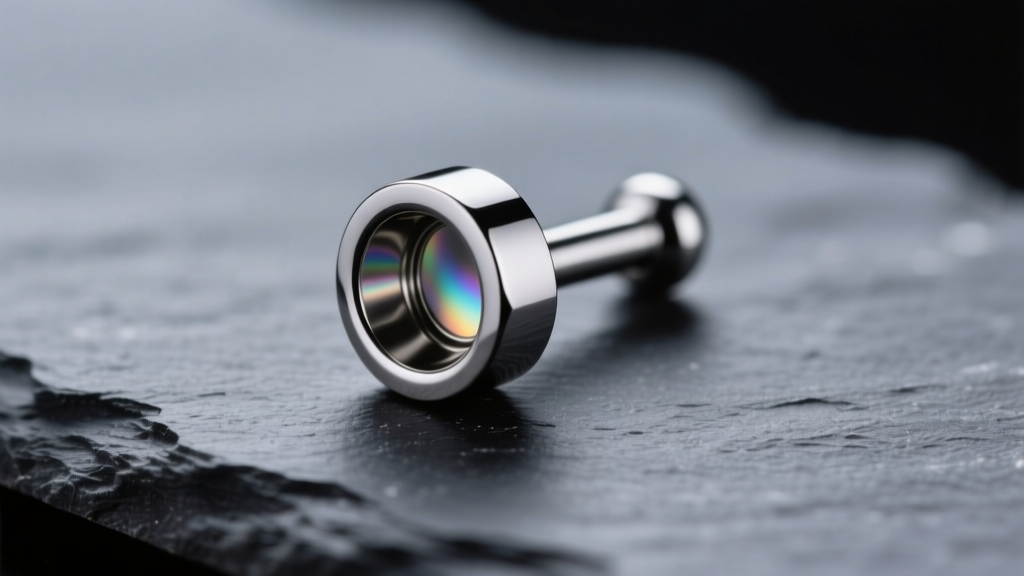
The gold standard for fresh piercings is Ti-6Al-4V ELI (Extra Low Interstitial), governed by the ASTM F136 standard. The 'ELI' designation is crucial; it indicates a restricted percentage of oxygen, nitrogen, carbon, and iron compared to standard aerospace-grade titanium. This reduction in interstitial elements increases the metal's ductility and fracture toughness while maximizing biocompatibility. Titanium naturally forms a passive oxide layer (TiO2) upon exposure to air, which prevents nickel leaching and resists galvanic corrosion. Furthermore, this oxide layer allows for anodizing—applying specific voltages to alter the light refraction of the surface, creating colors from 18V (gold) to 90V (green) without using dyes or plating.
Unalloyed Niobium
Niobium is an elemental metal, not an alloy, meaning it contains no secondary metals that could trigger contact dermatitis. While it lacks a specific 'implant-grade' ASTM designation for jewelry due to its historical medical applications, highly purified niobium is universally accepted by the APP for fresh piercings. It is significantly denser and softer than titanium. A unique property of niobium is its ability to be heat-treated in a controlled environment to achieve a permanent, non-toxic black finish. Unlike black PVD (Physical Vapor Deposition) coatings that can flake or scratch, heat-treated black niobium is a surface conversion that will not wear off inside the fistula.
Solid 14k and 18k Gold
Gold must be carefully alloyed to be safe for the body. Pure 24k gold is entirely too soft; it scratches easily, creating microscopic grooves where anaerobic bacteria can thrive. Premium manufacturers alloy gold with silver, copper, and palladium to increase hardness. For Shining Light body jewelry and similar premium lines, 14k and 18k are the acceptable standards. 14k gold (58.5% pure gold) offers superior Vickers hardness, making it ideal for intricate threadless ends or captive bead rings that endure mechanical stress. 18k gold (75% pure gold) offers a richer, warmer color but requires a meticulous mirror polish to prevent bacterial adhesion. Nickel must be strictly excluded from the alloy mix to prevent severe allergic contact dermatitis.
Material Comparison Matrix
To make an informed decision based on your specific piercing anatomy, lifestyle, and budget, refer to the comparative data below. These metrics highlight the physical realities of wearing different metals daily.
| Material | Standard / Purity | Density (g/cm³) | Vickers Hardness (HV) | Best Use Case | Avg. Price Range (USD) |
|---|---|---|---|---|---|
| Titanium | ASTM F136 (Ti-6Al-4V ELI) | 4.43 | ~334 | Initial piercings, heavy wear, anodizing | $15 - $45 |
| Niobium | 99.9% Pure Elemental | 8.57 | ~60 - 100 | Nickel allergies, black heat-treated rings | $20 - $50 |
| 14k Gold | 58.5% Au (Nickel-Free) | ~13.0 | ~145 | Healed piercings, threadless ends, fine jewelry | $60 - $150 |
| 18k Gold | 75.0% Au (Nickel-Free) | ~15.5 | ~125 | Healed piercings, high-end aesthetic display | $90 - $250+ |
| Borosilicate Glass | Pyrex / Quartz | 2.23 | ~500 | Stretching, MRI safety, retaining piercings | $10 - $30 |
Surface Finishes and Mirror Polish Standards
The metallurgical composition of Shining Light body jewelry is only half the equation; the surface finish dictates how the tissue actually interacts with the metal. A poorly polished piece of implant-grade titanium can still cause irritation bumps and delayed healing. High-end manufacturers utilize a multi-stage tumbling and buffing process to achieve a 'mirror polish.'
In metallurgical terms, this is measured by Surface Roughness Average (Ra). For initial piercings, the Ra should be as close to 0.0 micrometers as possible. A true mirror polish eliminates microscopic striations left by CNC machining or casting molds. When the jewelry is perfectly smooth, the forming fistula does not trap dead skin cells, sebum, or bacteria. Furthermore, a flawless polish ensures that the jewelry can be easily removed or rotated without micro-tearing the delicate epithelial lining of a healing channel. If you inspect a piece under a 10x jeweler's loupe and see directional scratching or pitting, it is not suitable for a fresh piercing, regardless of the alloy used.
Failure Modes: When Materials React
Even premium materials can fail if misused or subjected to improper aftercare. Understanding these failure modes is critical for long-term piercing health.
- Galvanic Corrosion: Mixing different metals in the same piercing (e.g., a titanium post with a cheap steel decorative end) in the presence of saline aftercare spray creates a micro-battery effect. This leads to rapid galvanic corrosion, metallic tasting discharge, and tissue staining.
- Anodizing Wear: While titanium anodizing is safe, it is a surface oxide layer, not a dye. In high-friction areas like the rook or daith, the constant rubbing of the cartilage can eventually wear the anodized color back to raw silver titanium. This is not a health hazard, but an aesthetic reality.
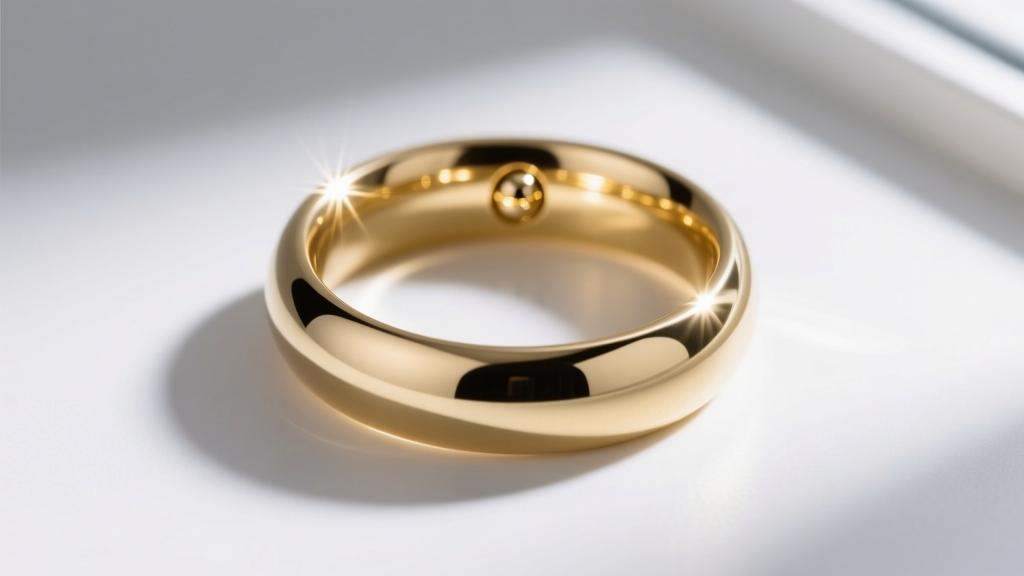
- Gold Alloy Tarnishing: If a gold piece turns the skin black or green, it indicates the presence of copper or silver oxidation, often exacerbated by acidic skin pH or exposure to harsh chemicals like chlorine. True nickel-free, palladium-alloyed 14k/18k gold should not tarnish in standard physiological conditions.
- Niobium Softness: Because niobium is relatively soft (low Vickers hardness), thin-gauge niobium rings (20g or 18g) can easily warp out of a perfect circle if snagged on clothing or towels, requiring careful reshaping with nylon-jaw pliers.
Authenticating Premium Pieces in 2026
As the demand for high-quality body modification has surged, so has the market for counterfeit goods. When sourcing Shining Light body jewelry or equivalent premium brands, authentication is paramount. Reputable manufacturers now utilize laser-etched hallmarks on the flat backs of labret studs or the interior of larger gauge rings, indicating the metal grade (e.g., 'TI-64' or '14K').
Additionally, professional studios will provide material certificates or mill test reports (MTRs) upon request, proving that the batch of titanium used meets ASTM F136 or ASTM F67 standards. Always purchase from verified, APP-affiliated studios or direct authorized distributors. For more information on identifying safe jewelry and recognizing misleading marketing terms like 'surgical steel' or 'hypoallergenic,' consult the APP Frequently Asked Questions database. Investing in verified, metallurgically sound jewelry is the single most effective way to ensure a smooth healing process and a lifetime of comfortable wear.