Troubleshooting Snake Bite Body Jewelry: Fit, Swelling, and Healing
Fix common snake bite body jewelry issues. Learn how to troubleshoot swelling, gum damage, and uneven healing with expert sizing and material tips.

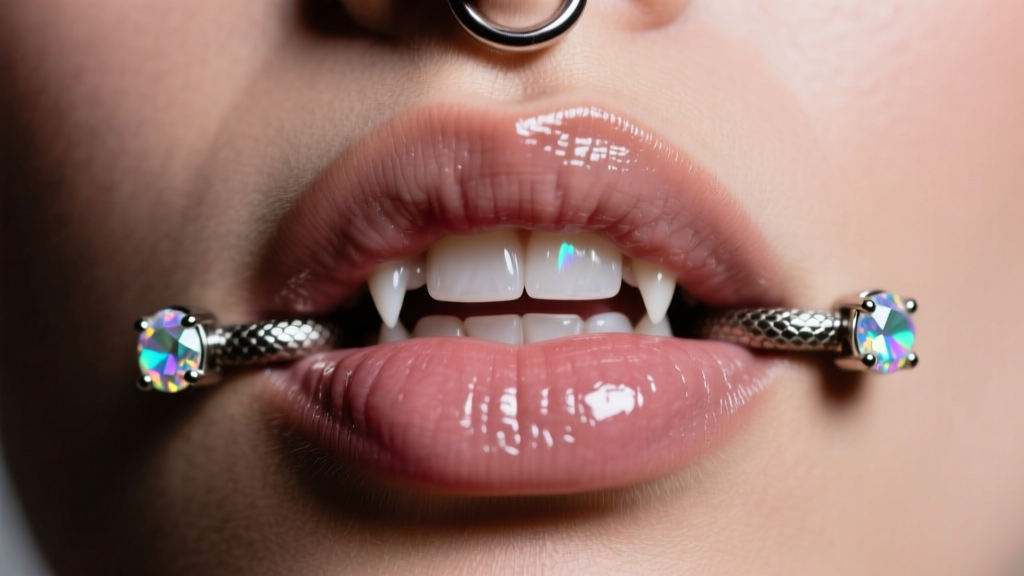
The Anatomy of a Snake Bite: Why Fit Matters
Snake bite piercings—two symmetrical punctures on the lower lip—are a staple in oral body modification. However, because they interact with both the highly vascular exterior lip tissue and the sensitive interior oral cavity, they present unique troubleshooting challenges. The most common failure point for snake bite body jewelry isn't the piercing technique itself, but the improper selection and fitting of the jewelry. According to the Association of Professional Piercers (APP), oral piercings require strict adherence to specific post lengths, gauges, and backing styles to prevent severe complications like embedding, gum recession, and the dreaded "cheese cutter effect."
Standard snake bites are typically pierced at 14-gauge (1.6mm) or 16-gauge (1.4mm). While 16G is common for standard lip piercings, 14G is heavily preferred for snake bites. The thicker gauge distributes pressure more evenly against the delicate lip tissue, significantly reducing the risk of the jewelry migrating or slicing through the skin over time. If you are experiencing persistent irritation, the first variable to audit is whether your jewelry meets these baseline structural requirements.
Troubleshooting Initial Swelling and Post-Length
The lower lip is notorious for dramatic, asymmetric swelling that peaks between days three and five post-piercing. If your snake bite body jewelry feels too tight or is pressing deeply into the skin, you are facing an embedding emergency.
The "Embedding" Emergency
Embedding occurs when the swelling engulfs the decorative end or the flat back of the labret stud, cutting off circulation and causing the skin to heal over the metal. If you notice the skin bulging over the edges of your jewelry, do not wait. You must visit a professional piercer immediately to swap the posts for longer ones. Initial snake bite posts should range from 5/16" (8mm) to 3/8" (10mm) to accommodate this swelling. Attempting to remove embedded jewelry at home with unsterilized tools often results in severe tissue tearing and scarring.
Conversely, if your initial posts are 1/2" (12mm) or longer and the swelling has subsided after week one, the excessive length becomes a hazard. Long posts catch on teeth, food, and clothing, introducing bacteria into the healing fistula and causing mechanical irritation bumps. This leads directly to the necessity of downsizing.
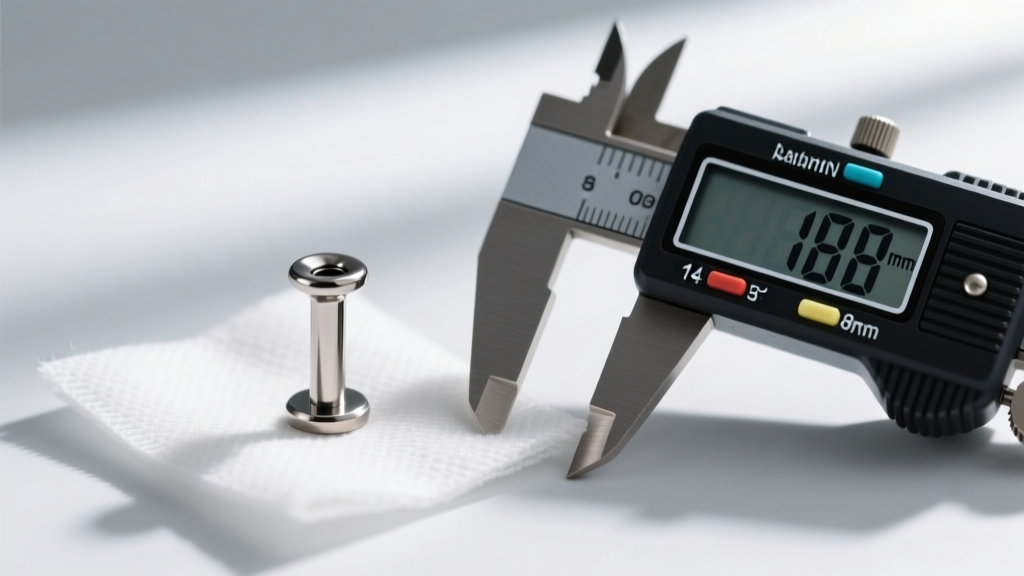
Solving Oral Damage: Gum and Tooth Interference
The interior of your mouth is a high-impact zone. The most severe long-term complication of snake bite body jewelry is gingival recession (gum loss) and enamel chipping. This is almost entirely a jewelry geometry problem.
- Avoid Ring Styles Initially: Captive bead rings (CBRs) and circular barbells rotate constantly through the healing fistula. This rotation drags oral bacteria into the wound and repeatedly strikes the gums and teeth. Rings should never be worn in fresh snake bites.
- The Flat-Back Mandate: Only flat-back labret studs should be used. The flat disc rests flush against the inner lip, minimizing contact with the lower incisors and canine gums.
- Backing Materials: If you are experiencing minor tooth sensitivity or have a history of bruxism (teeth grinding), consider swapping the interior metal disc for a high-quality, implant-grade polymer or acrylic backing. While metal is best for the initial healing phase due to its non-porous nature, medical-grade polymers can offer a softer buffer against the teeth once the piercing is fully stabilized.
Mechanical irritation from the jewelry tapping against the teeth is often misdiagnosed as an allergic reaction. If the exterior of the piercing is red and angry, but the interior is painless, evaluate how often the jewelry is moving. Stabilizing the jewelry through proper downsizing usually resolves this "allergy" overnight.
Material Reactions: When Titanium Isn't Enough
True metal allergies in oral piercings are rare, but they do happen. The vast majority of "reactions" are actually mechanical irritation caused by poor polish or nickel leaching from low-grade "surgical steel." To troubleshoot persistent healing stalls, you must verify the exact metallurgical grade of your snake bite body jewelry.
| Material | Grade/Standard | Best For | Risk Factor |
|---|---|---|---|
| Titanium | ASTM F136 (Implant-Grade) | Initial piercings, sensitive healers | Extremely Low (Nickel-free) |
| Niobium | Commercially Pure (CP) | Healed piercings, custom anodizing | Low (Hypoallergenic) |
| Gold | 14k or 18k Solid, Nickel-Free | Healed piercings, aesthetic upgrades | Moderate (Alloy sensitivities) |
| Surgical Steel | 316L or 316LVM | Healed piercings (non-sensitive) | High (Contains 8-10% Nickel) |
As detailed in the APP Jewelry Materials Guide, "surgical steel" is a marketing term, not a regulated implant standard. If your snake bites are constantly weeping clear fluid or developing hypertrophic scars, switch immediately to ASTM F136 implant-grade titanium. Furthermore, ensure the jewelry is internally threaded or threadless. Externally threaded jewelry features sharp screw threads that must pass through the delicate lip tissue every time it is removed, causing micro-tears and introducing oral plaque directly into the fistula.
Fixing Asymmetry and Migration
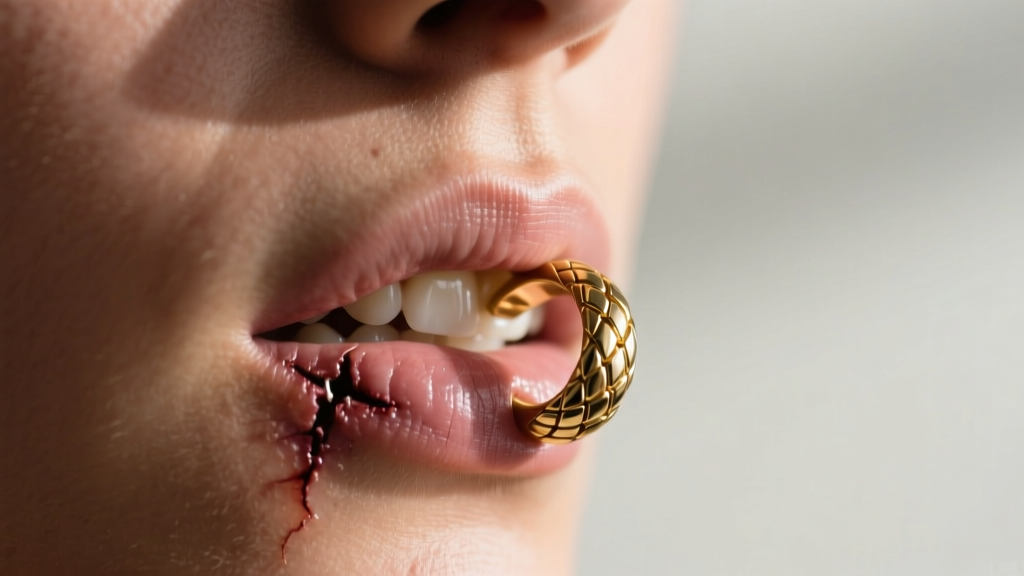
Snake bites are meant to be perfectly symmetrical, but facial swelling and sleeping habits can cause one side to heal at a slightly different angle. If your jewelry appears crooked, do not attempt to bend the posts or force the jewelry into a new position.
Migration—the slow rejection of the jewelry by the body—presents as a thinning of the tissue between the entry and exit holes. If the tissue feels tight, looks translucent, or the jewelry appears to be moving closer to the edge of the lip, remove the jewelry immediately to prevent a severe split-lip scarring outcome. Migration is often caused by using a gauge that is too thin (like 18G or 20G) or by chronic trauma from playing with the jewelry. Once the tissue has healed, a professional piercer can re-pierce the area at a deeper, more stable angle using a 14-gauge needle.
Downsizing: The Critical 4-Week Mark
The most vital troubleshooting step for long-term snake bite health is the downsize. While the exterior of a lip piercing may look healed after four to six weeks, the interior fistula is still fragile and contracting.
Step-by-Step Downsizing Guide
- Assess Swelling (Week 3-4): Gently press the exterior gem. If there is no pain and the skin sits flush against the metal, the swelling has subsided.
- Measure the Gap: A professional piercer will measure the exposed post. For most healed snake bites, the ideal final post length is 1/4" (6mm) or 5/16" (8mm).
- Verify Clearance: Once downsized, run your tongue over the interior flat back. It should sit comfortably in the natural pocket between your lower lip and your gum line without resting directly on the gingival margin.
- Monitor for 48 Hours: After downsizing, monitor for any rebound swelling. If the tissue tightens, step up to a 3/8" (10mm) post temporarily until it relaxes.
Troubleshooting snake bite body jewelry requires a shift in perspective: view the jewelry not just as an accessory, but as a medical implant interacting with a dynamic, high-mobility environment. By strictly adhering to implant-grade materials, respecting the 14-gauge standard, and executing a timely downsize, you can eliminate 95% of the complications associated with this classic oral piercing.

