VHP Piercing Jewelry: A Buyer's Guide to Vapor Polished Finishes
Discover why VHP piercing jewelry is the gold standard for healing. Learn how to identify vapor honed finishes, compare costs, and choose the right piece.

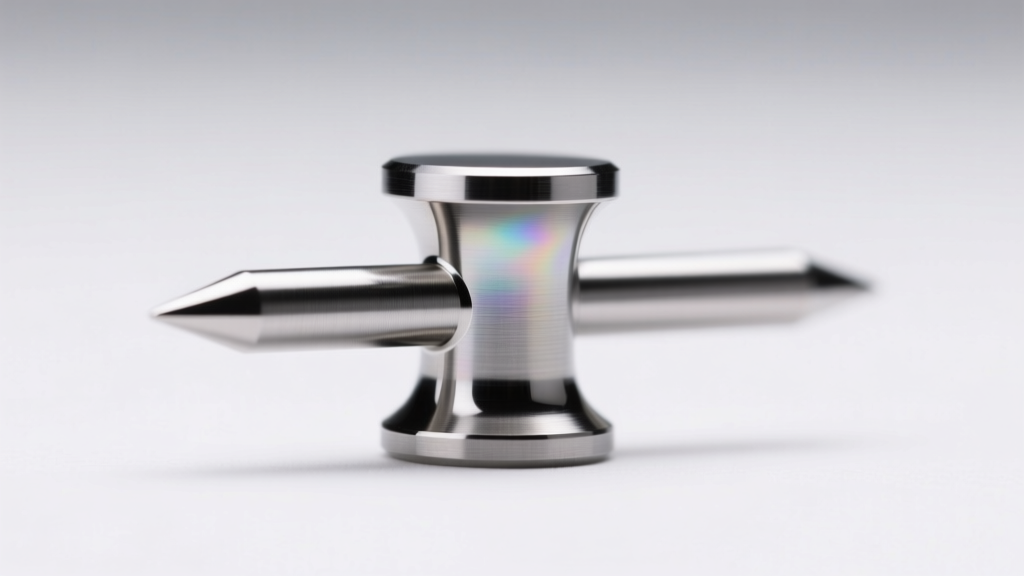
When investing in high-end body modification, the surface finish of your jewelry is just as critical as the material itself. While most buyers focus on whether a piece is solid gold or implant-grade titanium, the polishing method dictates how your tissue will actually interact with the metal. Enter VHP piercing jewelry—a premium category that has become the gold standard for professional piercers and serious collectors alike. VHP, which stands for Vapor Honed Polish (or Vapor Polished), represents a meticulous finishing process that eliminates microscopic imperfections, resulting in a surface that promotes faster healing and resists bacterial colonization.
This comprehensive buying guide will break down the metallurgy behind VHP, compare it to standard machine polishing, and provide you with a practical framework for identifying and purchasing authentic vapor honed pieces in 2026.
What Exactly is VHP (Vapor Honed Polish) in Body Jewelry?
To understand why VHP piercing jewelry commands a premium, you must first understand the limitations of traditional jewelry manufacturing. Standard mechanical polishing relies on abrasive compounds (like jeweler's rouge) applied via cotton or felt buffing wheels. While this creates a shiny surface to the naked eye, under a microscope, it leaves behind microscopic directional scratches known as striations.
Vapor honing, by contrast, is a highly controlled wet-blasting process. It utilizes a pressurized slurry of water and ultra-fine glass beads or ceramic media (typically ranging from 50 to 100 microns). The water acts as a hydrostatic cushion, preventing the aggressive cutting action associated with dry sandblasting. The result is a uniform, ultra-smooth satin or mirror finish that drastically lowers the metal's Ra (Roughness Average) value. According to manufacturing standards referenced by the Association of Professional Piercers (APP), a lower Ra value is directly correlated with reduced tissue trauma and lower risks of biofilm formation during the healing process.
VHP vs. Standard Machine Polish: The Microscopic Difference
When shopping for body jewelry, you will generally encounter three types of surface finishes. Understanding the differences is crucial for making an informed purchase, especially for fresh piercings or clients prone to irritation bumps.
| Finish Type | Surface Roughness (Ra) | Bacterial Retention Risk | Aesthetic Profile | Relative Cost |
|---|---|---|---|---|
| Standard Machine Polish | 0.4 - 0.8 µm | Moderate to High | High-gloss, but can show micro-scratches over time | $ |
| Electropolishing | 0.2 - 0.4 µm | Low | Ultra-bright, mirror-like, removes amorphous layer | $$ |
| VHP (Vapor Honed) | < 0.2 µm | Extremely Low | Flawless satin/matte or soft mirror, hides wear | $$$ |
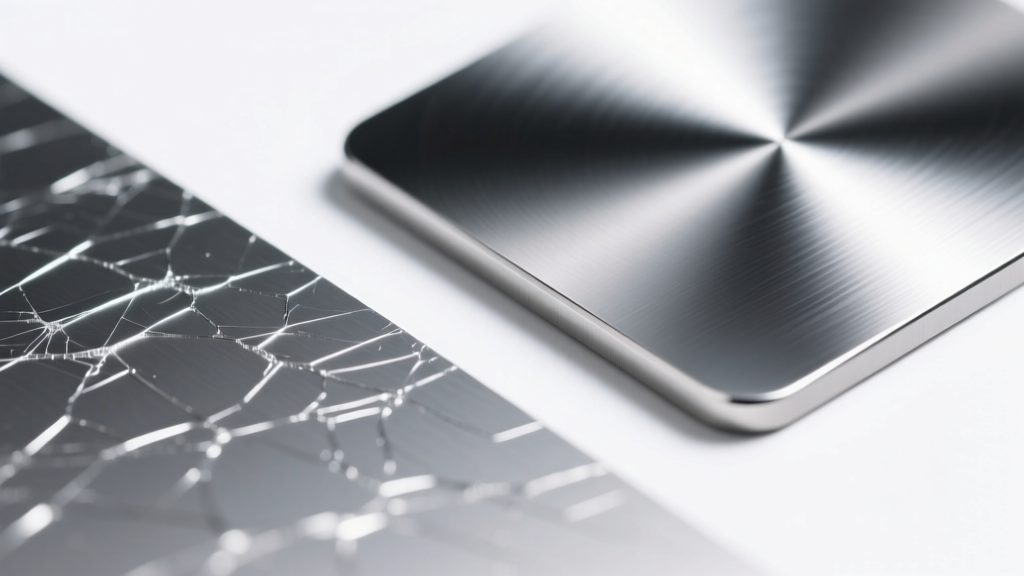
While electropolishing is excellent for removing the amorphous surface layer of titanium, VHP provides a unique aesthetic versatility. It can achieve a gorgeous, soft matte finish that hides micro-wear and tear far better than a high-gloss mirror finish, all while maintaining an exceptionally low surface roughness that glides through fistulas without causing micro-tears.
Why Piercers Recommend VHP for Fresh Piercings
The primary reason elite piercing studios exclusively stock VHP piercing jewelry for initial piercings is microbiology. The human body is highly efficient at defending against pathogens, but microscopic grooves in standard polished metal can harbor Staphylococcus aureus and Pseudomonas aeruginosa. These bacteria form biofilms that are notoriously resistant to standard saline aftercare.
Because vapor honing effectively 'erases' these microscopic valleys, there is simply nowhere for bacteria to hide. Furthermore, the ultra-smooth surface reduces the friction coefficient when the jewelry moves. If you accidentally snag a VHP-finished labret post, the jewelry is far more likely to slide through the healing fistula without causing the micro-lacerations that lead to hypertrophic scarring (irritation bumps).
The Role of Implant-Grade Titanium (ASTM F-136)
VHP is most frequently applied to ASTM F-136 implant-grade titanium (Ti-6Al-4V ELI). This specific alloy is the benchmark for biocompatibility. When you combine the nickel-free, hypoallergenic properties of F-136 titanium with a VHP finish, you create the ultimate biological environment for a fresh wound. Brands like Anatometal and Industrial Strength have built their reputations on pairing this exact material science with rigorous vapor honing protocols.
How to Spot Authentic VHP Piercing Jewelry
Because 'vapor polished' has become a buzzword, some overseas manufacturers have begun mislabeling standard machine-polished jewelry as VHP. Here is a practical checklist to ensure you are buying authentic vapor honed pieces:
- Examine the Brand Reputation: True VHP requires expensive, specialized pneumatic equipment. Stick to established, APP-recommended brands like BVLA, Anatometal, Industrial Strength, and Neometal.
- Look for the Satin Glow: Authentic VHP titanium often has a distinct, soft 'satin' or 'frosty' luster rather than the harsh, blinding glare of a cheap buffing wheel. It looks deep and uniform.
- Check the Threading and Seams: A manufacturer that invests in VHP will also invest in internal threading or precision threadless systems. If the post is externally threaded, it is almost certainly not true VHP.
- Price Verification: If a titanium labret post is selling for $12 on a massive e-commerce marketplace, it has not been vapor honed. The labor and media costs alone make true VHP impossible at bargain-bin prices.
Pricing Expectations and Top Brands for VHP Finishes
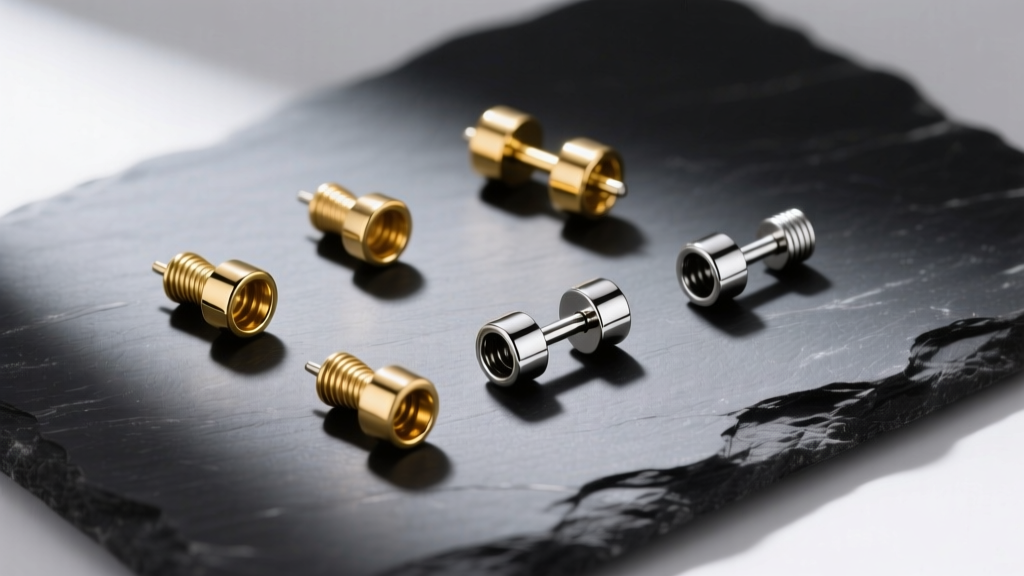
Investing in VHP piercing jewelry means paying for precision engineering. Here is what you can expect to pay in the current market for authentic, vapor-honed pieces:
Pro Tip: Never compromise on the post finish to afford a flashier gemstone. A flawless VHP titanium post with a simple bezel-set CZ will heal infinitely better than a cheap, machine-polished post holding a massive, heavy cluster gem.
- Basic Titanium Posts (16g - 14g): Expect to pay between $35 and $55 for a premium VHP finished post from brands like Industrial Strength or Neometal.
- Solid 14k Gold Ends: While gold is often hand-polished by master jewelers at Body Vision Los Angeles (BVLA), their proprietary finishing techniques achieve the same sub-micron smoothness as VHP. Threadless gold ends typically range from $110 to $250+, depending on the gemstone quality.
- Custom/Anodized Pieces: If you want VHP titanium that has been subsequently anodized to a specific color (like rose gold or deep blue), expect a 15-20% upcharge due to the secondary processing required.
Final Verdict: Is VHP Worth the Premium?
For healed, mature piercings that rarely experience trauma, standard high-quality machine polish is generally sufficient. However, for fresh piercings, clients with sensitive skin, or placements prone to movement and snagging (like nostrils, flat piercings, and surface anchors), VHP piercing jewelry is an absolute necessity. The upfront cost is easily offset by the reduction in healing time, the elimination of expensive downsizing appointments caused by irritation bumps, and the sheer longevity of the jewelry's aesthetic. When you buy VHP, you are not just buying a piece of metal; you are investing in the biological success of your body modification.

