Best Budget Jewelry for a Rook Piercing: 2026 Value Guide
Discover the best budget jewelry for a rook piercing in 2026. Compare prices, materials, and value tiers to heal safely without overspending.

The Hidden Economics of Rook Piercing Jewelry
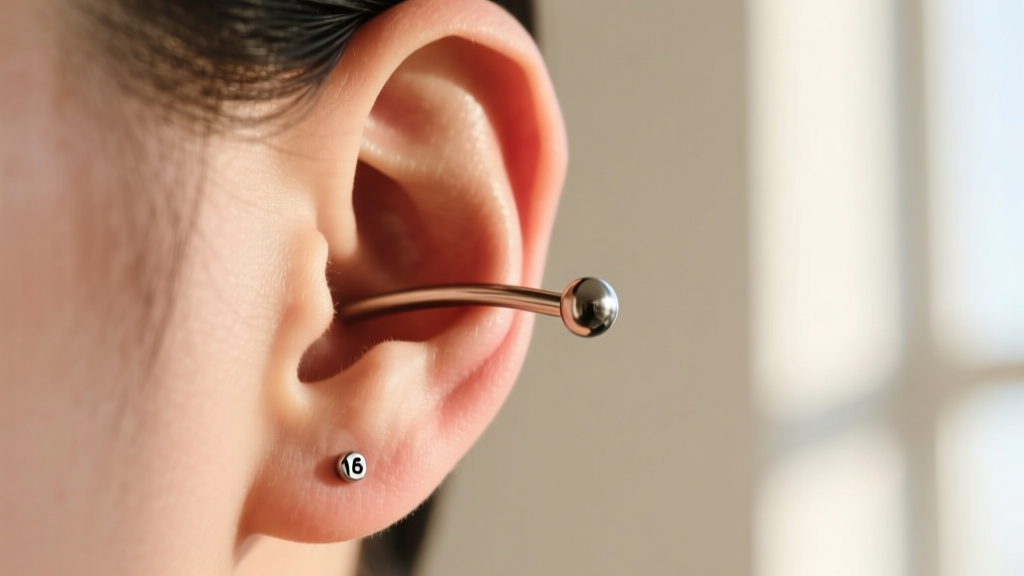
When navigating the vast market of body jewelry, finding high-quality, safe, and affordable options for specific cartilage placements can feel like a compromise. The rook—a thick, prominent fold of the antihelix in the upper inner ear—is notorious for its lengthy healing process, often taking anywhere from 6 to 12 months to fully settle. Because of this extended healing window, the jewelry for a rook piercing must meet rigorous biocompatibility standards. However, premium pricing doesn't always equate to better healing, and budget pricing doesn't always mean danger, provided you know exactly what to look for.
In 2026, the body jewelry market has seen a massive influx of direct-to-consumer brands offering implant-grade materials at a fraction of the cost of traditional studio markups. Yet, a dangerous "false economy" still traps many buyers. Purchasing a $8 mystery-metal ring from an unverified online marketplace often results in nickel-induced contact dermatitis, hypertrophic scarring (irritation bumps), and eventual migration. According to the Association of Professional Piercers (APP), treating a severe irritation bump or an infected cartilage piercing will cost you significantly more in medical consultations, specialized aftercare products, and professional piercer troubleshooting fees than simply investing in the correct titanium piece upfront.
Material Science on a Budget: What to Actually Buy
To maximize your budget without sacrificing your cartilage health, you must understand material grades. The undisputed champion of budget-friendly, high-safety jewelry is ASTM F-136 Implant-Grade Titanium. Unlike standard "surgical steel" (316L), which contains up to 10% nickel and can leach into the fistula (the piercing channel) when exposed to saline and bodily fluids, F-136 titanium is entirely nickel-free and highly polished to a mirror finish, reducing bacterial adhesion.
Pro-Tip for Budget Shoppers: Avoid "gold-plated" or "PVD-coated" titanium for initial rook healing. While PVD (Physical Vapor Deposition) is safe for healed piercings, the friction of a healing rook can wear down microscopic coatings, exposing the base metal and causing severe irritation. Stick to raw, unanodized F-136 titanium for the first 6 months.
2026 Pricing Tiers & Value Assessment
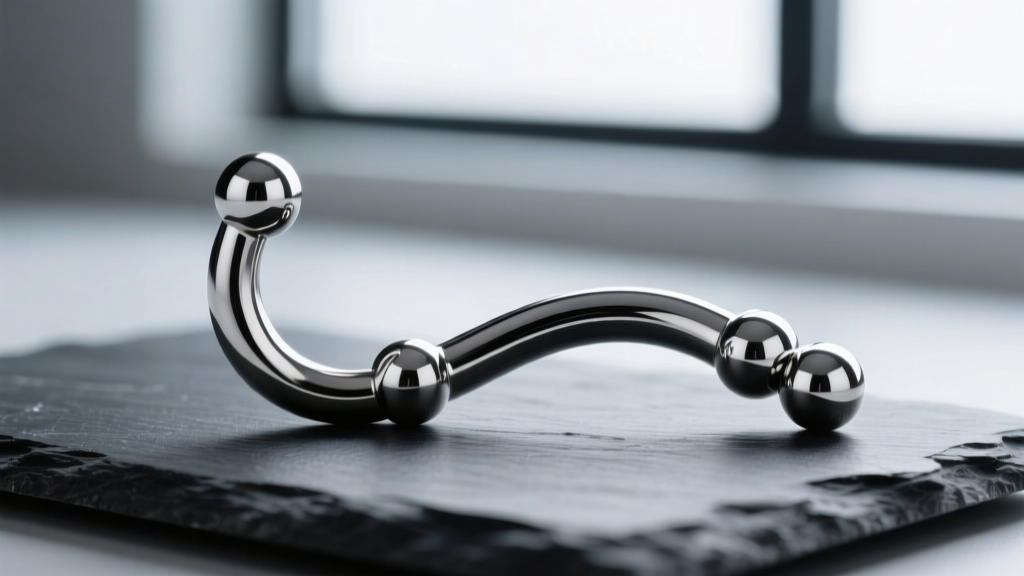
Understanding the price-to-value ratio is critical when sourcing jewelry for a rook piercing. Below is a breakdown of the current market tiers, helping you identify where the true value lies.
| Tier | Price Range | Material & Build | Best Use Case | Brand Examples |
|---|---|---|---|---|
| Entry-Level Value | $15 - $25 | Unanodized F-136 Titanium, Internally Threaded or Threadless | Initial healing, minimalists, strict budgets | NeoMetal, Body Circle Designs |
| Mid-Tier Aesthetic | $30 - $55 | Anodized Titanium, Synthetic Gems (CZ) | Healed rooks, color matching, subtle sparkle | Intrinsic Body, BVLA (Basic lines) |
| Premium Investment | $75 - $150+ | Solid 14k/18k Gold, Genuine Gemstones | Long-term wear, luxury aesthetics, heirlooms | Anatometal, Maria Tash |
As the table illustrates, you do not need to cross the $50 threshold to acquire safe, beautiful jewelry. The "Entry-Level Value" tier offers the exact same biocompatible metal as the premium tier; you are simply paying less for the absence of precious metals and complex gem settings.
Sizing Specifications: Avoiding the Downsizing Tax
One of the most overlooked budget-killers in cartilage piercing is the "downsizing tax." When you get a rook pierced, the initial jewelry must accommodate significant swelling. However, leaving a long barbell in place after the swelling subsides (usually around 4-8 weeks) creates excess movement, leading to irritation bumps and delayed healing.
Standard Gauge and Diameter Metrics
- Gauge: 16G (1.2mm) is the industry standard for rook piercings, offering a balance of stability and tissue preservation. Some piercers prefer 14G (1.6mm) for clients with thicker antihelix folds to prevent the "cheese-cutter effect."
- Initial Diameter: Typically 3/8" (10mm) to allow for swelling.
- Downsized Diameter: Usually 5/16" (8mm) or 1/4" (6mm) once fully healed, depending on your specific anatomy.
If you buy jewelry from a studio, they often include the first downsize in the piercing fee. However, if you are buying retail for an already-healed rook, you must measure your fistula accurately. Guessing your size and buying a 3/8" barbell for a healed rook that requires a 5/16" will result in the jewelry catching on hair and headphones, forcing you to buy a replacement and double your expenditure.
The Threadless Advantage for Awkward Angles
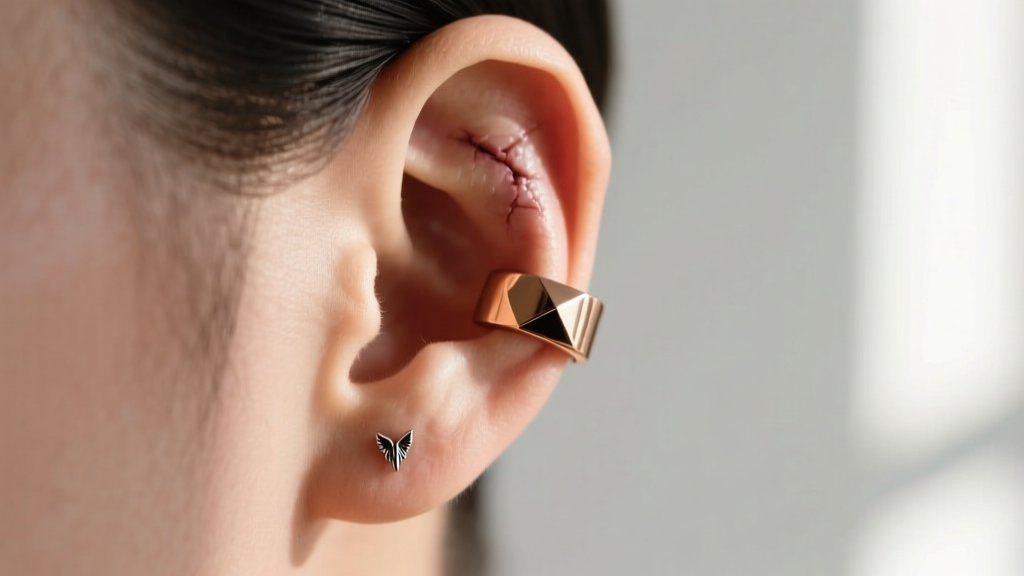
The rook sits at an incredibly awkward, inward-facing angle. Attempting to screw in an internally threaded curved barbell by yourself using a mirror is a frustrating experience that often results in dropped jewelry and damaged threads. This is where threadless (push-pin) jewelry becomes a massive budget hack.
Brands like NeoMetal utilize a tension-fit system where a slightly bent pin is pushed into a hollow titanium post. Not only is this significantly easier to insert into a rook by yourself, but it also allows for modular swapping. You can purchase one high-quality titanium curved barbell post ($12) and multiple threadless ends ($10-$20 each). Instead of buying three complete barbells for $60, you buy one post and three ends for $42, saving money while expanding your aesthetic options.
Top Value-Driven Brands for 2026
Based on current market pricing, material certifications, and manufacturing consistency, here are the top brands that deliver exceptional value for rook jewelry:
- Body Circle Designs: Known for their aggressive pricing on basic F-136 titanium curved barbells and captive bead rings (CBRs). They are a staple for budget-conscious buyers who refuse to compromise on safety.
- NeoMetal: The pioneer of threadless jewelry. Their basic titanium ends and posts are universally compatible, highly polished, and priced exceptionally well for the engineering quality provided.
- Intrinsic Body: If you want the look of high-end gold without the high-end price tag, Intrinsic Body offers stunning PVD-coated titanium clickers and segment rings that are safe for fully healed rooks, often retailing for under $35.
Final Verdict: Smart Spending for Cartilage Health
Securing the best budget jewelry for a rook piercing is entirely about prioritizing material integrity over superficial aesthetics during the healing phase. By strictly adhering to ASTM F-136 titanium, understanding your exact gauge and diameter requirements, and leveraging modular threadless systems, you can maintain a stunning, healthy cartilage setup without draining your wallet. For comprehensive aftercare protocols to ensure your investment heals flawlessly, always refer to Healthline's guide on rook piercing aftercare and consult with an APP-certified professional. Smart spending in body jewelry isn't about finding the cheapest option; it's about finding the safest option at the most reasonable price point.