Daith Piercing Jewelry Buying Guide: What to Look For
Discover how to choose the perfect daith piercing jewelry. Learn about gauge sizes, diameters, clickers vs. hoops, and the best implant-grade materials.

Understanding Daith Anatomy and Jewelry Mechanics
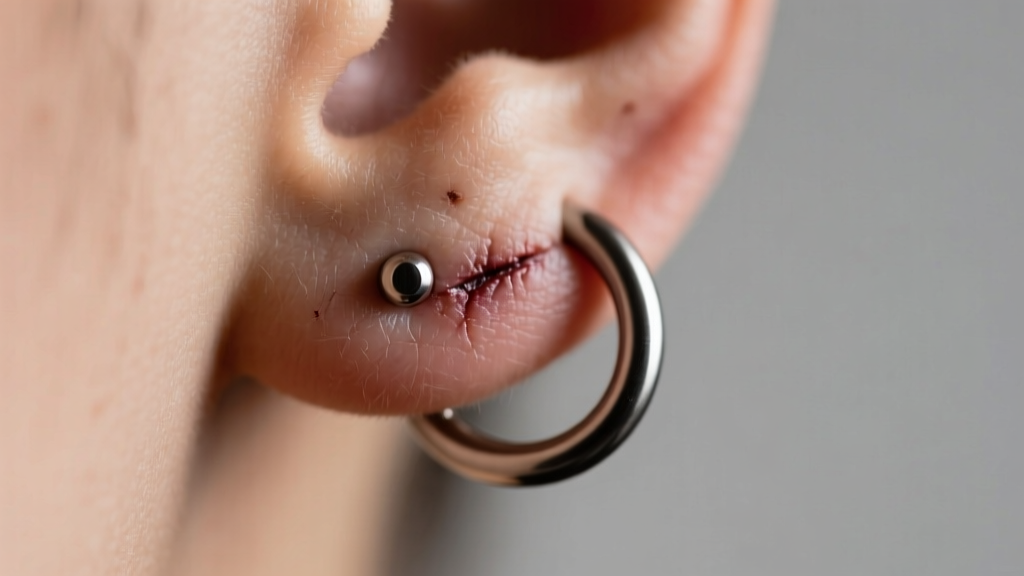
The daith is a complex, cartilage-dense fold located at the crus of the helix, situated just above the ear canal. Unlike a standard lobe piercing that passes through soft, pliable tissue, the daith requires jewelry to navigate a thick, rigid, and highly vascularized ridge of cartilage. Because of this unique anatomical shelf, standard earrings or poorly sized hoops will cause immediate irritation, migration, or hypertrophic scarring. When shopping for daith piercing jewelry, you are not just looking for an aesthetic accessory; you are selecting a biomedical device that must accommodate the ear's natural curvature, swelling patterns, and healing fistula.
In 2026, the body modification industry has largely standardized the mechanics of daith jewelry, moving away from outdated, difficult-to-manage rings toward precision-engineered hinged segments. However, navigating the market requires a strict understanding of gauge, inner diameter, metallurgy, and threading. This guide breaks down the exact specifications you need to look for to ensure a seamless fit and a healthy, long-term piercing.
Clickers vs. Captive Bead Rings: Which is Best?
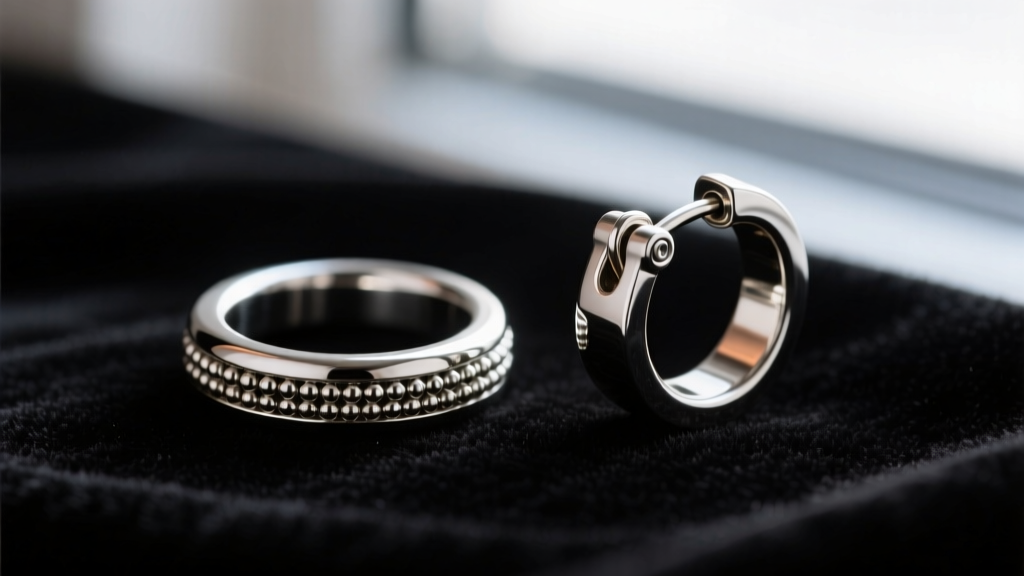
Historically, the Captive Bead Ring (CBR) was the default choice for daith piercings. Today, professional piercers overwhelmingly recommend hinged clickers (also known as segment rings) for both healing and healed daiths. The structural differences between the two drastically impact your daily comfort and the longevity of the piercing.
| Feature | Hinged Clickers (Segment Rings) | Captive Bead Rings (CBRs) |
|---|---|---|
| Closure Mechanism | Hinged clasp that 'clicks' securely into place | Relies on the tension of the ring to hold a bead |
| InstallationTool-free, easily opened and closed by hand | Requires ring opening pliers; high risk of dropping the bead | |
| Surface Continuity | Seamless or micro-seam closure; glides through the fistula | Micro-gaps where the bead meets the ring can harbor bacteria |
| Snag Risk | Low (smooth profile) | Moderate to High (protruding bead catches on hair/masks) |
While CBRs offer a continuous, seamless circle that some traditionalists prefer for their unbroken aesthetic, the tension required to keep the bead in place often distorts the ring's perfect circular shape. This distortion creates uneven pressure on the daith fistula. Clickers, particularly those from high-end manufacturers like BVLA or Maria Tasha, feature a precision-machined hinge and clasp that maintains a perfect circle while eliminating the frustrating ordeal of losing a tiny tension bead in your bathroom sink.
The Crucial Metrics: Gauge and Inner Diameter
Sizing is the most common point of failure when purchasing daith jewelry online. A beautiful, diamond-encrusted clicker will cause severe embedding if the inner diameter is too small, or constant snagging if it is too large.
Decoding Gauge Sizes (16G vs. 14G)
The 'gauge' refers to the thickness of the metal post that passes through your cartilage. The daith is almost exclusively pierced at either 16 gauge (1.2mm) or 14 gauge (1.6mm).
- 16G (1.2mm): The modern industry standard for daith piercings. It provides excellent structural integrity while minimizing the initial trauma to the dense cartilage shelf. Most high-end, gem-set clickers are manufactured in 16G to keep the jewelry lightweight and delicate.
- 14G (1.6mm): More common in older piercings or specific regional studio preferences. While slightly thicker, it limits your options for intricate, high-end jewelry designs, as fewer manufacturers produce complex clickers in 14G.
Expert Rule: Never attempt to force a 14G piece of jewelry into a 16G fistula without the gradual tapering assistance of a professional piercer. Doing so will cause micro-tears, blowouts, and immediate swelling.
Finding Your Inner Diameter (8mm to 11mm)
The inner diameter (ID) is the measurement of the empty space inside the hoop. Because the daith sits deep within the conch bowl, the ID dictates how closely the jewelry hugs the cartilage fold.
- 8mm (5/16"): Best for fully healed, smaller daiths where a snug, 'huggie' fit is desired. Warning: An 8mm ring in a fresh piercing will almost certainly embed as the ear swells.
- 9mm (3/8"): The 'Goldilocks' size for most healed daiths. It offers a comfortable hug without resting flush against the inner conch, allowing for easy cleaning.
- 10mm to 11mm: The mandatory starting size for fresh, healing daith piercings. This extra space accommodates the significant swelling that occurs in thick cartilage during the first 4 to 8 weeks of healing.
Material Grades: What is Actually Safe for Your Cartilage?
The daith is highly prone to contact dermatitis and allergic reactions due to the warmth and moisture trapped near the ear canal. According to the Association of Professional Piercers (APP), only specific, biocompatible materials should be worn in a fresh or healing cartilage piercing.
The ASTM F-136 Standard: When buying titanium daith jewelry, look for the specific designation 'Implant-Grade Titanium (ASTM F-136)'. This is the exact same alloy used in orthopedic hip replacements and pacemakers. It is entirely nickel-free and highly resistant to corrosion from bodily fluids.
Materials to Buy:
- Implant-Grade Titanium (ASTM F-136): The absolute best choice for sensitive skin, fresh piercings, and budget-conscious buyers ($30 - $80).
- Niobium: A highly biocompatible, reactive metal that can be anodized to create vibrant colors without using toxic paints or platings.
- 14k or 18k Solid Gold (Nickel-Free): Ideal for healed daiths. Ensure the gold is alloyed for body jewelry (often using palladium or silver instead of nickel). Expect to pay $150 to $400+ for authentic, high-end gold clickers from brands like BVLA.
Materials to Avoid:
- 'Surgical' or 'Stainless' Steel (316L): Contains up to 10% nickel. The friction of the daith fold can cause nickel to leach, resulting in itchy, flaky, and irritated fistulas.
- Sterling Silver: Oxidizes and tarnishes rapidly when exposed to the moisture of the ear canal, leading to permanent dark staining of the cartilage (argyria).
- Gold-Plated or PVD-Coated Base Metals: The friction of the daith fold will wear away the microscopic plating within weeks, exposing the reactive brass or copper underneath.
Threading and Closure Mechanisms: Avoiding Tissue Trauma
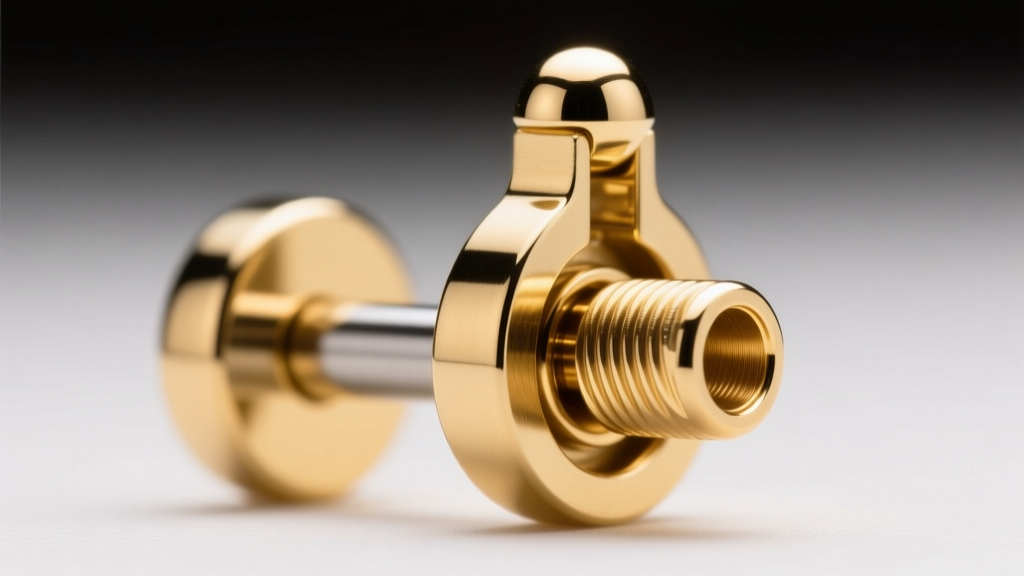
If you are purchasing a threaded daith hoop (such as a threaded CBR or a specialized threaded end), the direction of the threads is a matter of tissue safety. You must exclusively purchase internally threaded or threadless (push-pin) jewelry.
Externally threaded jewelry features screw-like ridges on the post that passes through your skin. Every time you insert or remove an externally threaded ring, those sharp, microscopic ridges act like a file, scraping and tearing the delicate epithelial lining of the fistula. This repeated trauma leads to chronic irritation bumps, granulomas, and delayed healing. Internally threaded jewelry places the screw mechanism inside the decorative end or the receiving tube, leaving the post that passes through your ear perfectly smooth and polished.
Troubleshooting Common Daith Jewelry Fit Issues
Even with the right materials, anatomical variations can cause fit issues. Here is how to troubleshoot the most common daith jewelry failures:
- The 'Flipping' Hoop: If your daith clicker constantly rotates so the clasp sits inside the piercing hole, your inner diameter is likely too large, or the gauge is too thin for your fistula. Downsize the diameter by 1mm or consult your piercer about the fistula's health.
- Hypertrophic Scarring (Irritation Bumps): Often mistaken for keloids, these small, fleshy bumps near the entry or exit point are usually caused by a ring that is too tight (under 8mm) or a clicker clasp that is poorly machined and harboring bacteria. Switch to a seamless, polished titanium ring and implement sterile saline soaks.
- Snagging on Hair or Masks: If your jewelry constantly catches, avoid clickers with protruding gemstone settings or intricate filigree. Opt for a 'micro-seam' continuous ring or a sleek, unadorned hinged segment with a low-profile clasp.
Investing in high-quality, correctly sized daith piercing jewelry is an investment in the longevity of your modification. By prioritizing implant-grade materials, precise inner diameters, and seamless hinge mechanics, you ensure your daith remains a comfortable, striking feature of your ear curation for years to come.