The Ultimate Gift Guide: 10 ct Diamond Earrings for 2026
Discover the ultimate 2026 gift guide for 10 ct diamond earrings. Learn about grading, settings, and occasion matching for luxury milestone gifts.

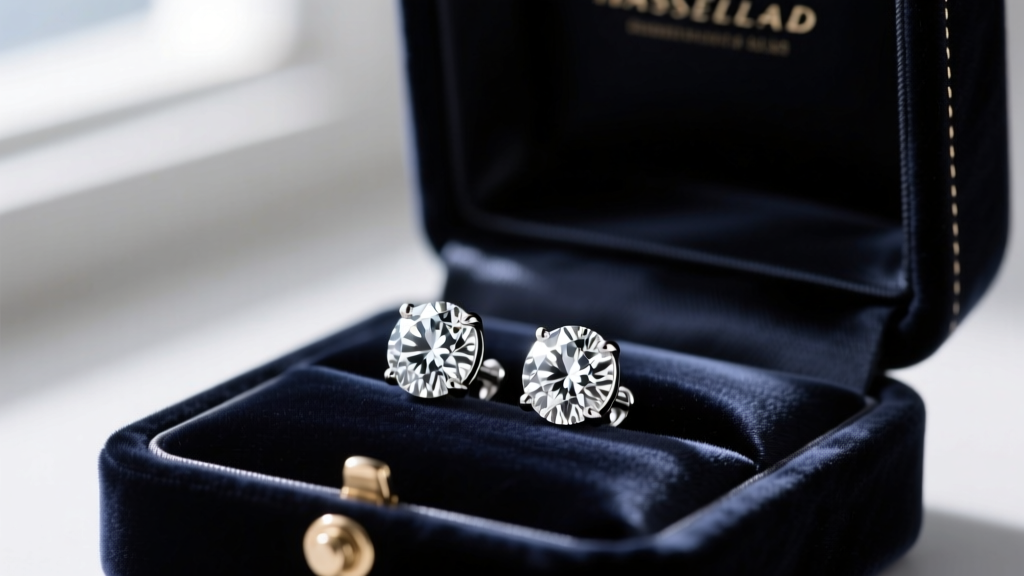
Gifting diamond earrings is a timeless gesture, but crossing the threshold into 10 ct diamond earrings elevates the present from a beautiful accessory to a generational heirloom. Whether you are marking a milestone anniversary, celebrating a major life achievement, or building a legacy jewelry portfolio, navigating the high-jewelry market requires exactitude. In this 2026 gift guide, we dissect the structural, gemological, and stylistic nuances of acquiring 10-carat diamond earrings, ensuring your investment is as secure as it is breathtaking.
Decoding the Weight: 10 CTW vs. 10 Carats Per Ear
Before making a six-figure purchase, clarity on terminology is paramount. In the jewelry industry, "10 ct diamond earrings" typically refers to 10 Carats Total Weight (CTW), meaning each ear wears a 5-carat stone. A 5-carat round brilliant diamond measures approximately 11mm in diameter—a massive, show-stopping footprint that covers a significant portion of the earlobe.
Conversely, if a client requests "10 carats per ear" (20 CTW), they are entering the realm of red-carpet bespoke high jewelry. Stones of this magnitude (approx. 14mm each) require custom-engineered ear jackets or specialized harness settings to distribute the weight, as a standard pierced lobe cannot support a 10-carat single stone without severe sagging or tearing.
The 4Cs at Scale: What to Demand in Mega-Stones
When diamonds exceed the 3-carat mark per stone, the standard rules of the 4Cs shift dramatically. Flaws and color tints that are invisible in a 1-carat stone become glaringly obvious in a 5-carat diamond due to the expansive table facet.
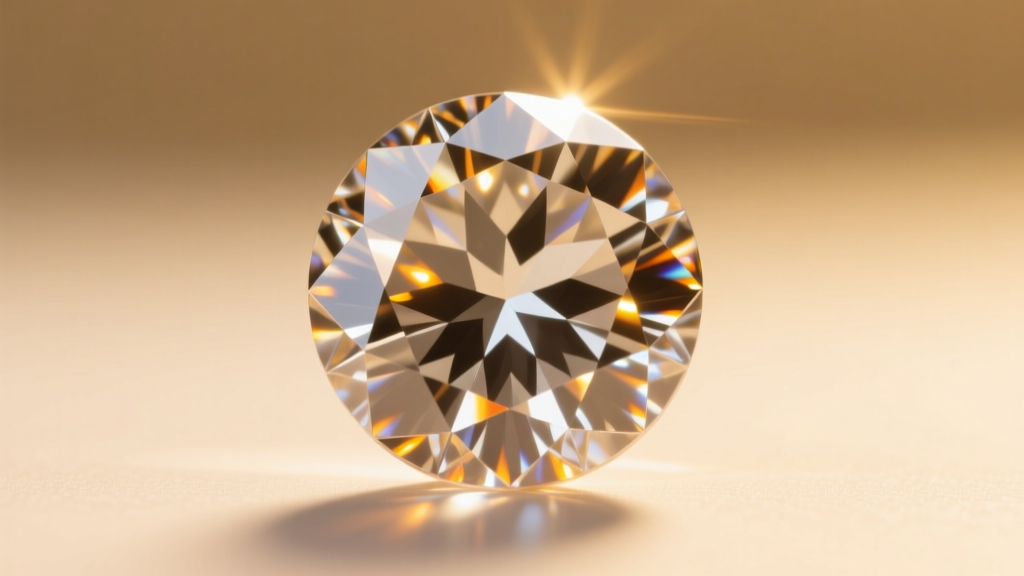
Cut: The Non-Negotiable Metric
For a 10 CTW pair, accept nothing less than GIA Triple Excellent (or AGS Ideal). The cut dictates the stone's light return. In large stones, poor proportions lead to "windowing" (where light leaks out the bottom) or "extinction" (dark, dead zones). Demand a table percentage between 54% and 58%, and a depth between 59% and 62.5% to ensure optimal scintillation.
Color and Clarity Thresholds
According to the Gemological Institute of America (GIA), color becomes increasingly trapped in the pavilion of larger diamonds. For platinum or white gold settings, insist on D, E, or F color grades. If setting in 18k yellow gold, G or H colors are acceptable and offer better value. For clarity, VS1 is the absolute floor. SI1 inclusions in a 5-carat stone are often visible to the naked eye, especially black carbon spots located under the table.
The Fluorescence Factor
In stones exceeding 4 carats, strong blue fluorescence can cause the diamond to appear milky or oily in UV-rich environments (like direct sunlight or gala lighting). For a 10 CTW investment pair, strictly limit fluorescence to None or Faint. Medium or Strong fluorescence will severely cap the stone's brilliance and negatively impact its long-term appraisal value.
Structural Engineering: Securing a Heavy Investment
A 5-carat diamond weighs exactly 1 gram. While that sounds light, the kinetic force exerted on the earlobe when the wearer turns their head or nods requires serious structural engineering. Standard earring posts will bend, and standard backings will fail.
- Post Gauge: Standard earrings use 20-gauge or 18-gauge posts. For 10 CTW studs, you must upgrade to a 14-gauge or 12-gauge post (approx. 1.6mm to 2.0mm thick) forged in platinum or 18k white gold to prevent bending.
- Backing Systems: Discard standard friction (butterfly) backs. You must utilize La Pousette backs (which feature a spring-loaded locking mechanism) or heavy-duty threaded screw backs.
- Setting Style: While 3-prong Martini settings are popular for smaller studs to maximize light entry, a 5-carat stone requires a 4-prong basket setting. The basket lowers the center of gravity, keeping the diamond flush against the earlobe rather than drooping forward.
Occasion Matching Matrix
Matching the specific style of 10 ct diamond earrings to the recipient's lifestyle and the occasion is critical for a successful gift. Use this matrix to guide your selection:
| Occasion | Recommended Style | Metal & Setting | Why It Works |
|---|---|---|---|
| 25th / 50th Anniversary | 10 CTW Round Brilliant Studs | Platinum, 4-Prong Basket | Timeless, wearable daily, represents enduring strength. |
| Red Carpet / Gala Gift | 10 CTW Pear or Emerald Drop | 18k White Gold, Halo Dangle | High-impact visual elongation, catches flash photography. |
| Legacy / Heirloom Transfer | 10 CTW Cushion Cut Studs | Platinum, Bezel or Half-Bezel | Maximum security for generational wear, vintage appeal. |
| Milestone Career Achievement | 10 CTW Oval Inside-Out Hoops | 18k Yellow Gold, U-Prong | Modern, dynamic, moves with the wearer, highly versatile. |

Natural vs. Lab-Grown: The 2026 Market Reality
The diamond market has undergone a seismic shift. When gifting 10 ct diamond earrings, the choice between natural and lab-grown dictates not just the price, but the narrative of the gift.
Natural Diamonds: A matched pair of 5-carat natural diamonds (F color, VS1 clarity, GIA Excellent) is exceptionally rare. According to Rapaport diamond pricing indexes, such a pair will command anywhere from $250,000 to over $400,000 in 2026, depending on the exact fluorescence and cut precision. This is the route for collectors and investors who value geological rarity.
Lab-Grown Diamonds: Chemically and optically identical, a 10 CTW lab-grown pair of the exact same specifications (F/VS1, IGI or GCAL certified) will cost between $18,000 and $28,000. This allows the gifter to allocate budget toward custom, intricate settings or matching jewelry pieces. However, be aware that lab-grown diamonds currently hold minimal resale value compared to their natural counterparts.
Authentication and Insurance: Protecting the Gift
When taking physical possession of the earrings, always use a 10x jeweler's loupe to verify the GIA or IGI laser inscription on the diamond's girdle matches the physical grading report. In high-stakes gifting, this 30-second verification step prevents catastrophic bait-and-switch scenarios.
Furthermore, gifting high jewelry comes with immediate fiduciary responsibility. Before presenting the earrings, secure a specialized jewelry insurance policy. Standard homeowner's policies usually cap jewelry payouts at $5,000 to $10,000. You must obtain a scheduled personal property endorsement or a standalone policy from a specialized insurer like Jewelers Mutual. Ensure the appraisal is conducted by a certified GIA Graduate Gemologist (GG) who documents the exact measurements, laser inscription numbers, and replacement value based on current market retail.
Final Thoughts on Gifting Mega-Carat Diamonds
Acquiring 10 ct diamond earrings is an exercise in precision, patience, and profound generosity. By prioritizing structural integrity, demanding uncompromising cut grades, and matching the setting to the recipient's lifestyle, you ensure that this monumental gift will be worn with confidence and passed down with pride. Always demand independent grading reports for every stone, and never compromise on the security of the mounting.


