10 Karat Gold Earrings: 2026 Style & Trend Analysis
Discover why 10 karat gold earrings are dominating 2026 jewelry trends. Explore alloy durability, top silhouettes, and expert styling advice.

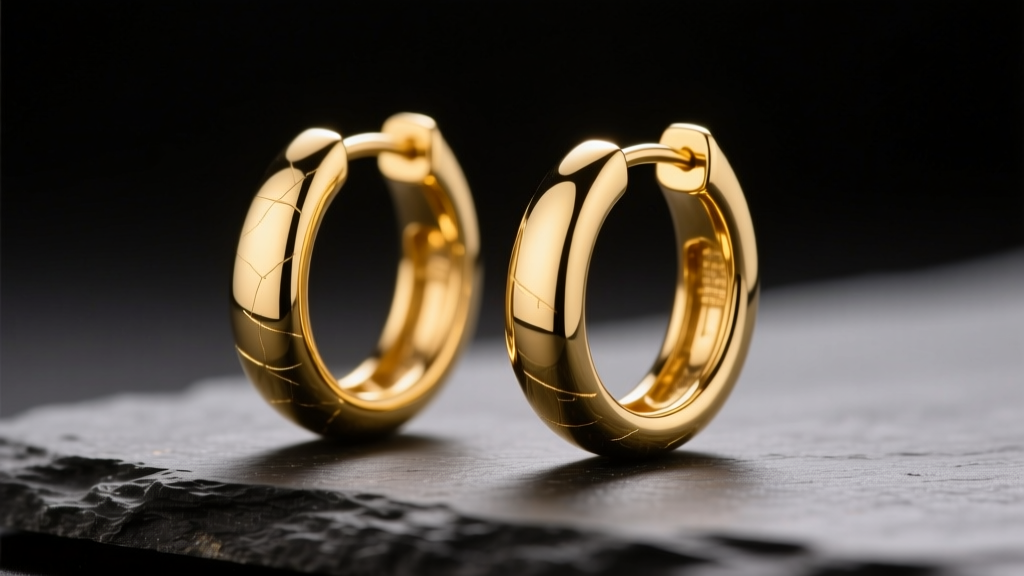
The 2026 Shift: Pragmatic Luxury and 10 Karat Gold Earrings
As we navigate the jewelry landscape of 2026, the industry is experiencing a definitive pivot from conspicuous consumption to what analysts are calling 'pragmatic luxury.' At the forefront of this movement are 10 karat gold earrings. Once dismissed by purists as inferior to higher-karat alternatives, 10k gold has been reclaimed by contemporary designers and savvy collectors who prioritize structural integrity, architectural silhouettes, and everyday wearability. The modern consumer demands pieces that can transition from a morning commute to an evening event without the anxiety of scratching, bending, or losing a precious stone.
This style and trend analysis dives deep into the metallurgical advantages, the dominant silhouettes of the year, and the expert care protocols required to maintain high-alloy gold jewelry. Whether you are investing in heavyweight vintage hoops or minimalist geometric studs, understanding the unique properties of 10k gold is essential for making informed purchasing decisions in today's market.
The Metallurgy of 10k Gold: Why Alloys Matter
To understand the appeal of 10 karat gold earrings, one must first look at the elemental composition. Pure gold (24k) is notoriously soft, scoring a mere 25 on the Vickers Hardness (HV) scale. By definition, 10k gold contains exactly 41.7% pure gold and 58.3% alloy metals. According to the Gemological Institute of America (GIA), the specific blend of these alloy metals—typically copper, silver, zinc, and sometimes nickel—dictates not only the color but the tensile strength of the final piece.
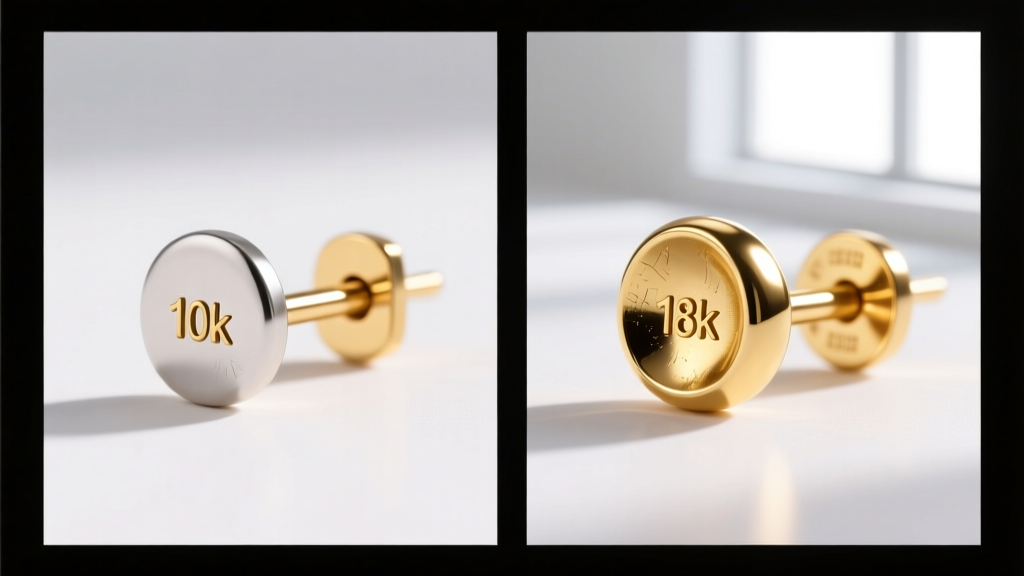
In 2026, metallurgists and jewelry casters have perfected the 10k yellow gold recipe to mimic the warm, buttery hue of 14k gold while retaining a Vickers Hardness rating of approximately 135 to 150 HV. This increased hardness is a game-changer for earring design. It allows for ultra-thin wirework, sharp geometric edges that refuse to dull, and secure prong settings that protect micro-pave diamonds from everyday impacts. The higher copper content in some 10k rose gold alloys also provides a rich, romantic blush that resists fading over time.
Trend Forecast: Top 10k Gold Earring Silhouettes for 2026
The physical properties of 10k gold directly influence the silhouettes trending this year. Designers are leveraging the metal's rigidity to create styles that would simply warp if cast in 18k or 22k gold.
Architectural Tension Ear Cuffs
Ear cuffs remain a dominant force in cartilage styling, but the 2026 iterations are highly architectural. Tension-set ear cuffs rely entirely on the spring-back and grip of the metal to stay secured to the helix or conch without a piercing. 10 karat gold earrings in the cuff category are highly prized because the 58.3% alloy content provides the exact amount of flex and memory required to grip the ear securely without permanently stretching out of shape.
Heavyweight Vintage Hoops
Oversized, hollow-tube vintage hoops are back, drawing inspiration from 1980s power dressing. However, modern collectors want substantial pieces without the exorbitant price tag of solid 18k gold. 10k gold offers a 40% to 50% cost reduction per gram compared to 14k gold, allowing designers to create massive, 50mm+ statement hoops that remain lightweight on the lobe and financially accessible.
Geometric Threader Earrings
Threader earrings, which feature a delicate chain that pulls through the lobe, require a metal that resists kinking. The high tensile strength of 10k gold makes it the optimal choice for ultra-fine 1mm threader chains adorned with sharp, angular drops like hexagons and elongated marquise shapes.
The Durability Matrix: 10k vs. 14k vs. 18k Gold
When selecting fine jewelry, understanding the trade-offs between purity and durability is critical. The table below illustrates how 10k gold stacks up against its higher-karat counterparts specifically for earring applications.
| Gold Karat | Purity (%) | Vickers Hardness (Approx) | Best Earring Application | Tarnish Resistance |
|---|---|---|---|---|
| 10k Gold | 41.7% | 135 - 150 HV | Ear cuffs, tension settings, thin hoops | Moderate (Requires polishing) |
| 14k Gold | 58.3% | 120 - 135 HV | Everyday studs, standard huggies | High |
| 18k Gold | 75.0% | 100 - 120 HV | Heirloom drops, bezel-set diamonds | Very High |
| 24k Gold | 99.9% | 25 HV | Rarely used for structural earrings | Impervious to tarnish |
'For active clients who refuse to take their jewelry off at the gym or the beach, 10k and 14k gold are the only responsible recommendations. The structural memory of 10k gold saves countless earring posts from bending and snapping.'
— Senior Bench Jeweler & Metalsmith, 2026 Industry Report
Navigating Contact Dermatitis: The Nickel Factor
The most significant drawback of 10 karat gold earrings is the potential for allergic contact dermatitis. Because nearly 60% of the metal is an alloy, there is a higher statistical probability of nickel being present in the mixture, particularly in 10k white gold. The Federal Trade Commission (FTC) Jewelry Guides strictly regulate how jewelry can be marketed regarding hypoallergenic properties, but consumers must remain vigilant.
If you have sensitive earlobes or a known nickel allergy, you must actively seek out 10k gold that is explicitly stamped or certified as 'nickel-free.' Many modern refiners are now using palladium or manganese as bleaching agents for white gold alloys to bypass the nickel issue entirely. Always inspect the earring post; if it is stamped '10k' or '417' but lacks a 'nickel-free' designation, proceed with caution. For fresh piercings, experts universally recommend sticking to implant-grade titanium or 14k/18k nickel-free gold until the fistula is fully healed.
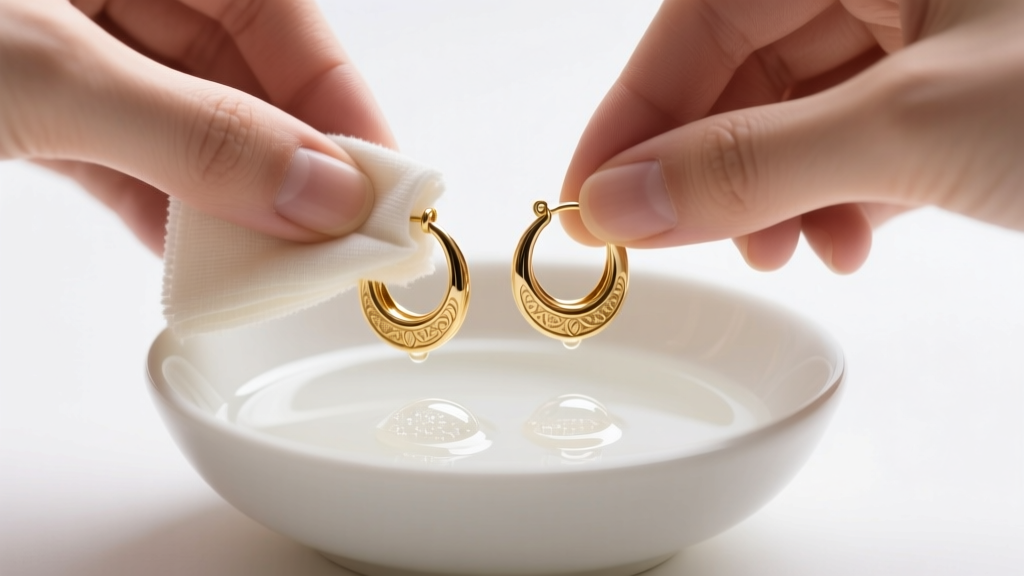
Expert Care Protocols for High-Alloy Gold
Because 10k gold contains a higher volume of reactive metals like copper and silver, it is more susceptible to surface oxidation (tarnish) than higher-karat gold. Exposure to sulfur in the air, chlorine in swimming pools, and the natural acids in your skin can cause the earrings to develop a dull, darkened patina. To maintain the brilliant luster of your 10 karat gold earrings, follow this expert-approved maintenance routine:
- The Weekly Wash: Mix a few drops of phosphate-free dish soap into a bowl of lukewarm water. Let the earrings soak for 10 minutes, then gently agitate with a soft-bristled baby toothbrush to remove sebum and lotion buildup from the crevices.
- Chemical Avoidance: Never wear 10k gold earrings in hot tubs or chlorinated pools. Chlorine reacts aggressively with the copper and silver alloys, leading to microscopic pitting and structural weakening of the earring post.
- Proper Storage: Store your earrings in an anti-tarnish cloth pouch or a jewelry box lined with treated flannel. This limits exposure to ambient humidity and sulfur compounds.
- Polishing: Use a specialized jewelry polishing cloth infused with mild micro-abrasives once a month to restore the high-shine finish. Avoid liquid silver dips, as they are far too harsh for gold alloys.
Final Thoughts on the 10k Renaissance
The resurgence of 10 karat gold earrings in 2026 is a testament to the modern jewelry wearer's demand for pieces that seamlessly blend aesthetic brilliance with rugged functionality. By understanding the metallurgical science, recognizing the best silhouettes for the alloy, and committing to proper care, you can confidently build a resilient, trend-forward earring wardrobe that withstands the rigors of daily life while maintaining its undeniable style.


