10 mm Pearl Earrings: A Beginner's Buying and Styling Guide
Discover everything you need to know about 10 mm pearl earrings. Learn about pearl grades, metal settings, pricing, and how to style them for any occasion.

Why 10 mm is the "Goldilocks" Size for Pearl Studs
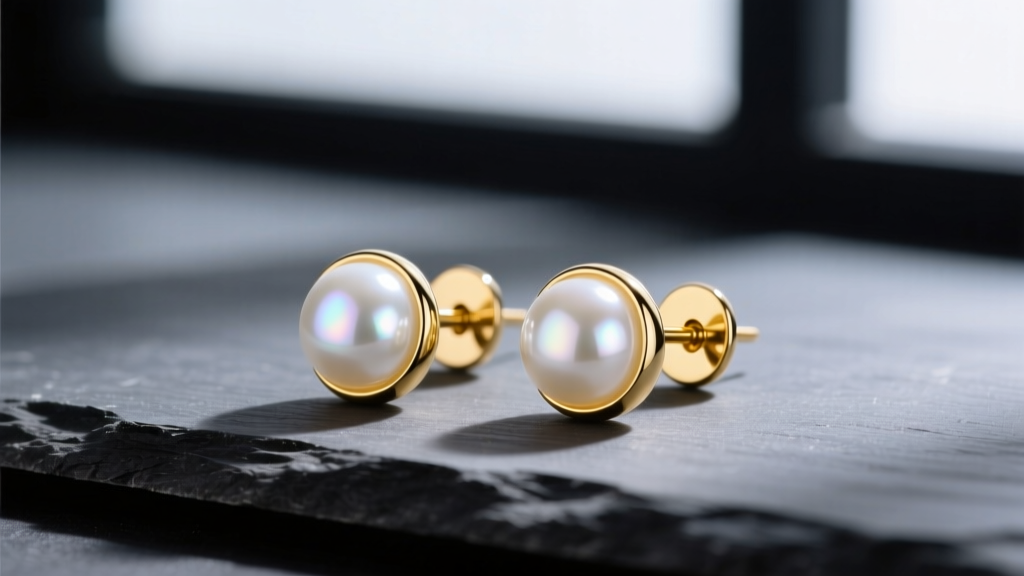
When navigating the world of pearl jewelry, size dictates everything from the formality of the piece to its visual weight on your earlobe. For beginners, the sheer variety of millimeter sizes can be overwhelming. However, 10 mm pearl earrings occupy a highly coveted "Goldilocks" zone in the jewelry market. To understand why, we must look at the standard size scale.
Pearls measuring 6 mm to 7 mm are considered dainty and subtle, often serving as a minimalist everyday staple. The 8 mm to 9 mm range is the classic standard for traditional office wear and bridal jewelry. Once you cross the threshold into 10 mm, the pearl transitions from a standard accessory to a confident statement piece. A 10 mm pearl is roughly the size of a standard green pea or a small blueberry. It provides enough surface area to showcase complex luster and overtones, yet it remains light enough for comfortable all-day wear without stretching the earlobe.
Styling 10 mm Pearls for Your Face Shape
Because a 10 mm pearl carries significant visual weight, it interacts dynamically with your facial geometry. Here is a beginner-friendly framework for styling this specific size:
- Round Faces: A 10 mm stud draws the eye outward, which can subtly widen the appearance of the cheeks. To balance this, pair your earrings with a deep V-neckline or elongating drop pendant to create vertical symmetry.
- Oval Faces: Universally flattering. The proportional balance of an oval face can easily support the bold presence of a 10 mm pearl without any styling adjustments.
- Square Faces: The soft, organic curve of a perfectly round 10 mm pearl provides a beautiful visual contrast to a strong, angular jawline, softening the overall profile.
- Heart Faces: Heart-shaped faces feature a wider forehead and a narrow chin. The visual weight of 10 mm earrings sits perfectly at the jawline, adding necessary volume to the lower half of the face and creating a harmonious balance.
Decoding Pearl Types: Which 10 mm Pearl is Right for You?
Not all 10 mm pearls are created equal. The origin of the pearl drastically affects its price, luster, and availability. According to the Gemological Institute of America (GIA), understanding the distinction between saltwater and freshwater varieties is the first step in making an informed purchase.
| Pearl Type | Typical 10mm Price Range | Luster Profile | Best For |
|---|---|---|---|
| Freshwater (Edison) | $80 - $250 | Soft, satiny to metallic | Budget-conscious buyers wanting perfect rounds |
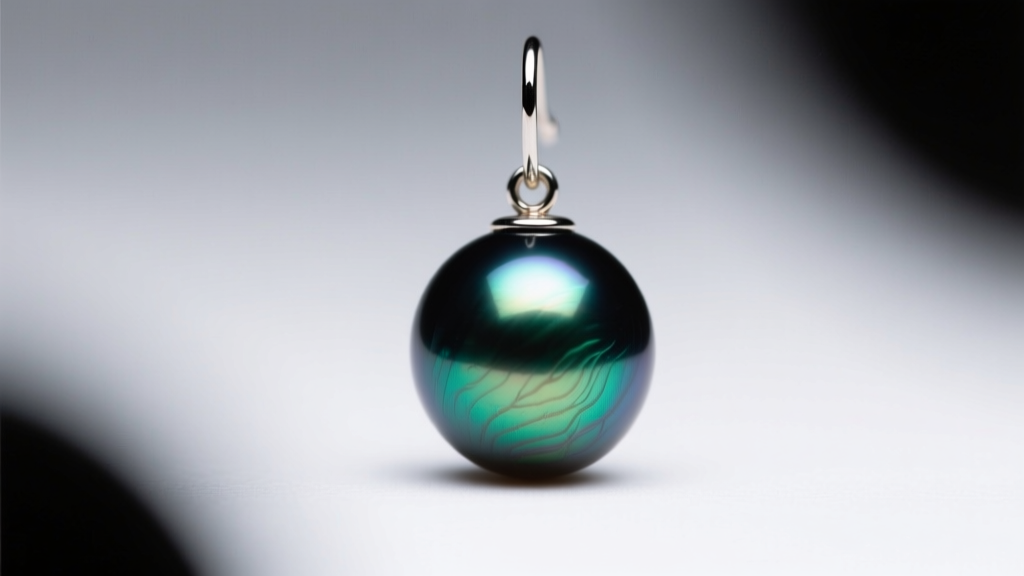
| Tahitian | $300 - $800 | Mirror-like, dark overtones | Edgy, modern, or alternative bridal styles |
| White South Sea | $600 - $1,500 | Deep, luxurious, satin glow | Luxury collectors and heirloom gifting |
| Akoya | $1,200 - $3,000+ | Sharp, glass-like reflection | Traditionalists seeking rare, classic perfection |
Note: While Akoya pearls are famous for their sharp luster, the Akoya oyster is relatively small. Finding a true, perfectly round 10 mm Akoya pearl is exceptionally rare, which drives the price into the luxury tier. Conversely, 10 mm is a very standard and accessible size for Tahitian and South Sea pearls.
Understanding Pearl Grading and Nacre Thickness
When buying 10 mm pearl earrings, you will frequently encounter grading terms like "AAA" or "AA+". While the pearl industry lacks a single, universally mandated grading system, reputable jewelers generally use the GIA Pearl Description System to evaluate pearl quality factors such as size, shape, color, luster, surface, and nacre.
The Critical Role of Nacre
Nacre is the crystalline substance the oyster secretes to form the pearl. For a 10 mm pearl, nacre thickness is a vital indicator of longevity. If a saltwater bead-nucleated pearl (like a Tahitian or South Sea) has thin nacre (less than 0.8mm), the pearl may appear dull, chalky, or even peel over time. Always request nacre thickness data or X-ray verification when investing over $1,000 in a single pair of large pearl studs. High-quality freshwater pearls, which are typically solid nacre all the way through, do not suffer from this specific peeling risk.
"The true value of a 10 mm pearl is defined not just by its impressive diameter, but by the sharpness of its luster and the integrity of its nacre."
Settings, Posts, and Backs: The Hardware Matters
Beginners often focus entirely on the gemstone and ignore the hardware. A 10 mm pearl weighs significantly more than a standard 6 mm pearl. If the hardware is inadequate, the earring will droop forward, hiding the pearl's face and causing discomfort.
Post Gauge: 20G vs. 18G
The standard earring post is 20-gauge (0.81mm thick). While fine for lightweight studs, a heavy 10 mm South Sea or Tahitian pearl requires an 18-gauge (1.02mm) post. The thicker metal provides the structural rigidity needed to keep the pearl sitting flush and upright against the earlobe without bending over time.
Securing the Earring: Beyond the Butterfly Back
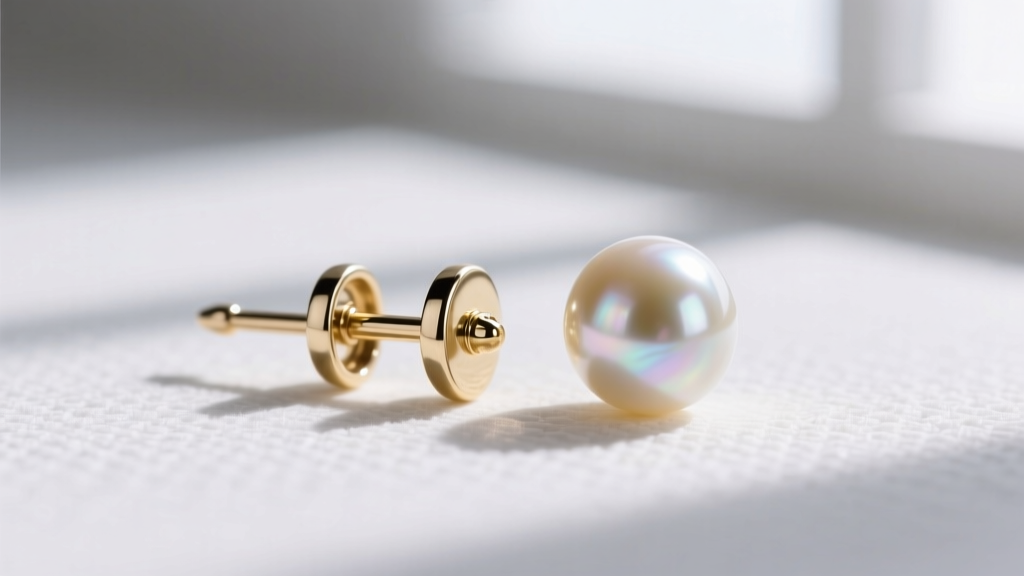
Standard friction "butterfly" push-backs are notoriously unreliable for heavy 10 mm pearls; they can easily slip off the post, leading to lost jewelry. When purchasing 10 mm pearl earrings, insist on one of the following secure mechanisms:
- Screw-Backs: The post is threaded, and the backing screws on securely. This is the most common secure option for pearl studs.
- La Pousette Backs: A premium locking mechanism that functions like a tiny cap with internal springs. It clicks securely into a groove on the post and requires a deliberate pinch to release. This is the gold standard for high-value pearl earrings.
- Omega Clips with Posts: Provides a secondary hinge-backed clip for extreme security, often used for heavier drop-style 10 mm pearl earrings.
Real-World Pricing: What Should You Pay in 2026?
Understanding market pricing protects you from both overpaying at retail boutiques and falling for "too good to be true" scams online. If you see a pair of "10 mm Akoya Pearl Earrings" selling for $150, they are almost certainly mislabeled freshwater pearls. Genuine 10 mm Akoya pearls are collector-grade rarities.
For a high-quality, AAA-graded pair of 10 mm white freshwater pearl earrings set in 14k gold, expect to pay between $150 and $300. If you prefer the exotic dark hues of Tahitian pearls, a well-matched pair of 10 mm studs with strong peacock overtones will typically range from $400 to $900, depending on the surface cleanliness and luster grade. White South Sea pearls, prized for their luxurious satin glow, will start around $800 for 10 mm stones and can easily exceed $2,000 for flawless, gem-grade pairs.
Care and Maintenance for 10 mm Pearls
Pearls are organic gems, ranking only 2.5 to 3.0 on the Mohs scale of hardness. This makes them highly susceptible to scratching and chemical damage. To preserve the luster of your 10 mm earrings, follow the golden rule of jewelry: "Last on, first off."
Always apply your perfumes, hairsprays, and cosmetics before putting on your pearls. The alcohols and acids in everyday beauty products can degrade the nacre and dull the luster over time. When removing them, wipe each pearl gently with a clean, damp microfiber cloth to remove natural skin oils and acids. Never use ultrasonic cleaners, steam cleaners, or harsh chemical dips on pearl jewelry, as these will destroy the gem's delicate surface. Store your 10 mm pearl earrings in a soft pouch, separate from diamonds or sapphires, to prevent surface scratching.


