The Ultimate Care Guide for Cushion Diamond Earrings
Learn how to safely clean, maintain, and store your cushion diamond earrings to maximize brilliance and protect delicate prong settings.

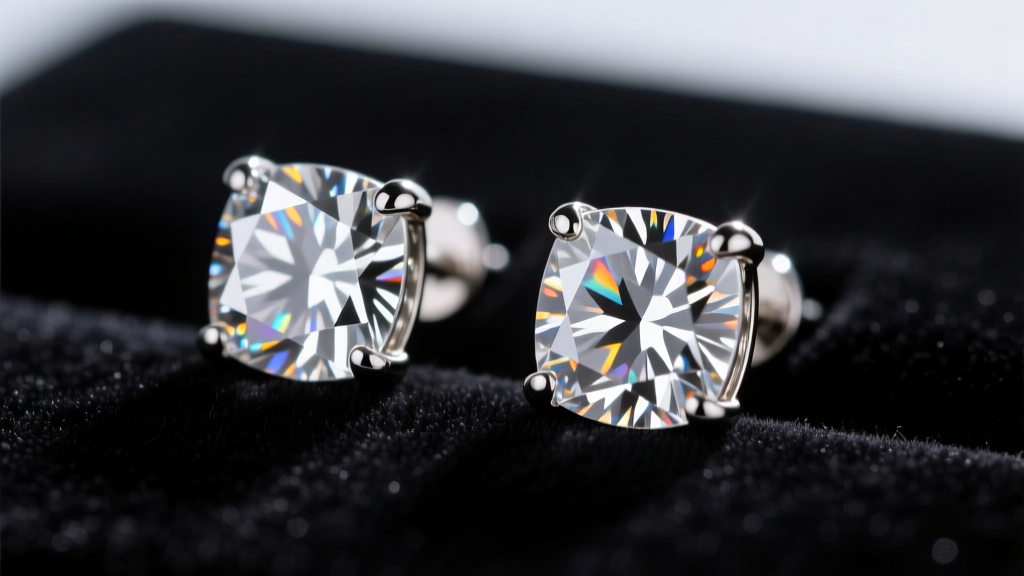
Cushion cut diamonds are celebrated for their romantic, vintage appeal and exceptional fire. Combining a square or rectangular silhouette with softly rounded corners, these gems typically feature 58 brilliant-cut facets designed to maximize light dispersion. However, the very geometry that gives cushion diamond earrings their breathtaking sparkle also makes them uniquely susceptible to dirt accumulation, oil retention, and setting vulnerabilities. If you want to maintain the optical performance and structural integrity of your investment, a generic jewelry cleaning routine will not suffice.
This comprehensive guide details the exact protocols, chemical considerations, and structural inspections required to keep your cushion diamond earrings in pristine condition for decades.
The Facet Factor: Why Cushion Cuts Trap More Oil
To understand how to clean your earrings, you must first understand the anatomy of a cushion cut. Unlike round brilliants, cushion cuts often feature a larger, more open table and a deeper pavilion. The broad, flat facets on the crown act like magnets for sebum (skin oils), cosmetics, and airborne dust. Furthermore, the cropped corners of the cushion shape create microscopic crevices where debris can easily lodge, directly obstructing light return.
When a film of oil coats the pavilion facets beneath the girdle, the diamond's refractive index is compromised. Instead of reflecting light back through the crown, light leaks out of the bottom, causing the stone to look dull, gray, and lifeless. According to the Gemological Institute of America (GIA), even a microscopic layer of fingerprint oil can drastically reduce a diamond's brilliance, making regular, targeted cleaning an absolute necessity for cushion cuts.
The Step-by-Step Manual Cleaning Protocol
While commercial jewelry dips exist, master jewelers overwhelmingly recommend a specialized manual cleaning solution for high-value diamond earrings. Avoid harsh, abrasive commercial pastes that can micro-scratch the precious metal settings.
The Optimal DIY Ammonia Solution
- The Mix: Combine 1 part clear, unscented household ammonia with 6 parts warm distilled water. (Distilled water prevents hard water mineral deposits from drying on the facets).
- The Soak: Submerge the earrings in the solution for exactly 15 to 20 minutes. This breaks down the lipid bonds of skin oils without attacking the metal alloy.
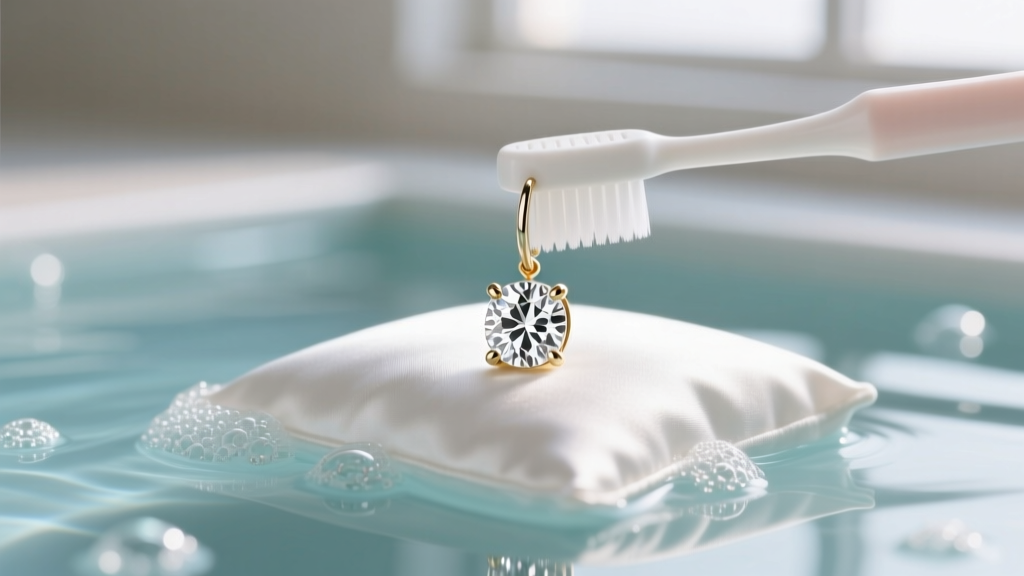
- The Agitation: Use an extra-soft baby toothbrush (bristle diameter of 0.12mm or less). Gently brush the pavilion (the underside of the diamond) where the most dirt accumulates. Never scrub the crown aggressively.
- The Rinse: Rinse under a gentle stream of lukewarm distilled water over a closed drain.
- The Dry: Pat dry with a lint-free microfiber cloth. Avoid paper towels, as their wood pulp fibers can catch on microscopic prong burrs.
Cleaning Methods: A Risk Assessment Matrix
Not all cleaning methods are safe for every diamond. The treatment history of your specific cushion diamonds dictates which tools you can safely use. Below is a comparative framework for evaluating cleaning technologies.
| Cleaning Method | Mechanism | Risk Level | Best Use Case |
|---|---|---|---|
| Manual (Ammonia/Soap) | Chemical lipid breakdown + soft mechanical agitation | Very Low | Routine weekly maintenance; safe for all natural and lab-grown diamonds. |
| Ultrasonic Cleaner | High-frequency sound waves creating cavitation bubbles | High | Untreated diamonds only. Warning: Will destroy fracture-filled or clarity-enhanced diamonds. |
| Steam Cleaner | Pressurized hot vapor blasting | Medium | Professional use only. Can force moisture into porous settings or damage secondary gemstone accents. |
| Commercial Dips | Acidic or alkaline chemical baths | Medium-High | Not recommended. Prolonged use can degrade white gold rhodium plating and weaken prong solder joints. |
Expert Warning on Clarity Enhancements: If your cushion diamonds are 'clarity-enhanced' (fracture-filled with a lead-glass resin to improve apparent transparency), you must never use an ultrasonic cleaner or expose them to ammonia. The acoustic vibrations and chemical reactions will permanently cloud the filler, ruining the stone. Always verify your diamond's grading report via the GIA Treatment Database before attempting deep cleaning.
Prong Maintenance and Setting Security
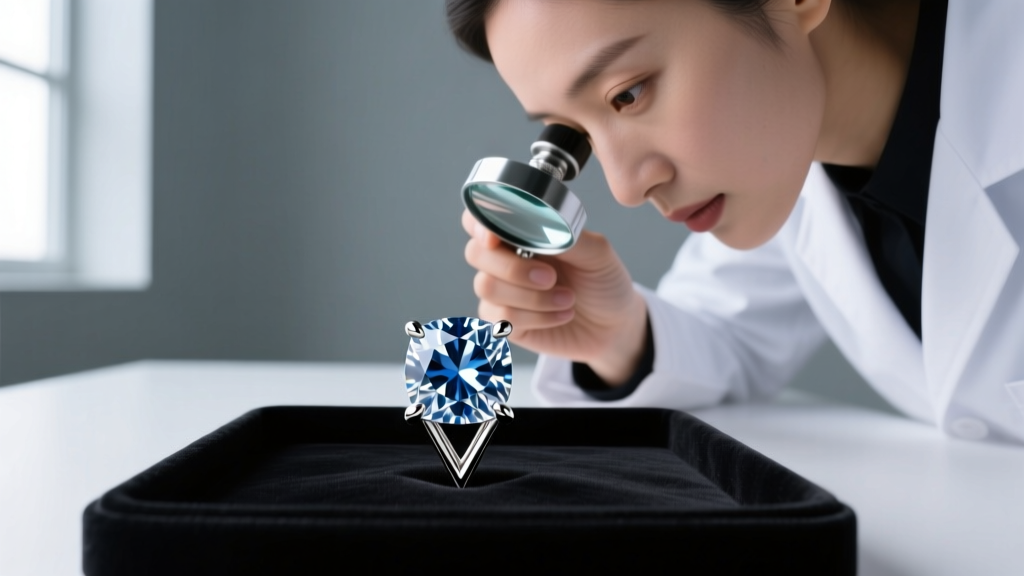
Cushion diamond earrings are typically secured in either a four-prong basket setting or a bezel. Because of the soft, rounded corners of the cushion cut, jewelers often utilize standard rounded prongs. However, some variations with sharper corners require V-prongs to protect the tips from chipping.
How to Perform a Home Prong Inspection
Diamonds are the hardest natural material on earth (10 on the Mohs scale), but the 14k or 18k gold and platinum holding them are not. Over time, friction from hair, clothing, and sleeping can wear down the metal.
- The Fingernail Test: Gently run your fingernail over the prongs. If you feel a 'catch' or a groove, the prong is worn and needs professional re-tipping.
- The Rattle Test: Hold the earring close to your ear and gently tap the setting with a wooden toothpick. If you hear a microscopic buzzing or rattling, the stone is loose in its seat.
- Visual Alignment: Look at the earring from a profile view. All prongs should be resting flush against the crown facets. If one is lifted, the diamond is at imminent risk of falling out.
The Hidden Danger: Chlorine and White Gold Alloys
One of the most common causes of catastrophic diamond loss in earrings is chemical degradation of the setting, not the stone itself. If your cushion diamond earrings are set in 14k or 18k white gold, you must be hyper-vigilant about chlorine exposure.
White gold is an alloy of pure yellow gold mixed with metals like nickel, palladium, copper, and silver to achieve a silvery hue. Chlorine (found in swimming pools, hot tubs, and harsh household bleach) reacts aggressively with the copper and silver alloys. This chemical reaction causes 'stress corrosion cracking,' making the microscopic prong tips brittle. A prong weakened by chlorine can snap off under the slightest pressure, resulting in the permanent loss of your diamond. Always remove your earrings before swimming or cleaning with bleach-based products.
Proper Storage to Prevent Micro-Abrasion
While a diamond cannot be scratched by anything other than another diamond, diamond-on-diamond contact is a genuine threat to your earrings' polish and structural integrity. If you store your cushion diamond earrings loosely in a jewelry box, the stones will collide during transit.
This friction can cause two issues:
- Girdle Abrasion: The girdle (the outer edge) can become scuffed or 'bruted,' giving it a frosted, opaque appearance that disrupts light performance.
- Metal Scratching: The sharp culet or pavilion facets of one earring can easily gouge the polished metal basket of the other.
The Solution: Store each earring in an individual, soft-fabric-lined compartment. For travel, utilize a dedicated leather jewelry roll with snap-closure pockets, ensuring the diamonds face outward and never touch one another.
Professional Maintenance Schedule
Even with meticulous home care, professional intervention is required to maintain the structural integrity and visual perfection of fine jewelry. Adhere to this maintenance timeline:
- Every 6 Months: Visit a certified jeweler for an ultrasonic deep clean (if untreated) and a microscopic prong tension check.
- Every 12-18 Months: If set in white gold, the earrings will likely require rhodium re-plating. Rhodium is a platinum-group metal electroplated onto white gold to provide a bright, mirror-like white finish. As it wears off from friction, the yellowish undertone of the gold alloy will become visible.
- Every 3-5 Years: Request a professional polish of the metal setting to remove micro-scratches accumulated from daily wear, restoring the metal's original luster without compromising the prong thickness.
By treating your cushion diamond earrings with the specialized care their unique faceting and settings demand, you ensure that their fire and brilliance remain as captivating as the day they were first cut.


