1920s Style Earrings: Vintage vs Modern Materials Compared
Compare authentic vintage and modern reproduction materials for 1920s style earrings. Discover durability, allergy risks, and care tips.

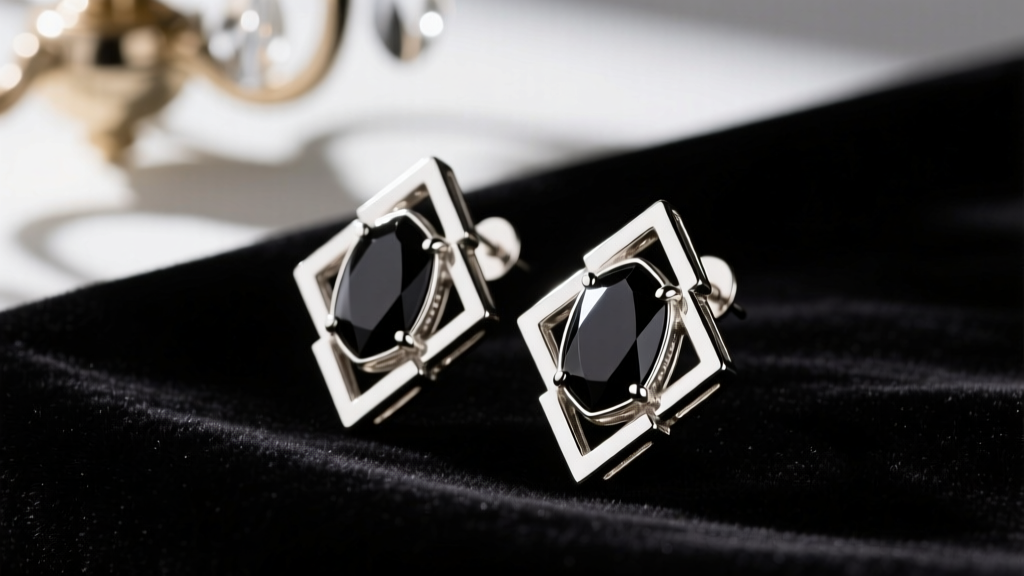
The Allure of Art Deco: Why Material Matters in 1920s Style Earrings
The 1920s marked a radical shift in jewelry design. The Art Deco movement introduced bold geometric patterns, high-contrast color palettes, and the iconic 'flapper' chandelier drop. Today, the demand for 1920s style earrings remains incredibly high, driven by vintage collectors and modern fashion enthusiasts alike. However, as we navigate the vintage and reproduction markets in 2026, understanding the material properties of these pieces is no longer just an academic exercise—it is a matter of skin health, structural integrity, and long-term preservation.
Whether you are investing in authentic estate jewelry or purchasing modern interpretations, the materials dictate how the earrings will wear, how heavy they feel on the lobe, and whether they will trigger contact dermatitis. This comprehensive guide breaks down the metallurgical and synthetic properties of 1920s style earrings, contrasting authentic vintage components with modern alternatives.
Authentic Vintage Materials: Properties and Pitfalls
Authentic 1920s jewelry was crafted during an era of rapid industrialization and changing global supply chains. The materials used were revolutionary at the time but present unique challenges for modern wearers.
Platinum and White Gold (The High-End Standard)
High-end authentic Art Deco earrings were predominantly crafted in platinum (usually 900/1000 or 950/50 purity). Platinum is exceptionally dense, allowing jewelers to create the intricate, lace-like filigree and 'millegrain' detailing characteristic of the era without the metal snapping. However, its density makes large chandelier drops exceptionally heavy, often requiring modern wearers to use silicone earlobe support patches to prevent stretching.
Conversely, 14k and 18k white gold from the 1920s was frequently alloyed with nickel to achieve a silvery hue, as rhodium plating was not yet widely commercialized. For modern wearers with nickel sensitivities, authentic 1920s white gold earrings can cause severe allergic contact dermatitis.
Bakelite, Celluloid, and Early Plastics
The 1920s saw the explosion of early synthetic plastics in costume jewelry. Lang Antiques notes that materials like Bakelite (polyoxybenzylmethylenglycolanhydride) and celluloid were heavily used to mimic carved coral, jade, and tortoiseshell.
- Bakelite: Heavy, durable, and highly polished. It does not melt easily but can develop a fine crazing (micro-cracking) over a century of wear.
- Celluloid: Highly flammable and prone to 'vinegar syndrome'—a chemical degradation where the plastic off-gases nitric acid, which can corrode adjacent metal findings and irritate the skin.
Marcasite and Cut Steel
Despite the name, 'marcasite' in 1920s style earrings is actually pyrite (iron sulfide). Pyrite stones were typically set into sterling silver using jeweler's cement rather than metal prongs. Over decades, this adhesive dries out and crystallizes, leading to the notorious issue of stones falling out during wear. Furthermore, the iron content in pyrite means that if the earrings are exposed to high humidity or moisture, the stones themselves can oxidize and stain the skin or clothing.
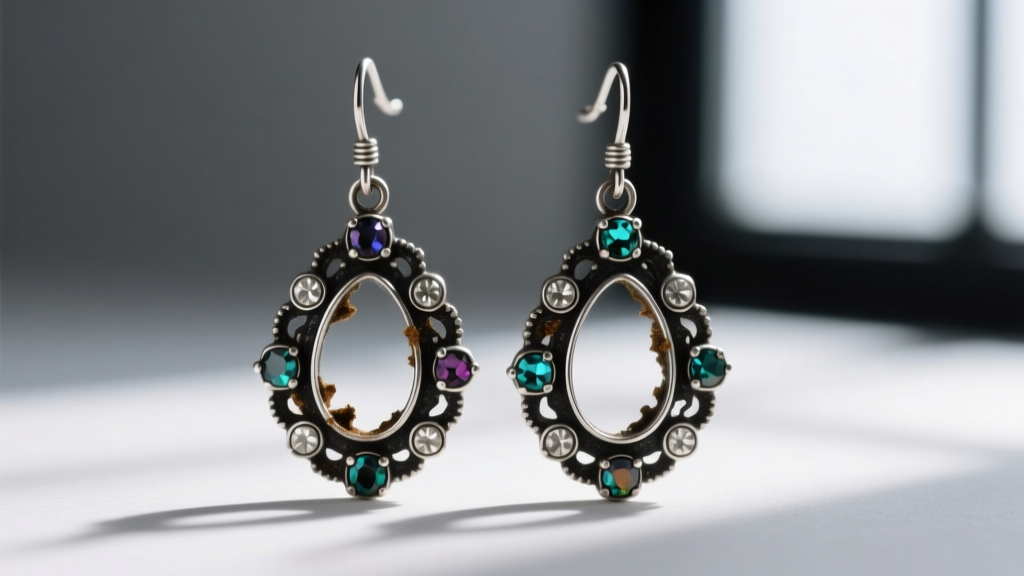
Modern Reproductions: Upgrading the 1920s Aesthetic
Modern jewelers have mastered the Art Deco aesthetic while utilizing 21st-century metallurgy and synthetic polymers to solve the inherent flaws of vintage pieces.
Titanium and Surgical Steel (The Hypoallergenic Solution)
Modern reproductions of 1920s style earrings frequently utilize ASTM F136 implant-grade titanium (Ti-6Al-4V ELI) for the posts and ear wires. This eliminates the nickel allergy risk entirely. For the decorative faces, 316L surgical stainless steel is often PVD-coated (Physical Vapor Deposition) to mimic the bright white luster of vintage platinum without the prohibitive weight or cost.
Modern Resins and Acrylics vs. Vintage Plastics
Where a 1920s flapper might have worn heavy, carved Bakelite drops, modern reproductions utilize high-density cast acrylics and UV-stable epoxies. These modern polymers weigh approximately 40% less than Bakelite, drastically reducing lobe fatigue during extended wear. Furthermore, they are completely inert, meaning they will not off-gas or degrade when exposed to modern perfumes and cosmetics.
'The greatest advancement in vintage-style jewelry is not the cutting of the stones, but the invisible upgrade of the ear wire. Replacing a brittle 22-gauge 1920s screw-back with a reinforced 18-gauge titanium lever-back preserves the aesthetic while saving the piercing.' — Master Jeweler & Horologist, Jewel Style Radar Archives
Material Comparison Chart: Vintage vs. Modern 1920s Style Earrings
Use this framework to evaluate pieces when shopping for 1920s style earrings, whether at an estate auction or a contemporary boutique.
| Material / Component | Era | Weight Profile | Allergy Risk | Avg. Price Range | Primary Failure Mode |
|---|---|---|---|---|---|
| Platinum 900 | Vintage 1920s | Very Heavy | None | $1,500 - $10,000+ | Lobe stretching / tearing |
| 14k White Gold (Nickel) | Vintage 1920s | Medium | High | $400 - $2,000 | Contact dermatitis |
| Bakelite / Carved | Vintage 1920s | Heavy | Low | $200 - $800 | Crazing / glue failure |
| Marcasite (Pyrite) | Vintage 1920s | Medium | Low (Silver) | $150 - $600 | Stone loss / oxidation |
| Implant-Grade Titanium | Modern (2026) | Ultra-Light | None | $60 - $250 | Bending (if thin gauge) |
| Cast Acrylic / Resin | Modern (2026) | Light | None | $30 - $120 | Surface scratching |
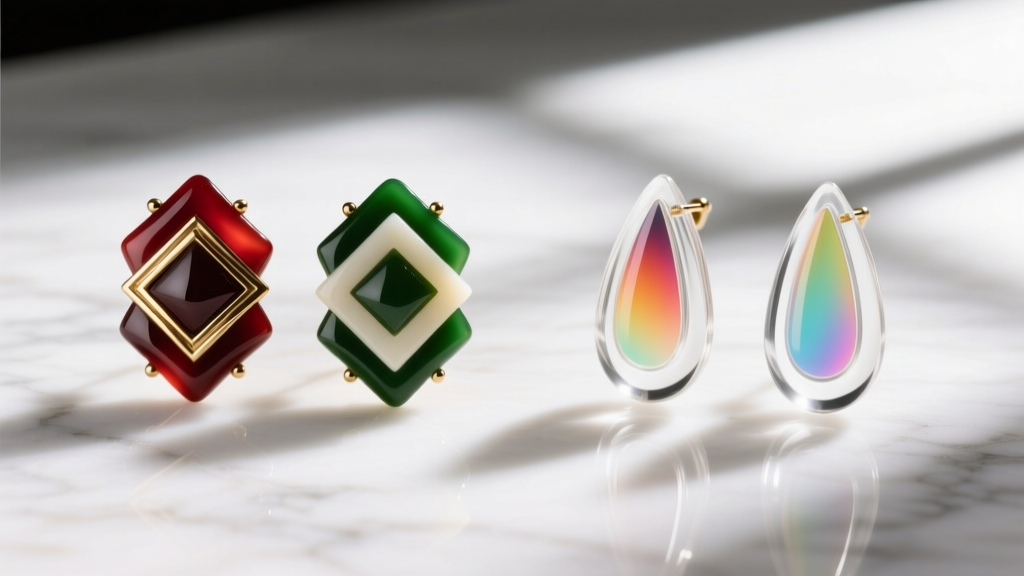
Practical Buying Guide: Navigating Gauge, Weight, and Ear Health
Managing the Weight of Chandelier and Drop Styles
Authentic 1920s chandelier earrings were designed for a time when women's hair was bobbed short, requiring dramatic ear adornments. However, these pieces often feature solid metal fringe and glass beads that can exceed 25 grams per earring. According to the Gemological Institute of America (GIA), the structural integrity of Art Deco pieces is remarkable, but the human earlobe is not. If you are purchasing heavy vintage drops, invest in invisible earlobe support patches or have a jeweler swap the heavy glass beads for modern cubic zirconia or synthetic spinel to reduce the overall mass by up to 30%.
Post Gauge and Clasp Upgrades
Vintage 1920s earrings often utilize screw-back clasps or exceptionally thin 22-gauge (0.64mm) or 24-gauge (0.51mm) wires. These thin wires bend easily and can slice through the earlobe under the weight of the drop (the 'cheese-cutter effect'). Modern standard piercings are typically 18-gauge (1.02mm) or 20-gauge (0.81mm). Always budget an additional $40 to $80 to have a bench jeweler replace vintage wires with modern, thicker 18-gauge niobium or gold lever-backs to ensure safety and comfort.
Care and Maintenance by Material Type
Maintaining 1920s style earrings requires strict adherence to material-specific protocols. Using the wrong cleaning method can destroy a piece in minutes.
- Ultrasonic Cleaners: Never use ultrasonic cleaners on marcasite, Bakelite, or enamel. The high-frequency vibrations will shatter the brittle pyrite, melt early plastics, and flake off hand-painted Art Deco enamel.
- Chemical Dips: Silver dips will strip the intentional oxidation (patina) from sterling silver marcasite settings, leaving them looking flat and artificially bright. Use a soft polishing cloth instead.
- Plastic Preservation: Store vintage Bakelite and celluloid earrings in a climate-controlled environment (40-50% humidity). Keep them separated from metal jewelry, as the off-gassing from degrading celluloid will pit and corrode adjacent metals.
Final Verdict: Choosing Your 1920s Style Earrings
The decision between authentic vintage and modern reproduction 1920s style earrings ultimately hinges on your priorities. If you are a collector seeking historical provenance and the unmatched hand-forged filigree of the 1920s, authentic platinum and gold pieces are unparalleled—but you must be prepared for the maintenance, potential allergy risks, and structural upgrades required for daily wear.
Conversely, if your goal is to capture the glamorous, geometric aesthetic of the Jazz Age for regular, comfortable wear, modern reproductions utilizing implant-grade titanium, PVD-coated steel, and lightweight acrylics offer a vastly superior functional experience. By understanding the exact material properties and gauge requirements outlined above, you can confidently select 1920s style earrings that are as kind to your ears as they are striking to the eye.


