Beyond the 2 Carat Diamond Earrings Price: Expert Care & Cleaning
Discover expert care, cleaning, and maintenance tips to protect your investment, regardless of the 2 carat diamond earrings price you paid.

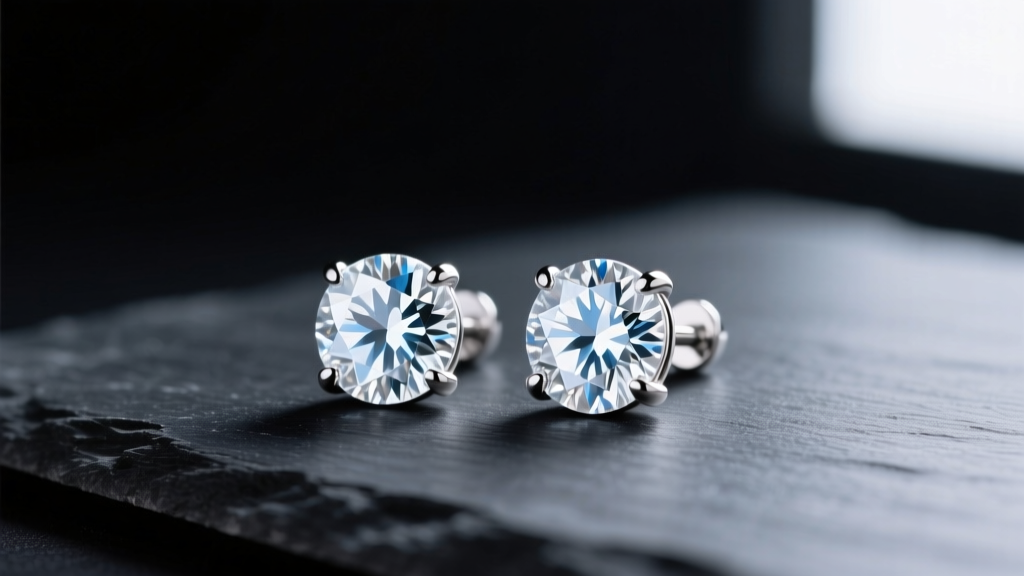
Acquiring substantial diamond jewelry is a major financial and emotional milestone. When you begin researching the 2 carat diamond earrings price, you are looking at an investment that typically ranges from $8,000 to over $30,000, depending on whether that weight is total carat weight (CTW) or per-ear, alongside the specific color and clarity grades. However, the transaction does not end at the point of sale. Diamonds are incredibly durable, ranking a 10 on the Mohs scale, but the precious metals holding them and the optical performance of the stones themselves require rigorous, informed maintenance. In 2026, with advanced jewelry insurance options and modern cleaning technologies available, there is no excuse for allowing a high-value asset to degrade through improper care.
Decoding the Investment: Why Care Dictates Value Retention
Before diving into cleaning protocols, it is vital to understand what you are actually protecting. The 2 carat diamond earrings price can vary wildly based on a common industry distinction: Total Carat Weight (TCW) versus individual carat weight. A pair of 2 CTW studs (1 carat per ear) is a standard luxury benchmark, often priced between $8,000 and $20,000 for natural, eye-clean stones. Conversely, a pair where each stone is 2 carats (4 CTW total) enters the realm of high jewelry, with prices easily exceeding $40,000 to $80,000.
Regardless of where your purchase falls on this spectrum, the resale value and insurable value of your earrings are directly tied to their physical condition. Lost stones due to worn prongs, or permanently damaged girdles from harsh chemicals, can obliterate thousands of dollars in value overnight. According to the Gemological Institute of America (GIA), a diamond's brilliance is entirely dependent on how well light enters and exits the stone—a process immediately compromised by everyday grime.
The Science of Diamond Brilliance and Grime
Diamonds are naturally oleophilic, meaning they attract and hold onto oils. Every time you touch your earrings, apply skincare, or use hairspray, a microscopic film of lipids and silicones coats the pavilion (the bottom facets) of the diamond. This film acts as a barrier, causing light to leak out of the sides of the stone rather than reflecting back through the table to your eye. A high-color, flawless diamond will look like a dull, gray piece of glass if the pavilion is coated in sebum and lotion.
The Safe At-Home Cleaning Protocol
Forget commercial "jewelry dips" which often contain harsh, unlisted solvents that can degrade the rhodium plating on white gold settings. Instead, rely on a time-tested, gemologist-approved method:
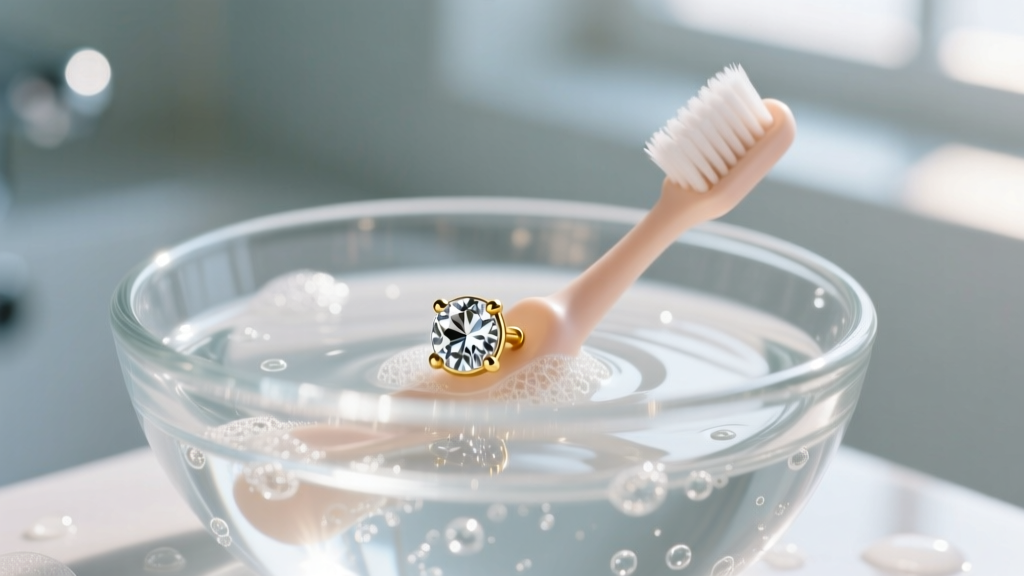
- The Solution: Mix one part clear household ammonia with six parts warm (not hot) distilled water in a glass bowl. Add a single drop of mild, lotion-free dish soap.
- The Soak: Let the earrings soak for 15 to 20 minutes. This breaks down the lipid bonds on the diamond's surface.
- The Agitation: Use a brand-new, ultra-soft baby toothbrush. Gently brush the underside of the diamond (the pavilion) and the basket setting where dead skin and cosmetic powders accumulate.
- The Rinse: Rinse under a gentle stream of lukewarm water over a closed sink drain, and pat dry with a lint-free microfiber cloth.
Warning: Never use toothpaste to clean diamond earrings. Toothpaste contains abrasive silica particles that can scratch the precious metal setting and dull the polish on the diamond's girdle, creating microscopic surface abrasions that trap more dirt over time.
When to Avoid Ultrasonic Cleaners
Ultrasonic cleaners use high-frequency sound waves to create microscopic cavitation bubbles that blast dirt from crevices. While excellent for plain platinum and untreated diamonds, they are highly dangerous for certain stones. If your earrings feature clarity-enhanced diamonds (fracture-filled with glass-like resins) or have undergone laser drilling, the intense vibrations and heat of an ultrasonic machine can melt the filler or shatter the stone. Always verify your diamond's treatment status with your jeweler before utilizing sonic technology.
Structural Integrity: Metals and Settings for Heavy Stones
A 1-carat or 2-carat diamond carries significant physical weight and acts as a lever against the earring post. The metal you choose for your setting dictates how often you will need prong maintenance. The Jewelers of America recommends platinum for any high-value, heavy diamond jewelry due to its superior density and structural memory.
| Metal Type | Prong Durability for 1ct+ Stones | Maintenance Frequency | Best Setting Style |
|---|---|---|---|
| Platinum (950) | Exceptional; metal displaces rather than wearing away. | Every 2-3 years | 4-Prong Martini or Basket |
| 18k White Gold | Good, but prongs thin out over time; requires rhodium dipping. | Annually | 6-Prong Crown |
| 14k Yellow Gold | Moderate; softer alloy prone to catching on fabrics and bending. | Every 6-12 months | Bezel or Heavy Basket |
Managing the Droop: Earring Backs for Heavy Carat Weights
One of the most overlooked aspects of maintaining large diamond studs is the earring back. Standard friction "butterfly" backs are entirely insufficient for the 2 carat diamond earrings price tier. The weight of a large diamond will cause the earlobe to stretch and the earring to droop forward, which not only ruins the visual profile of the jewelry but puts immense lateral stress on the earring post, eventually bending it.
To protect the post and keep the diamond facing forward, upgrade to specialized support backs. Brands like Chrysmela utilize a patented micro-grip mechanism that slides up the post and locks into place, distributing the weight of the diamond across a wider surface area of the earlobe. Alternatively, high-quality silicone stoppers paired with screw-back posts provide a secure, comfortable fit that prevents loss and reduces lobe fatigue.
Protecting Your Investment: Appraisals and Insurance
The market value of diamonds and precious metals fluctuates. An appraisal conducted in 2021 is likely inaccurate in 2026. To ensure your jewelry is fully protected against loss, theft, or damage, you must schedule your earrings as a separate rider on your homeowners or renters insurance policy.
Require a detailed insurance appraisal that lists the exact millimeter dimensions, the 4Cs (Cut, Color, Clarity, Carat), the specific metal weight, and the setting style. Keep digital copies of your GIA or AGS grading reports in a secure cloud server. If a stone ever chips or falls out of its setting, having the original laboratory report is the only way to prove the exact quality of the stone you lost to your insurance adjuster.
Your Professional Servicing Schedule
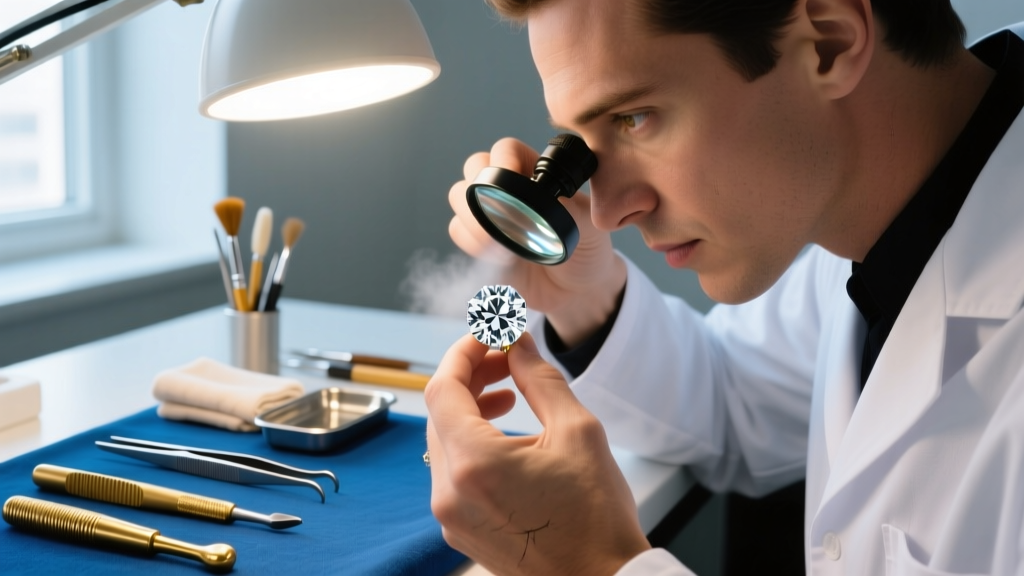
At-home cleaning maintains brilliance, but it does not ensure structural safety. You should have your diamond earrings professionally inspected under a 10x gemological loupe every 12 months. A master jeweler will check for microscopic stress fractures in the basket, ensure the post is perfectly straight, and tighten any prongs that have lifted away from the diamond's crown. By combining diligent at-home cleaning with professional structural audits, you ensure that the stunning asset you purchased remains secure, brilliant, and valuable for generations to come.


