2 Karat Earrings Explained: Gold Purity vs. Diamond Carat Guide
Confused by 2 karat earrings? Our expert guide breaks down gold purity vs. diamond carat weight, pricing, and what beginners should actually buy.

The Great Jewelry Mix-Up: Karat vs. Carat
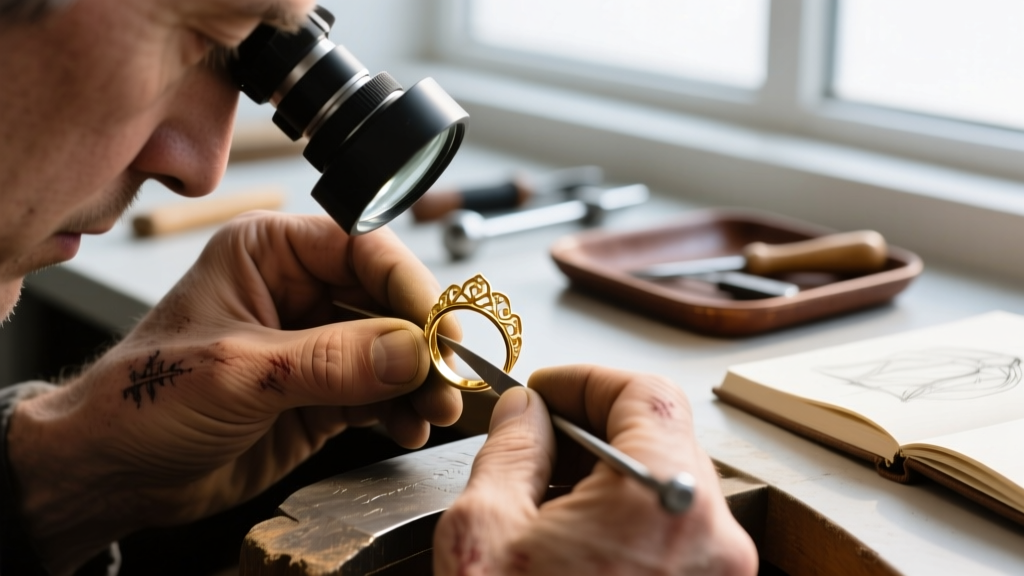
If you are shopping for fine jewelry and find yourself searching for 2 karat earrings, you have likely stumbled into one of the most common terminology traps in the gemological world. As a beginner navigating the jewelry market in 2026, understanding the difference between a 'karat' and a 'carat' is not just a matter of spelling—it is the difference between buying a precious gemstone and accidentally purchasing a highly reactive, low-grade base metal.
The confusion is entirely understandable. Both words are pronounced exactly the same, and both are critical metrics used to value fine earrings. However, they measure completely different properties:
- Karat (k or kt): A measure of gold purity, based on a 24-part system.
- Carat (ct): A measure of gemstone weight, where one carat equals exactly 200 milligrams.
In this beginner-friendly explainer, we are going to dissect what a literal '2 karat' gold earring actually is (and why you should avoid it), before pivoting to what you likely meant: 2 carat diamond earrings. We will cover exact dimensions, current market pricing, and the structural mechanics required to wear heavy gemstone studs comfortably.
What Are '2 Karat' Gold Earrings? (And Why You Should Avoid Them)
To understand why '2 karat gold' is a massive red flag in the jewelry industry, we have to look at the metallurgy. Pure gold is 24 karats (24k), meaning it is 99.9% gold. Because pure gold is too soft for everyday jewelry, it is alloyed with other metals like copper, zinc, silver, or nickel to add strength.
A 2 karat gold alloy consists of only 2 parts gold and 22 parts alloy metals. This translates to a mere 8.33% gold content.
Expert Insight: According to the Federal Trade Commission (FTC) Jewelry Guides, gold alloys below 10 karats cannot be legally stamped, marketed, or sold as 'gold' in the United States. If a retailer is selling '2k gold earrings,' they are either operating outside of regulated markets or mislabeling gold-plated brass.
The Failure Modes of 2k Gold Alloys
If you were to custom-cast a pair of earrings using a 2k gold alloy, you would face severe practical issues:
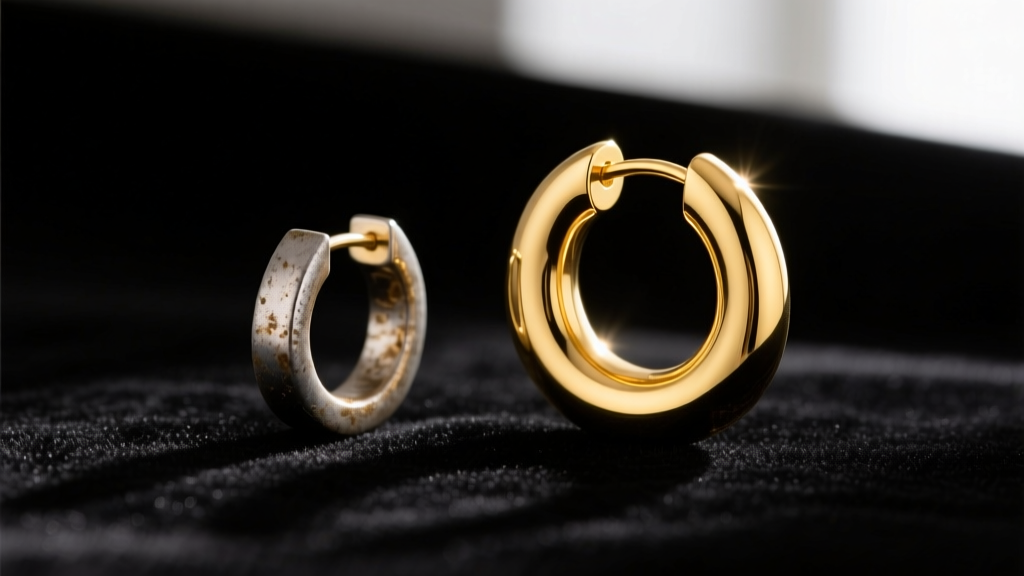
- Severe Tarnishing: With 91.67% of the metal being copper, zinc, or nickel, the earrings will oxidize rapidly when exposed to the natural oils and sweat of your skin, turning dull or greenish-black within weeks.
- Contact Dermatitis: Low-karat alloys heavily rely on nickel or high-copper mixes to maintain structural integrity. Nickel is a primary allergen, and wearing it in a fresh or sensitive earlobe piercing is a recipe for severe allergic reactions and localized infections.
- Zero Resale Value: The precious metal recovery value of 8.33% gold is virtually nonexistent. Refineries will charge more in processing fees than the melted gold is worth.
Did You Mean 2 Carat Diamond Earrings?
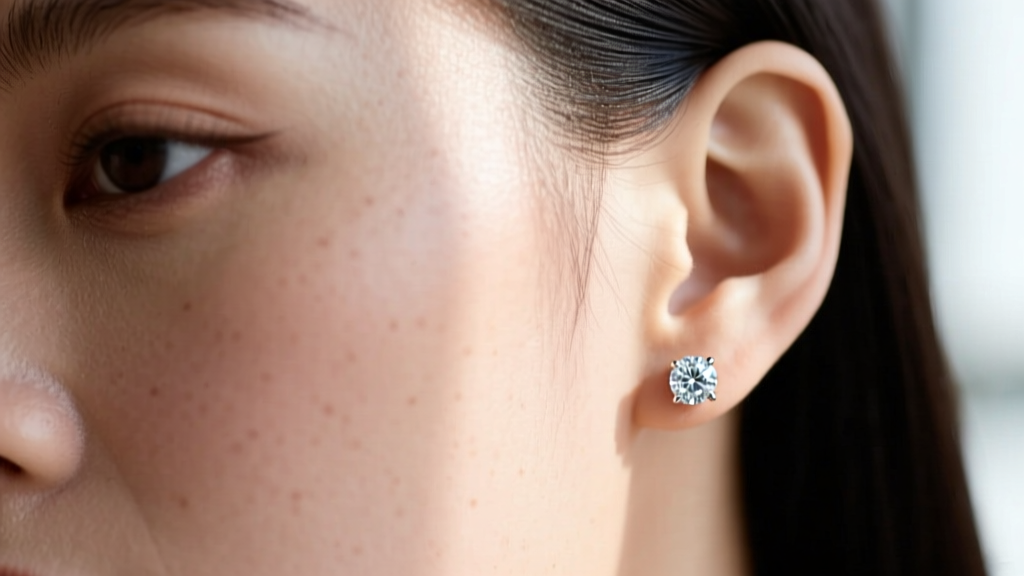
Assuming you are looking for a pair of classic, sparkling diamond studs, the correct terminology is 2 carat earrings (often abbreviated as 2.00 CTW, or Carat Total Weight). This means the combined weight of both diamonds is 2.00 carats, yielding a 1.00-carat diamond for each earlobe.
A 1.00-carat round brilliant diamond measures approximately 6.5 millimeters in diameter. This is considered a 'statement' size for everyday wear—large enough to catch the light across a room, but not so massive that it requires a red-carpet event to justify wearing them.
2026 Pricing Landscape: Lab-Grown vs. Natural
The market for 2.00 CTW diamond earrings has shifted dramatically over the last few years. According to the Gemological Institute of America (GIA), carat weight is a primary driver of diamond pricing, but the origin of the stone now dictates the final cost.
| Metric | Natural Earth-Mined (2.00 CTW) | Lab-Grown (2.00 CTW) |
|---|---|---|
| Average Price Range | $8,500 – $18,000+ | $1,200 – $2,800 |
| Physical Size (per ear) | ~6.5mm | ~6.5mm |
| Optical/Chemical Makeup | 100% Carbon Crystal | 100% Carbon Crystal |
| Resale Value Retention | 20% - 40% | Negligible |
Note: Prices assume VS clarity and F-G color grades. Lab-grown diamonds offer beginners a way to achieve the coveted 6.5mm spread without the five-figure price tag, though they should be viewed as a luxury purchase rather than a financial investment.
The Best Metal Karats for Setting 2-Carat Diamonds
Now that we have established you want 2 carat diamonds, you must choose the correct karat of gold to hold them. Because a 1.00-carat diamond per ear is a significant financial and physical asset, the metal must be durable enough to secure the stone but pure enough to avoid skin irritation.
14 Karat Gold (14k)
Composed of 58.3% pure gold, 14k is the workhorse of the American jewelry industry. It is highly resistant to scratching and bending. If you lead an active lifestyle or frequently sleep in your earrings, 14k gold prongs will hold your 6.5mm diamonds more securely than softer metals. However, ensure the alloy is nickel-free (often alloyed with palladium or zinc for white gold) to prevent lobe irritation.
18 Karat Gold (18k)
Composed of 75% pure gold, 18k offers a richer, warmer yellow hue and is inherently more hypoallergenic due to the lower percentage of alloy metals. It is slightly softer than 14k, meaning the prongs require annual check-ups by a jeweler to ensure they haven't lifted away from the diamond's girdle.
Platinum (95% Pure)
While not measured in karats, Platinum is the ultimate benchmark for high-carat diamond earrings. It is naturally white (requiring no rhodium plating like white gold), incredibly dense, and hypoallergenic. When a platinum prong is bent, it displaces rather than fractures, making it the safest vault for a $10,000 pair of natural diamond studs.
Structural Mechanics: Preventing the 'Earring Droop'
A common beginner mistake when buying 2.00 CTW earrings is ignoring the physics of the earlobe. A pair of 1.00-carat diamonds in a heavy gold basket setting can weigh upwards of 1.5 to 2.0 grams total. While this sounds light, the center of gravity on a 6.5mm stone sits far away from the piercing hole, causing the earring to droop forward and point at the floor.
The Solution: Avoid standard friction posts and butterfly clutches. Instead, opt for screw-back posts or flat-back (labret) style earring settings. Screw-backs feature a threaded post and a locking nut that secures the earring flush against the back of the earlobe, providing the structural support needed to keep a 6.5mm diamond facing perfectly forward.
Your 4-Step Buying Checklist
Before you hand over your credit card for a pair of 2-carat diamond earrings, run through this expert checklist:
- Demand a Grading Report: Never buy a 1.00ct+ diamond without an independent lab report from the GIA or IGI. The report verifies the exact carat weight, cut quality, and ensures the stone is not lab-grown if you are paying natural prices.
- Check the Setting Style: For 2.00 CTW, a 4-prong basket setting is superior to a 3-prong Martini setting. The horizontal base of the basket distributes the diamond's weight and prevents the sharp culet (bottom point) of the diamond from poking your neck.
- Verify the Metal Stamp: Look for '14k', '18k', or 'PT950' stamped on the post. If you see '2k', walk away immediately.
- Upgrade the Backings: If the earrings come with standard push-backs, spend the extra $40 to upgrade to locking screw-backs or silicone O-rings to prevent losing your investment.
By understanding the vital difference between gold purity and gemstone weight, you can navigate the jewelry market with confidence, ensuring your first major earring purchase is both structurally sound and breathtakingly beautiful.


