Stainless Steel Earrings: 316L vs 304 Grades & Allergy Guide
Discover the metallurgical differences between 316L and 304 stainless steel earrings, nickel allergy risks, gauge sizes, and how they compare to titanium.

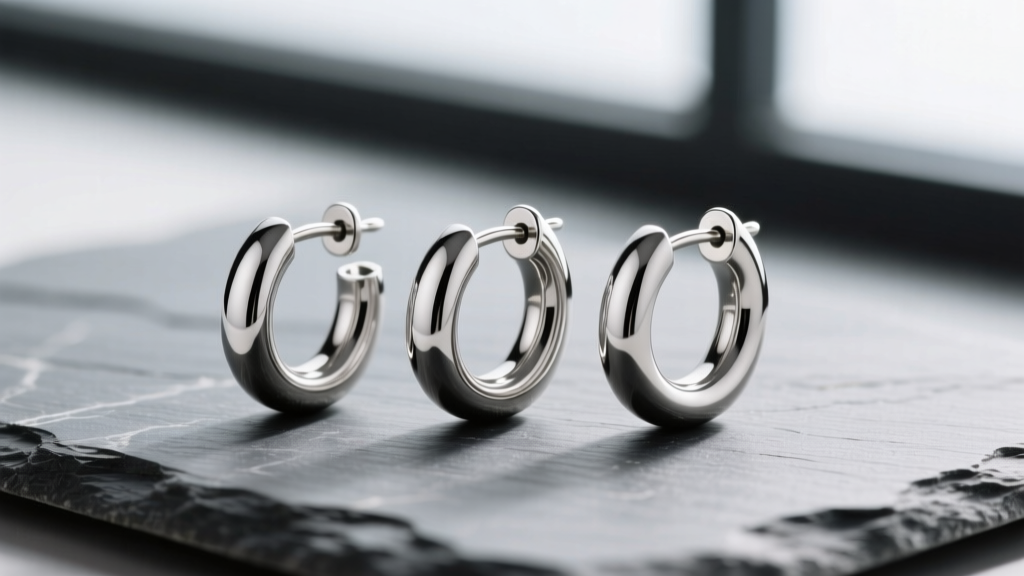
The Metallurgy of Stainless Steel Earrings: 316L vs. 304
When shopping for durable, everyday jewelry, stainless steel earrings are frequently marketed as the ultimate hypoallergenic solution. However, as of 2026, educated consumers and professional piercers know that 'stainless steel' is a broad category encompassing vastly different metallurgical profiles. The two most common grades found in the jewelry market are 304 and 316L. Understanding the atomic structure of these alloys is critical for avoiding contact dermatitis and ensuring the longevity of your piercings.
Standard 304 stainless steel, often referred to as 18/8 steel, contains roughly 18% chromium and 8% nickel. While it offers decent corrosion resistance for industrial applications or kitchenware, it lacks the necessary elements to withstand the highly saline, acidic environment of human sweat over prolonged periods. Conversely, 316L stainless steel—often designated under the ASTM F138 standard for surgical implants—introduces 2-3% molybdenum into the alloy matrix. This specific addition dramatically increases resistance to chloride pitting, making it vastly superior for body jewelry. The 'L' denotes low carbon, which prevents carbide precipitation during the manufacturing and polishing processes, ensuring the metal's structural integrity and passivation layer remain uncompromised.
The Nickel Allergy Paradox: Are They Truly Hypoallergenic?
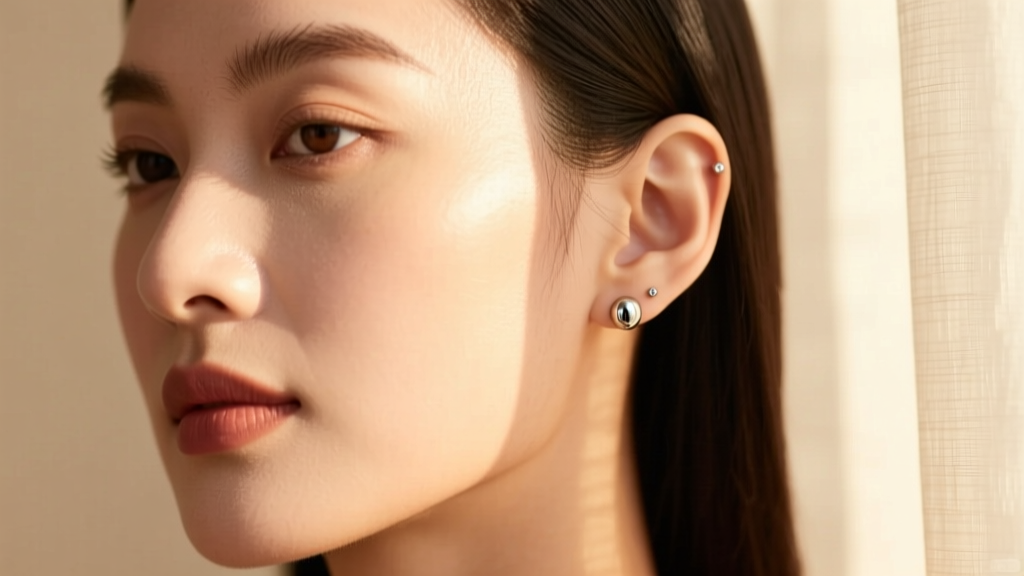
The most common point of confusion regarding stainless steel earrings is their nickel content. According to the American Academy of Dermatology (AAD), nickel allergy is the most frequent cause of allergic contact dermatitis, affecting roughly 18% of adults. Because both 304 and 316L stainless steels contain between 8% and 14% nickel, many assume both will trigger a reaction. The reality lies in the metallurgical bonding.
In high-quality 316L steel, the nickel is tightly bound within the crystalline lattice structure of the alloy. Furthermore, the chromium in the steel reacts with oxygen to form a microscopic, invisible passivation layer of chromium oxide on the surface. This layer effectively 'traps' the nickel inside the metal, preventing it from leaching into the skin. However, in cheaper 304 stainless steel, or in 316L pieces that have been improperly polished or subjected to harsh chemical stripping, this passivation layer can be compromised, leading to nickel leaching and subsequent allergic reactions.
'The term surgical steel is largely unregulated in the commercial jewelry sector. Always verify that the manufacturer specifies 316L or ASTM F138 compliance, especially for fresh cartilage piercings where the tissue is highly reactive and the immune response is elevated.' — Professional Piercing Guidelines, 2026
For individuals with severe, clinically diagnosed nickel allergies, even 316L may pose a risk during the initial healing phase. In these cases, the Association of Professional Piercers (APP) strongly recommends skipping steel entirely in favor of implant-grade titanium.
Material Showdown: 316L Steel vs. Titanium vs. Sterling Silver
To understand where stainless steel earrings fit into the broader jewelry market, we must compare their physical properties, biocompatibility, and pricing against other popular metals. Below is a comprehensive breakdown of how 316L steel performs against its primary competitors.
| Material | Alloy Standard | Nickel Content | Corrosion Resistance | Avg. Price (Studs/Hoops) |
|---|---|---|---|---|
| 316L Steel | ASTM F138 | 10-14% (Bound) | High | $15 - $45 |
| Implant Titanium | ASTM F136 | 0% | Extreme | $30 - $75 |
| Sterling Silver | 925 Standard | 0% (Contains Copper) | Low (Tarnishes) | $20 - $60 |
While 316L stainless steel offers the best balance of affordability and durability for healed piercings, it is heavier than titanium. Titanium (specifically Ti6Al4V ELI) is completely nickel-free and boasts a lower density, making it the superior choice for heavy dangle earrings or fresh cartilage piercings where weight reduction is necessary to prevent migration. Sterling silver, while beautiful, contains 7.5% copper, which reacts with sulfur in the air and skin oils to create tarnish, making it a poor choice for long-term, unattended wear in healing fistulas.
Gauge Sizes, Threading, and Structural Integrity
The structural design of the earring post is just as critical as the material itself. When selecting stainless steel earrings, you must match the gauge to the specific anatomy of the piercing to avoid tissue damage.
- 20-Gauge (0.81mm): The standard for basic earlobe piercings and delicate huggies. It is lightweight but can cause the 'cheese cutter effect' in cartilage if subjected to pressure.
- 18-Gauge (1.02mm): The ideal middle ground for standard lobe and most cartilage piercings (helix, tragus, conch). It provides enough structural rigidity to prevent migration.
- 16-Gauge (1.29mm): Recommended for thicker cartilage areas, daith, or rook piercings, providing maximum stability and reducing the risk of rejection.
Beyond gauge, the threading mechanism dictates the safety of the jewelry. Avoid externally threaded stainless steel earrings, where the screw pattern is on the post itself; dragging these threads through a piercing channel causes micro-tears and harbors bacteria. Instead, opt for internally threaded pieces (where the screw is on the decorative end) or, ideally, threadless (push-pin) designs that rely on tension for a secure, seamless fit.
Care, Maintenance, and Failure Modes
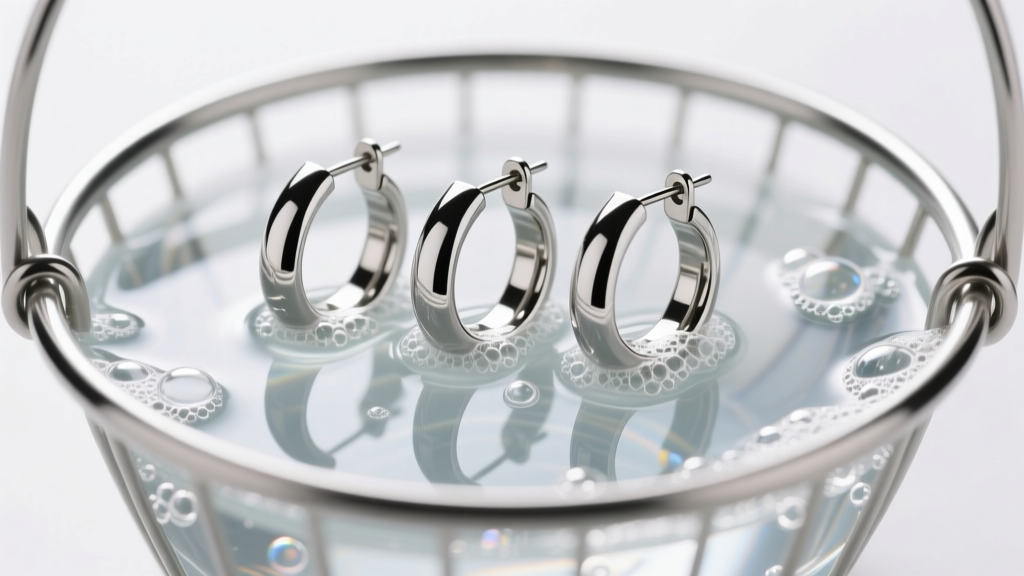
Despite its reputation for being indestructible, 316L stainless steel is not entirely immune to environmental degradation. The most common failure mode for stainless steel earrings is crevice corrosion. This occurs in the microscopic gaps of jewelry mechanisms, such as the hinge of a huggie hoop or the clasp of a clicker ring, where oxygen cannot reach to replenish the chromium oxide passivation layer.
When sweat, dead skin cells, and sebum accumulate in these crevices, the localized environment becomes highly acidic and chloride-rich, eventually breaking down the steel and causing pitting. To prevent this, follow a strict maintenance protocol:
- Weekly Cleaning: Use a mild, fragrance-free liquid soap and a soft-bristled brush to gently clean the hinges and clasps of your hoops and dangles.
- Ultrasonic Baths: For heavily soiled pieces without delicate gemstone settings, a 3-minute cycle in an ultrasonic jewelry cleaner with a specialized saline solution will dislodge debris from microscopic crevices.
- Drying: Always dry your stainless steel earrings completely with a microfiber cloth before storing them. Storing damp steel in an airtight container accelerates oxidation and tarnishing of any secondary metal alloys.
Final Verdict: When to Choose Stainless Steel
Stainless steel earrings remain a cornerstone of modern jewelry design due to their exceptional tensile strength, brilliant mirror polish, and accessible price point. For fully healed earlobes and cartilage piercings, 316L stainless steel is an outstanding, safe, and long-lasting choice. However, consumers must remain vigilant against unverified 'surgical steel' claims, always demanding proof of 316L or ASTM F138 compliance. If you are currently healing a new piercing, or if you suffer from severe contact dermatitis, bypass steel entirely and invest in implant-grade titanium to ensure your tissue heals without complication.


