5mm Diamond Earrings: 2026 Budget & Value Assessment Guide
Discover if 5mm diamond earrings offer the best value in 2026. We break down lab vs. natural pricing, carat weights, and clarity grades for smart buyers.

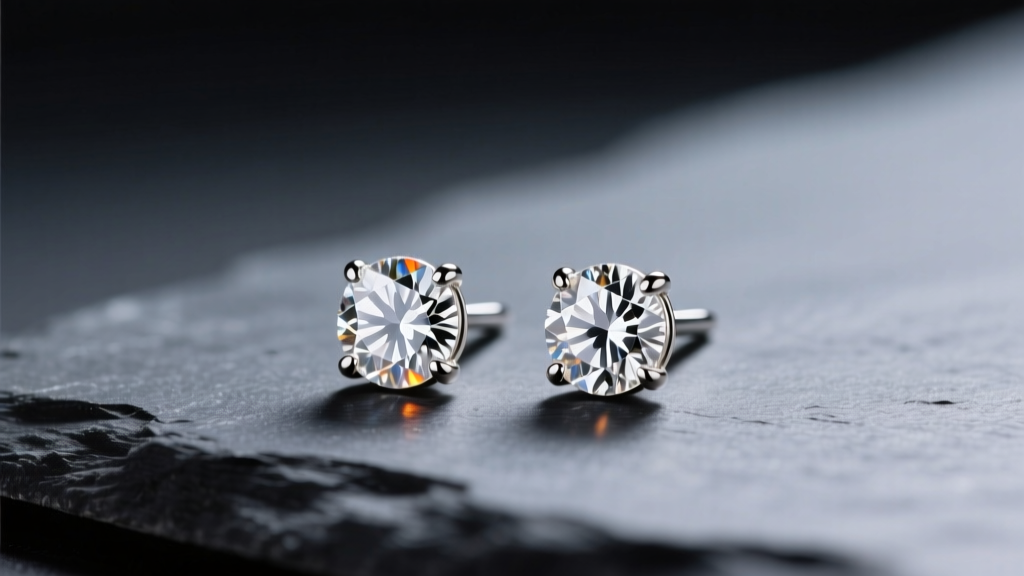
When shopping for diamond studs, buyers are often caught in a tug-of-war between carat weight and physical diameter. For those seeking the perfect balance of everyday wearability and noticeable sparkle, 5mm diamond earrings represent the ultimate "Goldilocks" zone. But as the jewelry market continues to evolve in 2026, how do you ensure you are getting genuine value? This comprehensive budget and value assessment breaks down the exact metrics, pricing shifts, and structural considerations you need to know before investing in a 5mm pair.
The 5mm Metric: Translating Millimeters to Carat Weight
The most common point of confusion for first-time buyers is the relationship between millimeter diameter and carat weight. According to the Gemological Institute of America (GIA), a standard round brilliant diamond measuring exactly 5.0mm in diameter weighs approximately 0.50 carats. Therefore, a matched pair of 5mm diamond earrings equates to 1.00 Carat Total Weight (CTW).
This 1.00 CTW milestone is critical for budget assessment. It is the exact threshold where diamond pricing experiences its first major exponential jump in the natural market. However, a 5mm face-up diameter provides roughly 19.6 square millimeters of visible surface area per ear, offering substantial coverage on the average earlobe without crossing into the "heavy jewelry" territory that requires specialized structural support.
Natural vs. Lab-Grown: The 2026 Pricing Reality
The most significant factor in your value assessment this year is the origin of the diamond. By 2026, the lab-grown diamond market has fully matured, resulting in a massive price decoupling from natural stones. According to Federal Trade Commission guidelines, lab-grown diamonds possess the exact same optical, chemical, and physical properties as mined diamonds, making them a purely financial decision rather than a qualitative one.
| Specification | Natural Diamond (1.00 CTW) | Lab-Grown Diamond (1.00 CTW) |
|---|---|---|
| Average 2026 Retail Price | $2,800 - $4,500 | $350 - $650 |
| Resale Value Retention | 20% - 35% | Negligible (Under 10%) |
| Ideal Budget Allocation | Heirloom / Investment Buyers | Maximized Size / Everyday Wear |
Value Verdict: If your goal is purely aesthetic impact and everyday wear, lab-grown 5mm studs offer unmatched value, allowing you to allocate the saved $3,000 toward other investments or a higher-tier setting. If you view the purchase as a generational asset, natural diamonds remain the only viable path.
Where to Compromise: Color and Clarity Grading
Overpaying for gemological grades that are invisible to the naked eye is the fastest way to destroy your budget. Earrings are viewed from a distance, typically 2 to 4 feet away, which fundamentally changes how the 4Cs should be prioritized.
The "Distance Viewing" Advantage
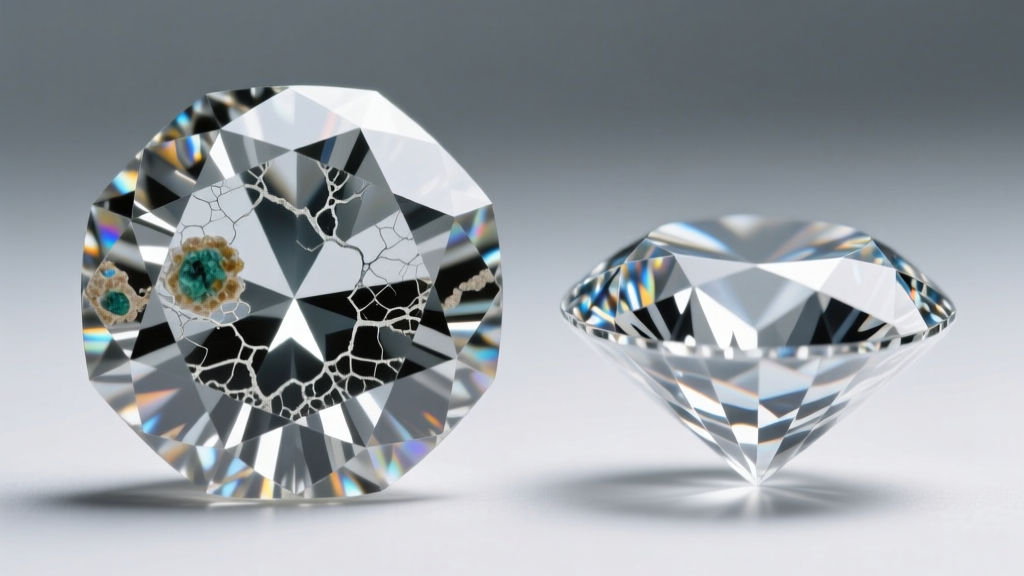
- Clarity (SI1 to SI2): Inclusions that are visible under 10x magnification are entirely undetectable from across a dinner table. An SI1 or even a clean SI2 grade will save you 20-30% compared to VS1, with zero visual penalty in a 5mm stone.
- Color (J to K for Yellow Gold): If you are setting your 5mm diamonds in 14k or 18k yellow gold, the warm reflection of the metal will mask the faint yellow tint of a J or K color diamond. You can safely drop two color grades and reallocate funds.
- Color (G to H for White Metals): For platinum or white gold settings, stick to G or H. Going lower to I or J will create a noticeable contrast against the bright white metal prongs, making the stones look slightly dull.
Hardware and Ergonomics: Preventing Earlobe Droop
A 1.00 CTW pair of 5mm diamond earrings is deceptively heavy. The combined weight of the diamonds, the gold setting, and the backing can easily exceed 1.5 grams. This introduces a common failure mode: earlobe droop. If the hardware is poorly engineered, the earrings will tilt forward, hiding the diamond's brilliance and causing physical discomfort.
To maintain structural integrity and value, demand the following hardware specifications:
- Post Gauge: Avoid flimsy 20-gauge (0.81mm) posts. For 5mm studs, insist on 18-gauge (1.02mm) or even 16-gauge posts to provide a rigid foundation that prevents the stone from wobbling.
- Backings: Standard "butterfly" friction backs are a liability for 1.00 CTW studs. They easily slip off and fail to support the weight. Upgrade to jumbo silicone-backed La Poussiere clasps or precision-machined screw backs. Screw backs distribute the weight evenly across the lobe and guarantee the earrings will not be lost.
Setting Styles That Maximize Perceived Size
The way your 5mm diamond is held in place drastically alters how large it appears and how much light it returns. When assessing value, the setting style is just as important as the stone itself.
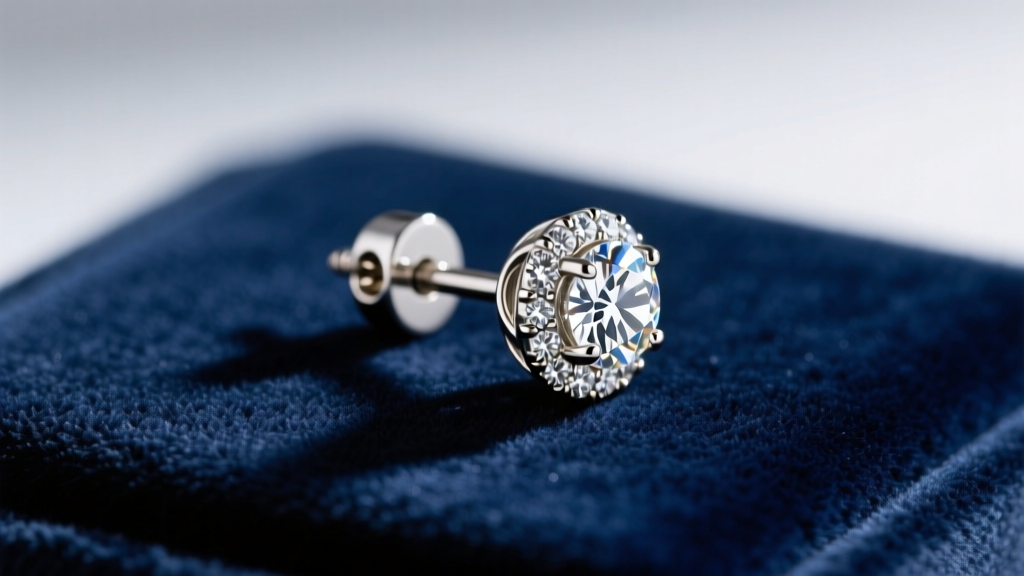
- Martini (3-Prong): The absolute best choice for maximizing light return. Because it uses only three prongs and tapers down to a single point, it sits flush against the earlobe. This allows light to enter the pavilion from all angles, making the 5mm stone look brighter and visually larger.
- Basket (4-Prong): Offers superior security for active lifestyles but sits slightly higher off the ear. The extra metal can block peripheral light, slightly reducing brilliance compared to the martini.
- Bezel: A metal rim surrounds the diamond. While incredibly secure and modern, a bezel setting covers the outer 0.2mm of the diamond's girdle, making a 5mm stone look closer to 4.6mm. Only choose bezel if security is your primary concern over maximum sparkle.
Certification: Protecting Your Investment
Never purchase 5mm natural diamond earrings without a grading report from the GIA or AGS. For lab-grown diamonds, IGI and GCAL are the industry standards in 2026, offering rigorous and reliable laser inscriptions on the girdle. Uncertified "promotional" diamonds are almost always graded 1 to 2 grades looser than their actual quality, meaning you are overpaying for inferior stones.
Expert Value Tip: Always verify the diamond's laser inscription with a jeweler's loupe upon delivery. Ensure the microscopic numbers on the girdle perfectly match the physical certificate provided by the retailer. This is your ultimate proof of authenticity and value.
Final Verdict: How to Buy Smart
In 2026, 5mm diamond earrings remain a cornerstone of fine jewelry, offering a luxurious 1.00 CTW presence without the exorbitant premiums of larger stones. To extract the maximum value from your budget, prioritize an excellent cut grade above all else, embrace SI1 clarity, and invest heavily in high-quality 18-gauge hardware and screw backings. Whether you choose the heritage of a natural stone or the budget-friendly brilliance of a lab-grown diamond, understanding these precise metrics ensures your investment will sparkle flawlessly for decades.


