Lewis Segal Earrings: Material Quality & Plating Durability Guide
Discover the metallurgical properties of Lewis Segal earrings. We compare his sterling silver, gold vermeil, and CZ stones to solid fine jewelry.

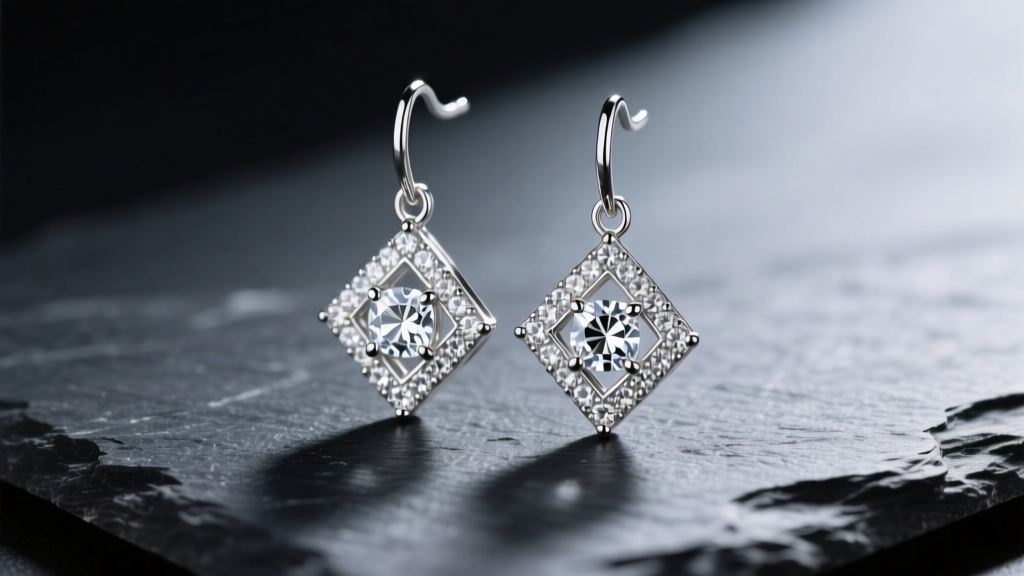
The Metallurgical Reality of Accessible Designer Jewelry
When evaluating designer jewelry, consumers often focus heavily on aesthetic appeal, brand prestige, and immediate visual impact. However, understanding the underlying material science is crucial for predicting longevity, wear patterns, and skin compatibility. Lewis Segal earrings have maintained a strong presence in the accessible luxury market, frequently utilizing 925 sterling silver, gold vermeil, and high-grade simulated gemstones. To make an informed purchasing decision in 2026, it is essential to look past the showroom lighting and examine the metallurgical properties, plating thicknesses, and structural realities of these pieces compared to solid fine jewelry alternatives.
The Base Alloy: 925 Sterling Silver Structural Integrity
The foundation of most Lewis Segal earrings is 925 sterling silver. By definition, this alloy consists of 92.5% pure silver and 7.5% secondary metals, almost universally copper. Pure silver (999 fine) possesses a Mohs hardness of roughly 2.5, making it far too malleable for functional earring posts or prong settings. The addition of copper increases the tensile strength and hardness, allowing the metal to be cast, drawn into wires, and polished to a high luster.
However, this copper content introduces a significant vulnerability: oxidation. When exposed to sulfur compounds in the air, humidity, and the natural pH of human skin, the copper in the alloy reacts to form silver sulfide, manifesting as black tarnish. To combat this inherent metallurgical flaw, designer brands apply surface barriers.
The Rhodium Shield and E-Coating
For white-metal finishes, Lewis Segal typically employs rhodium plating. Rhodium is a rare, highly reflective platinum-group metal that is completely inert and highly resistant to tarnish. A standard rhodium flash on commercial jewelry is between 0.05 and 0.15 microns thick. Premium designer pieces often push this to 0.75 or even 1.0 microns. This plating not only provides a brilliant, white-gold-like reflectivity but also acts as a hypoallergenic barrier, sealing the copper alloy away from the skin.
Some collections may also utilize anti-tarnish e-coatings (such as Tarni-Shield), which are clear polymer layers applied over the silver to inhibit sulfur exposure without altering the metal's natural color. While effective, these organic coatings eventually degrade through friction and exposure to cosmetics.
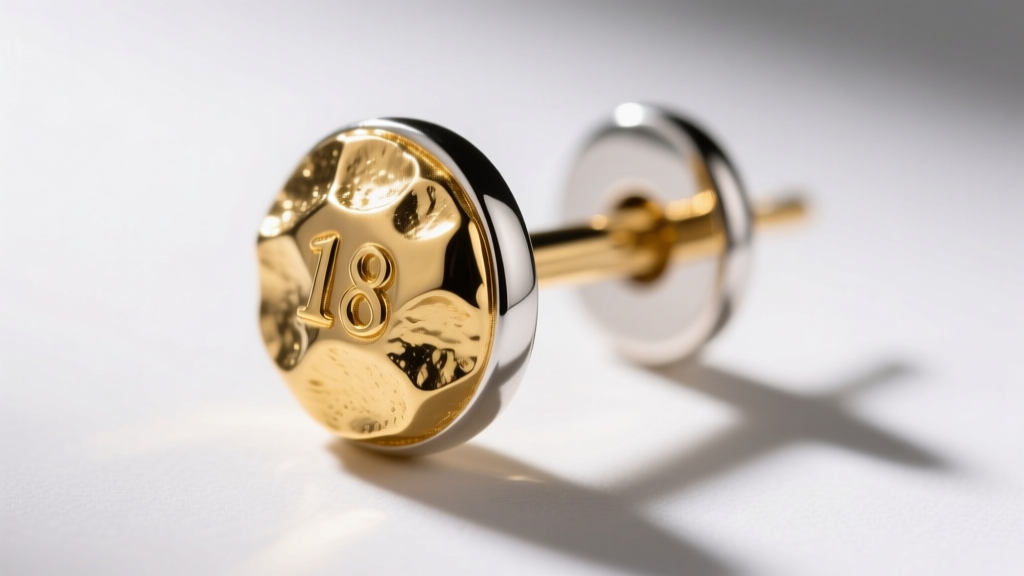
Gold Vermeil vs. Standard Electroplating: Micron Thickness
When exploring the gold-toned options within the Lewis Segal earrings catalog, it is vital to distinguish between standard gold plating and true gold vermeil. The Federal Trade Commission (FTC) strictly regulates these terms to protect consumers from misleading marketing. According to the FTC Jewelry Guides, for a product to be legally marketed as 'vermeil,' it must consist of a sterling silver base coated with gold of at least 10-karat fineness, and the gold layer must be a minimum of 2.5 microns thick.
Standard gold-plated brass or copper earrings often feature a 'flash' plating of less than 0.5 microns. This ultra-thin layer wears away rapidly, particularly at high-friction points like the earring post, the clutch friction area, and the hinge of a hoop earring. Vermeil's 2.5-micron threshold provides a substantially longer lifespan, though it is not permanent.
Comparative Material Breakdown
| Material Type | Base Metal | Coating / Alloy | Approx. Thickness | Tarnish Resistance | Typical Price (Studs) |
|---|---|---|---|---|---|
| Solid 14k Gold | Gold Alloy | 58.5% Pure Gold | Solid throughout | Excellent | $250 - $600+ |
| Lewis Segal Vermeil | 925 Silver | 14k or 18k Gold | > 2.5 microns | High (until worn) | $60 - $120 |
| Lewis Segal Rhodium | 925 Silver | Rhodium (Pt Group) | 0.5 - 1.0 microns | Excellent | $50 - $100 |
| Flash-Plated Brass | Brass/Copper | Gold/Rhodium | < 0.5 microns | Poor | $15 - $35 |
Gemstone Properties: Simulated Diamonds and Prong Security
Lewis Segal frequently utilizes high-quality cubic zirconia (often branded as Diamonique) and genuine semi-precious stones. From a gemological perspective, understanding the Mohs hardness scale is critical for evaluating how these stones will interact with their silver settings over time. According to the Gemological Institute of America (GIA), cubic zirconia possesses a Mohs hardness of 8 to 8.5. While this makes it highly resistant to everyday scratching from dust (which contains quartz at Mohs 7), it falls short of a natural diamond's perfect 10.
More importantly, the disparity in hardness between the stone and the setting metal dictates the failure mode of the earring. Sterling silver is relatively soft (Mohs 2.5-3). If a pavé-set earring is snagged on clothing, the silver prongs will bend or wear down long before the CZ stone scratches. Consequently, the primary risk with silver-set simulated diamond earrings is not stone abrasion, but rather prong failure leading to stone loss.
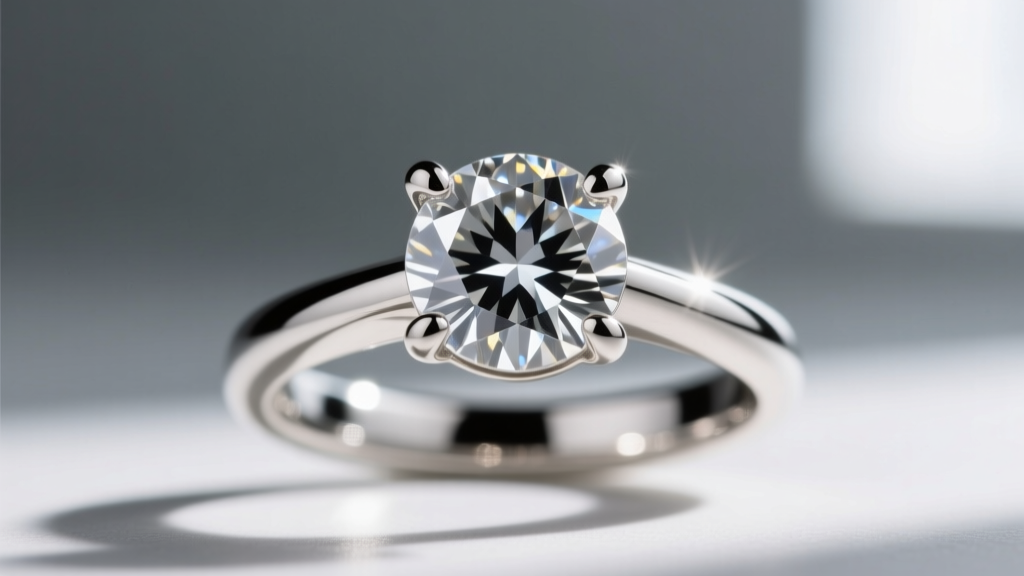
Hypoallergenic Performance and Post Gauges
For individuals with contact dermatitis or metal sensitivities, the hypoallergenic properties of an earring are paramount. Pure nickel is the most common culprit for jewelry allergies. Because Lewis Segal earrings primarily utilize sterling silver and rhodium, they are generally considered nickel-free and safe for sensitive ears. Rhodium, being a platinum-group metal, is entirely biocompatible.
However, buyers must be aware of the structural dimensions of the earring posts. Standard lobe wires and posts on these designer pieces typically range from 20-gauge (0.81mm) to 22-gauge (0.64mm). While 20-gauge is the industry standard for standard ear piercings, those with stretched lobes or cartilage piercings may find 22-gauge wires too thin, which can cause the earring to droop or rotate uncomfortably. Furthermore, if the rhodium plating on the post eventually wears away due to the friction of inserting and removing the earring clutch, the exposed copper alloy could potentially trigger a reaction in highly sensitive individuals.
Long-Term Maintenance and Failure Modes
Preserving the material integrity of plated designer earrings requires a departure from traditional fine jewelry cleaning methods. The most common mistake consumers make is using ultrasonic cleaners. The high-frequency cavitation bubbles generated by ultrasonic machines can aggressively strip thin rhodium layers and degrade anti-tarnish e-coatings. Furthermore, if the earrings feature semi-precious stones like opals, turquoise, or emeralds, the ultrasonic vibrations can easily fracture the stones or dissolve the adhesives used in bezel settings.
Recommended Care Protocol
- Daily Wipe: Use a clean, dry microfiber cloth to remove skin oils and cosmetic residue immediately after wearing.
- Wet Cleaning: Use a few drops of mild, phosphate-free dish soap in lukewarm water. Gently agitate with a soft-bristled baby toothbrush, avoiding aggressive scrubbing on plated surfaces.
- Chemical Avoidance: Never expose vermeil or rhodium-plated silver to chlorine (pools), sulfur (hot springs), or harsh silver dip solutions, which will instantly strip the plating and leave the base metal porous and dull.
- Storage: Store in an airtight, anti-tarnish ziplock bag with a silica gel packet to control ambient humidity and prevent the underlying silver from oxidizing if the plating is micro-fractured.
Ultimately, Lewis Segal earrings offer an excellent bridge between costume jewelry and solid fine gold. By understanding the specific properties of 925 silver, the protective benefits of rhodium, and the physical limitations of silver prong settings, collectors can accurately set their expectations for longevity and maintain the brilliant finish of their pieces for years to come.


