Troubleshooting Ball Earrings Silver: Tarnish, Backs & Fit
Lost backs or stubborn tarnish ruining your silver ball earrings? Expert troubleshooting guide for sterling silver studs, fittings, and care.

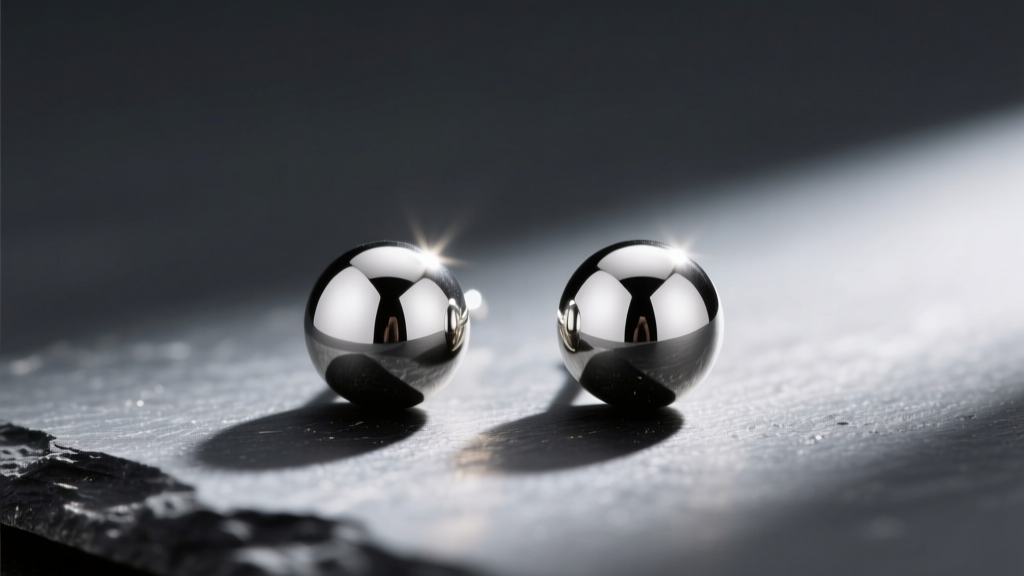
Silver ball earrings are a staple of minimalist jewelry, but their simple design often masks complex material and mechanical vulnerabilities. Whether you are dealing with rapid tarnishing, lost friction backs, or stretched piercing holes, troubleshooting ball earrings silver requires an understanding of metallurgy, mechanical engineering, and dermatology. This guide bypasses generic cleaning tips to provide actionable, expert-level solutions for the most common failures associated with sterling silver spherical studs.
The Anatomy of Failure: Why Silver Ball Earrings Break
The most catastrophic failure point on any ball earring is the solder joint connecting the post to the sphere. In mass-produced 925 sterling silver earrings, this joint is typically created using a medium-grade silver solder that flows at approximately 700°C. If the manufacturer overheats the joint or fails to use adequate flux, the resulting connection becomes brittle and porous.
Diagnosing Post Detachment
If the ball has snapped cleanly off the post, the issue is usually a cold solder joint or metal fatigue from repeated bending. Unfortunately, standard cyanoacrylate (super glue) will not hold up to the oils and friction of the human body. The Fix: You must take the earring to a professional jeweler for laser welding or hard silver soldering. Laser welding is preferred for ball earrings because it applies highly localized heat, preventing the polished or matte surface of the silver sphere from melting or warping.
Troubleshooting Tarnish: The Chemistry of Silver Sulfide
Sterling silver is an alloy consisting of 92.5% pure silver and 7.5% copper. It is this copper content that reacts with hydrogen sulfide (H2S) in the air and on your skin to form silver sulfide (Ag2S), the blackish-grey layer we call tarnish. When troubleshooting tarnish on ball earrings, the surface finish dictates your approach.
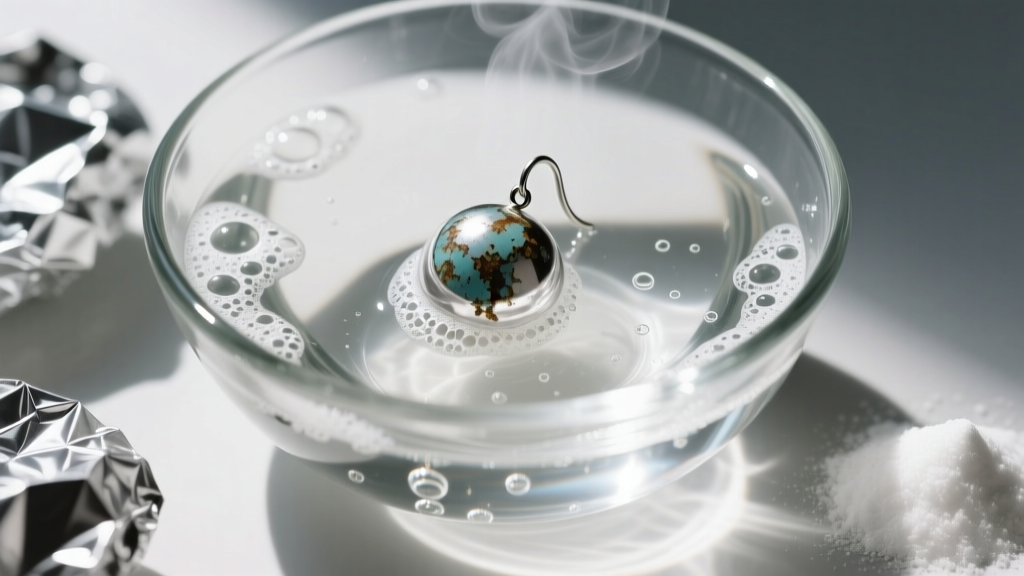
The Electrochemical Reversal Method
For highly polished, smooth silver balls, mechanical polishing with abrasive cloths slowly removes microns of silver over time. Instead, use an electrochemical bath to reverse the chemical reaction without removing any base metal.
- Line a glass bowl with aluminum foil (shiny side up).
- Place your tarnished silver ball earrings on the foil, ensuring direct contact.
- Sprinkle 1 tablespoon of baking soda and 1 teaspoon of non-iodized salt over the jewelry.
- Pour boiling water into the bowl. The aluminum acts as a sacrificial anode, pulling the sulfur away from the silver and transferring it to the foil.
- Remove after 3 minutes, rinse with distilled water, and dry with a microfiber cloth.
According to The Silver Institute, this method is safe for solid silver but should never be used on oxidized (intentionally blackened) silver or earrings with glued-in gemstones, as the boiling water will dissolve the adhesive.
Matte and Textured Ball Earrings
If your ball earrings feature a brushed, sandblasted, or hammered texture, tarnish becomes trapped in the microscopic crevices. The aluminum foil method may not reach deep into these textures. The Fix: Use a soft-bristled baby toothbrush with a drop of mild, phosphate-free dish soap and warm water. Brush in a circular motion to lift the sulfide from the crevices without smoothing out the intentional matte texture.
Solving the 'Lost Backing' Crisis
Losing a silver earring back is a universal frustration, but it is fundamentally a mechanical engineering problem. Standard 'butterfly' friction backs rely on the tension of the metal loops gripping the post's notch. Over time, silver and base-metal alloys suffer from metal fatigue, losing their tension and sliding off.
Upgrading Your Security Hardware
To permanently solve the lost backing issue, you must upgrade the hardware. Below is a comparison of backing types and their real-world security ratings for silver ball studs.
| Backing Type | Material | Security Rating | Best For |
|---|---|---|---|
| Standard Butterfly | Silver / Base Metal | Low (40% loss rate over 2 yrs) | Temporary wear, frequent changes |
| Silicone O-Rings | Medical-grade Silicone | Medium-High | Sleeping, active lifestyles |
| Screw Backs | 925 Sterling Silver | Very High (M0.9 threading) | Expensive/heavy silver balls |
| Locking Clutch (e.g., La Poussière) | Surgical Steel / Gold | Maximum (Mechanical lock) | High-security requirements |
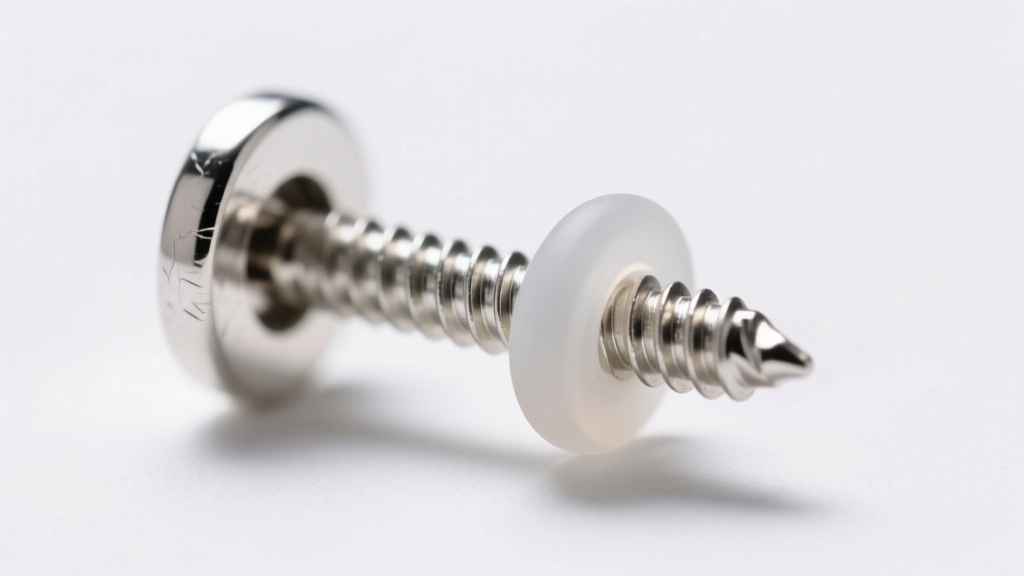
Expert Tip: If your current silver ball earrings have standard straight posts without threading, you cannot use screw backs. Instead, purchase high-quality silicone disc backs or 'clutch' backs with an internal metal spring that grips the post much tighter than traditional butterfly scrolls.
Weight, Gauge, and the 'Cheese-Cutter' Effect
Silver is a dense metal (10.49 g/cm³). While a 4mm silver ball is practically weightless, larger statement sizes—such as 10mm or 12mm solid silver balls—can weigh upwards of 5 to 8 grams per earring. When heavy silver balls are mounted on thin 20-gauge (0.81mm) or 22-gauge (0.64mm) posts, gravity and movement cause the post to slowly slice through the bottom of the earlobe piercing. This is known in the body modification community as the 'cheese-cutter effect.'
How to Prevent Piercing Stretching
- Check the Gauge: Use a digital caliper to measure the post thickness. If you are wearing solid silver balls larger than 8mm in diameter, the post should be at least 18-gauge (1.02mm) or 16-gauge (1.29mm) to distribute the weight across a wider surface area of tissue.
- Hollow vs. Solid: If you prefer the look of large 12mm+ silver balls without the structural damage, look for 'hollow' or 'puffed' silver balls. These are created using an electroforming process or by soldering two silver domes together, reducing the weight by up to 70% while maintaining the exact exterior dimensions.
- Supportive Backings: Use wide, flat disc backs (10mm or larger) instead of narrow butterfly backs. A wide disc distributes the pressure across the back of the earlobe, preventing the backing from digging into your skin and pushing the heavy ball forward.
Allergic Reactions: Is It Really Sterling?
If your earlobes become itchy, red, or flaky after wearing silver ball earrings, the immediate assumption is often a silver allergy. However, true silver allergies are exceptionally rare. The culprit is almost always nickel or improper alloying.
While standard 925 sterling silver uses copper as the alloying metal, some overseas mass-manufacturers cut costs by using nickel or zinc alloys containing nickel trace elements. Furthermore, if the earrings are merely 'silver-plated' over a brass or nickel-silver base, the thin plating will eventually wear away at the friction points, exposing the reactive base metal to your skin.
The American Academy of Dermatology notes that nickel allergy is one of the most common causes of allergic contact dermatitis. To troubleshoot this:
- The Magnet Test: Pure silver and copper are non-magnetic. If your silver ball earring is attracted to a strong neodymium magnet, it contains ferromagnetic metals like iron or nickel and is not true sterling silver.
- Rhodium Plating: If your earrings are genuine sterling but you are reacting to the copper alloy, look for silver ball earrings that are rhodium-plated. Rhodium is a hypoallergenic precious metal in the platinum family that creates an inert barrier between the copper alloy and your skin.
- Upgrade to Argentium: For a permanent solution, switch to Argentium silver. This modern alloy replaces some of the copper with germanium, making it highly resistant to tarnish and completely nickel-free, ensuring biocompatibility for sensitive piercings.
Preventative Maintenance Checklist
To keep your silver ball earrings in pristine condition and avoid the issues outlined above, implement this quick maintenance routine:
- Post-Cleaning: Wipe the posts with an alcohol pad after every 3-4 wears to remove sebum and dead skin cells, which accelerate tarnish and degrade silicone backs.
- Storage: Store silver balls in anti-tarnish cloth pouches or airtight Ziploc bags with a piece of activated charcoal or silica gel to absorb ambient moisture and sulfur compounds.
- Hardware Audit: Every six months, inspect the tension of your friction backs. If they slide onto the post with zero resistance, discard them immediately and replace them with new clutches to prevent losing your jewelry.
By understanding the specific material properties and mechanical realities of silver jewelry, you can transform your ball earrings from a high-maintenance frustration into a lifelong, reliable staple of your wardrobe.


