How to Clean, Restore, and Fix White Earrings Studs
Discover expert troubleshooting tips to clean, restore, and fix yellowing or loose white earrings studs. Solve material and allergy issues today.

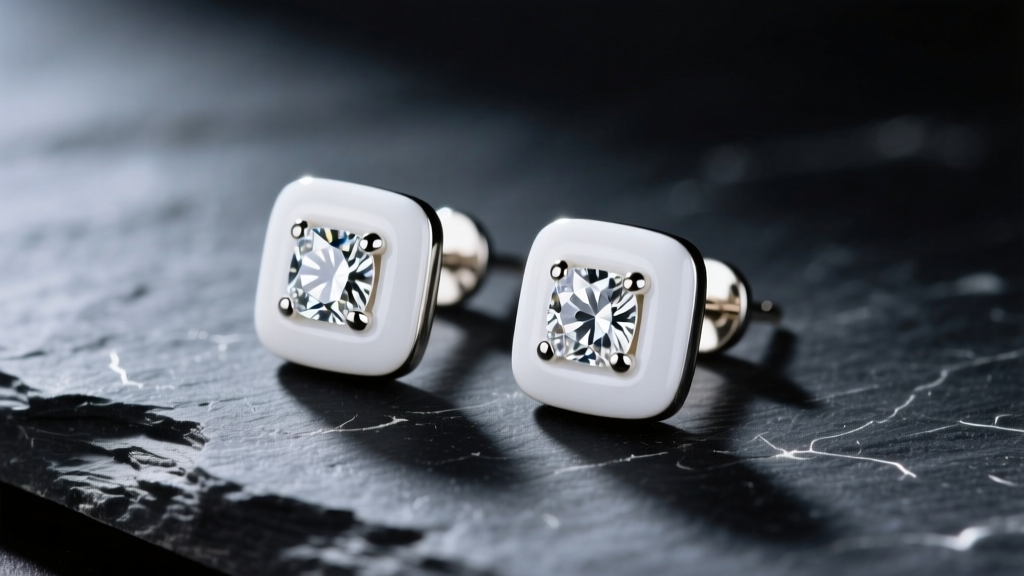
White earrings studs are a cornerstone of modern jewelry wardrobes, offering a crisp, versatile aesthetic that transitions seamlessly from the office to evening wear. However, because white materials—ranging from rhodium-plated gold and white enamel to pearls and cubic zirconia—are highly reflective, they act as a canvas for every microscopic flaw, discoloration, and structural failure. If your favorite pair has lost its luster, started to yellow, or is causing skin irritation, you are not alone. In this comprehensive troubleshooting guide, we dissect the exact failure modes of white studs and provide professional-grade solutions to restore them to their original brilliance.
The Core Culprits: Why White Studs Degrade
Unlike yellow or rose gold, which possess inherent color stability, most "white" jewelry relies on surface treatments or delicate organic materials. The degradation of white earrings studs typically falls into three categories: chemical oxidation, UV degradation, and mechanical wear. Understanding the specific material composition of your earrings is the first step in diagnosing the problem. A solution that works for a vitreous enamel stud will completely destroy a cultured pearl or a cold-enamel (epoxy) alternative.
Troubleshooting Discoloration by Material
The "Yellowing" White Gold Myth
If your white gold studs are turning yellow, the gold itself is not tarnishing. White gold is an alloy of pure yellow gold mixed with white metals like nickel, palladium, or silver. To achieve a stark, mirror-like white finish, manufacturers plate the alloy with rhodium, a platinum-group metal. Standard rhodium plating on commercial earrings ranges from 0.75 to 1.0 microns in thickness. Over time, friction from hair, clothing, and the natural acidity of your skin wears this microscopic layer away, revealing the naturally warm, yellowish alloy underneath. The Fix: You cannot clean this away. The studs must be taken to a jeweler for a professional rhodium re-plating, which typically costs between $35 and $60 per pair.
Enamel and Ceramic Coatings
White enamel studs are highly susceptible to two distinct issues. High-fired vitreous enamel (glass fused to metal) is incredibly durable but can chip if dropped on hard surfaces. Conversely, cold enamel (a two-part epoxy resin) is prone to UV degradation. If your resin-based white studs have taken on a sickly yellow or brownish tint, prolonged exposure to sunlight and cosmetic chemicals has broken down the polymer chains. The Fix: UV yellowing in cold enamel is irreversible. For chipped vitreous enamel, a specialized jewelry enameler can re-fire the piece, though this is often cost-prohibitive for fashion jewelry.
Pearl and Mother-of-Pearl Dullness
White pearls and mother-of-pearl inlays rank at a mere 2.5 to 4.5 on the Mohs hardness scale, making them exceptionally soft. The most common issue is surface etching caused by contact with acidic skin pH, perfumes, and hairspray. This etching scatters light, making the once-luminous white surface appear chalky and dull. According to the Gemological Institute of America (GIA), pearls require specific, gentle care to maintain their nacre integrity. The Fix: Gently buff the surface with a microfiber cloth dampened with a drop of mineral oil to temporarily restore luster, but avoid all ultrasonic cleaners and acidic dips, which will dissolve the nacre entirely.
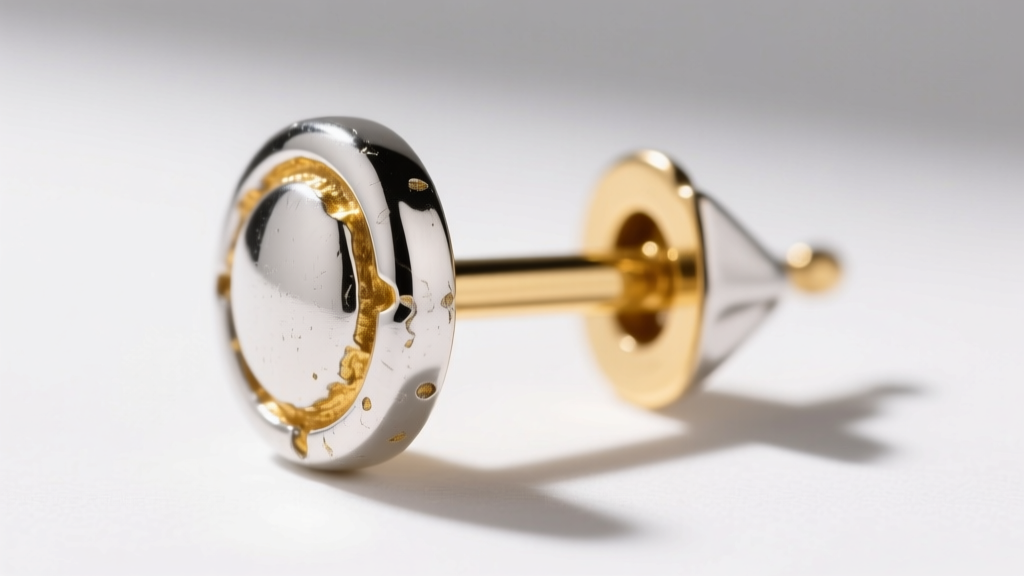
Mechanical Failures: Loose Stones and Wobbly Posts
White cubic zirconia (CZ) and diamond studs rely on light return to mask their settings. When a stone becomes loose, it shifts in its bezel or prong setting, creating a dark, dead spot. Furthermore, the constant shifting accelerates wear on the metal holding it.
- Prong Snagging: If your 4-prong or 6-prong white CZ studs are catching on your sweaters, the prongs have lifted. Use a pair of nylon-jaw pliers to gently squeeze the prongs inward, or visit a jeweler for a 5-minute tightening.
- Wobbly Posts and Friction Loss: Standard earring posts are either 20-gauge (0.81mm) or 18-gauge (1.02mm). If your stud feels loose in the piercing and the butterfly back slides off easily, the post has likely bent or thinned from repeated insertion. More commonly, the tension springs inside the butterfly back have fatigued. The Fix: Discard the old backs and upgrade to "la pousette" (locking) backs or silicone O-rings, which grip the post groove securely without relying on metal tension.
Solving Contact Dermatitis and "Green Ear" Issues
One of the most frequent complaints regarding white earrings studs is the sudden onset of itching, redness, or the dreaded "green ear" effect. This is almost always a manifestation of nickel contact dermatitis or copper oxidation. Many affordable white gold or sterling silver studs use nickel as a whitening alloy or copper as a base metal. When the protective rhodium or silver plating micro-fractures, sweat interacts with the base metals, creating nickel salts or copper chlorides that stain the skin green and trigger allergic reactions.
The American Academy of Dermatology (AAD) notes that nickel allergy is one of the most common causes of allergic contact dermatitis, often developing after years of repeated exposure. If your white studs are causing irritation, the only permanent troubleshooting step is a material upgrade.
| Current Material | Failure Mode | Best Hypoallergenic Upgrade | Expected Price Range |
|---|---|---|---|
| Nickel-White Gold | Nickel salt leaching, dermatitis | ASTM F136 Implant-Grade Titanium | $25 - $80 |
| Silver-Plated Brass | Copper oxidation (green skin) | Solid 14k/18k Palladium-White Gold | $150 - $400 |
| Surgical Steel (316L) | Trace nickel release, irritation | Niobium or Solid Platinum | $40 - $600+ |

The 2026 Safe Cleaning Protocol for White Studs
When troubleshooting dullness, avoid the temptation to use harsh chemical dips or ultrasonic cleaners. Ultrasonic waves operate at frequencies around 40,000 Hz, which can easily shatter tension-set CZ, fracture treated pearls, and strip cold enamel. Instead, follow this professional, material-safe cleaning protocol recommended by Jewelers of America:
- The Soak: Mix three drops of mild, phosphate-free dish soap (like Dawn) into a bowl of lukewarm distilled water. Avoid tap water, as heavy minerals can leave microscopic water spots on white stones.
- The Agitation: Submerge your diamond, CZ, or solid gold white studs for 15 minutes. For pearls or enamel, skip the soak and simply dip a soft-bristled baby toothbrush into the solution.
- The Detailing: Gently brush the back of the stud (the pavilion). Dirt and skin oils accumulate on the underside of the stone, blocking light return and making the white face-up appearance look gray and cloudy.
- The Rinse & Dry: Rinse under a gentle stream of distilled water. Pat dry with a lint-free microfiber cloth. Never use paper towels, as the wood pulp fibers will leave micro-scratches on high-polish rhodium and soft pearls.
When to See a Professional Jeweler
While home maintenance can resolve surface dirt and minor friction issues, structural troubleshooting requires professional intervention. If your white earrings studs exhibit a cracked post, a missing prong, or deep scratches in a rhodium-plated setting, do not attempt DIY repairs with household adhesives. Superglue (cyanoacrylate) will cloud white stones permanently and complicate future professional repairs. Take your pieces to a certified bench jeweler who can laser-weld broken posts and re-polish the metal before applying a fresh, 1.0-micron layer of rhodium, ensuring your white studs remain a pristine staple in your collection for years to come.


