The 6mm Earring Buying Guide: Post Length vs Diameter
Confused by 6mm earring sizing? Our expert buying guide breaks down 6mm post lengths vs. hoop diameters, ideal piercings, and material grades.

The Great Sizing Confusion: Post Length vs. Inner Diameter
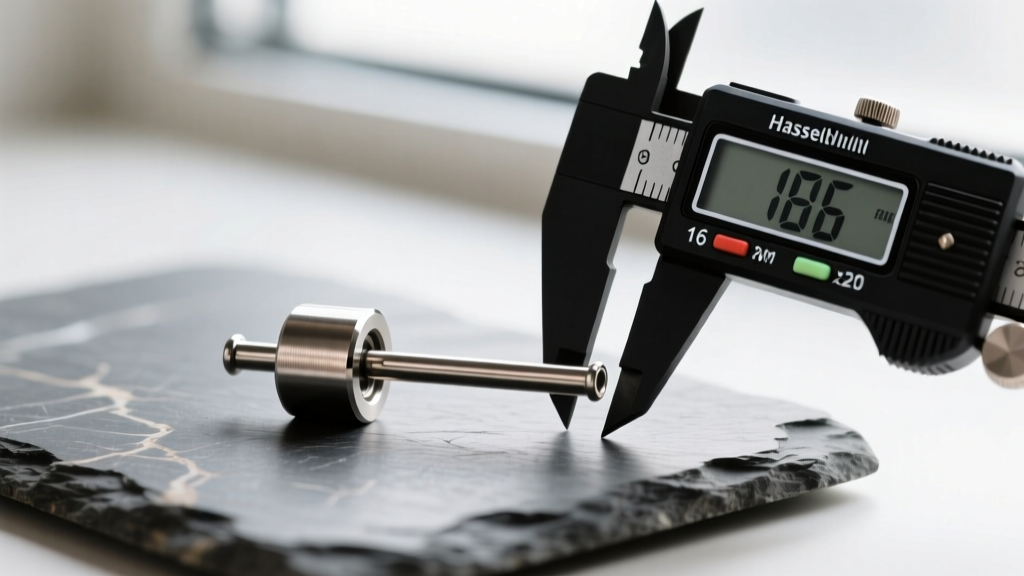
When shopping for fine body jewelry, the search term 6mm earring causes more confusion than almost any other measurement in the industry. If you have ever ordered a piece online only to receive something that looks entirely different from what you expected, you are not alone. The root of this issue lies in a fundamental misunderstanding of how jewelry manufacturers label their dimensions. In the world of professional piercings, a 6mm measurement refers to one of two completely different metrics: post length or inner diameter.
As of 2026, with the rise of highly curated ear projects and micro-jewelry trends, understanding this distinction is critical. A 6mm post length is a straight barbell or labret designed to pass through the tissue, while a 6mm inner diameter refers to the empty space inside a circular hoop. Buying the wrong type for your specific anatomy can lead to embedding, irritation bumps, or the dreaded cheese-cutter effect. This comprehensive buying guide will break down exactly what to look for when purchasing 6mm jewelry, ensuring a flawless fit for your unique anatomy.
The 6mm Sizing Matrix
Before adding anything to your cart, use this quick-reference table to determine which 6mm measurement applies to the jewelry style you are browsing.
| Measurement Type | What It Actually Means | Standard Gauge Pairings | Best Piercing Locations |
|---|---|---|---|
| 6mm Post Length | The wearable straight bar from the flat base to the top threading | 18G (1.0mm), 16G (1.2mm), 14G (1.6mm) | Tragus, Flat, Helix, Conch, Thin Earlobes |
| 6mm Inner Diameter | The empty circular space inside a hoop, clicker, or captive bead ring | 20G (0.8mm), 18G (1.0mm), 16G (1.2mm) | Nostril, Snug, Daith, Tight Helix |
6mm Post Length: The Cartilage and Lobe Standard
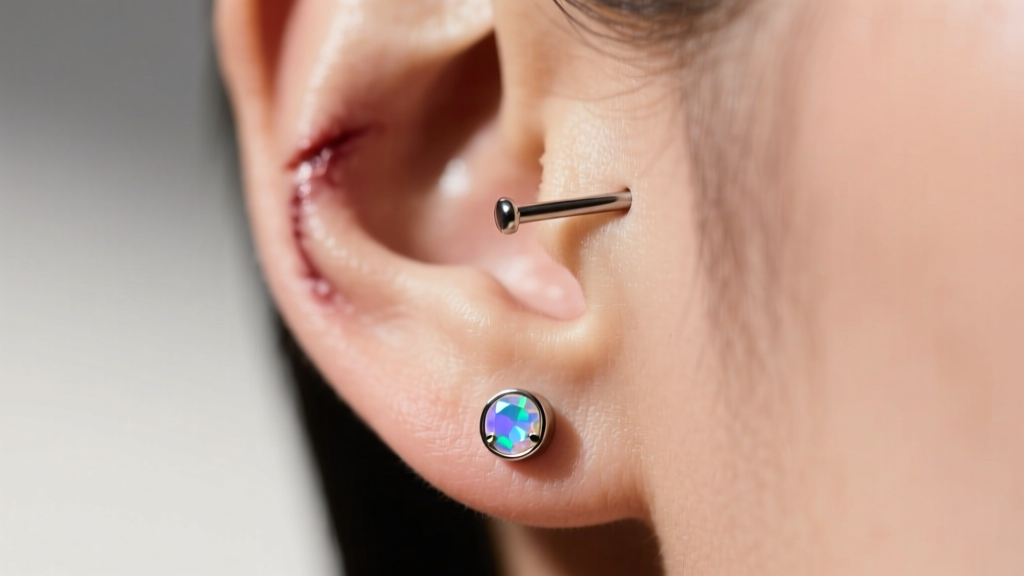
A 6mm post length (approximately 1/4 of an inch) is widely considered the gold standard for healed cartilage piercings and thinner earlobes. When you visit a professional piercer for a tragus or flat piercing, they will typically insert a longer post initially to accommodate swelling. Once the piercing is fully healed, downsizing to a 6mm labret stud is the standard protocol to prevent the jewelry from catching on hair, headphones, or clothing.
Anatomical Fit and the Embedding Risk
While 6mm is a standard size, it is not universally appropriate for every ear. The thickness of your earlobe or cartilage ridge dictates your required post length. If your earlobe is 7mm thick and you force a 6mm post through it, the flat back disc and the decorative front end will compress the tissue. Over time, this restricts blood flow and can cause the jewelry to literally sink into the skin, requiring surgical removal. Always have your piercer measure your tissue thickness with a caliper before committing to a 6mm post. For thicker lobes, an 8mm (5/16 inch) post is a much safer baseline.
6mm Inner Diameter: The Micro-Hoop Reality
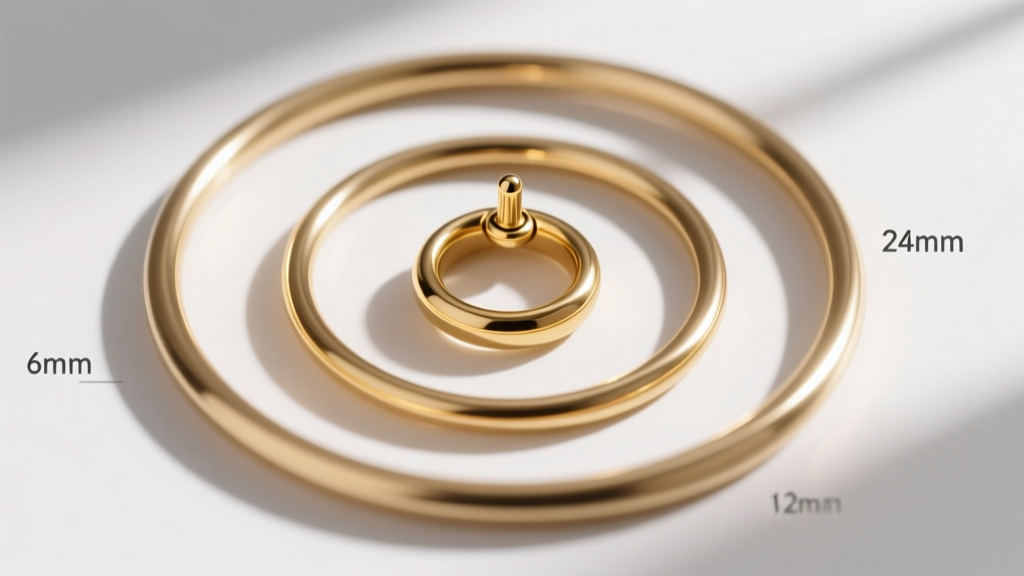
When a product listing advertises a 6mm earring hoop, it is referring to the inner diameter (ID). A 6mm ID is exceptionally small. To put it in perspective, a standard US dime is roughly 17.9mm across. A 6mm hoop is essentially a micro-huggie that wraps tightly against the skin.
Where a 6mm Hoop Actually Fits
Because of its tight curvature, a 6mm inner diameter hoop is rarely used for standard earlobes unless the piercing is placed extremely close to the edge of the tissue. Instead, this size is predominantly used for:
- High Nostril Piercings: Where the tissue is thin and the piercing sits close to the nasal bridge.
- Snug Piercings: The inner cartilage ridge of the ear where space is severely limited.
- Helix Huggies: For those who want a hoop that sits flush against the outer rim without dangling.
According to the Association of Professional Piercers (APP) sizing guidelines, wearing a hoop with too small of an inner diameter in a fresh piercing will cause the jewelry to press into the healing fistula, creating pressure necrosis and severe irritation bumps. Always wait until a piercing is 100 percent healed before attempting a 6mm ID hoop.
Material Grades: What to Demand in 2026
When dealing with small, tight-fitting jewelry like 6mm posts and micro-hoops, material quality is non-negotiable. The smaller the jewelry, the closer it sits to the skin, trapping moisture and bacteria if the surface finish is poor.
Implant-Grade Titanium (ASTM F-136)
For any 6mm labret post going into a healing piercing, ASTM F-136 implant-grade titanium is the only acceptable choice. It is completely nickel-free, highly polished, and biocompatible. Avoid generic surgical steel, which is an unregulated marketing term that often contains high levels of nickel, leading to contact dermatitis.
Solid Gold Alloys
For fully healed piercings, 14k or 18k solid gold is an excellent, luxurious option. However, you must verify the alloy composition. Reputable brands alloy their gold with palladium or silver to maintain a nickel-free status. Avoid gold-plated or gold-vermeil 6mm earrings, as the friction from inserting a tight post will quickly wear away the microscopic gold layer, exposing the reactive brass or copper base metal underneath.
Threading Mechanics: Threadless vs. Internally Threaded
The mechanism that holds your 6mm earring together is just as important as the metal itself. Historically, internally threaded jewelry (where the screw is on the bar and the threads are inside the gem) was the standard. However, for 6mm posts, threadless technology has largely overtaken the market.
Why Threadless Wins for 6mm Posts
A 6mm post is very short. If it is internally threaded, there are only a few millimeters of actual threading cut into the metal. This makes the post highly susceptible to cross-threading, stripping, and snapping under pressure. Threadless (push-pin) jewelry relies on the tension of a slightly bent pin inserted into a hollow 6mm shaft. This creates a secure, custom fit that will not unscrew itself while you sleep, and it allows the piercer to bend the pin to perfectly match the angle of your specific cartilage ridge.
Pricing and Top Brands to Trust
Investing in high-quality 6mm jewelry requires a budget that reflects the precision machining required for small-scale body jewelry. Here is what you should expect to pay for authentic, body-safe pieces from industry-leading manufacturers:
- Basic Titanium Labret Posts (6mm): $12 to $25. Brands like Industrial Strength and NeoMetal offer flawless, mirror-finished titanium posts.
- 14k/18k Gold Threadless Ends: $45 to $150+. Brands like BVLA and Maria Tash specialize in precision-set gemstones that fit perfectly onto 16G and 18G threadless posts.
- 6mm ID Clicker Hoops: $60 to $200. Look for brands like Anatometal or LeRoi, which ensure the hinge mechanism on tiny clickers is smooth and will not snag delicate healing tissue.
Final Fitting Advice
Buying a 6mm earring online is entirely feasible if you know your exact anatomy and the specific terminology used by professional jewelers. Always verify whether the listing refers to post length or inner diameter. If you are transitioning from a healing post to a downsized 6mm stud, or attempting a tight 6mm hoop in your nostril, consult with an APP-certified piercer to verify the fit. Properly sized jewelry should sit flush, feel completely weightless, and never compress the surrounding tissue. By prioritizing ASTM-certified materials and modern threadless mechanics, your 6mm jewelry will remain secure, comfortable, and visually stunning for years to come. For more detailed information on safe metals, always refer to the APP Material Guidelines before making a purchase.


