8mm vs 6mm Earrings: The Ultimate Gift Guide & Sizing Guide
Choosing between 8mm vs 6mm earrings for a gift? Compare diamond carat weights, pearl sizes, lobe proportions, and occasion matching in our expert guide.

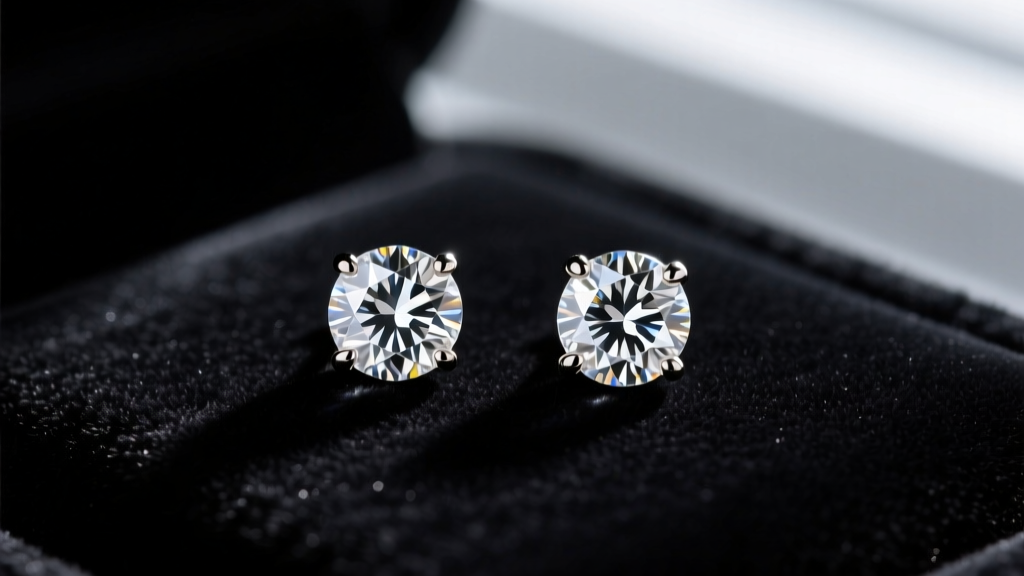
The Millimeter Dilemma: Why Size Dictates the Perfect Gift
Gifting fine jewelry is an exercise in precision, and nowhere is this more apparent than in the debate of 8mm vs 6mm earrings. To the untrained eye, two millimeters might seem like a negligible fraction of an inch. In the realm of gemology and jewelry design, however, a 2mm jump represents a massive shift in visual weight, carat equivalence, anatomical compatibility, and price. Whether you are selecting diamond studs for a milestone anniversary or Akoya pearls for a college graduation, understanding the nuanced differences between these two sizes is the key to a flawless gift.
This comprehensive guide breaks down the exact proportions, occasion mapping, and structural hardware requirements you need to know before making your purchase in 2026.
Visual Scale: Translating Millimeters to Carats and Pearls
Millimeter measurements refer to the diameter of the gemstone or pearl when viewed from the top down. Because surface area increases exponentially with diameter, an 8mm stone does not just look slightly larger than a 6mm stone—it commands significantly more visual real estate.
Diamond & Gemstone Equivalents
According to the Gemological Institute of America (GIA), a round brilliant diamond's millimeter measurement directly correlates to its carat weight. When comparing 8mm vs 6mm earrings in diamonds, you are essentially comparing two entirely different tiers of luxury.
| Diameter (mm) | Approx. Carat Weight (Total) | Visual Footprint | Best Suited For |
|---|---|---|---|
| 6mm | 0.75ct - 0.80ct (per ear) | Delicate, understated, sits flush | Everyday wear, petite frames |
| 8mm | 1.20ct - 1.30ct (per ear) | Bold, noticeable from a distance | Evening wear, statement lovers |
The surface area of an 8mm round stone is approximately 50.2 square millimeters, compared to 28.3 square millimeters for a 6mm stone. This means the 8mm earring offers 77% more visible surface area, making it appear nearly twice as large to the naked eye despite only a 2mm difference in width.
The Pearl Standard
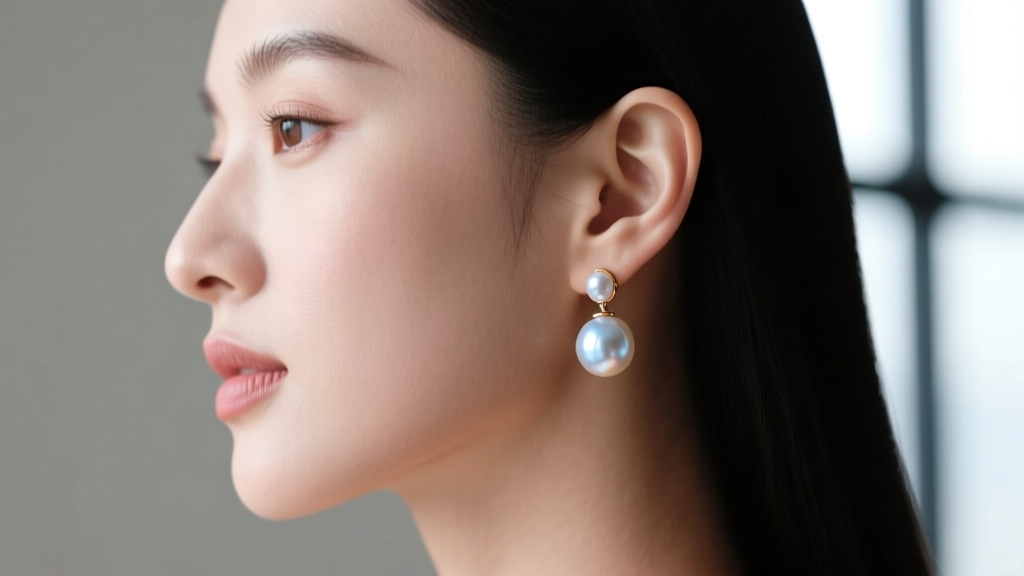
In the pearl market, size dictates both rarity and formality. A 6mm Akoya or Freshwater pearl is considered a "petite classic," ideal for younger recipients or those in conservative corporate environments. An 8mm pearl crosses the threshold into "premium standard." According to the American Gem Society, pearls in the 7.5mm to 8.5mm range are the traditional benchmark for high-end, formal gifting, offering a rich, visible luster that catches the light across a room.
Occasion Matching: The Gifting Matrix
Matching the earring size to the recipient's lifestyle and the specific occasion is where most gift-givers falter. Use this matrix to ensure your gift aligns with the moment.
- Sweet 16 or High School Graduation: Choose 6mm. It provides a timeless, age-appropriate introduction to fine jewelry without overwhelming a younger wearer's features.
- Corporate Milestones & Promotions: Choose 6mm. A 6mm diamond or pearl stud is the ultimate "power accessory" for the boardroom—elegant but not distracting.
- Weddings & Bridal Parties: Choose 8mm. Brides and mothers of the bride require jewelry that photographs well from a distance and stands up to the elaborate styling of formal gowns.
- Milestone Anniversaries (10th, 20th, 30th): Choose 8mm. The larger carat weight or pearl size signifies the gravity and longevity of the relationship.
- Holiday & "Just Because" Gifting: Choose 6mm. It is universally flattering, highly wearable, and generally fits better within standard holiday gifting budgets.
Anatomy & Ergonomics: Lobe Thickness and Hardware Failure
A critical, often overlooked aspect of the 8mm vs 6mm earrings debate is the physical toll the jewelry takes on the earlobe. Gemstones and precious metals are dense. An 8mm diamond set in a heavy platinum bezel can weigh over 1.5 grams per ear.
Expert Insight: The most common failure mode in gifting large stud earrings is "earlobe droop." If the recipient has thin or aging earlobes, an 8mm earring on a standard 20-gauge (0.81mm) post with a standard friction back will tilt forward, pointing toward the floor rather than facing outward.
The Hardware: Backings That Save the Gift
If you are committing to an 8mm earring, you must upgrade the hardware to ensure the gift is actually wearable:
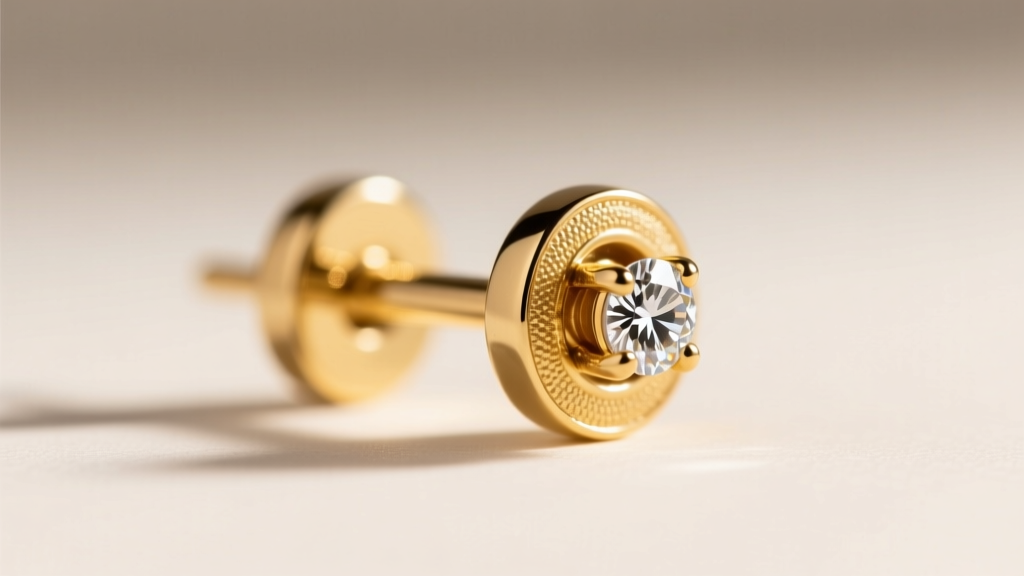
- La Pousette Locks: These mechanical, spring-loaded backs grip the post securely and provide a wide, flat base against the back of the earlobe, distributing the weight of an 8mm stone evenly.
- Screw-Backs: Threaded posts prevent the earring from slipping, though they require a bit more dexterity to put on.
- 18-Gauge Posts: Upgrading the post thickness from the standard 20-gauge to a sturdier 18-gauge (1.02mm) provides the structural rigidity needed to keep heavy 8mm stones sitting perfectly flush.
2026 Market Pricing: Budgeting for 6mm vs. 8mm
Diamond and gemstone pricing is non-linear; as you cross the 1.00-carat threshold (which the 8mm size breaches), the price per carat increases exponentially. Here is what you can expect in the current market for high-quality, VS1 clarity, G-color natural diamonds, as well as modern alternatives:
- 6mm Natural Diamond Studs (approx. 1.50 ctw): $6,500 – $9,000
- 8mm Natural Diamond Studs (approx. 2.50 ctw): $14,000 – $22,000+
- 6mm Lab-Grown Diamond Studs: $800 – $1,500
- 8mm Lab-Grown Diamond Studs: $1,800 – $3,200
- 8mm AAA Akoya Pearl Studs (18k Gold): $600 – $1,200
For buyers wanting the visual impact of the 8mm size without the five-figure natural diamond price tag, lab-grown diamonds and high-grade moissanite have become the dominant choices for modern gifting.
The 3-Step Decision Framework for Buyers
Still torn? Run your gift recipient through this quick diagnostic framework:
- Audit Existing Jewelry: Look at the jewelry they wear daily. Do they gravitate toward delicate, barely-there chains and small hoops? Stick to 6mm. Do they love bold cuffs, chunky rings, and statement pieces? Go for 8mm.
- Assess Lobe Structure: If the recipient has very petite, thin, or pierced-stretched lobes, an 8mm stone may cause discomfort or drooping unless you specifically request lightweight settings (like titanium or hollowed 14k gold) and La Pousette backs.
- Match the Milestone: Align the financial and visual weight of the earring with the significance of the event. 6mm is perfect for celebrating beginnings; 8mm is reserved for celebrating legacies.
Ultimately, whether you choose the subtle elegance of 6mm or the breathtaking presence of 8mm, the success of your gift lies in matching the proportions to the wearer's unique anatomy and lifestyle. By paying attention to the carat equivalents, structural hardware, and occasion mapping, you ensure your earrings aren't just placed in a jewelry box—they become a daily, cherished staple.


