How to Clean and Restore Vintage 70's Earrings Safely
Learn how to safely clean, restore, and maintain vintage 70's earrings. Expert tips for yellow gold, enamel, turquoise, and clip-on mechanisms.

The Unique Anatomy of 1970s Earrings
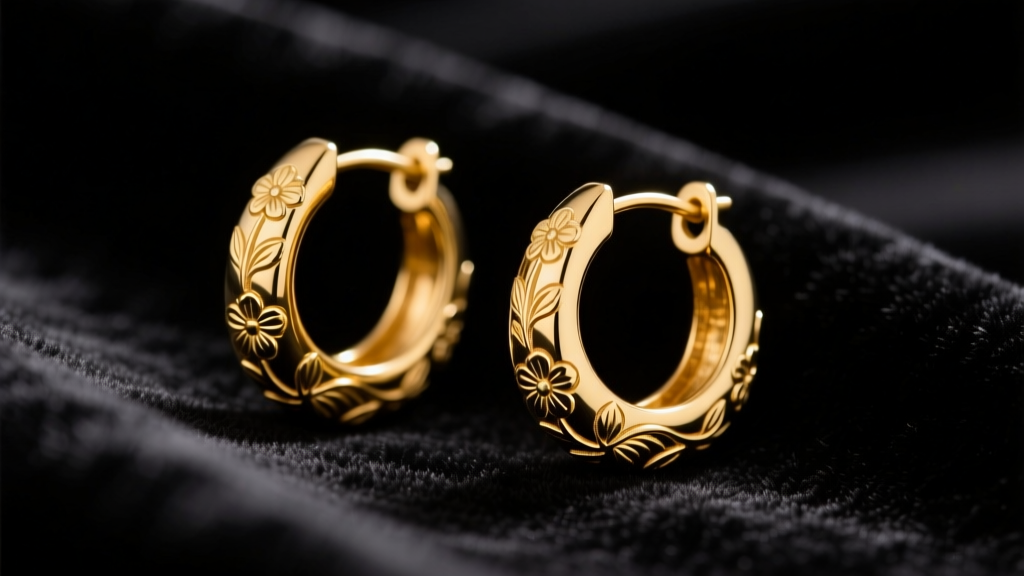
The 1970s marked a radical shift in jewelry design, moving away from the structured, platinum-heavy mod styles of the previous decade into an era defined by bohemian naturalism and disco-era glamour. When you acquire authentic 70's earrings, you are not just buying a design; you are adopting a specific set of mid-century metallurgical and lapidary techniques. Understanding the anatomy of these pieces is the first step in proper maintenance.
Unlike modern jewelry, which often relies on laser welding and standardized castings, vintage 70's earrings were frequently hand-fabricated or cast using traditional lost-wax methods. You will often find 14k and 18k yellow gold alloyed with higher copper content than today's standards, giving the metal a warmer, richer hue but making it slightly more susceptible to surface oxidation. Furthermore, the post gauges on pierced 70's earrings often run thicker—frequently 18-gauge or even 16-gauge—compared to the modern 20-gauge standard. Forcing modern, tight-fitting earring backs onto these thicker vintage posts can bend the wire or damage the clutch mechanism.
Material-Specific Cleaning Protocols
Because 70's earrings encompass everything from Native American-inspired turquoise cabochons to high-gloss disco enamel, a one-size-fits-all cleaning approach will result in catastrophic damage. Here is how to handle the most common materials of the decade.
14k and 18k Yellow Gold (The 70s Staple)
Yellow gold was the undisputed king of the 1970s. Over decades of wear, these pieces accumulate a combination of sebum, dead skin cells, and cosmetic residues that dull the metal's luster. To clean solid gold 70's earrings without stripping their desirable antique patina from the crevices:
- Mix three drops of mild, phosphate-free dish soap (like Dawn) into a bowl of lukewarm distilled water.
- Soak the earrings for exactly 10 to 15 minutes. Do not exceed this, as prolonged water exposure can weaken vintage adhesive bonds.
- Use a soft-bristled baby toothbrush to gently agitate the dirt from the back of the settings and the earring posts.
- Rinse under a gentle stream of lukewarm water and pat dry with a lint-free microfiber cloth. Never use paper towels, as their wood-pulp fibers will leave micro-scratches on high-polish gold.
Turquoise, Coral, and Lapis Lazuli
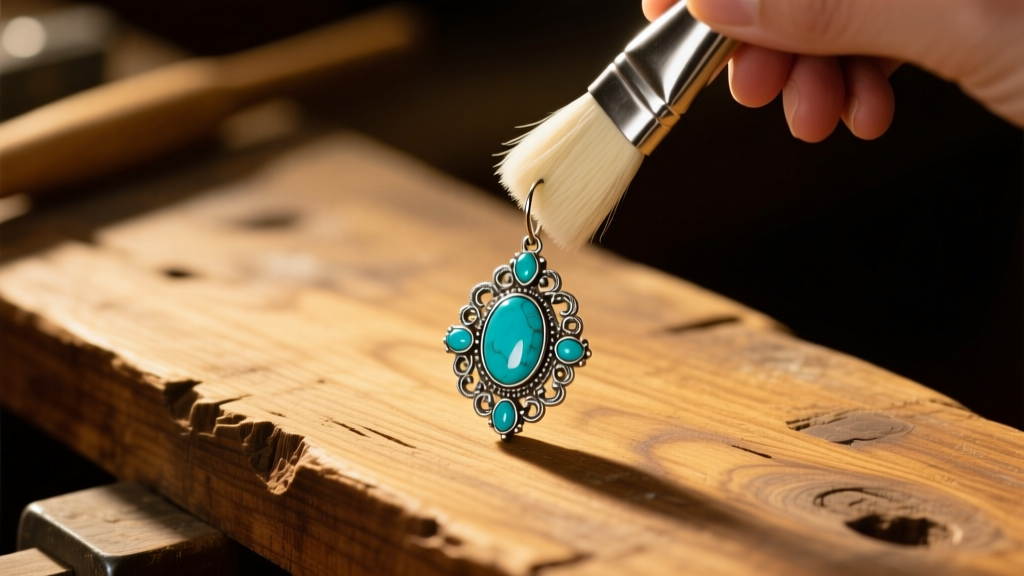
The 70s bohemian trend heavily featured porous, opaque gemstones. According to the Gemological Institute of America (GIA), turquoise is a porous copper-aluminum phosphate that is highly sensitive to chemicals, heat, and ultrasonic vibrations. Many 70's earrings featuring these stones were set using early epoxies or shellac rather than modern prong tension.
Never use ultrasonic cleaners or chemical silver dips (like Tarn-X) on these pieces. The heat and high-frequency vibrations of an ultrasonic bath will shatter the stone or liquefy the vintage glue, causing the cabochon to fall out of its bezel. Instead, wipe the stones gently with a barely damp microfiber cloth and immediately dry them. If the turquoise looks chalky or dry, a jeweler can apply a microscopic layer of museum-grade microcrystalline wax to stabilize the surface.
Enamel, Lucite, and Cold Paint
Disco-era 70's earrings frequently utilized cold enamel (an epoxy resin) and carved Lucite. Unlike kiln-fired vitreous enamel, cold enamel is essentially a hardened plastic. It is prone to yellowing from UV exposure and will flake if subjected to sudden temperature changes. Clean these pieces only with a dry, soft-bristled makeup brush to dust the crevices. If smudged, use a slightly damp cloth, but avoid any alcohol-based cleaners, which will instantly dissolve the surface of vintage Lucite and cold enamel.
Restoring Vintage Clip-On and Screw-Back Mechanisms
While the 1970s saw a massive surge in ear piercing, clip-on and screw-back earrings remained incredibly popular, especially for heavy, oversized disco hoops and chandelier styles. The mechanical hardware of 70's earrings requires specific maintenance to remain wearable today.
Adjusting Hinged Paddle Clips
The 'comfort clip' or hinged paddle was a hallmark of mid-to-late 20th-century costume and fine jewelry. Over time, the metal fatigues, and the clip loses its tension, causing the earring to slide off the earlobe. To restore the grip, a jeweler will use nylon-jaw pliers to gently squeeze the paddle closer to the hinge. Never use standard steel pliers, as they will mar the gold plating or scratch the solid gold finish.
Lubricating Screw-Backs
Screw-back 70's earrings often suffer from stripped threads or seized mechanisms due to decades of cosmetic buildup. Apply a single, microscopic drop of synthetic watch oil or 3-in-One oil to the threaded post. Screw the backing on and off a dozen times to work the lubricant into the threads, then wipe away all excess oil with a cotton swab dipped in isopropyl alcohol to prevent skin irritation.
Replacing Vintage Silicone Pads
The original foam or rubber pads on 70's clip-ons have almost certainly degraded into a sticky, crumbling mess. You can purchase replacement silicone clip-on pads online. They typically come in 10mm, 12mm, and 14mm diameters. Measure the metal paddle of your vintage earring and select the pad that covers it entirely without overhanging, ensuring a comfortable, non-slip grip.
Cleaning Agents: What to Use vs. What to Avoid
To prevent irreversible damage to your vintage collection, consult this quick-reference matrix before applying any cleaning solution to your 70's earrings.
| Material / Era | Safe Cleaning Method | Strictly Avoid | Common Failure Mode |
|---|---|---|---|
| 14k/18k Yellow Gold | Mild dish soap, lukewarm water, baby toothbrush | Bleach, ammonia, abrasive polishing cloths | Stripping of antique patina, micro-scratches |
| Turquoise & Coral | Dry microfiber cloth, soft brush | Ultrasonic cleaners, steam, chemical dips | Stone fracturing, glue degradation, color fading |
| Lucite & Cold Enamel | Dry makeup brush, mild damp wipe | Alcohol, acetone, hot water | Resin melting, enamel flaking, clouding |
| Vermeil (Gold over Silver) | Dry polishing cloth only | Liquid dips, ultrasonic, toothbrush | Complete removal of the thin gold plating layer |
Proper Storage to Prevent Oxidation and 'PVC Disease'
How you store your 70's earrings is just as critical as how you clean them. The 1970s jewelry industry frequently utilized PVC (polyvinyl chloride) plastics for display boxes and travel cases. As PVC ages, it off-gases hydrogen chloride gas. When this gas reacts with the copper alloys present in 14k gold, brass, or copper-based costume jewelry, it causes a destructive green corrosion known among conservators as 'PVC disease' or bronze disease.
If you purchased your vintage 70's earrings in their original 1970s plastic or vinyl boxes, remove them immediately. Store your pieces in acid-free, archival-quality tissue paper or untreated cotton muslin bags. For silver-based vintage pieces, place a strip of Pacific Silvercloth or 3M anti-tarnish paper in the storage drawer to absorb ambient sulfur compounds. Never store different metal types tangled together in a communal jewelry box; the friction will cause the softer high-karat gold to scratch, and dissimilar metals can cause galvanic corrosion if exposed to humidity.
When to Seek Professional Bench Jeweler Services
While routine cleaning can be done at home, certain restoration tasks require the expertise of a bench jeweler who specializes in vintage and antique garments. According to guidelines from Jewelers of America, attempting complex repairs at home often devalues the piece.
You should take your 70's earrings to a professional if you notice:
- Wobbly Posts: The solder joint connecting the post to the earring back has fractured. A jeweler can re-solder this using a laser welder, which prevents heat damage to surrounding gemstones.
- Cracked Bezels: The metal rim holding a turquoise or lapis stone has worn thin or pulled away. Re-burnishing or re-tipping the bezel requires specialized agate burnishers.
- Missing Patina: If a previous owner aggressively polished a piece of 70's gold jewelry, removing the dark oxidation in the textured grooves, a professional can apply a controlled liver of sulfur treatment to restore the original depth and contrast of the design.
'The golden rule of vintage jewelry conservation is reversibility. Any cleaning or repair method you apply to a 1970s piece should ideally be something that can be undone by a future conservator without damaging the original substrate.' — Principles of Antique Jewelry Restoration
Caring for 70's earrings is an exercise in historical preservation. By respecting the unique materials, mechanical hardware, and metallurgical quirks of the decade, you ensure that these iconic pieces of disco and bohemian history remain vibrant and wearable for generations to come.


