How to Choose and Care for a Clear Earring in Healing Piercings
Learn how to choose, insert, and clean a clear earring for healing piercings. Compare bioplast, PTFE, and glass retainers for sensitive ears.

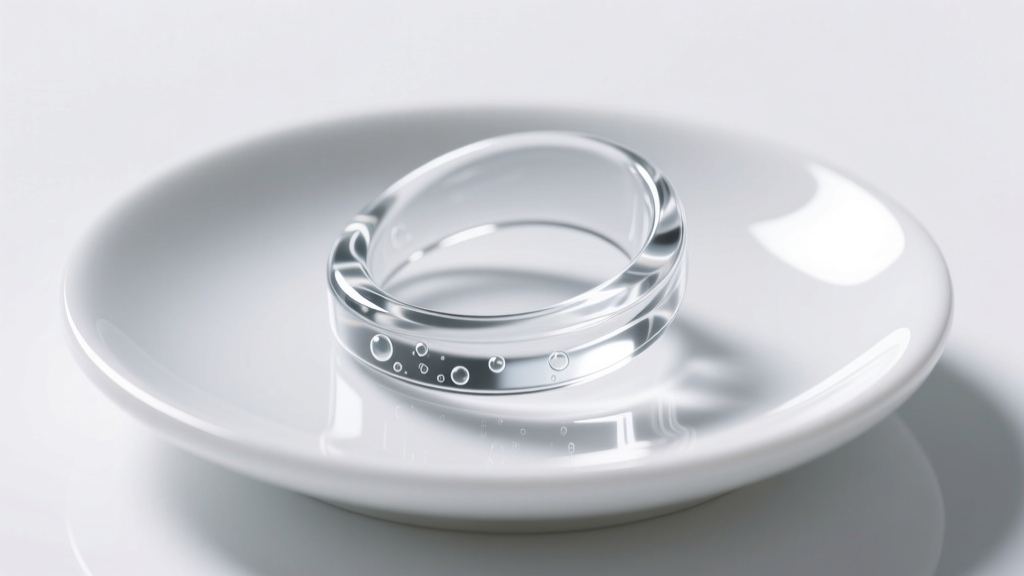
Why Switch to a Clear Earring During the Healing Phase?
Transitioning to a clear earring is often a necessity rather than a mere aesthetic choice. Whether you are navigating strict workplace dress codes, participating in contact sports, preparing for an MRI, or managing a severe nickel allergy, clear retainers offer a stealthy, biocompatible solution. However, not all transparent jewelry is created equal. The wrong material can lead to contact dermatitis, micro-tearing, or severe hypertrophic scarring. According to the American Academy of Dermatology, nickel allergies are among the most common causes of allergic contact dermatitis, making inert, non-metallic alternatives essential for sensitive healing fistulas.
This step-by-step guide will walk you through the exact material science, gauge sizing, insertion techniques, and aftercare protocols required to safely wear a clear earring in fresh or healing ear piercings.
Step 1: Selecting the Right Clear Material (Polymer vs. Glass)
The term 'clear earring' encompasses a wide range of materials, but only a few are approved for internal wear in unhealed tissue. The Association of Professional Piercers (APP) strictly outlines which materials are safe for fresh piercings. Below is a technical breakdown of the most common transparent options.
| Material | Chemical Composition | Autoclave Safe? | Best Use Case | Failure Modes & Risks |
|---|---|---|---|---|
| Fused Quartz (Glass) | Silicon Dioxide (SiO2) | Yes (up to 121°C+) | Fresh piercings, MRI, long-term wear | Shattering under extreme blunt force; heavier weight may stretch delicate lobes. |
| PTFE (Teflon) | Polytetrafluoroethylene | Yes (flexible) | Curved cartilage, sports, flexible retainers | Micro-porous over time; can harbor bacteria if scratched; warps if slept on. |
| Bioplast / BioFlex | Medical-grade PMMA | No (deforms at high heat) | Short-term stealth, lobe retainers | Degrades under UV light; becomes brittle; cannot be traditionally autoclaved. |
| Acrylic | Polymethyl Methacrylate (often with MMA) | No | HEALED piercings only (temporary) | Leaches toxic monomers; highly porous; causes severe irritation in open wounds. |
Expert Verdict: For a fresh or actively healing piercing, fused quartz glass (from reputable brands like Glasswear Studios or Gorilla Glass) is the gold standard. It is completely non-porous, hypoallergenic, and can be sterilized in an autoclave. If you require flexibility for a curved cartilage piercing (like a rook or daith), PTFE is your safest polymer alternative.
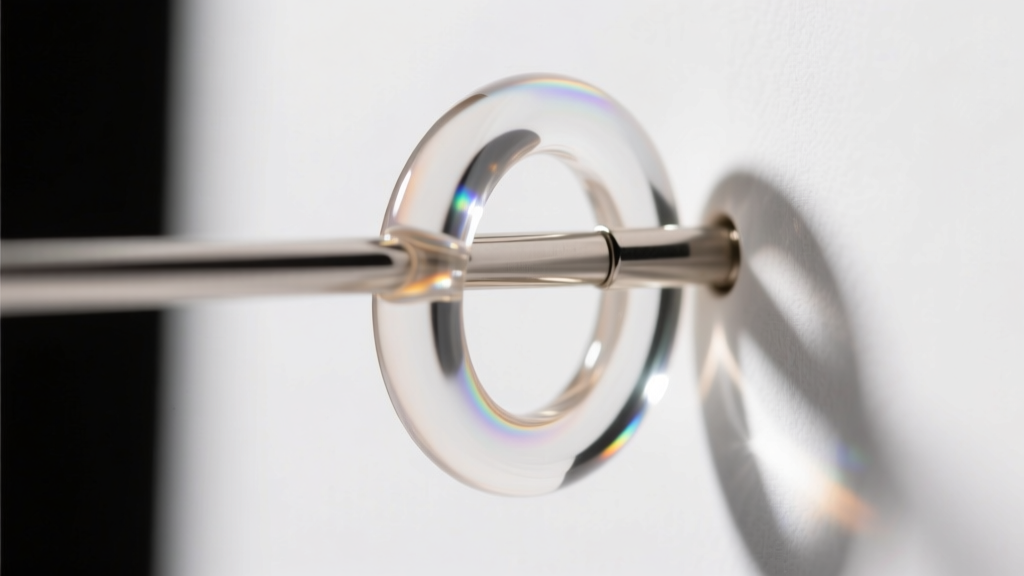
Step 2: Matching Gauge and Length for Your Anatomy
Clear earrings, particularly polymers like Bioplast and PTFE, suffer from inconsistent manufacturing tolerances compared to implant-grade titanium. A 16-gauge Bioplast barbell might actually measure closer to 15.5-gauge, which can cause unnecessary friction and tearing when inserted into a delicate 16-gauge fistula.
Standard Sizing Guidelines for Clear Retainers
- Standard Earlobe: 18G (1.0mm) or 16G (1.2mm). Length: 1/4" (6mm) to 5/16" (8mm) to accommodate swelling.
- Helix / Tragus / Conch: 16G (1.2mm). Length: 1/4" (6mm) to 3/8" (10mm).
- Daith / Rook: 14G (1.6mm). Inner diameter for rings: 3/8" (10mm).
Pro Tip: Always use a digital caliper to measure the exact wearable length and gauge of your clear earring before insertion. If the polymer feels rough at the threading or the ends, gently buff it with a high-grit (2000+) polishing pad to prevent micro-abrasions inside the piercing channel.
Step 3: Safe Insertion and Adjustment Techniques
Unlike rigid titanium, clear polymer retainers can buckle or bend if forced. Glass retainers, while rigid, lack the smooth, machine-tapered tips of metal jewelry. Therefore, proper insertion technique is critical to avoid blowing out the back of the fistula.
- Prep the Area: Wash your hands with antimicrobial soap. Cleanse the ear with a sterile 0.9% saline spray.
- Lubricate: Apply a microscopic amount of sterile, water-based lubricant (or pure jojoba oil) to the clear earring. Never use petroleum-based products like Vaseline, as they degrade PTFE and Bioplast and trap anaerobic bacteria.
- Use a Taper: For glass retainers, always use a sterilized steel or acrylic insertion taper that matches your gauge. Guide the taper through the fistula first, then align the flat-back glass retainer with the taper's base and push them through together seamlessly.
- Secure the End: If using a threaded glass or Bioplast retainer, ensure the O-ring or threaded end is snug but not overtightened. Polymers can strip easily if cross-threaded.
Step 4: The Daily Cleaning Protocol for Clear Retainers
Cleaning a clear earring requires a different chemical approach than cleaning metal. Harsh chemicals that are safe for titanium will instantly ruin transparent polymers.
What to Avoid at All Costs
- Rubbing Alcohol & Hydrogen Peroxide: These solvents cause micro-cracking in Bioplast and PTFE, turning the clear earring cloudy and structurally compromised within days.
- Witch Hazel & Tea Tree Oil: Essential oils and astringents can chemically react with PMMA-based plastics, leading to a sticky, degrading surface that harbors biofilm.
- Contact Lens Saline: Contains preservatives and buffering agents that cause severe chemical burns inside an open fistula.
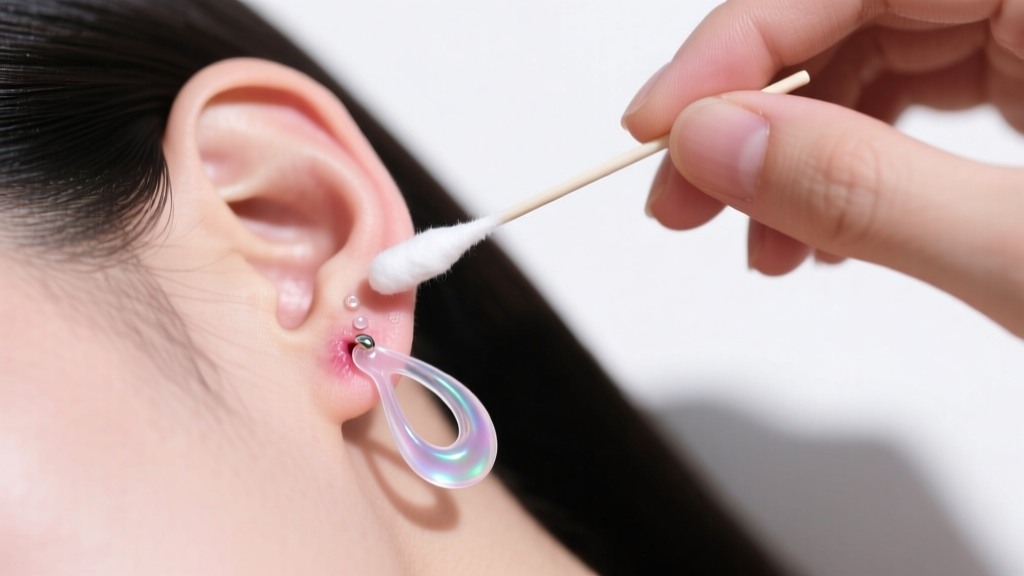
The Correct 2026 Aftercare Routine
Stick to the gold standard of piercing aftercare: 0.9% sterile sodium chloride (NaCl) wound wash. Spray the front and back of the clear earring twice daily. Instead of cotton balls—which can snag on the ends of the retainer and introduce lint into the wound—use sterile, non-woven 2x2 gauze pads to gently wipe away softened lymph and crusties. Once a week, if you are wearing a removable PTFE or glass retainer in a fully healed piercing, remove it, wash it with a mild, fragrance-free liquid castile soap, rinse thoroughly, and reinsert.
Common Clear Earring Mistakes to Avoid
Even with the right material, user error can lead to complications. Avoid these frequent pitfalls:
- Sleeping on PTFE: PTFE has a 'memory' effect when subjected to prolonged heat and pressure. Sleeping on a PTFE barbell can cause it to warp into a permanent curve, leading to uneven pressure on the piercing channel and subsequent migration.
- Using Acrylic in Fresh Piercings: Acrylic is highly porous and cannot be sterilized. It leaches unreacted methyl methacrylate (MMA) monomers into the bloodstream and tissue, causing severe allergic reactions and granulomas.
- Ignoring UV Degradation: Bioplast and BioFlex are susceptible to ultraviolet degradation. If you spend significant time in direct sunlight or use tanning beds, your clear earring will yellow, become brittle, and eventually snap inside the ear.
Final Thoughts on Transparent Jewelry
A clear earring is an invaluable tool in any piercing enthusiast's toolkit, offering discretion and biocompatibility when metal isn't an option. By prioritizing fused quartz glass for fresh wounds, utilizing insertion tapers to protect the fistula, and strictly adhering to a saline-only cleaning regimen, you can maintain a healthy, stealthy piercing without compromising your body's natural healing process. Always consult with an APP-certified professional piercer before downsizing or swapping your jewelry during the initial healing window.


